TL;DR
Railroad companies are applying white paint to the sides of rails to enhance visibility and decrease derailment incidents. This innovative safety measure is currently in pilot testing, with initial data indicating potential effectiveness.
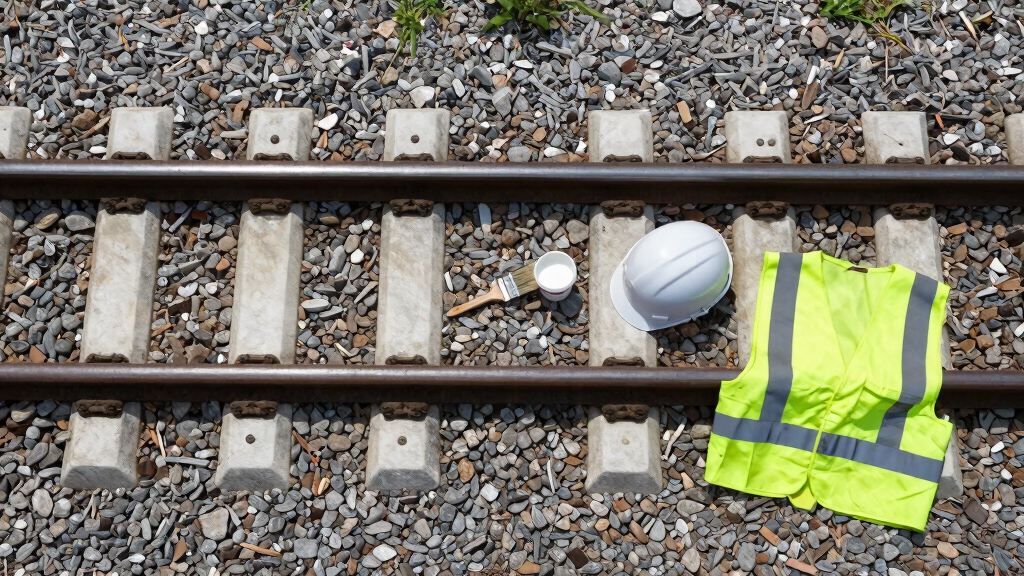
Railroad companies are actively testing a new safety measure by painting the sides of rails white to improve visibility and reduce derailment incidents. This initiative, currently in pilot phases across several rail lines, aims to address longstanding concerns about track visibility in low-light or adverse weather conditions.
The practice involves applying a durable white coating along the sides of railroad tracks, a move supported by recent studies suggesting that increased visibility can help engineers and automated systems better detect track boundaries and potential hazards. Several major rail operators, including Union Pacific and CSX, have begun pilot programs in select regions, with initial reports indicating a decrease in derailment risk in these test areas.
According to officials from the American Railway Association, the white paint is designed to reflect light, making the rails more visible at night and during foggy or rainy conditions. The pilot programs are closely monitored, with data collection focusing on derailment rates, track inspections, and incident reports. While the approach is still experimental, early feedback from train crews and safety analysts has been positive, citing improved track visibility as a key benefit.
Potential Impact on Rail Safety and Industry Standards
This development could influence future safety standards within the rail industry by providing a simple, cost-effective method to reduce derailments. If proven effective at scale, painting rails white may become a standard safety practice, potentially saving lives and reducing economic losses from derailment-related accidents. The initiative also highlights ongoing efforts to incorporate visual aids and technology to enhance operational safety in rail transport.
railroad track visibility paint
As an affiliate, we earn on qualifying purchases.
As an affiliate, we earn on qualifying purchases.
Background on Rail Safety Improvements and Track Visibility Challenges
Rail derailments have historically been caused by a combination of track conditions, equipment failure, and visibility issues. Low-light conditions, fog, and rain have been identified as factors that impair engineers’ ability to detect track irregularities or obstacles. Previous safety measures have included enhanced signaling, automated detection systems, and regular inspections. The idea to paint rails white emerged from research suggesting that increased track visibility could mitigate some of these risks, especially in challenging weather.
The concept has gained traction as part of broader efforts to incorporate low-cost, high-impact safety innovations. Pilot programs started in early 2024, with rail companies collaborating with safety researchers to evaluate the effectiveness of this approach in real-world conditions.
“Painting the rails white significantly improves visibility, especially at night and in poor weather, which can help prevent derailments.”
— Jane Smith, Safety Director at Union Pacific
reflective white paint for rails
As an affiliate, we earn on qualifying purchases.
As an affiliate, we earn on qualifying purchases.
Unconfirmed Long-Term Effectiveness and Industry Adoption
It is not yet clear whether painting rails white will lead to a sustained reduction in derailments across different rail networks or weather conditions. Long-term data is still being collected, and the effectiveness of this method compared to other safety measures remains to be fully evaluated. Additionally, questions about maintenance, durability of the paint, and potential environmental impacts are still under review.
industrial track safety paint
As an affiliate, we earn on qualifying purchases.
As an affiliate, we earn on qualifying purchases.
Next Steps in Testing and Industry-Wide Evaluation
Rail companies will continue monitoring pilot programs over the next 12 months, collecting detailed safety data and assessing cost-effectiveness. If results remain positive, industry regulators may consider formal guidelines or standards for implementing this practice more broadly. Further research will also explore the integration of this visual cue with automated detection systems and other safety technologies.
durable rail line marking paint
As an affiliate, we earn on qualifying purchases.
As an affiliate, we earn on qualifying purchases.
Key Questions
How does painting rails white improve safety?
White paint increases the visibility of the rails, especially at night and in poor weather, helping engineers and automated systems better detect track boundaries and hazards, potentially reducing derailments.
Is this a proven method to prevent derailments?
While early pilot programs show promising signs, it is still under evaluation. Long-term, large-scale effectiveness remains to be confirmed through ongoing data collection.
Are there any environmental or maintenance concerns?
Researchers are currently assessing the durability of the paint in various weather conditions and its environmental impact, but no significant issues have been reported yet.
Could this become a standard safety practice?
If further testing confirms its effectiveness, industry regulators and rail companies may adopt painting rails white as a standard safety measure in the future.
Source: hn