TL;DR
The Space Engineering Research Center has seen a sharp increase in worldwide media mentions, rising to 46 in recent reports. This surge indicates growing international attention on its work, though specific reasons remain unclear.
The Space Engineering Research Center has experienced a significant increase in global media mentions, rising to 46 reports within a recent reporting window, according to the data from GDELT. This marks a notable surge in international interest, although the specific causes of this spike are still being analyzed.
According to GDELT, an open-source database monitoring global news coverage, the Space Engineering Research Center has been mentioned 46 times in recent reports, compared to a baseline of fewer mentions. The surge was first noted in the past week and has attracted attention from media outlets across multiple regions.
Officials at the center have not yet issued a public statement regarding the increase in coverage. Industry analysts suggest that this rise could be linked to recent technological breakthroughs, new collaborations, or upcoming projects, but these claims remain unconfirmed. For more on recent research trends, see Research Publications Surges In Global Coverage.
Implications of the Global Media Surge for Space Engineering
This surge in coverage underscores the rising international interest in space engineering initiatives. It could influence funding, policy decisions, and collaborative opportunities for the center. For the broader space industry, increased attention may accelerate developments and foster new partnerships, although the exact drivers of this media attention are still unclear.
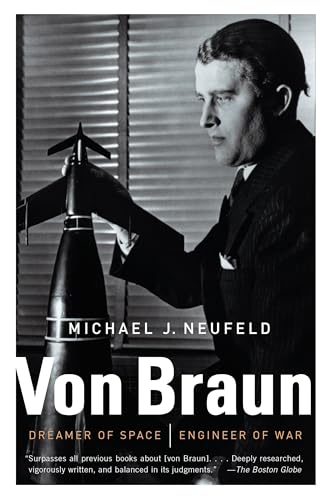
Von Braun: Dreamer of Space, Engineer of War (Vintage)
As an affiliate, we earn on qualifying purchases.
As an affiliate, we earn on qualifying purchases.
Recent Trends in Media Coverage of Space Engineering Centers
The Space Engineering Research Center has historically maintained a low profile, with limited international media coverage. The recent spike to 46 mentions represents a significant departure from its usual visibility, which was previously limited to specialized industry reports and academic publications. This change coincides with a period of heightened global interest in space exploration and commercial space activities, including recent government and private sector initiatives.
Prior to this surge, the center’s activities were primarily known within scientific circles, with little mainstream media attention. The current increase may relate to recent announcements or breakthroughs, but details are not yet publicly available.

satellite communications equipment operation and maintenance manual
As an affiliate, we earn on qualifying purchases.
As an affiliate, we earn on qualifying purchases.
Unconfirmed Reasons Behind the Coverage Increase
It is not yet clear what specific events or announcements have driven the surge in media coverage. While analysts speculate about technological breakthroughs, new collaborations, or upcoming projects, no official information has been released to confirm these claims. The precise cause of this attention remains under investigation.

Stargazing Cards – Messier Catalog | Night Sky Exploration Kit for Telescopes & Binoculars | Flashcards with Star Charts, Astrophotography & Facts | Perfect Astronomy & Space Gift for Kids & Adults
⭐ PORTABLE & PRACTICAL STARGAZING TOOL. Skip the bulky astronomy books and sky atlases – Stargazing Cards are…
As an affiliate, we earn on qualifying purchases.
As an affiliate, we earn on qualifying purchases.
Monitoring Future Media Trends and Official Announcements
The next step will be to observe whether the coverage sustains or increases further. The center is expected to make official statements or announce new initiatives soon, which could clarify the reasons behind the surge. Industry watchers will also monitor upcoming conferences or launches that might be linked to this heightened attention.

Discovery™ Galactic Space Science Kit – 61 Experiment STEM Lab for Kids| Astronomy & Chemistry Activity Set| Includes DIY Telescope, Crystals, Slime, Moon Rocks| Educational Learning Toy Gift| Ages 8+
✔ 61 SPACE-THEMED STEM EXPERIMENTS – Blast off into the cosmos with 21 guided experiments and 40 at-home…
As an affiliate, we earn on qualifying purchases.
As an affiliate, we earn on qualifying purchases.
Key Questions
Why has the Space Engineering Research Center gained so much media attention?
While the exact reasons are unconfirmed, analysts believe recent technological advancements, collaborations, or upcoming projects may be driving the increased coverage.
Is the surge in coverage related to a specific event?
There is no confirmed information linking the coverage increase to a particular event or announcement at this time.
What does this mean for the future of the center?
The increased attention could lead to more funding, partnerships, and visibility, potentially accelerating its projects and influence within the space industry.
When will the center provide more details about this surge?
The center has not announced any forthcoming statements. Observers expect updates as the situation develops or new projects are revealed.
Source: gdelt