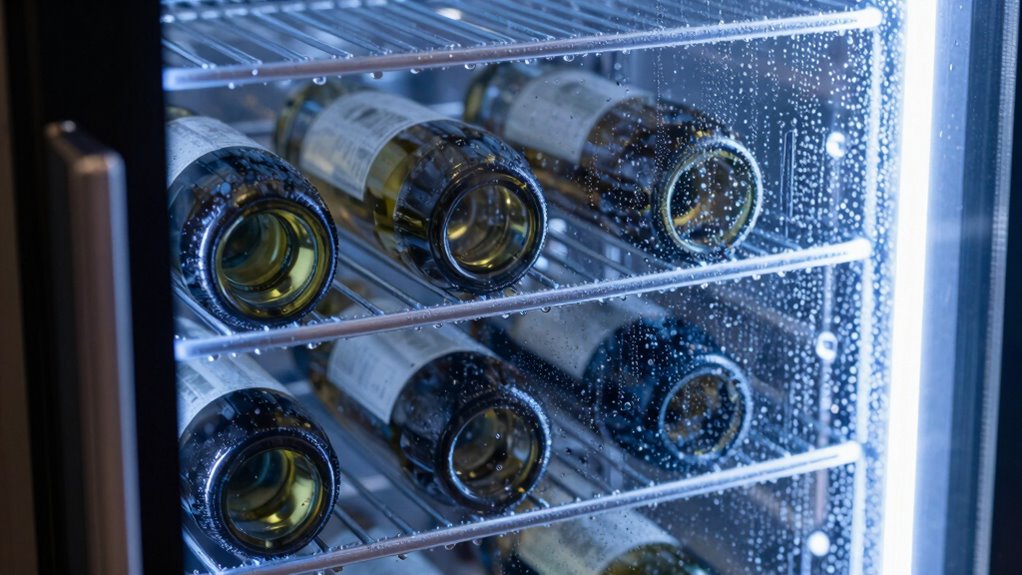
An overlooked humidity variation in wine cooler zones can jeopardize your wine’s aging; discover how to optimize each area for perfect preservation.
Browsing Category
Kitchen Systems & Food Science
26 posts
Beverage Fridges: Why Temperature Zones Matter
Temperature zones in beverage fridges are vital because they help you store…
Ice Makers: Clear Ice vs Nugget Ice Explained
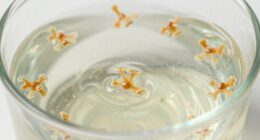
Purely different in appearance and purpose, understanding clear ice versus nugget ice helps you choose the perfect ice maker—discover which type suits your needs.
Food Processor vs Blender: The Cut vs Smash Difference
Discover the key differences between food processors and blenders—understanding their unique functions can transform your kitchen tasks.
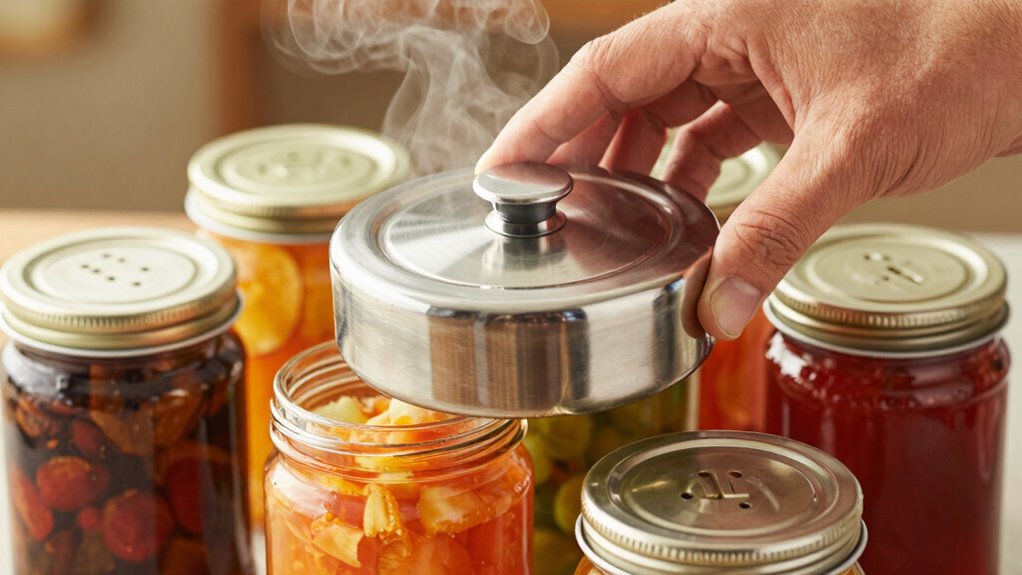
Pressure Canning Basics: The Safety Rule That Matters Most
The most important safety rule in pressure canning is ensuring your equipment…
Nut Butter Blending: Heat, Oils, and Why It Seizes
Nut butter blending nuances: how heat and oils influence texture and why seizing occurs—discover the secrets to perfect, smooth spreadability.
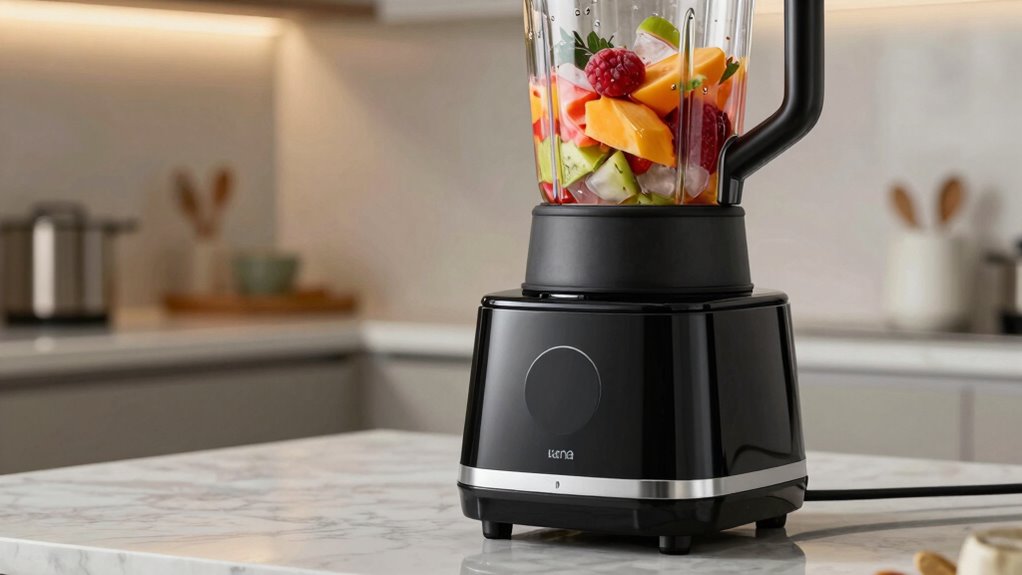
Blender Power: Why Watts Don’t Equal Performance
Blender power isn’t just about watts—discover how blade design and motor efficiency impact performance beyond numbers.
Stand Mixer Capacity: Bowl Size vs Dough Load Reality
Lifting the lid on stand mixer capacity reveals the vital balance between bowl size and dough load, shaping your perfect baking experience—discover how to choose wisely.
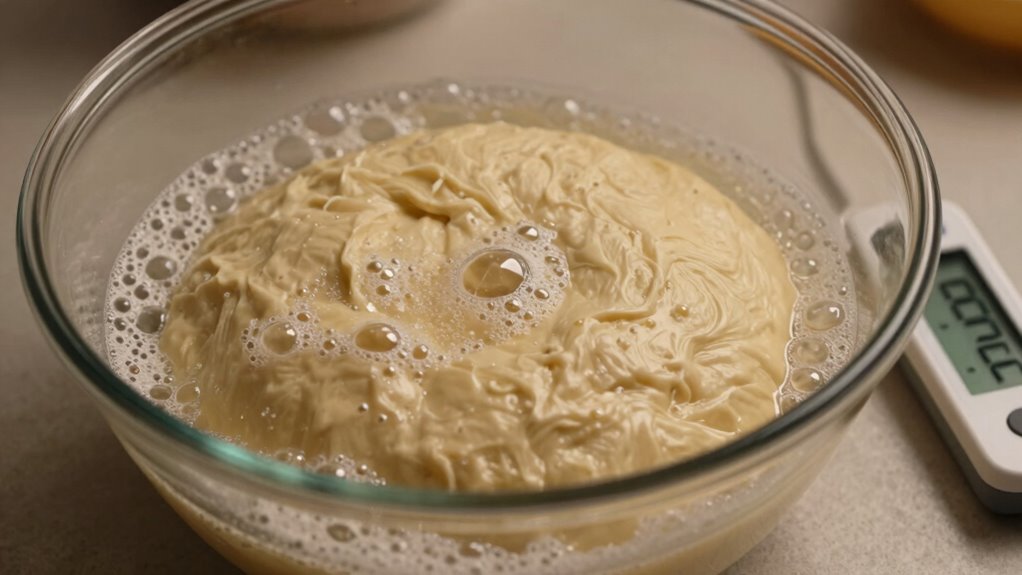
Dough Fermentation: Time vs Temperature (No Myth Edition)
Here’s what you need to know about dough fermentation: how time and temperature influence your bread, and why mastering this balance is essential for perfect results.
Bread Staling: The Science Behind “Day Two” Texture
The science behind bread staling reveals how microbial activity and physical changes create that familiar “day two” texture, and understanding these processes can help you preserve freshness.