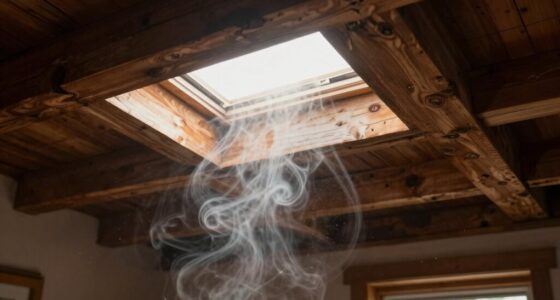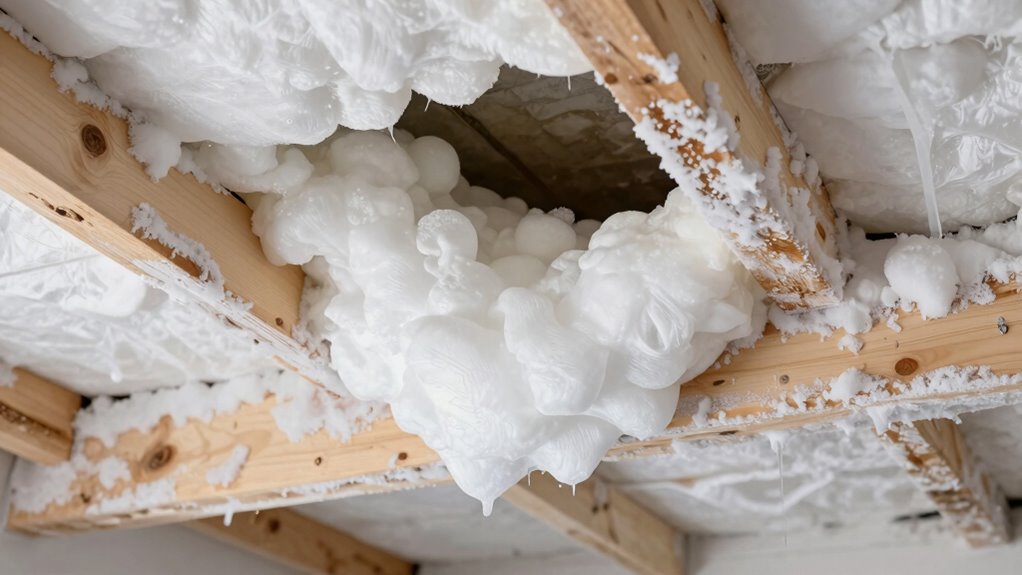
Adding too much insulation can backfire because it traps moisture, reduces air circulation, and disrupts ventilation inside your walls. This can lead to mold growth, dampness, and higher energy costs since your HVAC must work harder. Over-insulating also risks blocking vents and creating gaps, which worsens indoor air quality. If you want to understand how to balance insulation and ventilation for a healthier, more efficient home, keep exploring these important points.
Key Takeaways
- Excess insulation can trap moisture, leading to mold growth and structural damage.
- Over-insulation reduces airflow, causing humidity buildup and indoor air quality issues.
- Too much insulation can interfere with ventilation, increasing the risk of dampness and mold.
- Over-insulating causes thermal bridging, making the HVAC work harder and raising energy costs.
- Improper installation and excessive layers can create gaps and voids, decreasing insulation effectiveness.

HADOR Reflective Window Film Insulation Roll 24 in X 10 Feet, Foil Aluminum Roll Double-Sided Foam Core, Summer Window Heat Blocker for RV/Skylight Windows – Folded Package
Package Contents: HADOR Reflective Window Insulation kit has everything you need. It includes a 24 inch x 10…
As an affiliate, we earn on qualifying purchases.
As an affiliate, we earn on qualifying purchases.
What You Need to Know About Home Insulation
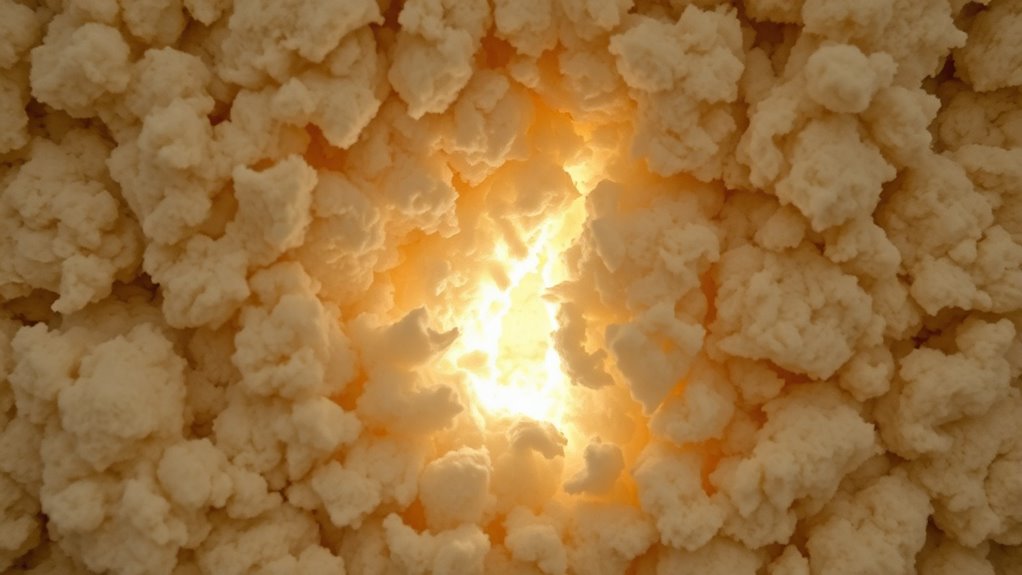
Understanding home insulation is essential because it directly affects your comfort and energy bills. Proper attic insulation helps keep warm air inside during winter and cool air during summer, reducing heating and cooling costs. Wall insulation plays a vital role by preventing drafts and heat transfer through your walls, making your home more energy-efficient. When selecting insulation, consider R-values, which measure thermal resistance, and ensure you choose the right type for each area. Insulation materials like fiberglass, foam, or cellulose have different benefits, so understanding their properties helps you make informed decisions. Proper installation is crucial; poorly installed insulation won’t perform well and can lead to wasted energy. Knowing the basics of attic and wall insulation helps you create a more comfortable and cost-effective home. Additionally, incorporating ventilation considerations ensures your insulation functions effectively by preventing moisture buildup and maintaining indoor air quality.
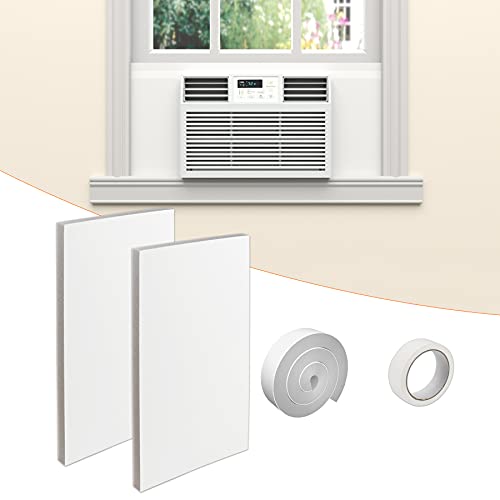
GCGOODS Window Air Conditioner Insulated Foam Panels, Winter Surround Insulation Side Panel with Top Seal Strip for Window AC Unit Indoor, White
SURROUND INSULATION – The excellent sealing and insulating performance helps to eliminate drafts, heat, moisture and light, improve…
As an affiliate, we earn on qualifying purchases.
As an affiliate, we earn on qualifying purchases.
Busting the Myth: Is More Always Better?
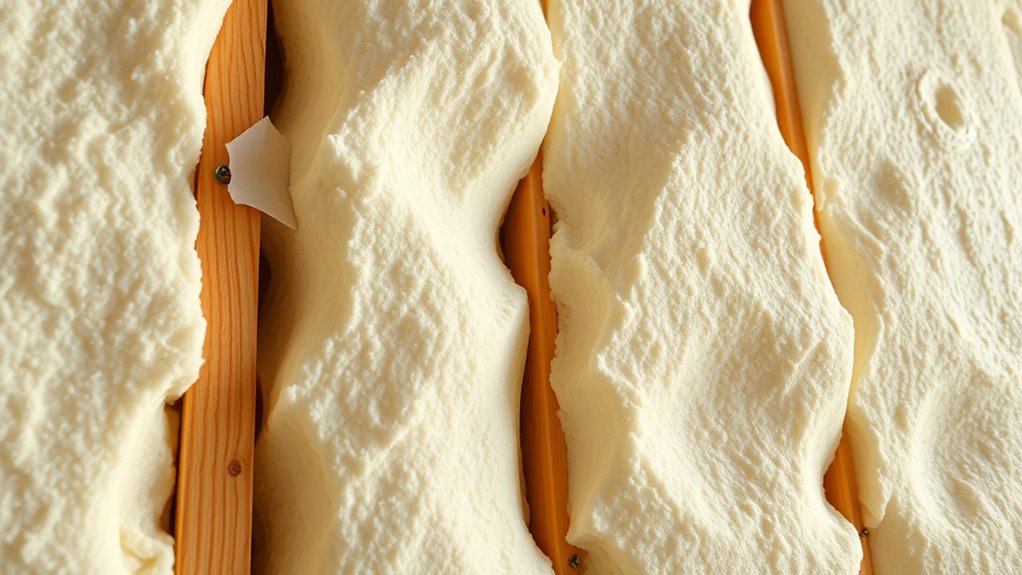
Many homeowners assume that installing more insulation will always lead to better energy savings, but in reality, excessive insulation can cause problems rather than solve them. This misconception is part of common insulation myths that overlook the importance of proper installation and balance. Over-insulating can trap moisture, increasing the risk of mold and reducing moisture prevention. More insulation isn’t always better if it disrupts airflow or creates gaps. To avoid these issues, consider:
Over-insulating can trap moisture and cause problems; proper balance and ventilation are key.
- Properly evaluating your home’s insulation needs
- Ensuring ventilation remains adequate
- Avoiding excessive layers that hinder moisture escape
- Recognizing that proper insulation and ventilation are essential for maintaining a healthy home environment

ZXQDRE Sauna Foil Vapor Barrier, 250 sqft Aluminum Insulation Roll Heavy-Duty Non-Perforated Reflective Thermal Barrier for Energy Efficient Sauna, Attic, Garage and Crawl Space (4FT x 62.5FT)
Ultimate Sauna Performance: Our premium radiant barrier foil reflects up to 96% of radiant heat, ensuring your sauna…
As an affiliate, we earn on qualifying purchases.
As an affiliate, we earn on qualifying purchases.
How Too Much Insulation Causes Moisture Issues
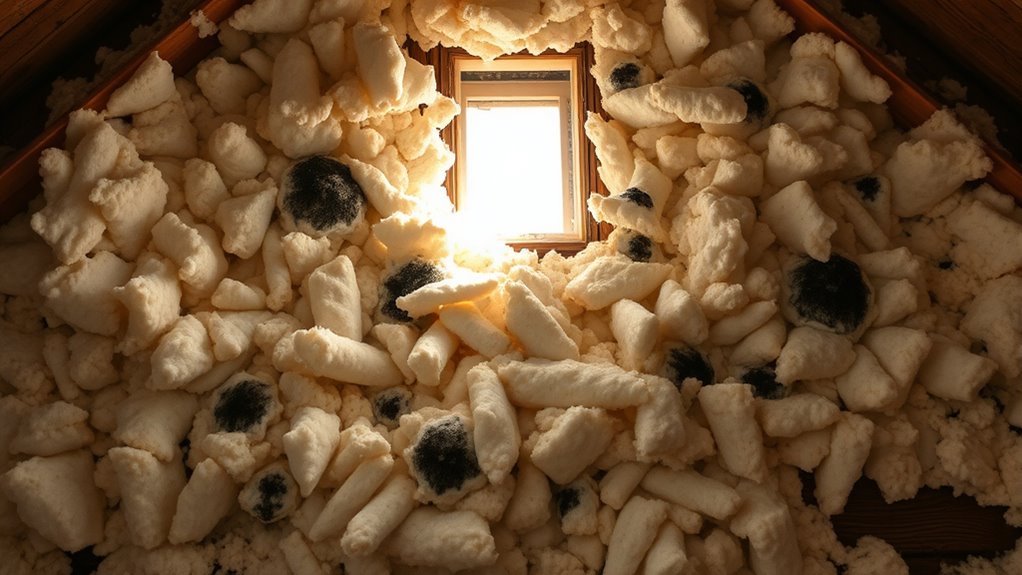
When you add too much insulation to your home, it can trap moisture inside walls and ceilings, leading to serious problems. Excess insulation limits airflow, causing moisture buildup from everyday activities like cooking, bathing, and even breathing. This trapped moisture creates damp environments perfect for mold growth, which can damage your home’s structure and harm your health. As mold spreads, it weakens wall materials and can cause unpleasant odors. Over-insulating without proper ventilation disrupts the balance between humidity and dryness, making it harder for moisture to escape. The result is a cycle of persistent dampness and mold, which can escalate quickly if not addressed. Proper ventilation techniques are crucial to prevent moisture accumulation and maintain a healthy indoor environment. To avoid these issues, it’s essential to install the right amount of insulation combined with proper moisture control measures.

24" x12"x1" (Thick) Ceramic Fiber Blanket Fireproof Insulation Baffle Rated to 2400F, High-Temperature Resistance for Oven Stoves, Kilns, Forges
Ceramic Fiber Insulation is high-temperature resistance, insulated, and fireproof. It is rated to 2400F so that it can…
As an affiliate, we earn on qualifying purchases.
As an affiliate, we earn on qualifying purchases.
Why Ventilation Is Key to Effective Insulation
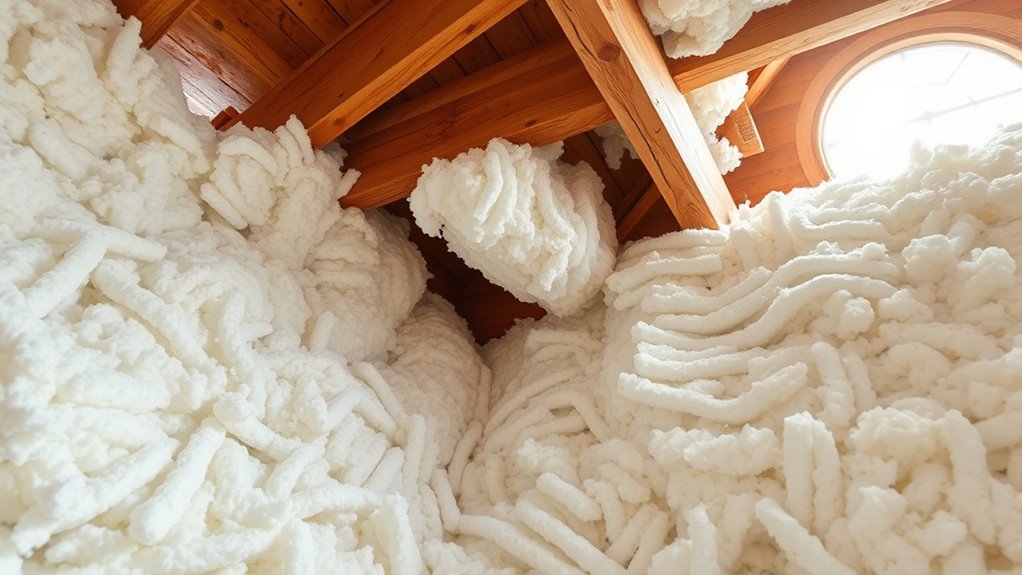
Good airflow keeps moisture out of your insulation, preventing mold and damage. When your space is well-ventilated, insulation works more efficiently by maintaining proper temperature and humidity levels. Without ventilation, even the thickest insulation can backfire, trapping moisture and reducing its effectiveness. Proper ventilation systems are essential to optimize insulation performance and ensure a healthy environment.
Proper Airflow Prevents Moisture
Proper airflow is essential to prevent moisture buildup within your insulation. Without proper airflow management, moisture can accumulate, leading to mold, rot, and reduced insulation effectiveness. To keep moisture control effective, guarantee your home has adequate ventilation. Here are key practices:
- Install intake and exhaust vents to promote continuous airflow
- Use soffit and ridge vents to facilitate proper air circulation in the attic
- Maintain unobstructed vents and ducts to prevent moisture traps
- Understanding insulation helps you recognize the importance of proper ventilation in maintaining insulation performance.
Ventilation Enhances Insulation Efficiency
Effective ventilation is vital for maximizing your insulation’s performance, as it helps regulate temperature and moisture levels within your home. Proper airflow regulation prevents excess humidity from accumulating, which can reduce insulation effectiveness and promote mold growth. By allowing fresh air to circulate, ventilation guarantees that moisture is controlled and doesn’t become trapped behind insulation layers. Additionally, air circulation plays a crucial role in maintaining a healthy indoor environment by dispersing indoor pollutants. This balance helps maintain a stable indoor environment and prevents issues like condensation and rot. When your home is well-ventilated, insulation can work as intended, providing consistent temperature regulation without the risk of moisture buildup. Remember, insulation alone isn’t enough; proper ventilation is essential to unlock its full potential and keep your home comfortable and safe.
Over-Insulation and Indoor Air Quality

Over-insulating a home can unexpectedly harm indoor air quality by trapping pollutants and reducing ventilation. When your home is too tightly sealed, airborne contaminants like dust, VOCs, and humidity build up, leading to poor air quality. This can cause health issues such as allergies and respiratory problems. To prevent this, consider:
- Ensuring proper moisture control to avoid mold growth
- Using ventilation systems to bring in fresh air
- Choosing insulation materials that allow some breathability
- Being aware of indoor air quality and how insulation choices can impact it
How Excess Insulation Affects Your HVAC System
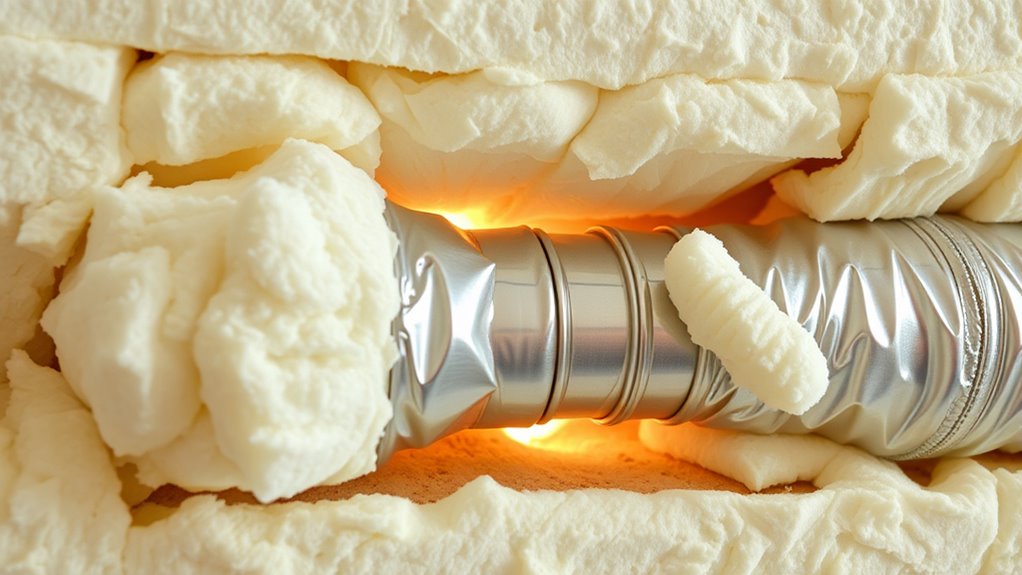
When you add too much insulation, your HVAC system has a harder time moving air efficiently. This increased strain can cause it to work harder, raising your energy bills. Over-insulation might seem helpful, but it can actually lead to reduced airflow and higher costs. Proper system sizing is essential to ensure your HVAC operates effectively without unnecessary strain.
Reduced Airflow Efficiency
Excess insulation can inadvertently hinder your HVAC system’s performance by restricting airflow. When insulation is overdone, it can cause airflow disruption, making it harder for heated or cooled air to circulate efficiently. Additionally, insulation compression occurs when dense materials push against vents or ductwork, reducing their effectiveness. This can lead to uneven temperatures and increased energy consumption. To avoid these issues, keep these points in mind:
- Ensure vents and ducts aren’t blocked or compressed by insulation.
- Maintain proper clearance around air return and supply vents.
- Use appropriate insulation materials that don’t overly compress or restrict airflow. Properly managing insulation also involves understanding how airflow dynamics can impact overall system efficiency.
Increased System Strain
Too much insulation can put extra pressure on your HVAC system, causing it to work harder than necessary. When insulation becomes overstuffed, it can lead to insulation compression, reducing its effectiveness and creating gaps that hinder airflow. Additionally, excessive insulation can promote thermal bridging, where heat transfers through less insulated areas, forcing your system to compensate more frequently. This phenomenon can undermine the overall thermal efficiency of your home living room cinema setup, leading to increased energy consumption. This increased workload strains your HVAC components, leading to faster wear and tear. As your system struggles to maintain a consistent temperature, it consumes more energy and risks overheating or short cycling. Over time, this added strain can cause premature failure of parts, resulting in costly repairs and reduced system lifespan. Proper insulation balance is key to avoiding unnecessary stress on your HVAC system.
Higher Energy Costs
While it might seem like adding more insulation reduces your energy bills, overdoing it can actually drive them up. Excess insulation, especially with improper insulation layering, can trap heat and block proper attic ventilation. This causes your HVAC system to work harder to maintain a comfortable temperature, increasing energy consumption. To avoid this, make sure your attic has proper ventilation to allow heat to escape. Be cautious about layering insulation too thickly, as it can create a barrier that hampers airflow.
- Reduced airflow due to insulation layering
- Poor attic ventilation trapping heat
- Increased strain on your HVAC system
All these factors lead to higher energy costs, counteracting any potential savings from extra insulation. Proper balance is key to keeping energy bills in check.
Choosing the Best Insulation for Your Home

Choosing the right insulation for your home is vital to maximizing energy efficiency and comfort. Start by evaluating your needs: attic insulation is key for preventing heat loss through the roof, while wall insulation helps maintain even temperatures inside. Consider the climate in your area—warmer regions may benefit from lighter, reflective materials, whereas colder climates require thicker, more insulating options. R-value measures insulation’s effectiveness; higher R-values mean better thermal resistance. Also, think about your home’s construction and existing materials. Properly selecting and installing the right type of insulation guarantees maximum performance without overdoing it. Remember, more isn’t always better—oversized insulation can cause issues. Focus on a balanced approach tailored to your home’s specific needs for maximum comfort and energy savings.
Common Installation Mistakes That Backfire
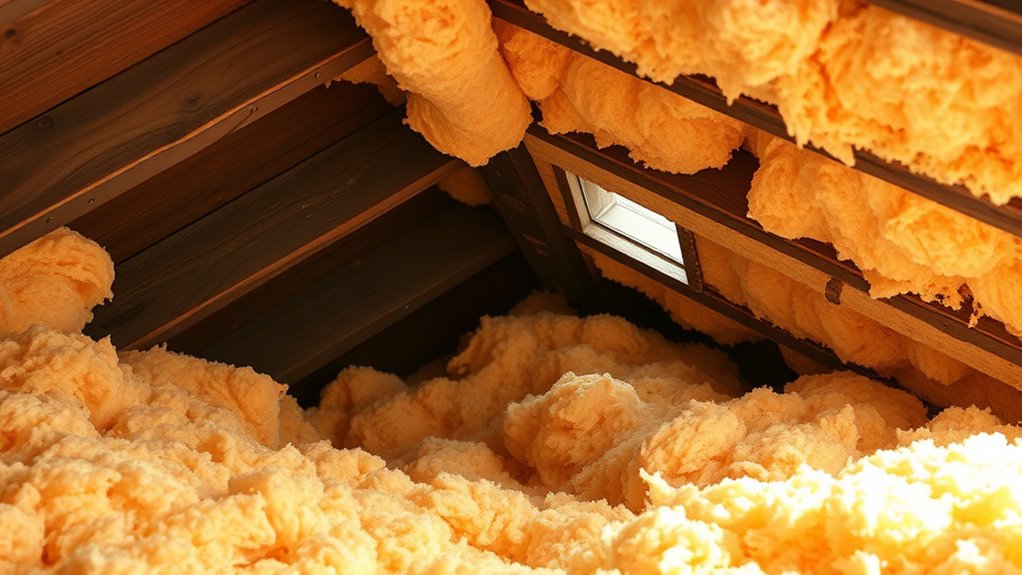
One common mistake is overstuffing insulation, which can create gaps and reduce its effectiveness. Improperly installed vapor barriers can trap moisture and cause damage over time. Being careful with these details guarantees your insulation works as intended and avoids costly backfires.
Overstuffed Insulation Gaps
Overstuffing insulation in gaps may seem like a good way to improve energy efficiency, but it often causes more harm than good. When you cram too much insulation into small spaces, it can lead to insulation settling over time, creating voids that reduce its effectiveness. Additionally, overstuffed areas can promote thermal bridging, where heat bypasses the insulation through gaps or conductive materials.
To avoid this, keep these points in mind:
- Leave proper gaps around electrical wiring and vents to prevent compression.
- Never pack insulation tightly, as it loses its insulating properties.
- Ensure a snug but not overly compressed fit to maintain continuous R-value.
Overstuffed gaps can trap air instead of insulating it, defeating the purpose of your efforts.
Improper Vapor Barrier
A common mistake in insulation installation is using an improper vapor barrier, which can lead to moisture buildup and structural damage. When the vapor barrier isn’t correctly installed or is missing, moisture from inside your home can pass through insulation gaps and condense within wall cavities. This trapped moisture fosters mold growth, wood rot, and deterioration of structural components. If the vapor barrier is too vapor-permeable, it won’t prevent moisture migration; if it’s too impermeable and installed incorrectly, it can trap moisture inside. Ensuring the right type and proper placement of the vapor barrier is essential. Otherwise, you risk moisture problems that backfire, compromising your insulation’s effectiveness and your home’s integrity. Proper installation prevents moisture buildup and keeps your insulation functioning as intended.
Signs You’ve Over-Insulated Your Home

If your home feels uncomfortably warm or stuffy despite turning down the thermostat, you might be over-insulating. Excessive attic insulation or basement insulation can trap moisture and reduce airflow, leading to poor indoor air quality. You may notice signs like:
- Increased humidity or mold growth inside walls or ceilings
- Unexplained condensation on windows or walls
- Difficulty regulating indoor temperatures, feeling too warm despite reduced heating
Over-insulation can prevent proper ventilation, causing your home to become stuffy and uncomfortable. It can also lead to hidden moisture issues that damage your property over time. If you suspect over-insulation, check your attic and basement insulation levels and consider adjusting or removing excess to restore proper airflow and prevent indoor air problems.
When to Call in Insulation Professionals
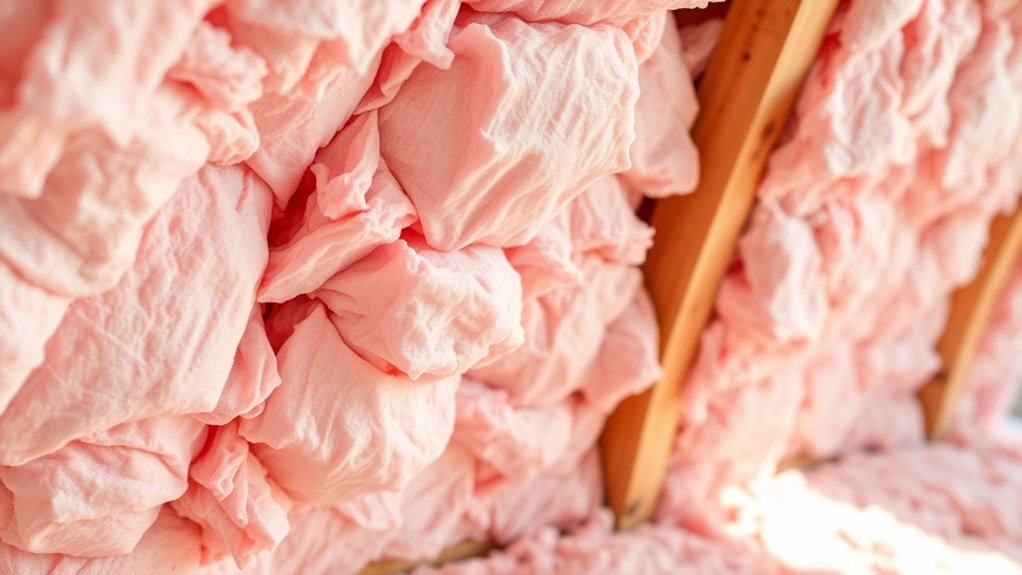
When you notice signs of over-insulation, such as persistent humidity, mold growth, or difficulty maintaining comfortable indoor temperatures, it’s time to contemplate bringing in insulation professionals. They can assess your home’s thermal resistance and determine if your current insulation types are appropriate. Professionals understand that more isn’t always better; they evaluate whether your insulation effectively balances energy efficiency with proper ventilation. If your home is too tightly sealed, it can trap moisture and cause issues. Insulation experts will conduct thorough inspections and recommend suitable types—like spray foam, fiberglass, or cellulose—that match your climate and home design. Knowing when to seek professional advice ensures your insulation works for you, not against you, preventing costly mistakes.
Frequently Asked Questions
Can Over-Insulation Increase Energy Bills?
Yes, over-insulation can increase your energy bills because it may trap moisture and reduce ventilation, leading to higher heating and cooling costs. Additionally, excessive insulation can raise insulation costs initially. It can also negatively impact indoor air quality by limiting airflow, causing indoor pollutants to accumulate. So, more insulation isn’t always better—finding the right balance helps optimize energy efficiency and indoor comfort without unnecessary expenses.
How Can I Tell if My Home Is Over-Insulated?
You can tell if your home is over-insulated by noticing ventilation concerns like poor air circulation or excess moisture. Check insulation density—if it’s overly thick and restricts airflow, it might be too much. Additionally, if you experience mold, condensation, or stuffy rooms despite heating and cooling efforts, these are signs you may have over-insulated, which can trap moisture and hinder proper ventilation.
Does Insulation Type Affect the Risks of Over-Insulation?
Yes, insulation type affects over-insulation risks. For example, spray foam can trap moisture, leading to mold and damage if overused, while fiberglass allows for better moisture management but can still cause ventilation concerns if excessive. You need to balance insulation with proper ventilation to prevent moisture buildup. Choosing the right type for your home and climate can reduce risks like insulation moisture issues and ventilation concerns.
Are There Specific Climates Where More Insulation Is Harmful?
Yes, in colder climates, adding too much insulation can cause climate mismatch and insulation misapplication, trapping moisture and increasing mold risk. Conversely, in warm or humid areas, excessive insulation might prevent proper ventilation, leading to heat buildup and condensation issues. You should consider your local climate carefully before installing extra insulation, ensuring it’s suited to your environment to avoid these problems and maximize energy efficiency.
What Are Long-Term Consequences of Excessive Insulation?
You might not realize it, but excessive insulation can lead to a thermal imbalance, causing your home to trap too much heat or cold. Over time, this can promote moisture buildup, leading to mold and structural damage. In fact, about 60% of home moisture issues stem from improper insulation. Long-term, this weakens your home’s integrity and increases energy costs, making it vital to find the right insulation level for your climate.
Conclusion
Remember, piling on insulation like a snowstorm can trap moisture and block fresh air, turning your cozy home into a damp cave. Think of insulation as a delicate garden—you need the right balance of warmth and ventilation to thrive. When in doubt, call in the pros before your home becomes a fortress of problems. With the right approach, your home stays a warm, breathable haven—beautiful and safe, just like a well-tended garden in full bloom.