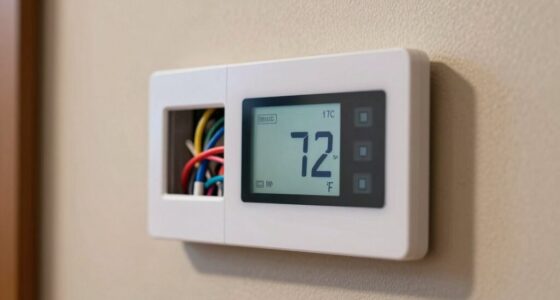

To perform a simple draft test with everyday items, gather household objects like paper, tissue, or a lightweight fabric. Turn off electronics, close windows, and clear your testing area for accuracy. Hold the paper or tissue near potential leak spots such as windows, doors, or outlets, and feel for breezes or temperature changes. Listen for sounds like whistling, and use clues like uneven heating or cooling. Keep going as you uncover easy ways to improve your home’s comfort.
Key Takeaways
- Use household items like tissue, paper, or lightweight fabric to detect airflow around windows and doors.
- Light a candle or lighter and move it near potential gaps to observe movement or flickering indicating drafts.
- Feel with your hand for breezes or temperature differences around entry points to identify leaks.
- Conduct the test in a controlled environment by closing windows and silencing electronics to improve accuracy.
- Document areas with air movement or drafts for targeted sealing and insulation improvements.

National Geographic Mega Science Lab with 75 Experiments for Kids 8-12
- Three-in-One Science Kit: Includes Earth, chemistry, and magic experiments
- 75 Experiments Included: Popular experiments plus 30 household science activities
- Explore Earth Sciences: Build volcanoes, grow crystals, and find fossils
As an affiliate, we earn on qualifying purchases.
Gather Household Items for the Draft Test
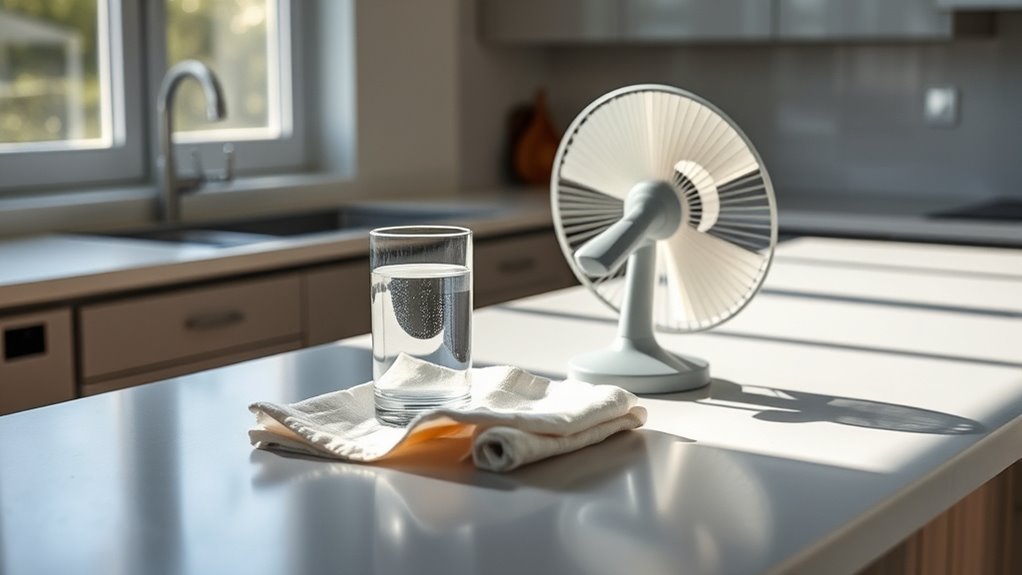
Before you begin the draft test, gather a variety of household items that are lightweight and easy to handle. Use these DIY tips and household hacks to simplify the process. Look for common objects like paper, plastic bags, or lightweight fabric pieces. These items help you detect drafts without needing special tools. Keep things organized in a small container or basket, so you can easily grab what you need. Remember, the goal is to identify where air enters your space, so choose items that are portable and simple to maneuver. Using everyday household items makes the draft test accessible, cost-effective, and straightforward. Additionally, considering the use of Suprem fabric can provide insights into how well your home insulation resists drafts and maintains climate control, ensuring your space stays comfortable and energy-efficient. This approach ensures you’re ready to pinpoint drafts quickly, setting the stage for effective sealing and improved energy efficiency.
Sntieecr Electric Circuit Motor Kit, Science Experiment Educational Kit
- Complete Circuit Kit: Includes wires, bulbs, motors, switches, and accessories
- Educational STEM Toy: Encourages science learning and creativity in kids
- Versatile Application: Suitable for school projects and home experiments
As an affiliate, we earn on qualifying purchases.
Set Up Your Space for Better Results

Start by clearing your surface to create a clean, focused area for your test. Minimize distractions around you to help maintain your concentration. A well-prepared space boosts your chances of getting accurate and consistent results. Additionally, organizing your space can reduce clutter and make the testing process more effective.
Clear Surface Preparation
A clean, organized surface is essential for accurate test results. Before testing for drafts, clear away clutter and dust to prevent interference. A tidy area helps you focus and ensures your measurements are precise. Pay special attention to areas around window insulation and door sealing, as these are common draft sources. When your space is neat, you can better identify leaks and drafts with confidence. Use this table to visualize your setup:
| Clutter-Free Zone | Focused Testing Area | Confidence Boost |
|---|---|---|
| Less distraction | Clear view of gaps | Accurate results |
| Better detection | Faster setup | Peace of mind |
| Improved focus | Precise placement | Reliable findings |
| Less mess | Easier adjustments | Confidence in results |
| Clean surface | Better assessment | Satisfaction achieved |
A tidy space makes your draft test more effective and enjoyable. Additionally, maintaining a well-organized workspace enhances your overall efficiency during home improvement projects.
Minimize Distractions
To get accurate draft readings, you need to minimize distractions in your testing area. Noise reduction is essential—turn off or silence devices, close windows, and choose a quiet space. This helps you stay focused on the task and prevents external sounds from skewing your results. Additionally, improve your visual focus by clearing clutter and setting up a simple background. A clean, unobstructed space reduces visual distractions, allowing you to concentrate fully on the draft test. Keep your testing area organized and free of unnecessary items. By controlling noise levels and creating a visually calming environment, you’ll improve your accuracy and consistency. Minimizing distractions ensures you can accurately assess drafts using everyday items, making your results more reliable. Incorporating a dedicated, peaceful workspace can further enhance your concentration and overall testing accuracy.

National Geographic Earth Science Kit with 100+ Activities for Kids 8-12
- Extensive Science Activities: Over 15 experiments including volcanoes and tornadoes
- Shareable Science Kit: Suitable for multiple kids, family, or friends
- Educational Learning Guide: Full-color guide explains the science behind experiments
As an affiliate, we earn on qualifying purchases.
Perform the Draft Test Step by Step

To perform the draft test step by step, start by gathering all the necessary items, like a piece of paper and a lighter or candle. Then, follow the instructions carefully to conduct the test and observe the airflow. This straightforward process helps you accurately assess your space’s draft conditions. Additionally, understanding Free Floating airflow principles can improve your ability to interpret the results effectively.
Gather Necessary Items
Before starting the draft test, gather all the everyday items you’ll need, such as pens, paper, clips, or any materials relevant to your project. You’ll want insulation materials like foam or fabric to simulate walls or windows, and moisture barriers such as plastic sheets to replicate potential leaks. These items help you understand how drafts may enter your space. Use the insulation materials to cover gaps or test different areas, and the moisture barriers to identify spots where moisture might seep through. Having these items ready allows you to conduct a thorough assessment without interruptions. Keep your workspace organized so you can easily access your tools. This preparation ensures your draft test is efficient, accurate, and provides the insights you need to improve your home’s energy efficiency. Additionally, understanding home theatre projector placement and sealing techniques can help prevent drafts from affecting your viewing experience.
Conduct the Draft Test
Begin the draft test by systematically checking each area where drafts might enter. Hold a lit candle, incense stick, or tissue near windows, doors, outlets, and vents, observing airflow patterns. Feel for cool breezes or sudden temperature changes that reveal entry points. Move around your space slowly, paying attention to indoor temperature shifts and airflow changes. Note where drafts are strongest, especially around gaps or poorly sealed spots. Use your hand or a piece of tissue to detect subtle air movement. Be thorough—don’t miss corners or behind furniture. For added accuracy, consider draft detection techniques to better identify problem areas, allowing you to target insulation or sealing efforts effectively. Conducting the draft test this way ensures a clear understanding of how air flows through your home, improving comfort and energy efficiency.

National Geographic Amazing Chemistry Set with 100+ Experiments Ages 8-12
- Number of Experiments: Over 100 experiments to explore
- Complete Kit: Includes all materials for 15 experiments
- Bonus Experiments: 85 additional experiments with household items
As an affiliate, we earn on qualifying purchases.
Watch for Signs of Drafts and Air Leaks

You can often spot drafts and air leaks by paying attention to how your home feels. If certain areas feel noticeably cooler or breezier, air flow is likely entering through gaps. During your inspection, listen for whistling sounds or the faint hum of outside air. Feel around windows, doors, and exterior walls for sudden breezes, especially near electrical outlets or vents. Draft detection becomes easier when you move slowly and stay alert to subtle changes in temperature or sounds. These signs indicate where air leaks might be hiding. Addressing these leaks can improve your home’s energy efficiency and comfort. Keep in mind that even small gaps can cause significant air flow, so thorough observation is key to identifying all potential problem spots. Using simple tools like IR thermometers or smoke pencils can help detect hidden drafts more effectively.
Find Problem Areas in Your Home

To find problem areas in your home, take a systematic approach by inspecting each room carefully. Start with an insulation inspection, checking for gaps, thinning, or missing insulation in walls, attics, and crawl spaces. Look for signs of uneven temperatures or drafts that could indicate poor insulation. Use temperature monitoring tools, like a thermometer or thermal camera, to identify spots where heat escapes or cold air enters. Pay close attention to areas around windows, doors, electrical outlets, and vents. These spots often need sealing or additional insulation. Document any problem areas you find so you can address them later. Regular inspections help ensure your home stays energy-efficient and comfortable, reducing drafts and lowering heating and cooling costs. Incorporating ventilation considerations can also improve airflow and indoor air quality, making your home more comfortable overall.
Improve Ventilation and Seal Drafts Effectively

After identifying problem areas in your home, the next step is to improve ventilation and seal drafts to enhance energy efficiency and indoor comfort. Start by applying window insulation film or weatherproofing techniques around window frames to prevent air leaks. Ensure vents are unobstructed to promote proper airflow, which helps reduce indoor humidity and stale air. Seal gaps around doors and windows with weatherstripping or caulk, effectively blocking drafts. Consider adding draft stoppers to door bottoms and using insulating curtains to further improve insulation. These simple measures not only keep your home warmer in winter and cooler in summer but also lower energy bills. Additionally, proper home insulation plays a crucial role in maintaining consistent indoor temperatures. Consistent use of weatherproofing techniques and window insulation makes your home more comfortable and energy-efficient year-round.
When to Call in a Professional for Help

While many home improvement tasks can be handled with DIY methods, certain situations clearly call for professional assistance. If you encounter persistent drafts despite sealing efforts, it’s time to call in a professional. They have the expertise to identify hidden or complex issues that DIY methods might overlook. Additionally, when working near electrical wiring, structural components, or high places, safety precautions become critical. Attempting repairs without proper knowledge can pose safety risks to you and your home. Professionals can assess the problem thoroughly, ensure proper repairs, and help you avoid future issues. Trusting an expert not only guarantees safety but also ensures the job is done correctly, saving you time and money in the long run. Always prioritize safety and professional help when in doubt.
Frequently Asked Questions
Can I Use Digital Tools Instead of Household Items for the Draft Test?
Yes, you can use digital tools instead of household items for the draft test. Digital tools like apps or online simulators can help you measure airflow or draft strength effectively. However, keep in mind that household items are simple and accessible, making them easy for quick, practical tests. Using digital tools may offer more precise data, but for basic assessments, household items remain convenient and reliable.
How Often Should I Perform the Draft Test to Maintain Energy Efficiency?
You should perform the draft test at least once a season, like a hero on a mission, to keep your home energy-efficient. Incorporate seasonal checks and monthly assessments to identify drafts early. This routine helps you catch leaks before they become major issues. Regular testing ensures your home stays cozy and your energy bills stay low, so don’t skip these essential inspections—your comfort depends on it!
Are There Safety Hazards When Sealing Drafts in My Home?
Sealing drafts in your home can create fire hazards if you block vents or electrical outlets improperly, so always guarantee proper ventilation and professional installation when needed. Additionally, sealing drafts can increase mold risks by trapping moisture, so it’s important to use breathable sealants and monitor humidity levels. Regularly check your seals and maintain good ventilation to keep your home safe and healthy.
What Are the Best Times of Day to Conduct the Draft Test?
You should conduct the draft test during early morning or late evening when indoor and outdoor temperatures differ most, creating ideal conditions for detecting drafts. Timing considerations include avoiding windy days or times when doors and windows are frequently opened. By testing during these periods, you get a clearer picture of where drafts are entering your home. Consistent testing under similar conditions helps you accurately identify and seal leaks effectively.
Can This Method Detect Hidden or Very Small Air Leaks Effectively?
Yes, this method can effectively detect hidden or very small air leaks through air leak detection, but its leak size accuracy has limitations. You might miss tiny leaks if they don’t cause noticeable draft changes. To improve results, guarantee a well-sealed environment and use the test in ideal conditions. While it’s good for general detection, for pinpoint accuracy on small leaks, consider more specialized equipment.
Conclusion
By using everyday items to detect drafts, you can identify problem areas, improve your home’s comfort, and save energy. You can seal leaks, enhance ventilation, and create a cozy environment. You can prevent cold drafts, reduce energy bills, and increase your home’s efficiency. You can take control of your space, make informed decisions, and enjoy a warmer, more comfortable home every day. Remember, small steps lead to big improvements—start testing today and reclaim your comfort.