A heat pump transfers heat between your home and the outside air, ground, or water, providing efficient heating and cooling with a refrigerant cycle that absorbs and releases heat. There are different types like air-source, ground-source, and water-source systems, each suited to specific needs. They save energy, reduce costs, and are environmentally friendly. If you’re curious how they work and if they fit your home, you’ll find useful facts below.
Key Takeaways
- Heat pumps transfer heat between indoors and outdoors, providing both heating and cooling efficiently.
- They rely on a refrigerant cycle that absorbs and releases heat, changing states from liquid to gas.
- Types include air-source, ground-source, and water-source, each suited to different climates and conditions.
- Proper sizing, installation, and maintenance are essential for optimal performance and energy savings.
- While effective, cold climates may require supplementary heating and higher upfront costs.
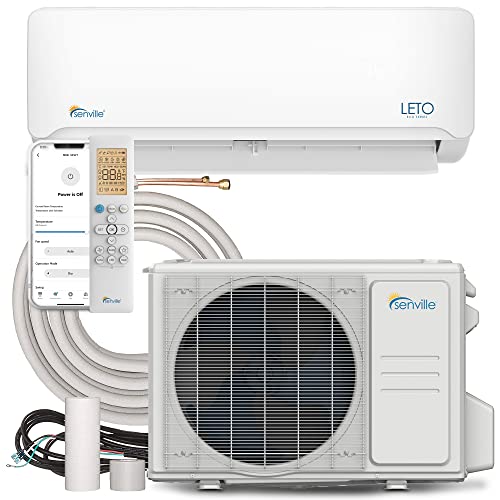
Senville LETO Series Mini Split Air Conditioner Heat Pump, 9000 BTU 110/120V, Inverter, Works with Alexa, SEER2 21.5, White
Alexa Enabled Mini Split AC/Heating System: Seamlessly integrate with voice control or app, allowing you to adjust your…
As an affiliate, we earn on qualifying purchases.
As an affiliate, we earn on qualifying purchases.
How Do Heat Pumps Work? A Simple Explanation
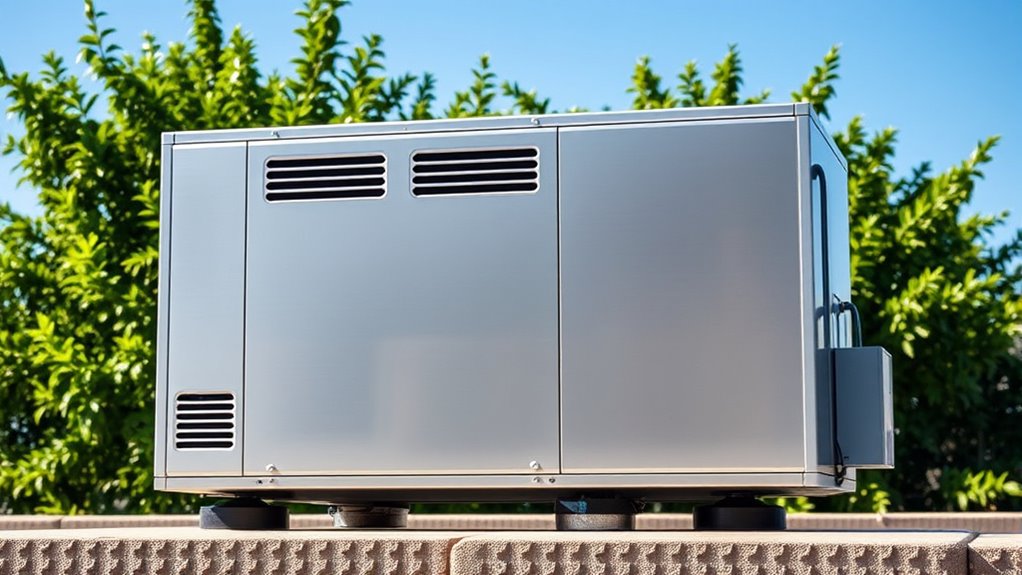
Heat pumps work by transferring heat from one place to another, even in cold weather. This process relies on the refrigerant cycle, where a special fluid absorbs heat from outside air and releases it inside your home. The refrigerant circulates through a series of coils, changing states from liquid to gas and back, which enables efficient heat transfer. When the outside air is cold, the refrigerant absorbs heat and becomes a gas, then is compressed to increase its temperature. The warm refrigerant releases heat inside and cools down, returning to its liquid state. This continuous cycle allows heat pumps to efficiently move heat indoors, providing warmth during winter and cooling in summer. The refrigerant cycle is essential for the heat transfer process that makes heat pumps effective. Additionally, advancements in projector technology have improved the efficiency and performance of modern heat pumps.

Geothermal Heating and Cooling: Design of Ground-Source Heat Pump Systems
As an affiliate, we earn on qualifying purchases.
As an affiliate, we earn on qualifying purchases.
What Are the Main Types of Heat Pumps?
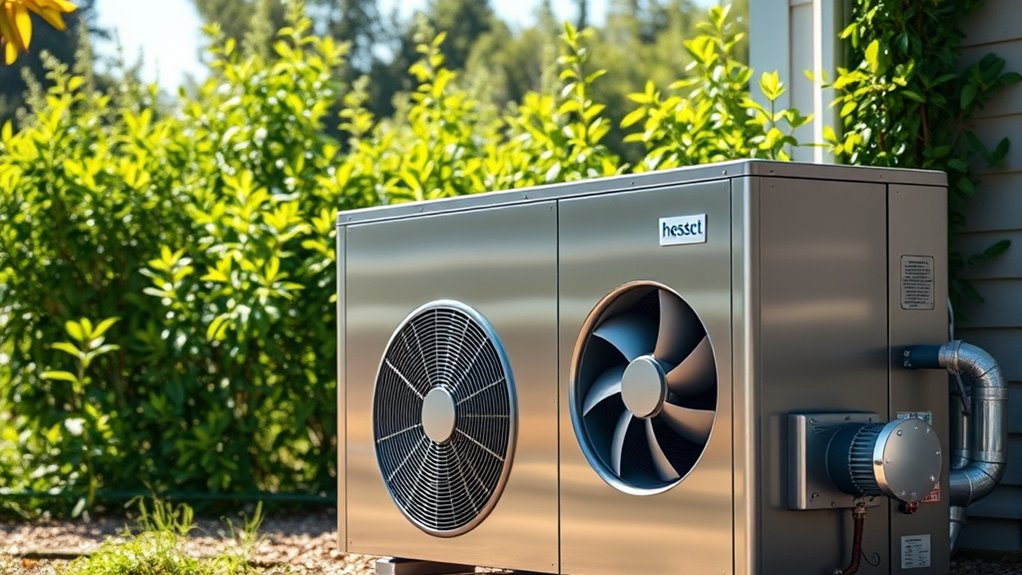
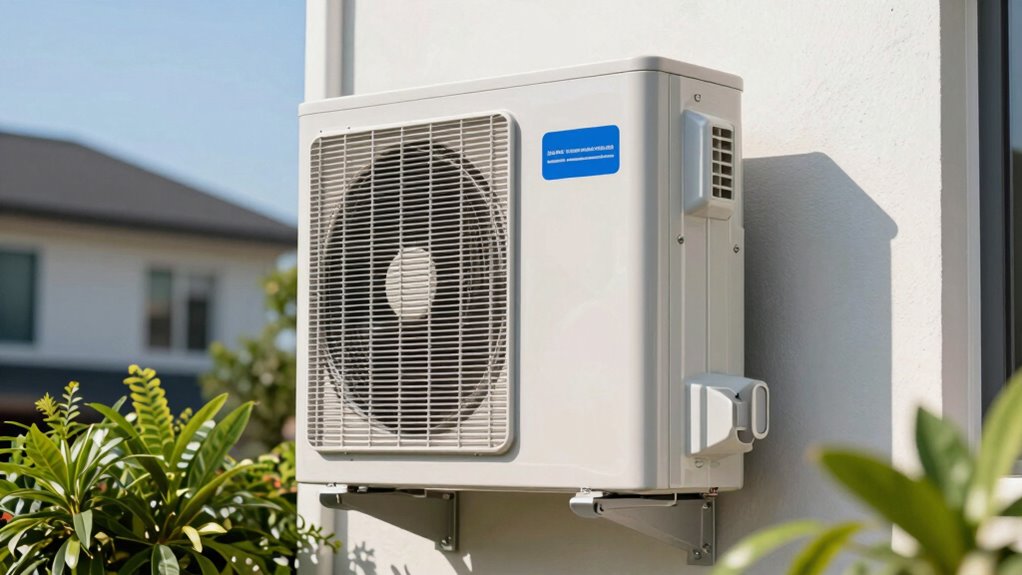
There are three main types of heat pumps: air-source, ground-source (geothermal), and water-source. Air-source heat pumps transfer heat between your home and the outside air. Ground-source systems, also called geothermal, use stable underground temperatures for efficiency. Water-source pumps extract heat from lakes, ponds, or wells, often connected to air-to-water systems. Additionally, European cloud innovation emphasizes the importance of sustainable and efficient heating technologies like heat pumps.

CAMPLUX Portable Propane Water Heater & Pump Kit, 1.32 GPM Tankless Gas Shower System with 12V Pump, Long Power Cables & Extension Hoses, Instant Hot Water for Off-Grid Camping, RV, AY132P43, White
Complete Off-Grid Kit (Pump Included)- Stop searching for parts. This Pro Kit includes everything needed for a real…
As an affiliate, we earn on qualifying purchases.
As an affiliate, we earn on qualifying purchases.
Why Should You Consider Installing a Heat Pump?
Installing a heat pump is a smart choice because it offers an energy-efficient way to heat and cool your home all year round. When comparing costs, heat pumps often have a lower overall operating expense than traditional systems, saving you money over time. The installation process is straightforward, especially with professional help, and many units can replace existing heating and cooling systems seamlessly. Plus, heat pumps provide both functions in one unit, reducing the need for separate systems. They’re environmentally friendly, using less energy and producing fewer emissions. If you want to cut energy costs without sacrificing comfort, a heat pump is a practical investment. Its reliability and efficiency make it a compelling option for homeowners looking to upgrade their HVAC system. Trusted business listings can help you find qualified professionals for installation and maintenance.

VIVOHOME 110V 1/3 HP 4CFM Single Stage Rotary Vane Air Vacuum Pump and R134a AC Manifold Gauge Set Kit with Leak Detector Carry Bag for HVAC Air Conditioning Refrigeration Recharging ETL Listed
HIGH-PERFORMANCE 4 CFM VACUUM PUMP: Single-stage rotary vane pump delivers fast, deep evacuation for automotive and home HVAC…
As an affiliate, we earn on qualifying purchases.
As an affiliate, we earn on qualifying purchases.
What Are the Limitations of Heat Pumps?
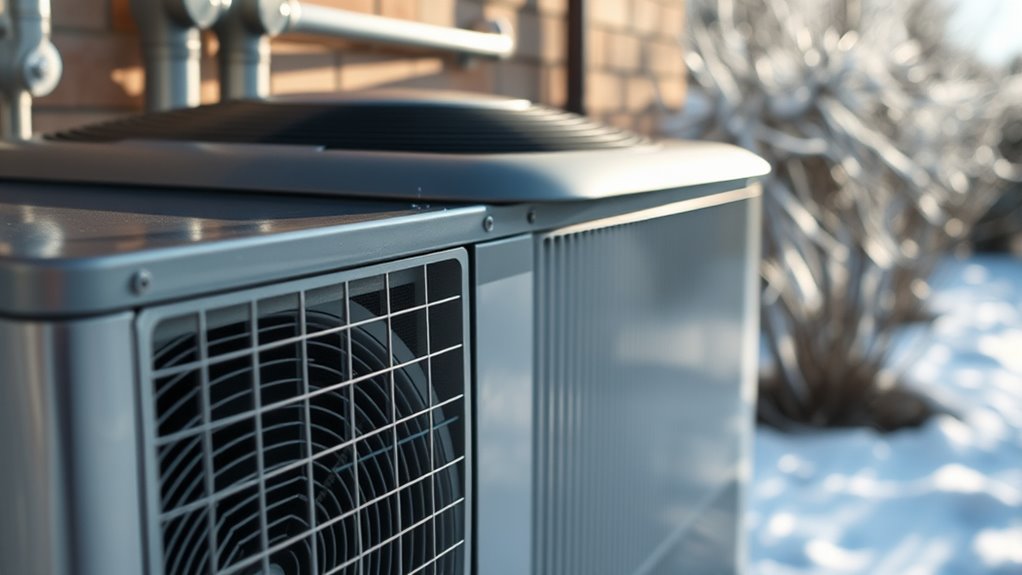
While heat pumps offer many advantages, they do have certain limitations to contemplate. First, cost considerations can be significant, especially for high-efficiency models or larger systems. They tend to have higher upfront costs compared to traditional heating systems, though savings over time may offset this. Second, installation challenges can arise, particularly in older homes or those with complex ductwork, requiring professional expertise and potentially increased expenses. Third, performance drops in extremely cold weather conditions, which can reduce heating efficiency and comfort. You might find that in freezing temperatures, heat pumps struggle to keep up without supplemental heating. Additionally, reliable backup power options may be necessary during outages or very cold days to maintain comfort. Understanding these limitations helps you decide if a heat pump suits your home and budget—careful planning guarantees you get the best value.
How Can You Tell if a Heat Pump Fits Your Home?
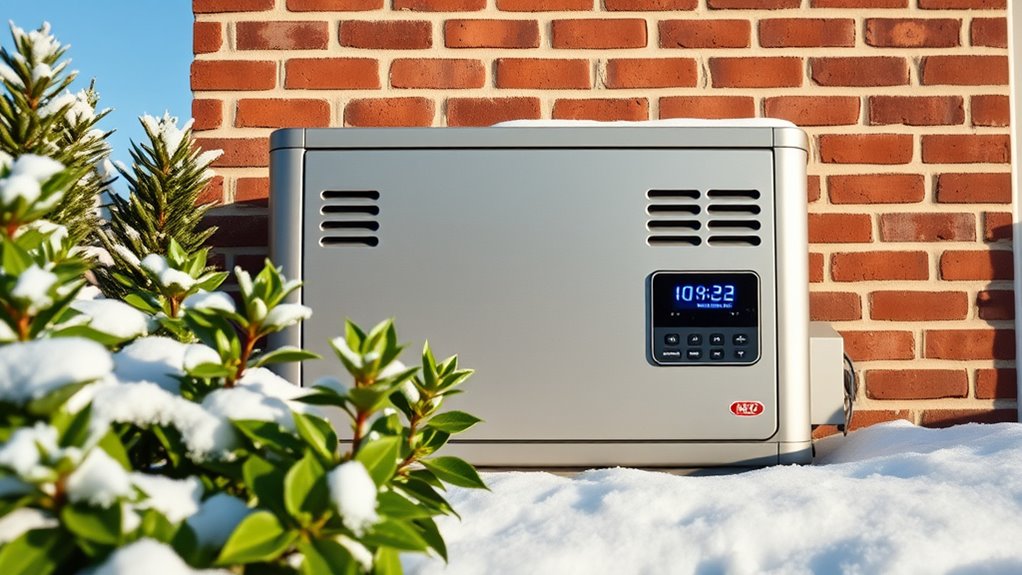
To see if a heat pump suits your home, start by considering its size and whether it can handle your space effectively. Climate factors also matter—some models work better in milder weather, while others perform well in colder temperatures. Additionally, think about your energy efficiency goals to choose a unit that meets your needs without wasting power. Understanding pool terminology can help you better evaluate different heat pump options and their suitability for your setup.
Home Size Compatibility
Determining if a heat pump is the right size for your home is essential to guarantee efficient heating and cooling. To assess this, consider your home size and room layout. First, measure the total square footage of your living space; larger homes need higher capacity units. Second, evaluate the room layout—open floor plans may require different sizing than segmented spaces. Third, think about insulation quality and window placement, as these affect heating and cooling loads. An undersized heat pump won’t keep your home comfortable, while an oversized one can lead to short cycling and energy waste. Proper sizing ensures ideal performance, energy efficiency, and comfort. Consulting a professional for a load calculation can help you choose the right size based on your specific home size and room layout. Additionally, understanding your home’s energy efficiency can influence the most suitable heat pump size for optimal operation.
Climate Suitability Factors
Is your home’s climate suitable for a heat pump? Climate zone and temperature range are key factors. Heat pumps work best in moderate climates, typically zones 3-5, where winter lows stay above freezing. If you live in a colder zone, advanced models can still perform but may need supplemental heating. Check your local climate zone and compare it to the heat pump’s specifications. Understanding polynesian symbols for strength can also help in assessing the resilience of your heating system against extreme weather conditions.
Energy Efficiency Needs
Understanding your home’s energy efficiency needs helps you decide if a heat pump is the right choice. To determine fit, consider these factors:
- Your current energy use and potential for improved efficiency through renewable energy options.
- The insulation quality of your home, which affects how well a heat pump can maintain comfort.
- Long-term cost savings, since efficient heat pumps lower energy bills and reduce reliance on fossil fuels.
- The availability of energy-efficient appliances that can complement your heat pump system for optimal performance.
If your house is well-insulated and you’re interested in sustainable solutions, a heat pump can be a smart investment. It aligns with renewable energy goals while providing cost-effective heating and cooling. Evaluating these needs guarantees you choose a system that maximizes efficiency and savings.
How Do You Maintain a Heat Pump for Longevity?
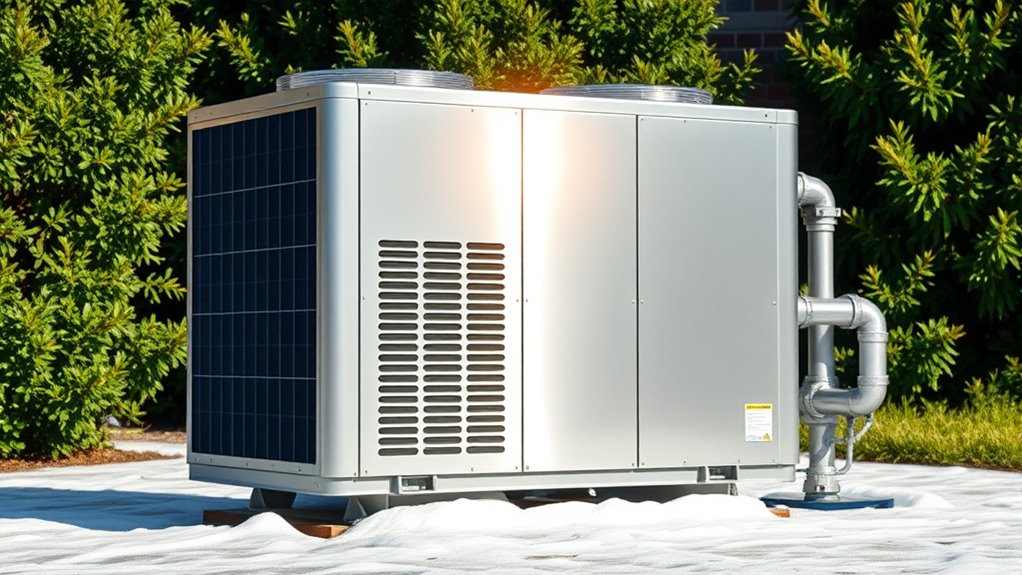
Regularly maintaining your heat pump is crucial to guarantee it operates efficiently and lasts for years. To boost longevity, follow simple maintenance tips like replacing filters regularly, cleaning coils, and scheduling professional inspections. These actions address key longevity factors, preventing issues before they arise. Additionally, staying informed about the types of air purifiers can help optimize your indoor environment and reduce strain on your heating and cooling systems.
What Should You Know Before Buying a Heat Pump?
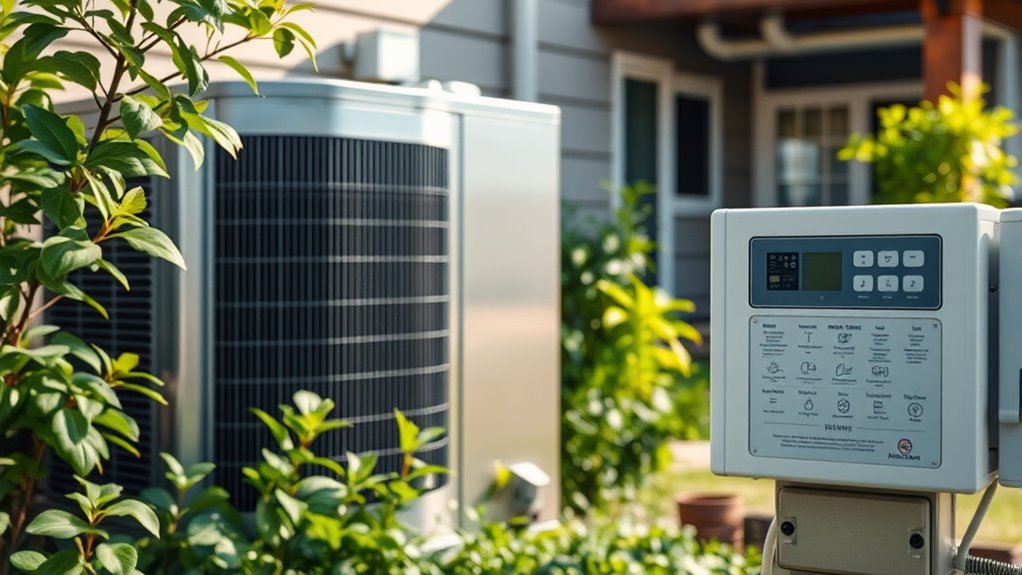
Before purchasing a heat pump, it’s vital to take into account your home’s size, layout, and climate to make certain you select the right system. Knowing what to expect helps you avoid costly mistakes. Consider these key factors:
- Cost comparison: Evaluate upfront costs versus long-term savings, including energy bills and maintenance expenses.
- Installation process: Understand that installation quality impacts performance and lifespan; professional installation is essential.
- Compatibility: Make sure the heat pump matches your home’s heating and cooling needs, especially in extreme climates.
Frequently Asked Questions
What Is the Typical Lifespan of a Heat Pump?
A heat pump typically lasts 10 to 15 years with proper maintenance. To maximize its lifespan and energy efficiency, you should regularly change filters, keep the outdoor unit clear of debris, and schedule annual professional check-ups. Proper maintenance helps prevent breakdowns and ensures your system runs smoothly, saving you money on energy bills. Staying proactive extends your heat pump’s life, so you get the most value out of your investment.
How Much Does a Heat Pump Cost to Install?
You’ll likely spend between $3,500 and $8,000 for a heat pump installation, depending on your home’s size and system type. The cost comparison shows that heat pumps can be more economical over time due to energy efficiency. During the installation process, a professional evaluates your home’s needs, prepares the space, and sets up the system. Keep in mind, upfront costs vary based on system complexity and local labor rates.
Are Heat Pumps Environmentally Friendly?
Heat pumps are environmentally friendly because they reduce your carbon footprint by up to 50% compared to traditional heating systems. With over 70% of their energy sourced from renewable energy, they substantially lower greenhouse gas emissions. By choosing a heat pump, you’re investing in sustainable technology that cuts pollution and conserves resources, making your home more eco-friendly without sacrificing comfort.
Can Heat Pumps Be Used in Extremely Cold Climates?
Yes, heat pumps can work in extremely cold climates. Modern models feature frost resistance and enhanced cold weather performance, allowing them to operate efficiently even below freezing temperatures. You’ll find that advancements in technology help prevent frost buildup and maintain warmth. While their efficiency might decrease slightly in extreme cold, many systems are designed specifically for such conditions, making them a reliable choice for year-round heating in harsh winter environments.
What Warranties Are Usually Available for Heat Pumps?
Most heat pumps come with warranty coverage that typically lasts between 5 to 10 years, depending on the manufacturer and model. You should check the warranty duration, which often covers parts like the compressor and coils, giving you peace of mind. Keep in mind that warranty coverage may require regular maintenance and proper installation, so always review the specific terms offered by your provider to guarantee full protection.
Conclusion
Think of a heat pump like a skilled chef who keeps your home cozy, no matter the season. When I installed mine, I was amazed how it efficiently warmed my house during winter and cooled it in summer—saving money and energy. Just like a trusted recipe, regular maintenance guarantees it stays in top shape. With a little knowledge and care, your heat pump can serve your home well, season after season, without the hype.