Peak rates cause your energy costs to double during times of high demand, when utility companies face increased expenses from running less efficient power sources or relying on backup generators. These rates are calculated based on system usage patterns and typically happen during hot summers or cold winters. Weather and seasonal changes influence demand spikes, pushing prices up. To better understand how to manage these costs, discover ways to monitor and adjust your energy use effectively.
Open a free Amazon Business account
Business pricing, bulk buying and tax-exempt orders.
As an affiliate, we earn on qualifying purchases.
Key Takeaways
- Peak rates are higher energy charges during periods of maximum demand to manage grid stress.
- Energy costs can double during peak times due to reliance on expensive power sources and increased consumption.
- Peak periods are identified through demand data, often during extreme weather or seasonal spikes.
- Technologies like smart meters and demand response enable consumers to avoid or reduce peak rate costs.
- Preparing for doubled energy costs involves shifting usage, investing in renewables, and participating in demand programs.
smart energy monitor for peak demand
As an affiliate, we earn on qualifying purchases.
As an affiliate, we earn on qualifying purchases.
What Are Peak Rates and Why Do They Matter?

Have you ever wondered why electricity costs more during certain times of the day? That’s where peak rates come in. They are part of tariff structures designed to manage energy consumption during high-demand periods. Utilities use demand response programs to encourage consumers to reduce usage during these times, helping balance the grid. When demand spikes, energy providers face higher costs to meet the need, and these costs are passed onto consumers through elevated rates. Peak rates serve as an incentive to shift energy use to off-peak times, easing the strain on the system. Understanding these rates helps you make smarter choices about when to run energy-intensive appliances, ultimately saving you money and supporting a more stable energy grid. demand response programs are a key tool that utilities employ to maintain reliable electricity supply during peak periods.
As an affiliate, we earn on qualifying purchases.
What Causes Energy Costs to Spike During Peak Times?

What causes energy costs to spike during peak times? One major factor is increased demand when everyone’s appliances, HVAC systems, and electronics run simultaneously. During these periods, utilities often rely on less efficient, higher-cost power sources, raising prices. Renewable integration can sometimes contribute if renewable supply dips, forcing reliance on expensive backup generators. Additionally, energy storage systems play a role; when stored energy is released during peak hours, it can drive up costs due to the high demand for stored power. These combined factors push energy prices higher, leading to the double or even triple rates seen during peak periods. Understanding these causes helps you see why utility companies implement peak pricing and encourages smarter energy use during these times. Furthermore, technological integration in energy management systems can influence how costs fluctuate during these periods.
As an affiliate, we earn on qualifying purchases.
How Are Peak Rates Calculated, and When Do They Happen?

Peak rates are determined based on your energy usage during specific time periods, which utilities identify as peak. These periods usually occur when overall demand is highest, often during certain hours of the day or seasons of the year. Knowing when these peak times happen and how rates are calculated helps you manage your energy costs more effectively. Understanding energy demand patterns can further assist in optimizing your consumption during off-peak times.
Peak Rate Determination
Determining peak rates involves analyzing system usage data to identify periods of maximum demand. You use demand forecasting techniques to predict when energy consumption will be highest, helping you pinpoint peak times accurately. Rate structures are designed around these demand periods, ensuring costs reflect the actual system stress. To calculate peak rates, you examine historical usage patterns, noting the highest consumption intervals within a billing cycle. These periods often occur during specific times of day or seasons when demand spikes. By analyzing this data, you can set rates that encourage consumers to reduce usage during critical periods. Understanding system demand patterns is essential for effective rate design and load management. The goal is to balance supply and demand efficiently, avoiding overloads and minimizing costs for everyone involved.
Timing of Peak Periods
Timing of peak periods hinges on analyzing real-time and historical usage data to pinpoint when demand reaches its highest levels. Utility companies monitor grid activity continuously, considering factors like weather, time of day, and seasonal trends. Peak periods often occur in early evenings when most people are home, or during extreme weather when heating or cooling demand spikes. The integration of renewable sources adds complexity since their intermittent nature affects grid stability. Accurate timing helps utilities manage supply efficiently, ensuring enough power is available without overloading the system. Identifying these high-demand windows allows for better planning of energy generation and pricing strategies, ultimately balancing consumer needs and maintaining grid reliability during peak times. To improve forecasting, companies often leverage advanced tools and style techniques to better predict demand fluctuations.
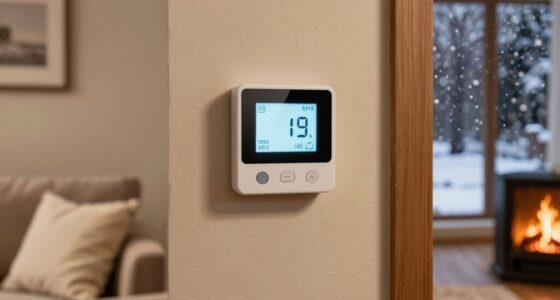
smart thermostat for energy savings
As an affiliate, we earn on qualifying purchases.
As an affiliate, we earn on qualifying purchases.
How Do Weather and Seasons Impact Peak Energy Prices?

Weather and seasons play a significant role in shaping peak energy prices throughout the year. As seasons change, so do weather patterns, leading to seasonal fluctuations in energy demand. During cold winters, you’ll see a spike in heating needs, causing prices to rise as demand peaks. Conversely, hot summers increase air conditioning use, also driving up costs. Mild seasons typically see lower energy consumption, keeping prices stable. Rapid weather shifts, like sudden cold snaps or heatwaves, can cause abrupt increases in demand, pushing prices higher temporarily. These seasonal fluctuations are predictable but can vary based on regional climate. Additionally, the performance of home theatre projectors can be affected by ambient lighting conditions caused by seasonal changes, influencing your viewing experience. Understanding how weather and seasons influence energy use helps you anticipate peak rates and better plan your energy consumption to save money.
Why Do High Demand Periods and Events Drive Up Costs?

High demand periods and special events can markedly boost energy prices because electricity providers need to meet the increased consumption quickly. During these times, grid stress rises, requiring faster responses like activating peaking plants or relying on stored energy. Incorporating renewable integration and energy storage helps manage these surges efficiently, reducing costs. When demand spikes, energy storage can release stored power, easing pressure on the grid and avoiding expensive peak generation. Meanwhile, renewable sources contribute to a cleaner, more flexible system, especially during high-demand events. This combination helps balance supply and demand, but prices still surge because the system must often operate at maximum capacity. Additionally, grid management strategies play a vital role in mitigating these cost spikes by optimizing resource deployment during peak times.
How Do Utility Companies Set and Change Peak Pricing?

Utility companies adjust peak pricing based on specific triggers like demand spikes or changes in supply costs. They also update rates during designated time periods to encourage off-peak usage. Understanding these triggers and schedules helps you anticipate when rates might increase or decrease. Additionally, monitoring user interactions can provide insights into how pricing strategies impact consumer behavior.
Pricing Adjustment Triggers
Utility companies set and adjust peak pricing based on real-time energy demand and supply conditions. When demand fluctuates unexpectedly, they review data from grid operators and weather forecasts to determine if prices need to change. These triggers help maintain pricing stability during normal conditions, but they also respond quickly to unusual demand spikes or drops. For instance, during heatwaves or cold snaps, demand surges, prompting immediate price adjustments to reflect higher resource costs. Conversely, when demand wanes, prices may decrease to prevent unnecessary strain on the grid. By monitoring these demand fluctuations closely, utility companies ensure that peak rates are fair, responsive, and aligned with current energy supply levels, balancing consumer costs and grid reliability effectively. Heatwaves and cold snaps can significantly impact energy demand, triggering these pricing adjustments.
Time-Based Rate Changes
To set and adjust peak pricing effectively, companies rely on predefined time blocks that reflect when energy demand is typically highest. Demand forecasting plays a vital role in determining these periods, helping utilities predict when usage spikes occur. Based on this data, they establish rate structures that incentivize consumers to shift usage away from peak times. When demand forecasts show increased consumption during specific hours, utility companies may implement time-based rate changes to encourage off-peak usage. These adjustments are communicated well in advance, allowing consumers to adapt their energy habits accordingly. By continuously analyzing demand patterns and refining their rate structures, utilities can better manage grid stability and energy costs, ensuring that peak rates accurately reflect the real-time cost of supplying electricity. Additionally, integrating smart home technology can help consumers monitor and optimize their energy use in response to these rate changes.
What Are Some Effective Ways to Manage Peak Energy Costs?

Managing peak energy costs effectively requires proactive strategies to reduce consumption during high-demand periods. One key approach is participating in demand response programs, where you adjust your usage during peak times to lower costs. Installing energy storage systems allows you to store energy when rates are low and use it during expensive periods, minimizing expenses. Additionally, scheduling high-energy tasks for off-peak hours helps avoid steep charges. Upgrading to energy-efficient appliances reduces overall consumption, easing the load during peak times. Lastly, monitoring your energy usage regularly helps identify patterns, enabling smarter decisions to avoid high rates. Combining demand response, energy storage, and smart scheduling can significantly cut your peak energy costs and make your energy bills more predictable.
Which Tools and Technologies Help Monitor Peak Rate Periods?

What tools and technologies can help you keep track of peak rate periods? Smart meters are essential, providing real-time energy usage data directly from your utility provider. They help you see when your consumption spikes, making it easier to identify peak periods. Additionally, energy dashboards compile data from smart meters into user-friendly displays, allowing you to monitor your energy consumption over time. These dashboards often include alerts or notifications for upcoming peak times, helping you adjust your usage accordingly. Mobile apps linked to smart meters and energy dashboards give you instant access to your energy data, so you can stay informed no matter where you are. Together, these tools empower you to monitor peak rate periods effectively and make smarter energy decisions.
How Can You Prepare for Energy Costs That Double During Peak Times?

Monitoring your energy use with smart meters and dashboards helps you spot when consumption spikes during peak times. To prepare for doubled energy costs, consider these strategies:
Using smart meters helps you identify peak energy spikes and plan cost-saving strategies.
- Participate in demand response programs to reduce usage during peak periods, lowering costs.
- Shift high-energy tasks, like laundry or running appliances, to off-peak hours.
- Invest in renewable energy sources, such as solar panels, to offset peak-rate consumption.
- Optimize your systems to support renewable integration, making it easier to manage demand and avoid high rates.
Frequently Asked Questions
Can Residential Customers Be Billed Differently During Peak Hours?
Yes, you can be billed differently during peak hours through time of use pricing and demand response programs. These programs encourage you to shift energy usage to off-peak times, reducing costs. During peak hours, energy prices increase, so you’re charged more if you use electricity then. Participating in demand response can also help lower your bills by reducing consumption during high-demand periods.
Do Peak Rates Apply to All Types of Energy Consumers Equally?
Think of peak rates as a spotlight shining brighter on certain energy users. They don’t apply equally; some might face higher costs during peak hours due to time of use tariffs and demand charges, while others pay standard rates. Larger consumers or those with high demand often shoulder more of the burden, as demand charges reflect their contribution to peak load, making the rate structure uneven based on consumption patterns.
Are There Legal Regulations Governing Peak Rate Implementations?
Yes, there are legal regulations governing peak rate implementations. You should be aware that tariff structures are often regulated by pricing regulations to guarantee fair and transparent practices. These regulations typically define how peak rates are applied, preventing unfair pricing and protecting consumers. It’s important to stay informed about local laws, as they can vary by region, and ensure your energy provider complies with these legal standards.
How Do Renewable Energy Sources Influence Peak Pricing Strategies?
Renewable energy sources like solar act as a breeze in the storm of peak pricing strategies. They reduce demand during peak times, helping you dodge higher costs. Solar incentives encourage you to harness this power, while grid modernization guarantees your energy flow remains smooth and reliable. By embracing renewables, you turn the tide, making peak rates less intimidating and more predictable, saving you money and supporting a cleaner environment.
Can Energy Storage Systems Help Mitigate Peak Rate Costs?
Yes, energy storage systems can help you reduce peak rate costs. They allow you to store energy during off-peak times and use it during peak hours, aligning with time of use rates. This decreases your demand charges and balances your energy consumption. By managing when you draw power from the grid, you can save money and avoid costly peak rate increases during high-demand periods.
Conclusion
Understanding peak rates is like having a map for charting a busy city street—knowing when traffic jams hit helps you steer clear. By staying informed and using smart tools, you can dodge the worst of the cost spikes. Think of it as riding a wave instead of getting caught in a storm—you’re in control, riding smoothly through fluctuating energy prices. With awareness, you can keep your energy costs steady and avoid being swept away by surprise charges.
Flea & tick season Picks
flea and tick prevention
As an affiliate, we earn on qualifying purchases.