Your ceiling is a common hidden culprit for heat loss during winter. Small gaps, poor insulation, or settling insulation can let warm air escape, making your heating system work harder and raising your bills. Sealing leaks with weatherstripping and upgrading insulation can keep more warmth inside. By addressing these issues, you’ll create a warmer, more efficient space. Curious about how to pinpoint and fix these hidden leaks? Keep exploring to find out more.

Prime made for students and young adults
- Fast, free delivery for dorm and study essentials
- Prime Video and Amazon Music included
- Member-only deals
Key Takeaways
- Hidden gaps and poorly sealed fixtures in the ceiling can significantly increase heat loss.
- Insufficient or settling insulation reduces thermal resistance, allowing warm air to escape.
- Small cracks around vents, outlets, and ceiling junctions act as major pathways for heat leakage.
- Uninsulated or compressed insulation diminishes effectiveness, leading to higher energy bills.
- Addressing air leaks and upgrading insulation creates a quick, cost-effective way to improve heat retention.
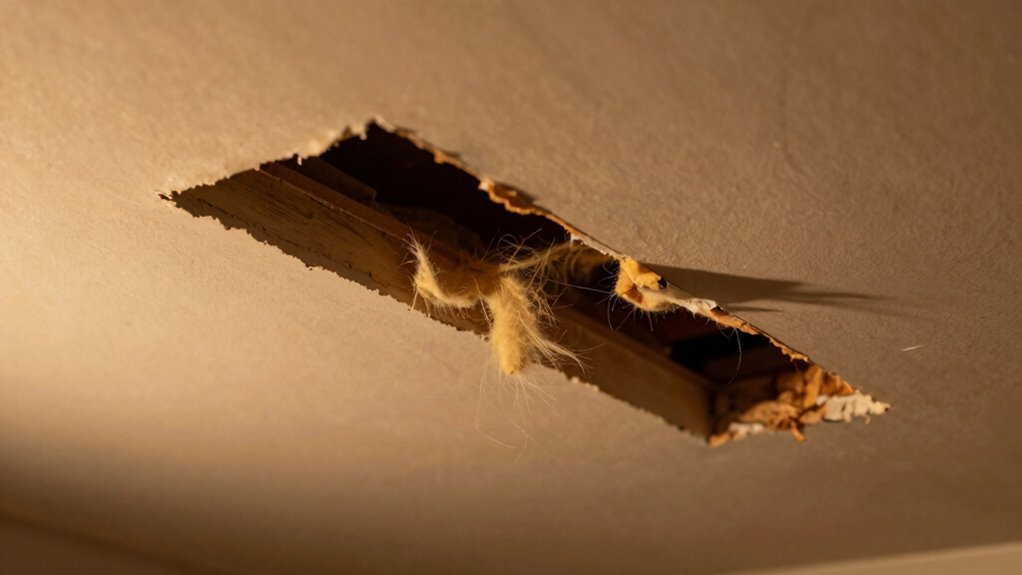
Have you ever wondered why your energy bills are higher than expected during winter? It’s frustrating to see costs climb, especially when you’re doing everything you can to stay warm. The answer often lies in the heat loss happening in your ceiling. Many homeowners overlook this area, but it plays a vital role in maintaining your indoor temperature. When your ceiling isn’t properly insulated or if there’s considerable air leakage, heat escapes more easily, forcing your heating system to work overtime.
Proper ceiling insulation and sealing reduce heat loss, keeping your home warmer and energy bills lower during winter.
Insulation effectiveness is key here. If your ceiling insulation isn’t up to par or has settled over time, it won’t trap enough warm air inside. This means heat rises and slips through gaps and poorly insulated spots, creating cold spots and increasing your energy consumption. Even a small decrease in insulation quality can have a big impact on your heating bills. It’s not just about adding more insulation; it’s about ensuring that the existing insulation is properly installed and free of gaps. When insulation isn’t uniformly distributed or becomes compressed, its ability to resist heat transfer diminishes, making your home less energy-efficient.
Air leakage is another major culprit. Cracks around light fixtures, vents, electrical outlets, or gaps where the ceiling meets the walls can allow warm air to escape and cold air to seep in. This constant exchange forces your heating system to run longer to maintain a comfortable temperature. You might not notice these leaks at first, but they profoundly contribute to heat loss. Sealing these gaps with weatherstripping or caulking is a simple yet effective step you can take. It’s surprising how much air can leak through tiny openings, and sealing them can drastically improve your ceiling’s overall insulation effectiveness. Understanding the impact of air leakage can help you prioritize areas that need attention.
Neglecting these issues creates a shortcut for heat loss, which often goes unnoticed until your energy bills spike. Improving insulation and sealing air leaks in your ceiling isn’t just about saving money; it’s about creating a warmer, more comfortable home. When you address these problems, you enhance the insulation effectiveness and reduce air leakage, leading to less heat escaping and less work for your heating system. In the end, it’s a straightforward fix that delivers long-term benefits, making your winter months cozy and your bills more manageable. Don’t overlook your ceiling—fixing these hidden leaks can make a noticeable difference in how warm your home truly feels. Additionally, understanding the importance of insulation quality can help you identify areas where your home is losing heat and take targeted action.
As an affiliate, we earn on qualifying purchases.
Frequently Asked Questions
How Can I Detect Hidden Heat Leaks in My Ceiling?
You can detect hidden heat leaks in your ceiling using thermal imaging, which shows temperature differences and highlights cold spots. Additionally, perform draft detection by feeling for air movement or using a candle or incense near suspect areas—if the flame flickers, there’s likely a leak. Combining these methods helps you identify and seal leaks effectively, improving energy efficiency and keeping your home warmer.
What Materials Improve Ceiling Insulation Efficiency?
You can improve ceiling insulation efficiency by choosing the right insulation types, like fiberglass, spray foam, or cellulose, which effectively trap heat. Adding reflective barriers can also boost performance by reducing radiant heat transfer. Combine these materials properly, ensuring an airtight seal, to maximize energy savings and keep your home warmer in winter and cooler in summer. Proper installation is key to getting the most out of your ceiling insulation.
Are There DIY Methods to Seal Ceiling Gaps?
Yes, you can DIY seal ceiling gaps effectively. First, turn off your ceiling fan to avoid accidents. Use weatherstripping or caulk to seal small gaps around light fixtures or vents. For larger gaps, consider expanding foam sealant. Make sure to check air ducts and seal any leaks with foil tape or mastic. These simple steps help prevent heat loss, making your home more energy-efficient and comfortable.
How Often Should Ceiling Insulation Be Inspected or Replaced?
You should inspect your ceiling insulation at least once a year to guarantee it’s in good condition. Look for signs of compression, moisture, or pest damage. Regular insulation maintenance helps maintain energy efficiency and prevents heat loss. Also, check your ceiling ventilation to guarantee proper airflow, which can prevent moisture buildup and mold. Replace or add insulation as needed to keep your home warm and energy-efficient.
What Signs Indicate Significant Heat Loss Through the Ceiling?
You can spot significant heat loss through your ceiling by noticing drafts, uneven room temperatures, or increased heating bills. To confirm, consider thermal imaging to detect cold spots and airflow analysis to identify drafts or leaks. These signs indicate your insulation might be compromised, letting heat escape. Addressing these issues promptly helps improve energy efficiency and keeps your home warmer and more comfortable.
As an affiliate, we earn on qualifying purchases.
Conclusion
Don’t let your ceiling become the silent thief of warmth. Just like a leaky faucet wastes water, a poorly insulated ceiling drains your comfort and your wallet. By sealing those hidden gaps and adding insulation, you’re plugging the leak and keeping cozy all winter long. Think of it as giving your home a warm hug—saving energy and money while making your space a snug haven. Take action now before those sneaky heat losses sneak away with your warmth.
As an affiliate, we earn on qualifying purchases.
As an affiliate, we earn on qualifying purchases.
Fall Picks
fall essentials
As an affiliate, we earn on qualifying purchases.