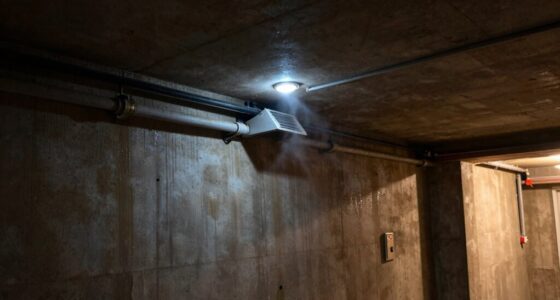

A bigger HVAC unit may seem like the best choice, but it can actually make you less comfortable. When your system is too large, it quickly reaches the desired temperature and shuts off, causing short cycling. This prevents consistent climate control, leading to uneven temperatures and hot or cold spots. As a result, your home feels uncomfortable despite the system running often. Keep going to discover how proper sizing can improve your comfort and save you money.

Prime made for students and young adults
- Fast, free delivery for dorm and study essentials
- Prime Video and Amazon Music included
- Member-only deals
Key Takeaways
- Oversized units cause frequent short cycling, preventing consistent temperature control and creating hot and cold spots.
- Rapid on/off cycles reduce system efficiency and can lead to uneven cooling or heating.
- Larger systems may require complex installation, leading to airflow issues that impact comfort.
- Short cycling accelerates equipment wear, increasing the likelihood of malfunctions and inconsistent performance.
- Improperly sized units struggle to maintain a steady indoor climate, resulting in discomfort despite system operation.
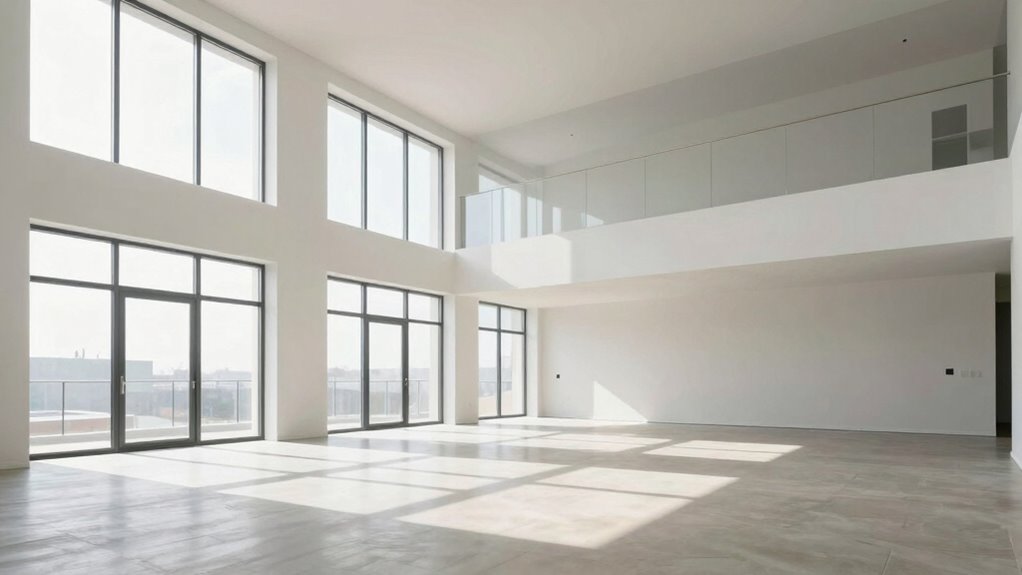
Have you ever thought that bigger isn’t always better when it comes to your living space? When it comes to choosing an HVAC unit, many people assume that a larger system will cool or heat their home more effectively. But in reality, a bigger unit can sometimes lead to less comfort rather than more. One key reason is energy efficiency. Oversized units tend to cycle on and off more frequently because they quickly reach the desired temperature, then shut down. This constant starting and stopping, known as short cycling, wastes energy and causes uneven temperature control. Instead of maintaining a consistent, comfortable climate, your home might experience hot and cold spots, making you uncomfortable even when the system is technically running. Over time, this inefficient operation not only drives up your energy bills but also causes unnecessary wear and tear on the equipment, shortening its lifespan.
Another challenge with larger units is installation. Bigger systems are heavier and more complex to set up, which can pose significant installation challenges. They often require more space for proper placement, and improper installation can lead to issues like poor airflow or inadequate dehumidification. If your contractor doesn’t size the unit correctly or struggles with the installation process, you might end up with a system that doesn’t operate efficiently. This can translate into inconsistent temperatures, higher energy costs, and increased maintenance needs. Furthermore, a larger unit might need additional modifications to your existing ductwork, raising costs and complicating the installation process. These challenges mean you could face delays, higher upfront costs, or compromised system performance, all of which impact your comfort. Proper system sizing is critical to avoid these issues and ensure optimal operation. Additionally, understanding the importance of energy efficiency in HVAC systems can help you make smarter choices that benefit both your comfort and your wallet.
It’s tempting to think that a bigger unit will solve all your heating or cooling problems, but size isn’t the only factor to evaluate. Properly sizing your system based on your home’s specific needs ensures better energy efficiency and comfort. An oversized unit can short cycle, leading to temperature swings that make your living space feel less consistent. Plus, the installation process for a larger system can be more complicated and costly, with risks of improper setup that affect performance. Instead of going for the biggest option, focus on working with a professional who can accurately assess your home’s size, insulation, and airflow. That way, you’ll get a system that provides reliable, energy-efficient comfort without the drawbacks of excess size.
As an affiliate, we earn on qualifying purchases.
Frequently Asked Questions
How Do I Determine the Ideal Size for My Needs?
To find the ideal size for your needs, consider your room layout and how the unit fits within it. Measure available space carefully, ensuring it doesn’t overcrowd or disrupt your aesthetic integration. Think about daily use and how much capacity you need. A unit that’s too big can overwhelm your room, while one too small might not meet your comfort needs. Balance size, functionality, and style for the best fit.
Are Bigger Units More Energy-Efficient?
Is bigger always better? Not necessarily, because larger units often use more energy, increasing energy consumption and environmental impact. They may seem more powerful, but they can run inefficiently if not properly sized for your needs. A bigger unit might cycle on and off more frequently, wasting energy. So, choosing the right size helps balance comfort and efficiency, reducing your carbon footprint while saving you money.
What Are the Installation Challenges of Larger Units?
Larger units pose installation challenges mainly due to their increased weight and installation complexity. You’ll need extra help or specialized equipment to move and position the unit safely. The weight demands reinforced supports, and the complexity involves precise ductwork adjustments and secure mounting. These factors can extend installation time and increase costs, so you should plan accordingly to guarantee a smooth setup without compromising safety or efficiency.
Do Larger Units Require More Maintenance?
Larger units are like giants that demand more attention, and yes, they generally require more maintenance. You might find yourself facing higher cost implications for repairs and upkeep, plus increased noise levels that can turn your space into a noisy neighbor. Regular inspections, cleaning, and occasional repairs are essential to keep them running smoothly, ensuring you stay comfortable rather than overwhelmed by their size and demands.
How Does Unit Size Affect Overall Operating Costs?
A larger unit increases your overall operating costs due to higher energy consumption and more extensive maintenance needs. The cost comparison shows bigger units often lead to higher utility bills and potential repair expenses. Additionally, they require more space, which can add to installation costs. You might find that, despite the initial investment, smaller units are more cost-effective over time by consuming less energy and fitting comfortably into your available space.
energy efficient air conditioner units
As an affiliate, we earn on qualifying purchases.
As an affiliate, we earn on qualifying purchases.
Conclusion
So, next time you’re tempted by that “bigger unit,” remember: more might mean less comfort. Because, honestly, who needs extra space if it just leaves you feeling cramped and annoyed? Sometimes, the smaller, cozier option wins — it’s easier to manage, less intimidating, and honestly, just makes life simpler. So, go ahead, opt for the “just right” size and keep your comfort intact. After all, bigger isn’t always better — just more to complicate your life!
As an affiliate, we earn on qualifying purchases.
airflow optimization accessories
As an affiliate, we earn on qualifying purchases.
As an affiliate, we earn on qualifying purchases.
Fall Picks
fall essentials
As an affiliate, we earn on qualifying purchases.