
Understanding the balance between torque and speed is vital to prevent fastener failure. Applying too much torque or rushing the process can strip threads, weaken joints, or cause material damage. Fastening at high speeds often results in uneven load distribution and inconsistent torque, increasing the risk of loosening or breakage. To avoid these issues, control both torque and speed carefully. Keep exploring this topic to learn how proper management ensures strong, durable fastenings.
Key Takeaways
- Higher tool speeds can lead to uneven torque application, increasing the risk of fastener failure.
- Proper torque depends on controlled speed; faster speeds may cause under- or over-tightening.
- Excessive speed during fastening can generate heat, weakening fastener material and causing breakage.
- Slower, controlled speeds improve torque accuracy, ensuring secure and durable fastenings.
- Balancing torque and speed is essential to prevent fastener damage and ensure safety.
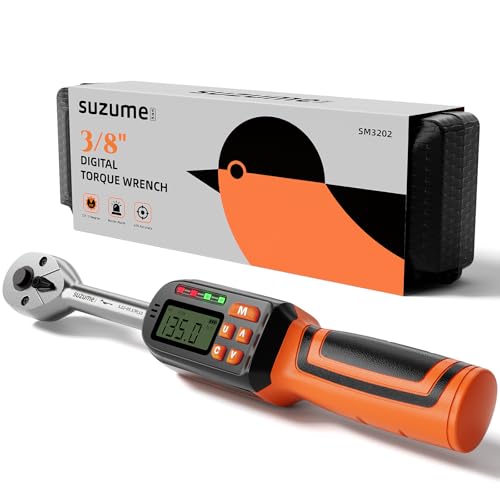
SUZUME Digital Torque Wrench 3/8 Drive (4.9-99.6 Ft. Lb/ 6.6-135 N.m)±2% High Accuracy Digital Torque Wrench with Buzzer and LED Flash Notification Four Units of Measure Torque Wrenches Digital
[±2% Accuracy] The SUZUME digital torque wrench is a top pick for mechanics, engineers, and DIY enthusiasts! With…
As an affiliate, we earn on qualifying purchases.
As an affiliate, we earn on qualifying purchases.
Understanding Torque and Its Role in Fastening
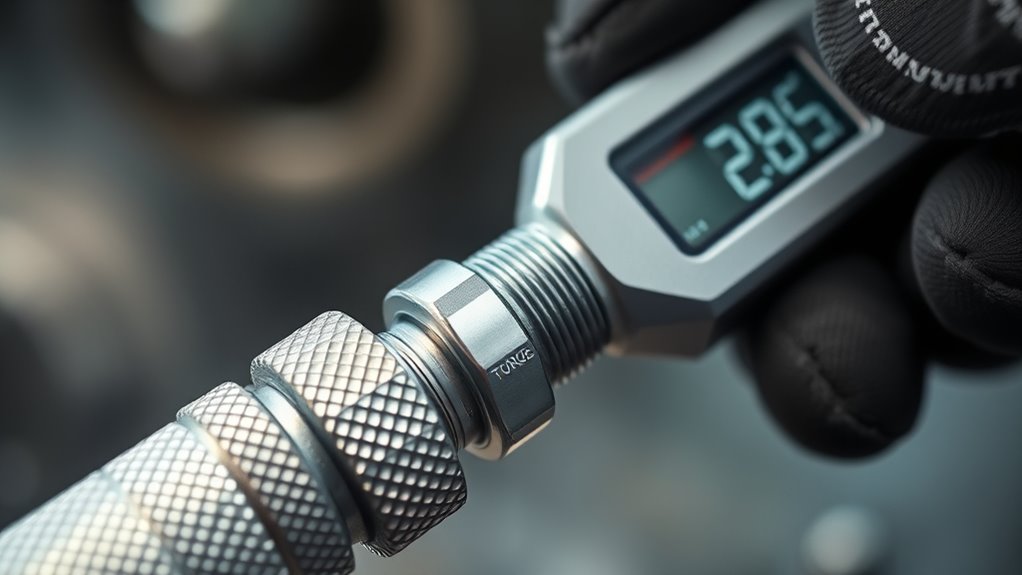
Torque is the force that causes rotation, and it plays a crucial role in fastening objects securely. Understanding fastening mechanics helps you control how tight a bolt or screw gets, preventing under- or over-tightening. Proper torque application ensures the connection withstands stresses without damage. To achieve this, torque calibration is essential; it guarantees your tools deliver consistent, accurate force. Without correct calibration, you risk loosening fasteners or stripping threads. Recognizing how torque influences the grip and stability of fasteners helps you make smarter decisions during assembly. By mastering these principles, you ensure safety and durability in your projects. Remember, precise torque application isn’t just about tightening; it’s about applying the right force at the right moment for ideal fastening. Using the right oil for airless sprayers can also help maintain equipment performance and prevent issues during assembly or maintenance. Maintaining the correct torque levels is essential for preventing damage and ensuring long-lasting fastenings. Additionally, understanding the relationship between torque and speed can help optimize your fastening process for efficiency and safety. Developing an awareness of philosophical insights on existence can also deepen your understanding of the importance of precision and intention in technical work. Recognizing the importance of security measures can also improve safety during assembly and maintenance processes.

LAZYLAND 17V Brushless Screwdriver, 140Nm Cordless Impact Driver Set with 3 Adjustable Speed, 2 Batteries and Led Work Light
Powerful Motor and 140 Nm Torque: This screwdriver is equipped with a powerful 17 V high-performance motor, and…
As an affiliate, we earn on qualifying purchases.
As an affiliate, we earn on qualifying purchases.
The Importance of Speed in Fastening Processes
Have you ever wondered how speed impacts your fastening process? Speed plays a vital role in preventing fastener fatigue, which occurs when over-tightening weakens fasteners over time. Fastening too quickly can lead to inconsistent torque application, increasing the risk of damage or failure. Proper speed guarantees torque calibration remains accurate, making sure each fastener reaches the correct tension without risking fatigue. If you rush, you might misjudge the resistance, resulting in under-tightening or over-tightening, both of which compromise the joint’s integrity. Conversely, slowing down allows for better control and consistent results. Additionally, understanding the importance of high-quality tools can greatly enhance your fastening accuracy and efficiency. Using appropriate tools ensures that the applied torque is consistent and reliable, which is essential for maintaining fastener integrity. Maintaining a steady tool speed can also prevent sudden jolts that might loosen or damage fasteners. Being aware of optimal operating speeds can help avoid common mistakes and improve overall fastening outcomes. Ultimately, managing speed helps you maintain ideal fastening quality, reduces the risk of fastener fatigue, and ensures your assembly remains strong and durable over time. Incorporating precision and automation into your process can further enhance consistency and efficiency.

NEIKO 20743A 3/4-Inch Digital Torque Adapter, 150–750 ft-lb Range, Torque Wrench Converter with Audible Alert, Calibrates Digital and Analog Torque Wrenches
TORQUE WRENCH CONVERSION: This digital torque adapter converts any ratchet wrench into a precision torque wrench with a…
As an affiliate, we earn on qualifying purchases.
As an affiliate, we earn on qualifying purchases.
How Torque and Speed Interact During Tightening
When tightening, the amount of torque you apply directly affects how securely the fastener is set. As speed increases, it can diminish the torque you can safely use without risking damage or loosening. Finding the right balance between force and rate ensures a tight, reliable connection without compromising the process. Additionally, understanding luggage & bags can help ensure your tools and fasteners are transported safely and efficiently during travel. Proper tool organization can also prevent loss or misplacement of fasteners during your projects. Moreover, awareness of fastener types can aid in selecting the appropriate method to achieve optimal results safely. Recognizing industry standards helps maintain consistency and safety in fastening procedures, further enhancing reliability. Being familiar with cleaning and maintenance routines can optimize the performance and longevity of your tools, ensuring consistent application during projects.
Torque’s Impact on Fastening
During fastening, the interaction between torque and speed substantially influences the quality and safety of the tightened connection. High torque can over-compress materials, risking fastener corrosion or damage, especially if materials aren’t compatible. Proper control guarantees:
- Precise tensioning, reducing loosening risks
- Preventing material fatigue due to excessive force
- Minimizing fastener corrosion by avoiding over-tightening
- Ensuring uniform load distribution for durability
Additionally, understanding the market dynamics of precious metals can guide better investment decisions, just as controlling torque and speed optimizes fastening outcomes. Speed affects how torque impacts the joint. Too fast, and you risk uneven tightening and material stress. Too slow, and you might not achieve the necessary torque level. Balancing torque and speed fosters a secure, corrosion-resistant fastener connection that withstands operational stresses. Always consider material compatibility to prevent long-term failures, which is essential in Fastener Engineering. Recognizing the influence of torque control techniques ensures more consistent and reliable fastening results.
Speed’s Effect on Torque
Speed plays a crucial role in how torque affects the tightening process, as faster operations can lead to uneven load distribution, while slower ones allow for more controlled torque application. When you increase the fastening speed, torque variation tends to rise, risking over-tightening or under-tightening fasteners. High fastening speeds reduce your ability to monitor torque accurately, which can cause inconsistent clamping force and potential fastener failure. Conversely, slower speeds enable you to apply torque more precisely, minimizing torque variation and ensuring even load transfer. By controlling the fastening speed, you improve the quality of the joint, reduce the risk of damage, and achieve more reliable fastening results. Additionally, incorporating precision control methods can further enhance the consistency of torque application during high-speed fastening. Understanding the interaction between torque and speed is essential for optimizing your fastening process and preventing fastener issues.
Balancing Force and Rate
Balancing force and rate is essential to achieving ideal tightening results, as torque and speed directly influence each other during the process. When you adjust tightening speed, you affect frictional forces and material deformation, which in turn impact the torque needed. Here are key points to contemplate:
- Increasing speed can reduce frictional forces temporarily, risking insufficient clamping.
- Excessive force at high speeds causes material deformation, weakening the fastener.
- Too slow a rate may lead to overtightening, damaging threads or materials.
- Finding the best compromise ensures even distribution of torque, minimizing damage and loosening risks.
- Recognizing passive voice in your writing can make your instructions clearer and more direct.
- Proper rate control is vital for maintaining consistent torque application and avoiding damage during fastening.
- Additionally, understanding the interplay between torque and speed can help optimize fastening procedures to prevent fastener failure.
- Awareness of material properties, such as elasticity and ductility, can influence how you set your tightening parameters to ensure durability and safety.
- The material’s response to deformation also plays a critical role in determining the appropriate torque and speed settings for secure fastening.

JOREST 152 in 1 Precision Screwdriver Set, Father Day Gifts for Husband Dad, Magnetic Repair Tool Kit for Electronics, Macbook, Laptop, PC, RC, PS5, iphone,Jewelers, XBOX, Glasses
【Precision Screwdriver Set】 This set has 140 bits(H4x28mm) in multiple models, including Torx, Phillips, Pentalobe, Star, Triwing, Triangle…
As an affiliate, we earn on qualifying purchases.
As an affiliate, we earn on qualifying purchases.
Common Mistakes Caused by Misunderstanding Torque and Speed
One common mistake people make is confusing high torque with high speed, which can lead to selecting the wrong motor for a specific application. This misunderstanding often results in fastener fatigue, as applying excessive torque during tightening weakens the fastener over time. Conversely, relying solely on high speed without proper torque calibration might cause insufficient tightening, risking joint failure. Misjudging these factors can also cause over-tightening or under-tightening, both damaging fasteners and compromising safety. Additionally, neglecting the distinction between torque and speed may lead you to overlook the importance of controlling torque levels precisely, especially in delicate assemblies. Ultimately, understanding the difference helps you prevent fastener damage, ensures proper fastening, and maintains the integrity of your projects.
Tools and Techniques for Managing Torque and Speed Effectively
Choosing the right tools and techniques is essential to control torque and speed effectively. By selecting proper equipment and refining your approach, you can guarantee consistent results and prevent damage. Let’s explore how proper tool selection and technique optimization can make a real difference.
Proper Tool Selection
Selecting the right tools is essential for effectively managing torque and speed during fastening tasks. Proper tool selection ensures safety considerations are met and maintenance procedures are straightforward. To choose wisely, consider these factors:
- Use calibrated torque wrenches to prevent over-tightening.
- Pick adjustable speed tools for precision control.
- Opt for ergonomic designs to reduce fatigue and improve safety.
- Regularly inspect and maintain tools to ensure consistent performance.
Choosing appropriate tools reduces the risk of fastener damage and accidents. Always follow manufacturer guidelines and perform routine maintenance to keep tools in excellent condition. Proper selection not only enhances efficiency but also safeguards your workspace, making your fastening tasks safer and more reliable.
Technique Optimization
Optimizing your technique when managing torque and speed can substantially improve fastening accuracy and safety. To do this effectively, consider the fastener materials you’re working with, as they influence the required torque and risk of damage. For softer materials, apply lubrication techniques like anti-seize compounds or light oils to reduce friction and prevent over-tightening. Conversely, dry fasteners may need higher torque but are more prone to galling or seizing. Use a calibrated torque wrench and maintain consistent speed during tightening to avoid uneven load distribution. Always adjust your approach based on the fastener’s material and lubrication state, ensuring optimal tension without risking breakage. Proper technique minimizes damage, extends fastener lifespan, and guarantees secure, reliable connections.
Signs of Over-Tightening and Under-Tightening
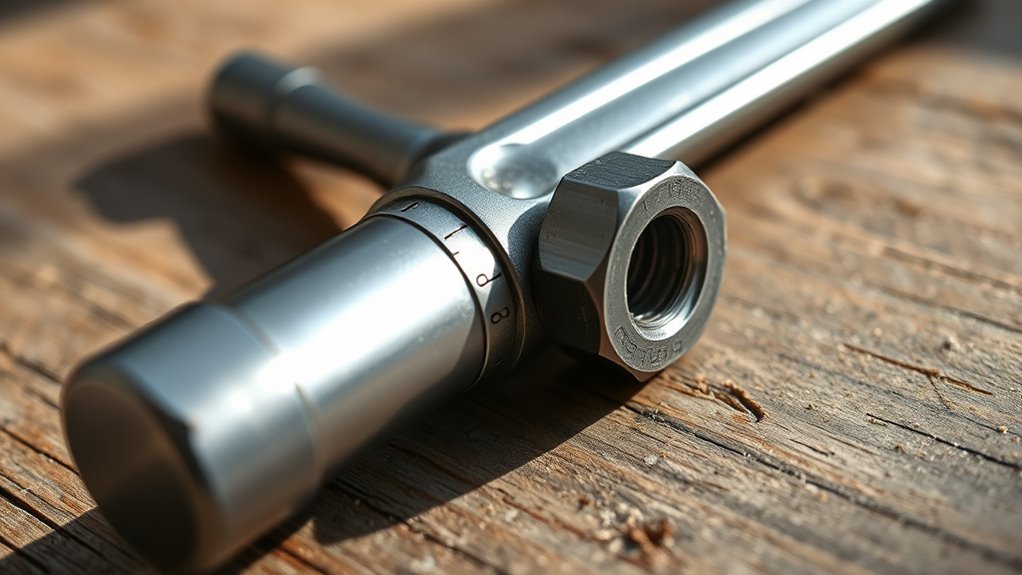
Understanding the signs of over-tightening and under-tightening is essential for ensuring proper torque application. Over-tightening can cause fastener damage, risking thread stripping or broken fasteners, and creating safety hazards. Under-tightening, on the other hand, leads to loose connections, which may cause components to shift or fail. Recognize these signs:
Proper torque ensures safety by avoiding damage from over-tightening and loosening from under-tightening.
- Visible fastener damage, such as stripped threads or cracked heads
- Excessive force required to tighten or loosen fasteners
- Loosening or shifting of parts over time
- Unusual noise or vibration during operation
Best Practices for Achieving Optimal Fastening Results
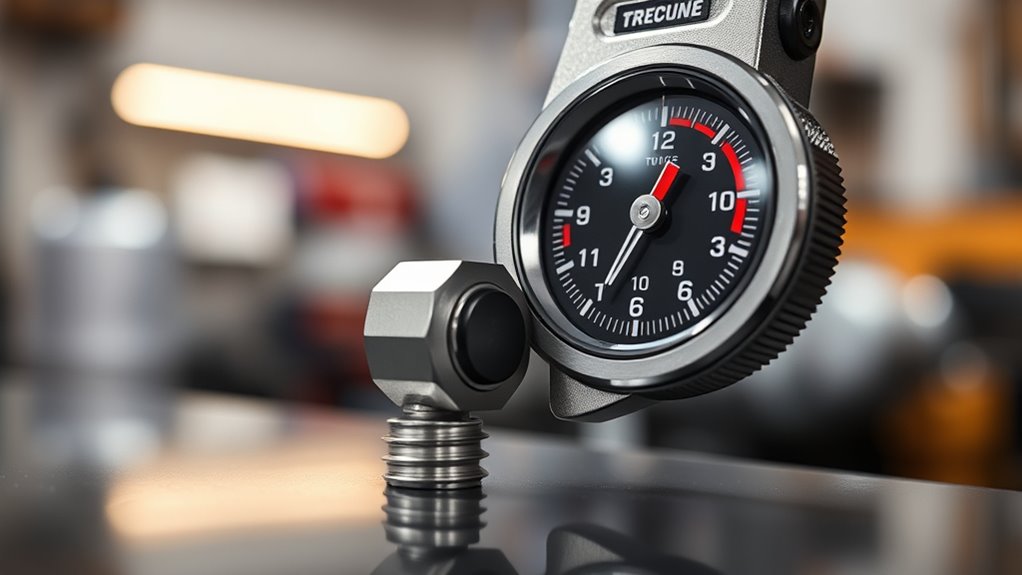
Achieving the correct torque during fastening is essential to guarantee strong, reliable connections without damaging components. To do this, consider the fastener material, as different materials require specific torque levels to prevent stripping or brittle failure. Always use a torque wrench calibrated for accuracy. Pay attention to threading angles, since proper alignment ensures even load distribution and reduces stress on fasteners. Clean threads before tightening for smoother engagement. Follow manufacturer guidelines for torque specifications, and avoid applying excessive force that can lead to over-tightening. Use the correct tools, and tighten in stages if necessary, to maintain consistent tension. These best practices help optimize fastening results, prolong fastener life, and ensure safety and performance in your projects.
Frequently Asked Questions
How Does Material Type Affect Torque and Speed Considerations?
Material type directly impacts torque and speed considerations because material properties influence fastener strength and flexibility. You need to guarantee fastener compatibility with the material you’re working on to prevent damage or failure. Harder materials may require lower torque to avoid stripping, while softer materials might need higher torque to secure properly. Always consider material properties to adjust torque and speed accordingly for safe, effective fastening.
Can Improper Torque or Speed Cause Fastener Failure Over Time?
Yes, improper torque or speed can cause fastener failure over time. When you don’t use correct torque calibration, fastener fatigue can develop, weakening the connection and increasing the risk of breaking. Excessive torque may overstress the material, while too high speed during fastening can cause heat buildup, leading to material degradation. Regularly check your torque settings and follow recommended procedures to prevent long-term fastener failure.
Are There Industry Standards for Optimal Torque and Speed Settings?
Yes, industry standards exist for ideal torque and speed settings, guiding you to prevent fastener damage. You should follow industry benchmarks and perform regular torque calibration to guarantee accuracy. These standards help you apply the right amount of force consistently, avoiding over-tightening or under-tightening. By adhering to such guidelines, you maintain fastener integrity, enhance safety, and improve the longevity of your assemblies.
How Do Environmental Factors Influence Torque and Speed During Fastening?
Environmental factors like corrosion impact and temperature effects markedly influence torque and speed during fastening. Corrosion can weaken fasteners, requiring you to apply less torque to prevent damage, while high temperatures can cause materials to expand, affecting the ideal torque settings. Conversely, cold environments may increase material strength, demanding higher torque. Always consider these factors to avoid over-tightening or under-tightening, ensuring secure, durable fastenings in varying conditions.
What Role Does Operator Skill Play in Managing Torque and Speed Effectively?
Your skill plays a vital role in managing torque and speed effectively. With good hand-eye coordination and tool familiarity, you can apply just the right amount of force at the correct speed, preventing over-tightening or under-tightening. Practice helps you develop a feel for the tools, allowing you to adjust your technique based on the task. This control ensures fasteners are secure without risking damage, making your work more precise and efficient.
Conclusion
Now that you understand how torque and speed influence fasteners, imagine the consequences of getting it wrong. Will you risk over-tightening, causing damage, or under-tightening, risking failure? The secrets to perfect fastening are within your grasp—if you master the delicate balance. Don’t let a simple mistake undo your hard work. Keep learning, stay vigilant, and release the true potential of your tools. The next tightening could change everything—are you ready?