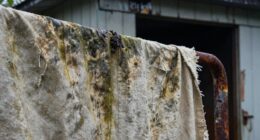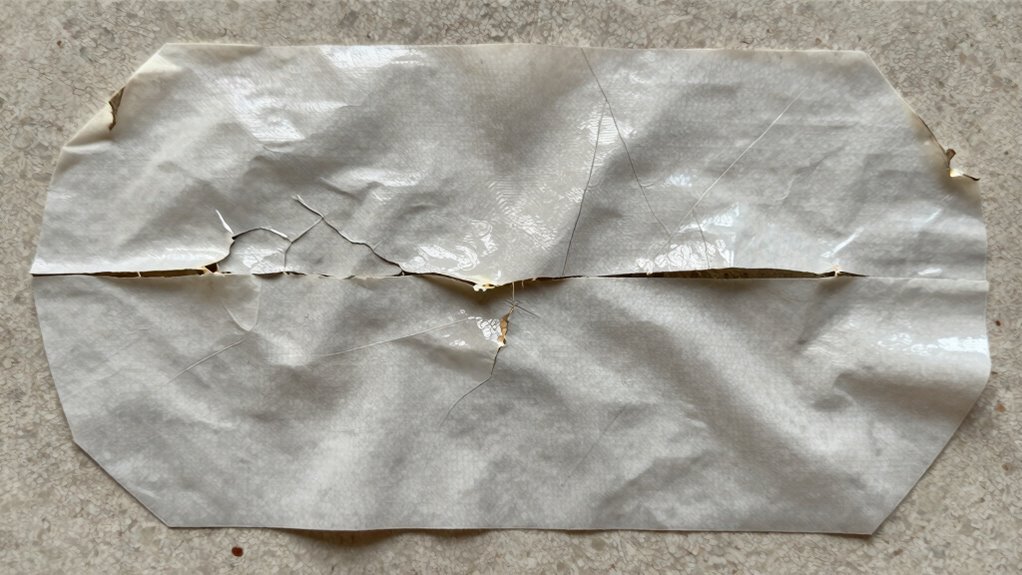
Adhesives can fail even when they feel dry because surface contaminants like oils, dust, or moisture can prevent a strong bond, and inadequate surface preparation worsens this. Environmental factors such as humidity and temperature fluctuations also affect curing, making the bond weaker despite a dry feel. Many adhesives require specific conditions and complete curing time, which often isn’t noticed by touch alone. Keep going to discover how proper preparation and understanding curing processes can prevent these failures.
Prime for Young Adults — start your free trial
Fast free delivery, streaming and member deals for eligible 18–24 year olds.
As an affiliate, we earn on qualifying purchases.
Key Takeaways
- Adhesives may be improperly cured; surface dryness doesn’t indicate full strength or bonding completion.
- Contaminants like oils, dust, or moisture can weaken bonds despite the adhesive feeling dry.
- Insufficient surface preparation, such as lack of roughening, reduces adhesion even after drying.
- Environmental conditions (humidity, temperature) can hinder complete curing, leading to failure.
- Applying adhesive in unsuitable conditions or rushing curing times compromises bond strength.

Have you ever wondered why adhesives sometimes fail, even when they seem perfect for the job? It’s frustrating to see a bond weaken or break, especially when it looks like everything was done right. Often, the root causes aren’t immediately obvious, but they trace back to how well the surfaces were prepared and the environmental factors at play. Surface preparation is critical. If you skip cleaning or don’t remove oils, dust, or grease, the adhesive can’t form a proper bond. Even a thin film of dirt or moisture on the surface can create a barrier that prevents adhesion. Sometimes, you might think the surface is clean because it looks dry, but residual contaminants can linger, sabotaging the bond. Proper surface preparation isn’t just about cleaning; it involves roughening the surface when necessary, so the adhesive has more to grip onto. For example, sanding or abrading smooth surfaces can considerably improve adhesion. Without this step, even the best adhesives struggle to hold. Additionally, understanding the adhesive curing process can help you identify why a bond might fail prematurely. Recognizing the importance of surface contamination can help prevent many common failures.
Environmental factors also play a crucial role in adhesive failure. Conditions like humidity, temperature, and exposure to chemicals can weaken a bond over time. When you apply an adhesive in a humid environment, moisture can get trapped between the surfaces or within the adhesive layer, leading to poor curing or adhesion. Temperature fluctuations can cause expansion and contraction of materials, putting stress on the bond and eventually causing it to fail. If the adhesive isn’t suitable for the environment—say, it’s not waterproof or resistant to chemicals—exposure can degrade the bond. Even when the adhesive feels dry to the touch, it might not have fully cured or reached its maximum strength, especially if environmental conditions aren’t ideal. For instance, applying glue in a cold room may slow down curing, making the bond weaker than it appears.
Another common misconception is that visual dryness indicates full curing, but many adhesives require specific conditions to reach their full strength. Many adhesives require specific conditions to cure fully and reach their peak strength. Ignoring these factors can lead to what seems like a perfect dry surface that, in reality, isn’t fully bonded. To prevent failure, pay close attention to surface preparation and environmental conditions. Clean surfaces thoroughly, follow recommended curing times, and ensure the environment is suitable for the adhesive you’re using. When you do these things, you give your adhesive the best chance to perform as expected, avoiding the disappointment of a bond that fails prematurely.
As an affiliate, we earn on qualifying purchases.
Frequently Asked Questions
Can Environmental Conditions Affect Dry Adhesive Performance?
Yes, environmental conditions can affect dry adhesive performance. Humidity impact plays a significant role; high moisture levels can weaken the bond, even if it feels dry. Temperature effects also matter—extreme heat can cause adhesives to soften or lose adhesion, while cold temperatures may make them brittle. You should consider these factors to guarantee your adhesive application remains effective, especially in variable environments.
Are Some Surfaces Inherently More Adhesive-Friendly Than Others?
Some surfaces are inherently more adhesive-friendly due to their surface compatibility and adhesive chemistry. Smooth, non-porous surfaces like glass or metal often bond better because they allow adhesives to form strong contact. Porous or uneven surfaces, like wood or fabric, can pose challenges. Understanding the adhesive chemistry helps you choose the right type for each surface, ensuring a stronger, more durable bond.
How Long Should Adhesives Typically Cure Before Use?
Typically, you should allow adhesives to cure for the time specified by the manufacturer before using the bonded items. Adhesive curing involves a chemical process that strengthens the bond, which isn’t the same as drying time. Rushing this process can lead to weak adhesion, even if the surface feels dry. For best results, follow the recommended drying time and curing instructions to guarantee a durable, lasting bond.
Do Adhesives Lose Effectiveness Over Time Even When Dry?
Yes, adhesives can lose effectiveness over time, even when dry. Adhesive aging occurs due to factors like exposure to moisture, temperature fluctuations, and UV light, which weaken the bond. Additionally, surface compatibility plays an essential role; if the adhesive wasn’t suitable for the materials or surface conditions, its bond might deteriorate faster. Regularly inspecting and maintaining bonded surfaces helps guarantee long-term durability and effectiveness.
Is It Possible to Revive a Failing Adhesive Bond?
Yes, you can often revive a failing adhesive bond by understanding adhesive chemistry and surface compatibility. Think of it like a friendship—sometimes, a little clean-up or freshening up is needed. To do this, clean the surfaces thoroughly, remove any residual debris, and reapply an appropriate adhesive. Ensuring the right adhesive matches the materials involved helps restore strength, making your bond as good as new.
As an affiliate, we earn on qualifying purchases.
Conclusion
So, next time your glue seems perfectly dry but your project still falls apart, remember the irony: it’s not about how dry it feels, but how well it’s bonded beneath the surface. Sometimes, the strongest-looking adhesion hides the weakest connection. Don’t be fooled by appearances—what seems ready to hold might still be destined to fail. It’s a reminder that surface dryness isn’t the whole story; true strength runs deeper than what we see, or feel.
As an affiliate, we earn on qualifying purchases.
As an affiliate, we earn on qualifying purchases.
Fall Picks
fall essentials
As an affiliate, we earn on qualifying purchases.