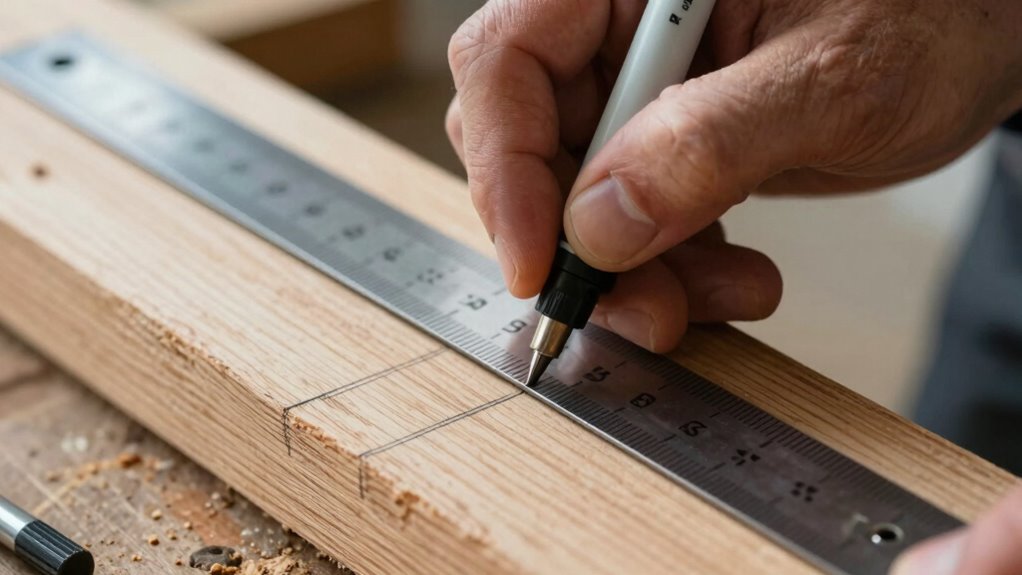

Measuring twice isn’t enough if your markings aren’t precise. Accurate marking guarantees parts fit perfectly, minimizes waste, and boosts overall quality. Small errors in marking can lead to costly mistakes, rework, or structural issues down the line. Using the right tools, techniques, and double-checking your work can make a big difference. If you want to improve your accuracy and avoid common pitfalls, keep exploring how proper marking can transform your workflow.
Prime for Young Adults — start your free trial
Fast free delivery, streaming and member deals for eligible 18–24 year olds.
As an affiliate, we earn on qualifying purchases.
Key Takeaways
- Accurate marking ensures precise cuts and fits, reducing errors even after double-checking measurements.
- Proper marking techniques prevent misalignments that can lead to costly rework or material waste.
- Using high-quality tools and steady methods improves marking clarity and consistency across projects.
- Double measurements alone may miss subtle inaccuracies; careful marking captures true measurements effectively.
- Consistent, clear markings provide a reliable guide during assembly, minimizing mistakes and ensuring quality outcomes.
As an affiliate, we earn on qualifying purchases.
Why Accurate Marking Matters in Craftsmanship and Manufacturing
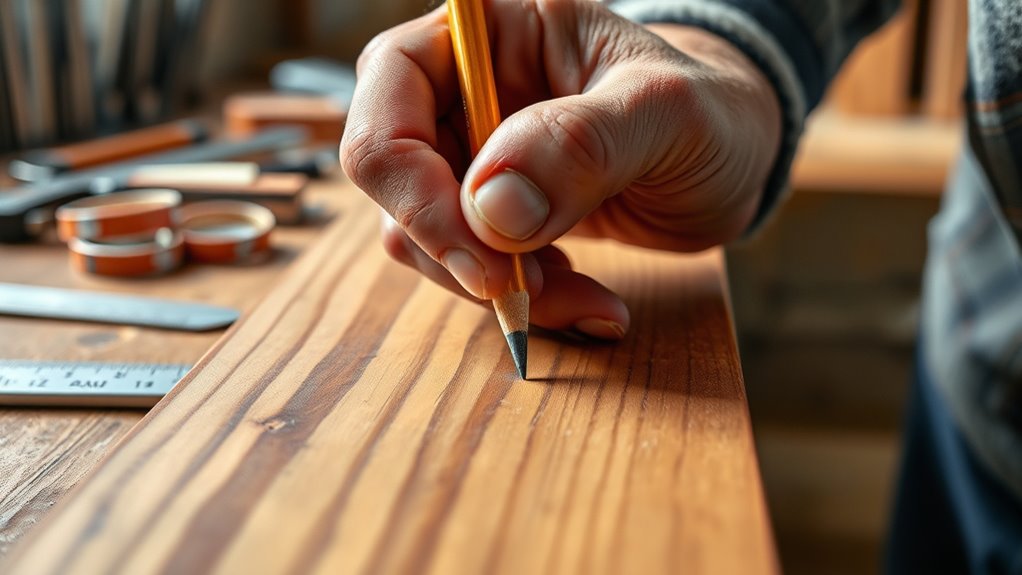
Accurate marking is essential in craftsmanship and manufacturing because it guarantees that every part is correctly positioned and assembled. When your marking precision is high, you ensure parts fit together seamlessly, minimizing errors and rework. This level of accuracy aligns with craftsmanship standards, reflecting quality and professionalism in your work. Precise markings help maintain consistency across multiple pieces, which is critical for large-scale production. They also reduce material waste by preventing mistakes before cutting or machining begins. By prioritizing exact marking, you uphold the integrity of your craftsmanship and meet industry benchmarks. In the end, attention to marking precision isn’t just about neat lines; it’s about delivering reliable, high-quality results that stand the test of time. Additionally, understanding how contrast ratio impacts image quality can be crucial when selecting equipment for detailed and visually demanding projects.
digital measurement devices for woodworking
As an affiliate, we earn on qualifying purchases.
As an affiliate, we earn on qualifying purchases.
Common Marking Mistakes and What They Cost
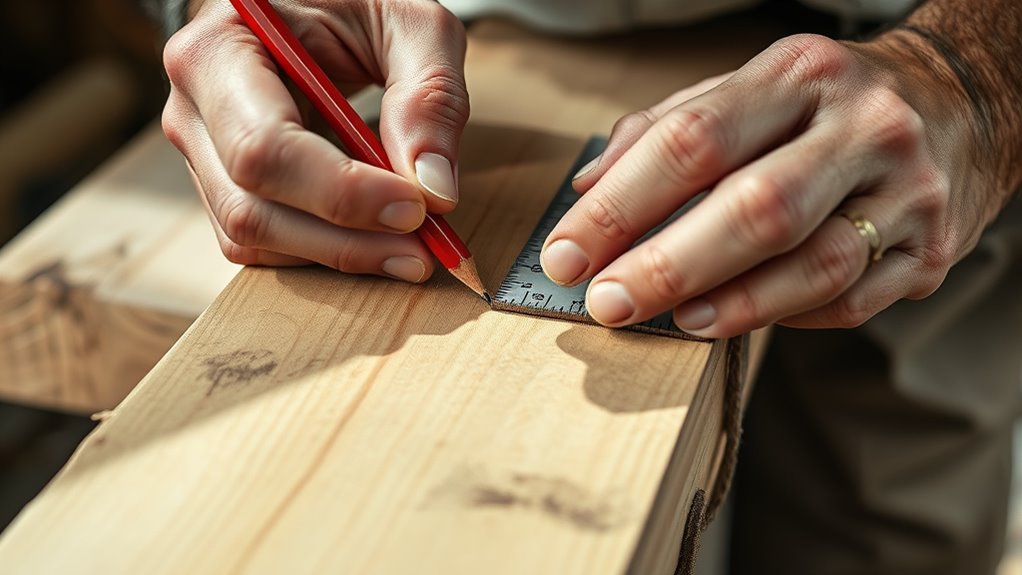
Many common marking mistakes can silently undermine your craftsmanship and lead to costly consequences. Marking errors, such as misalignments or incorrect measurements, often seem minor but can cause major setbacks. Measurement slips happen when you rush or ignore precise reference points, resulting in inaccurate lines and misplaced cuts. These errors may lead to material wastage, rework, or even structural failures if left unchecked. Over time, small inaccuracies compound, increasing costs and decreasing quality. You might think a second quick check is enough, but even slight slips can derail your project’s accuracy. Recognizing these common mistakes and understanding their impact helps you avoid costly rework and ensures your work remains precise, efficient, and professional. Paying close attention to marking accuracy is essential for high-quality results. Incorporating precise measurements is crucial, especially considering that even minor deviations can significantly affect the integrity of your work.
high-quality marking accessories
As an affiliate, we earn on qualifying purchases.
As an affiliate, we earn on qualifying purchases.
Which Tools Help Improve Marking Precision?
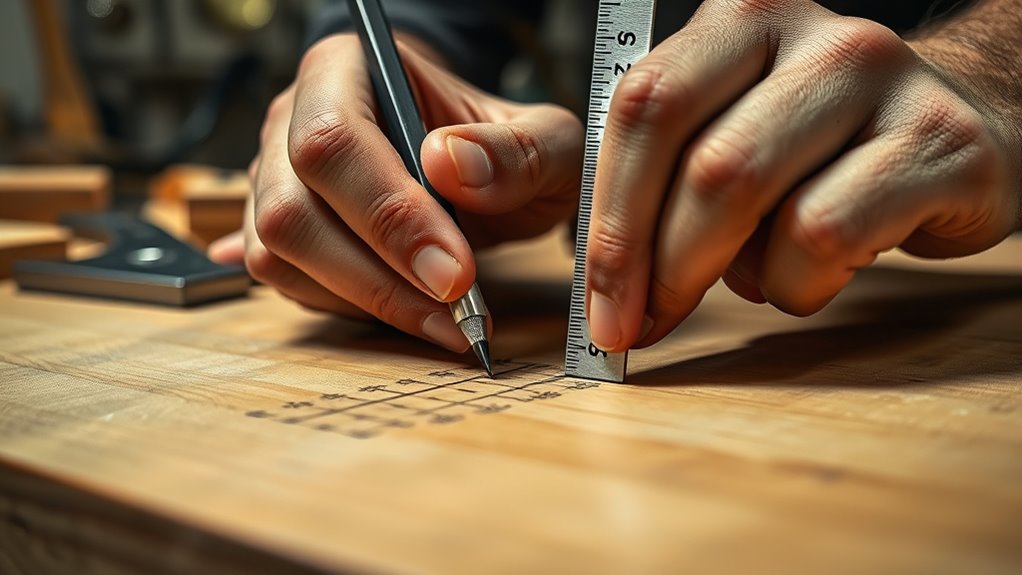
To improve your marking precision, you should consider using specialized tools designed for accuracy. Precision marking tools, digital measurement devices, and quality marking accessories can make a significant difference. These tools help guarantee your markings are consistent and exact every time. Implementing practical, room-by-room solutions can also simplify the process and enhance overall organization.
Precision Marking Tools
Have you ever struggled with ensuring your markings are consistent and precise? Precision marking tools can make a big difference. Using proper tools aligns with good marking etiquette, helping you produce clearer, more accurate lines. Historically, marking has evolved from simple scratches to sophisticated instruments, emphasizing the importance of accuracy. Today’s precision tools include mechanical scribing gauges, fine-point pencils, and layout punches, all designed to improve your control. These tools help you mark with confidence, reducing errors and rework. Investing in quality marking tools also reflects a respect for marking etiquette, ensuring your work maintains professionalism. Whether you’re marking straight lines or detailed measurements, the right tools boost your accuracy and efficiency, making your craftsmanship more reliable and precise. Incorporating modern energy-efficient technology can further enhance your precision and reduce environmental impact.
Digital Measurement Devices
Are digital measurement devices truly making marking more precise? Many craftsmen rely on digital calipers to achieve accurate measurements quickly. These tools eliminate guesswork, providing exact readings with just a press of a button. Laser markers also enhance marking precision by creating clean, permanent lines directly on surfaces. Unlike traditional marking methods, laser markers reduce errors caused by misreading or misalignment. They are especially useful for intricate designs or high-volume projects where consistency matters. Digital calipers and laser markers work together to ensure measurements are exact and markings are clear. By integrating these digital devices into your workflow, you minimize mistakes and improve overall accuracy. Ultimately, they help you mark with confidence, saving time and reducing material waste. Incorporating measurement accuracy as a key aspect, these tools elevate the precision of your work and help ensure your projects meet high standards.
Quality Marking Accessories
Quality marking accessories play a essential role in enhancing the accuracy and consistency of your markings. The right tools support precise engraving techniques and help you work effectively on different marking materials. For example, fine-tipped markers or scribing tools improve detail, while adjustable guides ensure straight lines. Choosing the correct accessories depends on your marking material and desired finish. Incorporating Free Floating systems can further improve marking flexibility and precision.
| Tool Type | Best Use Case |
|---|---|
| Scribing Tools | Marking hard metals or plastics |
| Fine Markers | Adding detailed, visible marks |
| Guides & Templates | Ensuring straight, consistent lines |
Using quality marking accessories not only boosts precision but also minimizes errors, saving you time and material. Invest in these tools to elevate your marking accuracy and achieve professional results across various engraving techniques.
As an affiliate, we earn on qualifying purchases.
How to Make Your Markings Clear and Accurate
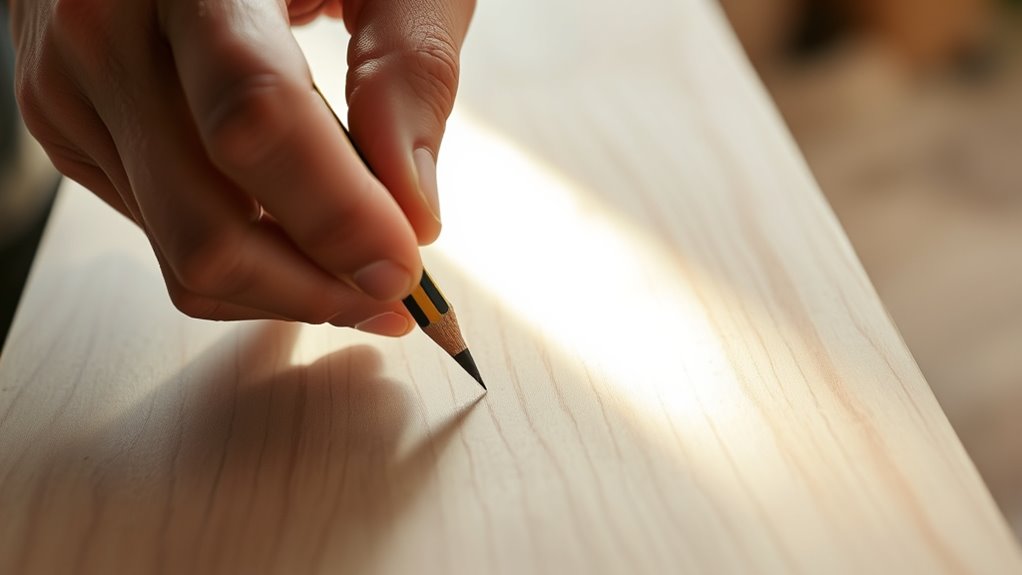
Wondering how to guarantee your markings are both clear and accurate? Start with proper marking techniques by choosing the right marking materials for your project. Use sharp pencils, fine-tipped pens, or chalk to create precise lines that won’t smudge easily. Consistency is key—apply steady pressure to produce uniform marks, and avoid over- or under-marking. When marking, make light, deliberate strokes that can be easily erased or adjusted if needed. Always double-check your measurements before making your marks, and use a straightedge or square for accuracy. Additionally, understanding your tools’ marking materials can help ensure your markings are clear and reliable. Clear, accurate markings depend on selecting appropriate marking materials and practicing steady, controlled techniques. This approach ensures your markings are visible, precise, and reliable throughout your project.
Best Ways to Transfer Measurements to Materials
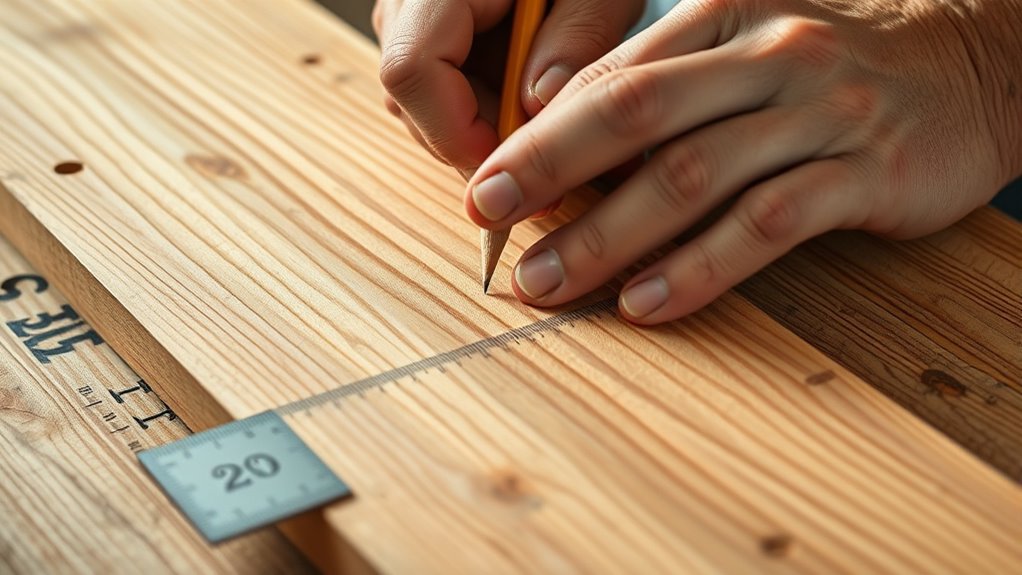
Choosing the right marking tools and techniques can make a big difference in your project’s accuracy. Using precise transfer methods guarantees your measurements stay true when transferred to your materials. Connected equipment and apps can also assist in ensuring measurements are transferred accurately, reducing errors and improving overall results. Let’s explore the most effective ways to achieve clean, reliable marks every time.
Marking Tools and Techniques
To guarantee accurate measurements are transferred onto your materials, selecting the right marking tools and techniques is essential. Use sharp pencils, fine-tipped pens, or specialized marking tools suited to your material’s surface. For precise lines, consider mechanical pencils or scribing tools. When applying markings, follow proper marking etiquette: keep your hand steady, avoid pressing too hard, and double-check measurements before marking. Use consistent marking techniques, such as light, clean lines that are easy to erase if necessary. Clear, deliberate marks prevent errors and ensure your measurements stay visible throughout the project. Proper tools and techniques help you transfer measurements accurately, reducing mistakes and saving time during your work. Mastering marking etiquette and choosing the best tools make a significant difference in the quality of your finished project. Additionally, understanding the importance of measurement accuracy in your work can significantly improve your results.
Accurate Transfer Methods
Accurate measurement transfer is crucial to guarantee your project turns out as planned. When you focus on proper measurement transfer, you improve marking accuracy and reduce errors. Using the right tools and techniques ensures your markings stay true during cutting or assembly. For instance, a sharp pencil or fine-tipped marker provides precise lines, while a straightedge keeps your measurements aligned. To help you understand the importance of consistency, consider this table:
| Method | Best Use | Accuracy Level |
|---|---|---|
| Marking Gauge | Repeating measurements | High |
| Scriber | Marking hard materials | Very High |
| Transfer Punch | Transferring marks from templates | High |
| Tracing Paper | Complex patterns | Moderate |
| Rubbing Technique | Transferring detailed images | Variable |
Choosing the right transfer method enhances your project’s precision and overall quality. Additionally, understanding how measurement accuracy impacts your final results can help you select the best technique for each task.
Tips for Staying Consistent With Multiple Markings
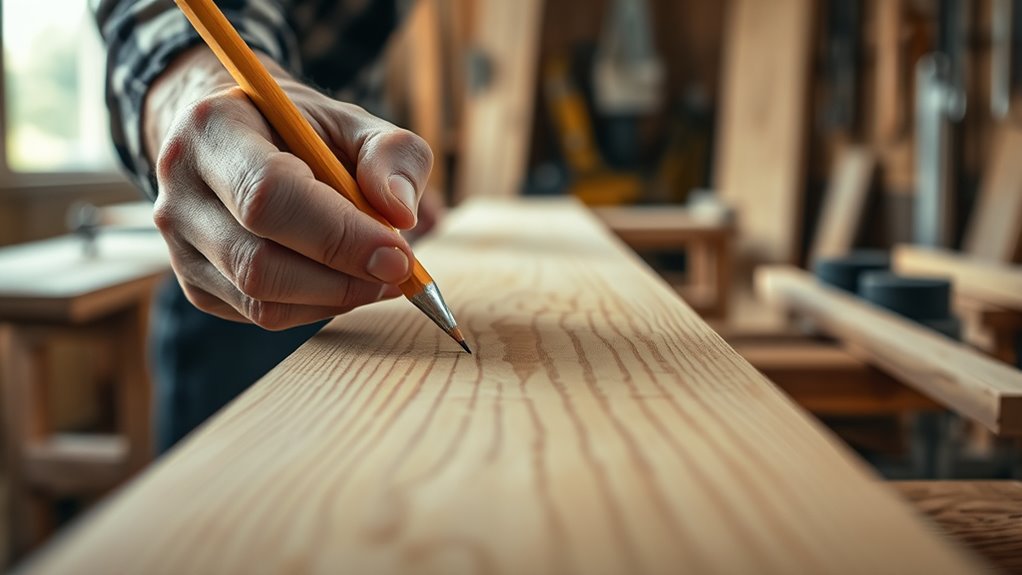
Staying consistent with multiple markings can be challenging, especially when balancing different criteria and expectations. To maintain marking consistency, develop a clear system for your markings, such as using specific colors or symbols for each criterion. Consistent marking techniques help prevent confusion and guarantee accuracy across all markings. Double-check your work regularly, comparing markings to your original measurements or standards. Keep your marking tools organized and accessible so you can mark efficiently without second-guessing. Establish a routine to review your markings periodically, ensuring they remain clear and aligned with your goals. By applying consistent marking techniques and staying diligent, you’ll minimize errors and make your marking process more reliable and effective.
How Proper Marking Saves Time, Cuts Waste, and Boosts Quality
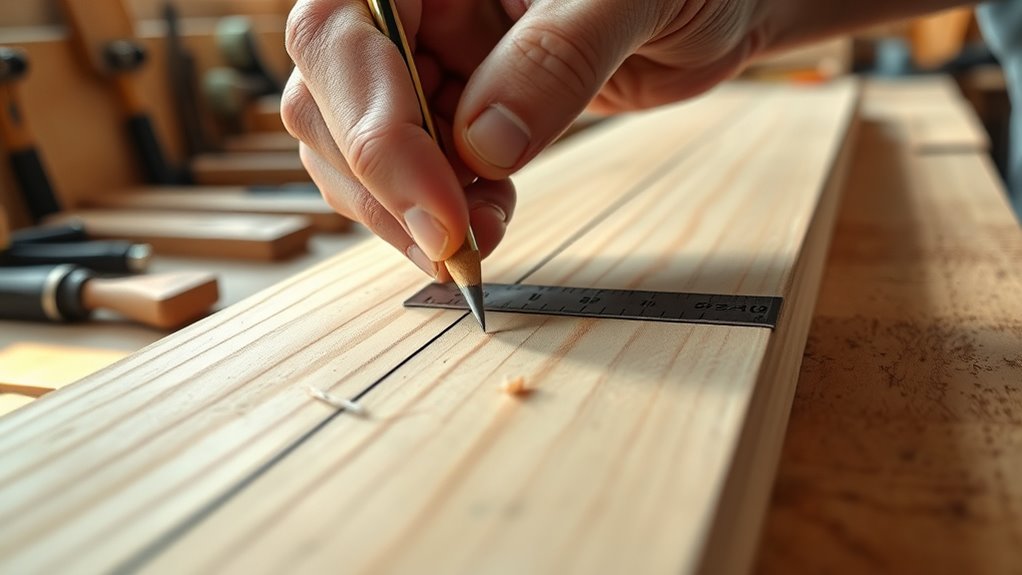
Proper marking sets the foundation for a more efficient workflow, directly impacting time management, waste reduction, and quality. When you focus on marking accuracy, you guarantee measurements are precise and reliable, preventing costly mistakes. Consistent measurement techniques help you avoid rework, saving time and materials. Accurate markings guide your cuts and assemblies, reducing material waste and ensuring parts fit perfectly. By maintaining measurement consistency, you minimize errors that can compromise quality. This attention to detail streamlines production, cuts downtime, and enhances overall product standards. When your markings are clear and accurate, everyone on the team works more efficiently, and you deliver higher-quality results faster. Proper marking isn’t just a small step; it’s essential for saving time, cutting waste, and boosting quality across the board.
Frequently Asked Questions
How Do Environmental Factors Affect Marking Accuracy?
Environmental factors can substantially impact your marking precision. Changes in temperature, humidity, or lighting may cause materials to expand, contract, or become harder to see, leading to inaccurate marks. Dust or moisture can also interfere with markings, reducing clarity. To maintain accuracy, you need to account for environmental impact by choosing appropriate tools and conditions, ensuring your marks stay precise despite changing surroundings.
What Are the Most Durable Marking Tools for Harsh Conditions?
Ever had a marker that fades just when you need it most? For harsh conditions, you should choose durable marking tools like industrial-grade paint markers or carbide-tipped scribes—they withstand moisture, abrasion, and extreme temperatures. Remember, maintaining your tools is key; clean and store them properly to guarantee longevity. Mastering marking techniques also helps, so your markings stay clear and accurate, no matter how tough the environment gets.
Can Digital Marking Methods Replace Manual Techniques?
Digital marking methods can replace manual alternatives if you need digital precision and faster results. They offer consistent accuracy, ideal for complex or large-scale projects, reducing human error. However, manual techniques remain valuable in environments with limited power or where simplicity is key. You should weigh the benefits of digital methods’ precision against manual options’ reliability, especially in tough conditions where durability and ease of use matter most.
How Often Should Marking Tools Be Calibrated or Replaced?
Imagine your marking tools as trusted guides on your project journey; they need regular check-ups to stay sharp. You should follow a strict calibration schedule, typically every 6 to 12 months, depending on usage. Replacement intervals vary, but once tools show signs of wear or inaccuracy, swap them out promptly. Proper calibration and timely replacement guarantee your markings stay precise, helping you avoid costly mistakes and achieve professional results every time.
What Training Is Recommended to Improve Marking Consistency?
To improve your marking consistency, you should undergo training focused on visual consistency and marking standards. This training teaches you how to use proper techniques, select the right tools, and adhere to standardized marks. By practicing these skills regularly, you’ll develop a keen eye for detail, ensuring your markings meet quality standards. Consistent training helps you avoid errors, maintain precision, and produce clear, reliable marks every time.
Conclusion
Remember, accurate marking can reduce errors by up to 50%, saving you time and materials. When you take the time to mark carefully, you minimize costly mistakes and ensure consistent quality. Using the right tools and techniques makes all the difference. So, don’t settle for “measure twice, cut once”—invest in precise marking. Doing so can boost your efficiency and craftsmanship, turning small details into big results.
NFL season / tailgating Picks
team gear
As an affiliate, we earn on qualifying purchases.