
The weight of cookware impacts how easily you can lift, pour, and maneuver it during cooking, which directly affects your handling and comfort. Heavier pans can feel more stable but may cause wrist or arm fatigue, while lighter ones are easier to manage but might lack stability. This immediate effect on control and ease of use makes weight more influencing on handling than the actual cooking performance. Keep exploring to see how choosing the right weight improves your cooking experience.
Listen free for 30 days with Audible
Thousands of audiobooks and originals — cancel anytime.
As an affiliate, we earn on qualifying purchases.
Key Takeaways
- Heavier cookware can cause fatigue and strain during handling, affecting ease of use.
- Increased weight impacts maneuverability, making lifting and pouring more difficult.
- Proper weight distribution improves ergonomic handling, regardless of overall weight.
- Excess weight can discourage frequent use, regardless of better heat retention.
- Lighter cookware enhances manageability but may compromise stability and control.
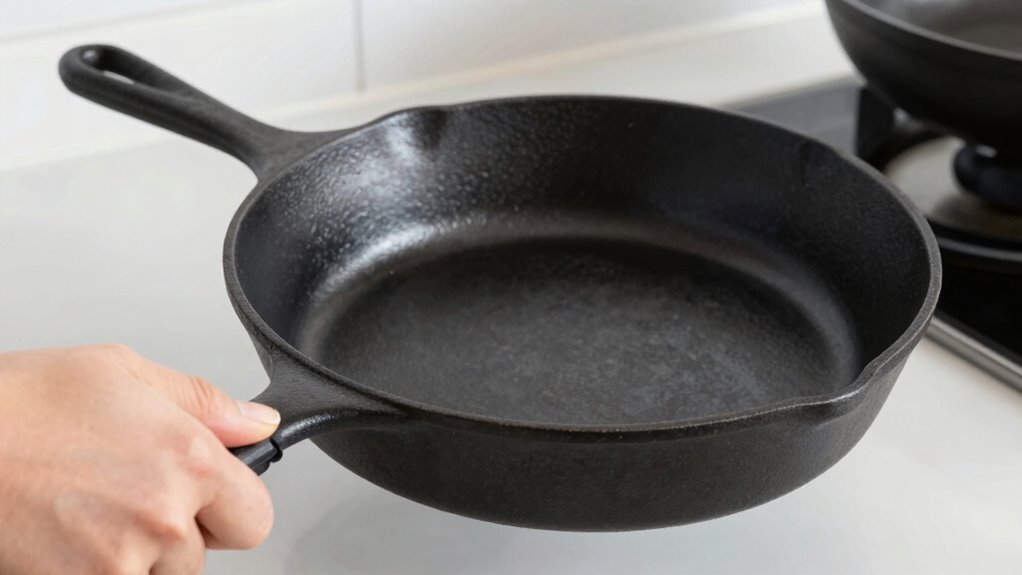
When choosing cookware, understanding its weight and how it handles can make a significant difference in your cooking experience. Heavier pots and pans often feel more substantial and stable, but they can also influence how comfortable you are during prolonged use. The key lies in the ergonomic design, which focuses on shaping the cookware to fit comfortably in your hand and suit your cooking style. A well-designed handle, balanced weight distribution, and thoughtful contouring can reduce fatigue and improve control, making even heavy cookware easier to maneuver. When cookware is ergonomically optimized, you’re less likely to strain your wrist or arm, especially during tasks like stirring or transferring hot contents. Additionally, material durability** plays a crucial role in how weight impacts handling. Some materials, like cast iron, are inherently dense and heavy, but they tend to be incredibly durable, lasting for decades with proper care. Their weight adds stability and even heat distribution, but it also means you need to consider how you’ll lift and move them comfortably. Conversely, lightweight materials such as aluminum or non-stick coatings are designed to reduce the overall weight, making handling less strenuous. However, these lighter options can sometimes compromise durability if not constructed with quality materials. When choosing cookware, you want a balance where the material offers enough durability to withstand regular use without becoming overly cumbersome. The weight distribution within the cookware also affects how manageable it feels during cooking, ensuring comfort and safety. Proper weight distribution can enhance ergonomic handling and reduce strain during repetitive tasks. The weight of cookware affects more than just handling; it influences how evenly heat is distributed and retained. Heavier cookware usually heats more evenly and retains temperature better, which can lead to more consistent cooking results. But if the weight makes it difficult to lift or pour, you might find yourself avoiding certain tasks altogether. That’s where ergonomic design becomes essential—handles that stay cool, grip comfortably, and are securely attached can make all the difference. Lightweight cookware may be easier to handle but might not provide the same stability and heat retention, so your choice depends on your cooking habits and physical comfort. In addition, understanding weight management techniques can help you handle heavier cookware with greater ease and safety. In the end, the relationship between weight and handling isn’t solely about performance. It’s about how the cookware’s design and durability work together to serve your needs. You should look for a piece that’s sturdy enough to last through your favorite recipes while still being manageable in your hands. Proper ergonomic features**, combined with quality materials, ensure that your cookware feels just right—neither too heavy nor too flimsy—so you can focus on creating delicious meals without struggling with your tools.
As an affiliate, we earn on qualifying purchases.
Frequently Asked Questions
How Does Cookware Weight Affect Cooking Speed?
Heavier cookware can slow down your cooking speed because it takes longer to heat evenly, affecting precision cooking. The added weight improves heat distribution, which helps maintain a consistent temperature, but it also means you need more time to bring the cookware up to temperature. Lighter pots heat faster initially but may struggle with even heat, so balancing weight and performance is key to optimizing your cooking efficiency.
Are Lighter Cookware Safer for Beginners?
Yes, lighter cookware can be safer for beginners because it’s easier to handle and reduces the risk of accidents. While lighter pans may sometimes be less durable, many high-quality options are designed to withstand regular use. You’ll find they’re more comfortable to maneuver, especially when learning basic techniques. Just guarantee the cookware has good handling features, like sturdy grips, to enhance safety and durability as you build your cooking skills.
Can Weight Influence Heat Retention?
Did you know heavier cookware retains heat up to 20% better than lighter options? Yes, weight greatly influences heat retention because denser materials, like cast iron, offer superior durability and consistent heat distribution. While heavier pans may seem less aesthetically appealing to some, their material durability ensures long-lasting performance. So, if you want better heat retention, opting for heavier cookware can be a smart choice, especially if durability matters most to you.
Do Heavier Pots Cause More Arm Fatigue?
Yes, heavier pots can cause more arm fatigue. When you lift or maneuver them, the extra weight puts pressure on your wrist and arm muscles, increasing the risk of wrist strain. An ergonomic grip helps reduce this strain by providing a more comfortable hold, but the overall weight still challenges your stamina. To avoid fatigue, consider using lighter cookware or tools with ergonomic handles, especially during prolonged cooking sessions.
Does Cookware Weight Impact Food Flavor?
Cookware weight can subtly influence food flavor, acting like a silent partner in your culinary journey. Heavier pots often retain heat better, enhancing flavor through consistent cooking. They also improve seasoning absorption, allowing flavors to meld more deeply. While weight doesn’t directly alter taste, it creates an environment where flavors develop more fully. So, choosing the right weight can subtly elevate your dishes, making every bite richer and more satisfying.
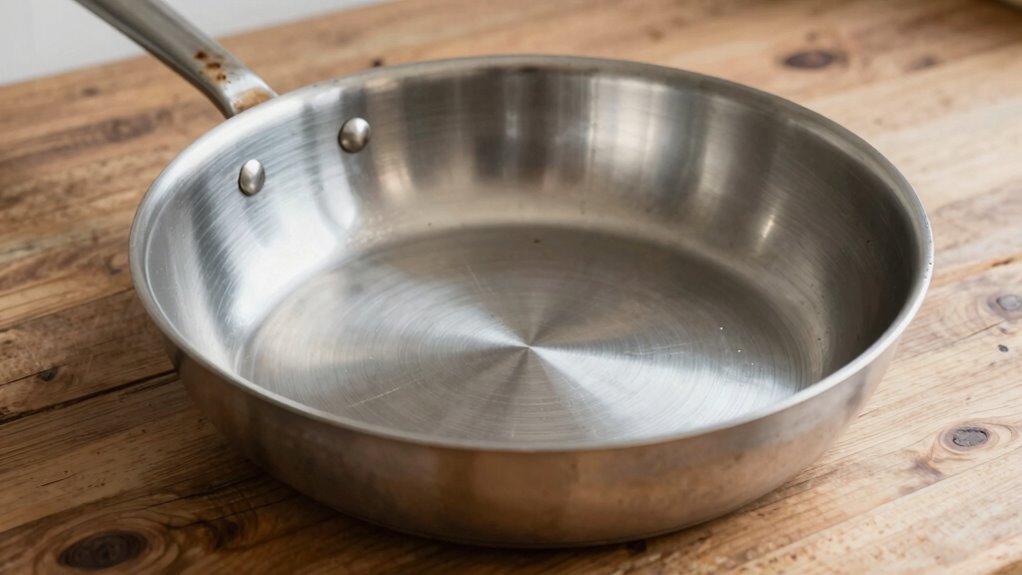
lightweight non-stick frying pan
As an affiliate, we earn on qualifying purchases.
As an affiliate, we earn on qualifying purchases.
Conclusion
Remember, the weight of your cookware isn’t just about its physical presence—it symbolizes the responsibility and care you put into your cooking. As you handle each piece, you’re not just lifting metal but embracing the balance between strength and finesse. Let the weight remind you that true mastery lies in patience and attention, turning everyday tools into symbols of dedication. In handling them with mindful respect, you create more than meals—you craft memories that linger beyond the kitchen.
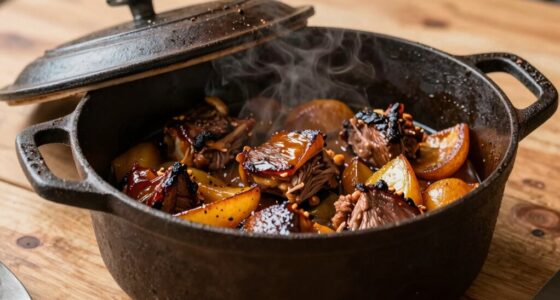
cast iron cookware with balanced weight
As an affiliate, we earn on qualifying purchases.
As an affiliate, we earn on qualifying purchases.
As an affiliate, we earn on qualifying purchases.
Fall Picks
fall essentials
As an affiliate, we earn on qualifying purchases.