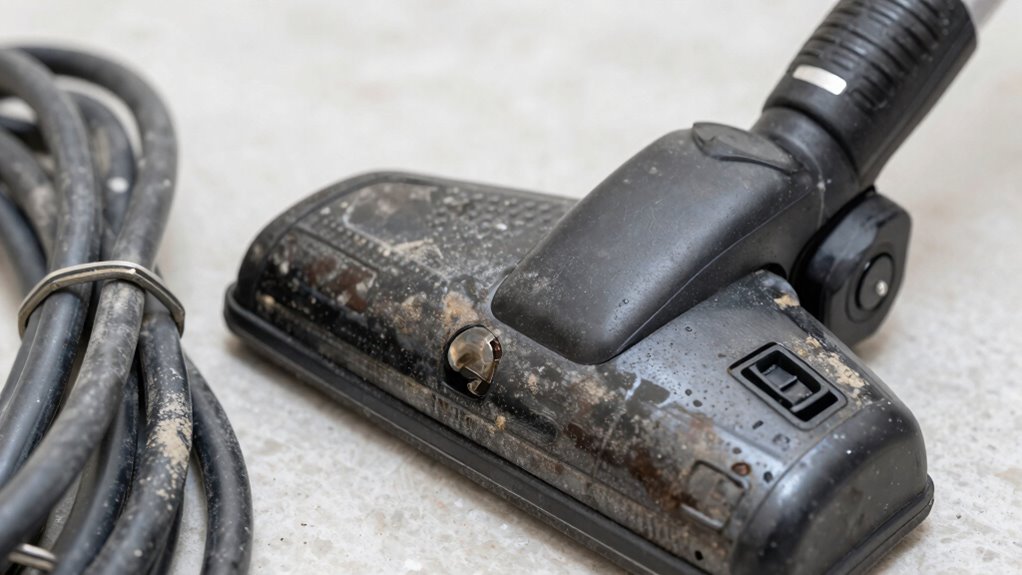

One safety detail often ignored is proper electrical grounding, which is vital for preventing shocks and fires during vacuum use, especially in wet or chemical environments. Overlooking regular inspections of cords, plugs, and grounding connections can lead to dangerous malfunctions. Additionally, neglecting chemical safety—using inappropriate filters or skipping PPE—raises exposure risks. Ensuring these safety measures are followed can prevent serious hazards. Keep going to uncover more essential safety tips you need to know.

Prime made for students and young adults
- Fast, free delivery for dorm and study essentials
- Prime Video and Amazon Music included
- Member-only deals
Key Takeaways
- Proper electrical grounding is often overlooked, increasing shock and fire hazards during vacuum use.
- Regular inspection of grounding connections and cords is frequently neglected, risking safety compliance.
- Many users forget to verify that vacuums are designed for chemical containment when handling hazardous substances.
- PPE and safety protocols for chemical handling are often ignored, leading to health risks.
- Maintenance of grounding components and proper storage routines are commonly neglected, compromising safety over time.
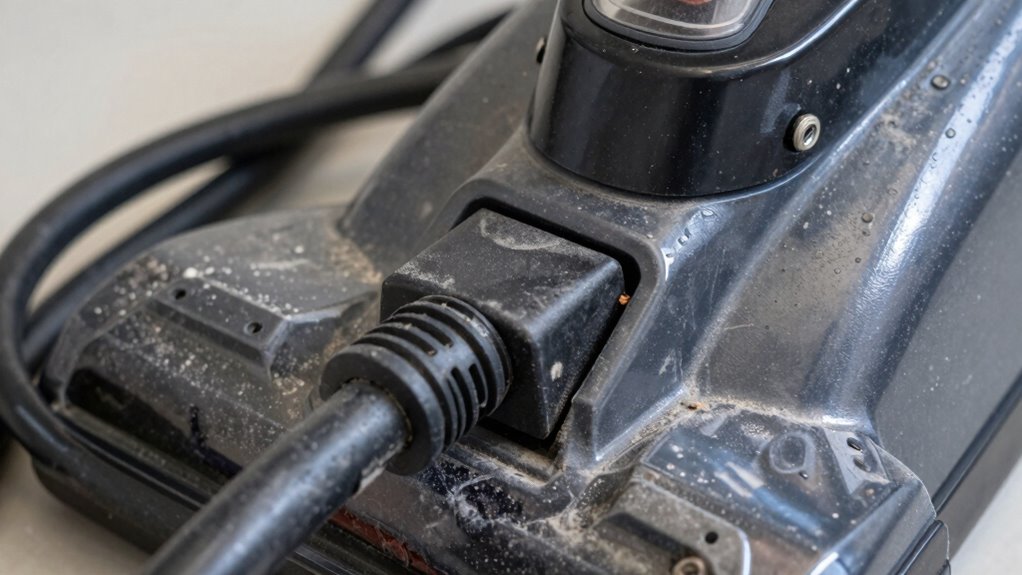
Vacuum systems are powerful tools used across various industries, but they can pose significant safety risks if not handled properly. One often-overlooked safety detail is guaranteeing proper electrical grounding. When a wet or dry vacuum isn’t correctly grounded, there’s a real danger of electrical shock, especially when dealing with wet materials or humid environments. You might think that plugging in the vacuum is enough, but without proper grounding, stray electrical currents can build up, increasing the risk of shocks or even fires. Always verify that the vacuum’s power cord and plug are grounded correctly, and inspect grounding connections regularly to prevent any deterioration over time. Proper grounding isn’t just a recommendation—it’s a crucial safety measure that keeps you protected from potentially lethal electrical hazards. Regular maintenance and inspection of grounding components are essential to ensure ongoing safety. Additionally, understanding electrical safety standards can help you stay compliant and safe during operation. Being aware of grounding procedures and adhering to them is vital for comprehensive electrical safety.
Another essential safety aspect that frequently gets ignored is the risk of chemical exposure. When you’re using a vacuum to clean up hazardous substances like solvents, chemicals, or other toxic materials, it’s easy to underestimate the dangers involved. Many assume that a simple vacuum will suffice, but without proper precautions, you could inadvertently expose yourself to harmful fumes or residues. To mitigate this, you need to use a vacuum specifically designed for chemical containment, equipped with appropriate filters and seals. Always wear personal protective equipment, such as gloves and masks, and make certain the vacuum is correctly maintained to prevent leaks or spills. Neglecting chemical safety standards can lead to serious health problems, both immediate and long-term. Additionally, understanding the chemical compatibility of your vacuum components is vital for safe operation. Conducting routine safety checks and ensuring proper storage of hazardous substances can further reduce risks associated with chemical exposure.
As an affiliate, we earn on qualifying purchases.
Frequently Asked Questions
Can I Use a Wet/Dry Vacuum on Electrical Fires?
You shouldn’t use a wet/dry vacuum on electrical fires because of vacuum fire hazards and electrical fire safety risks. These vacuums aren’t designed to handle fires involving electrical components, and the sparks or heat could cause the vacuum to ignite or malfunction. Instead, turn off power sources, use a Class C fire extinguisher, and call emergency services. Ignoring these precautions can escalate the danger of electrical fire hazards.
What PPE Should I Wear When Operating a Wet/Dry Vacuum?
When operating a wet/dry vacuum, you’re stepping into a safety tightrope walk. Wear protective gear like gloves, goggles, and waterproof boots to shield yourself from splashes and debris. Safety precautions are your safety net, preventing accidents from electrical hazards or chemical spills. Think of PPE as your armor, ensuring you stay safe while tackling messes. Always check your gear before use, making sure it’s in top shape to protect you.
How Often Should I Inspect the Vacuum for Safety Issues?
You should inspect your wet/dry vacuum for safety issues before each use. Regular vacuum maintenance is essential to catch potential hazards early. Follow a safety checklist to guarantee all parts are functioning properly, especially the cord, hose, and filters. Checking the vacuum frequently helps prevent electrical issues or mechanical failures. By staying diligent, you keep yourself safe and extend the life of your equipment.
Is It Safe to Vacuum Liquids Near Power Outlets?
You should avoid vacuuming liquids near power outlets because it can cause electrical shock or a fire hazard. Water near electrical components increases the risk of short circuits, which can lead to dangerous shocks or fires. Always unplug the vacuum and make sure the area is dry before attempting to vacuum liquids. Use a wet/dry vacuum specifically designed for liquids, and keep electrical outlets away from wet surfaces for safety.
Can I Use the Same Vacuum for Wet and Dry Cleaning Without Switching Accessories?
It’s a coincidence that your vacuum’s compatibility with wet and dry cleaning often gets overlooked. You shouldn’t use the same vacuum for wet and dry cleaning without switching accessories, as it can damage the machine or pose safety hazards. Always check if your vacuum is designed for both, and switch accessories accordingly. Proper accessory switching guarantees safe, efficient cleaning and prevents costly repairs or accidents.
chemical containment vacuum filters
As an affiliate, we earn on qualifying purchases.
As an affiliate, we earn on qualifying purchases.
Conclusion
So, next time you reach for your wet/dry vacuum, remember these safety tips. It might seem like overkill, but ignoring them can lead to serious hazards. Taking just a moment to double-check your connections and keep liquids away from electrical parts can save you from costly accidents. Don’t let complacency be your downfall—staying vigilant keeps your workspace safe and your vacuum working properly. Safety isn’t optional; it’s essential for peace of mind.
industrial PPE for chemical handling
As an affiliate, we earn on qualifying purchases.
As an affiliate, we earn on qualifying purchases.
vacuum inspection and maintenance tools
As an affiliate, we earn on qualifying purchases.
As an affiliate, we earn on qualifying purchases.
Evergreen bestsellers Picks
bestsellers
As an affiliate, we earn on qualifying purchases.