
Glass streaks happen when you use improper cleaning materials, like rough cloths or paper towels that leave lint, or when you clean in direct sunlight which causes quick evaporation and streaks. Using the wrong cleaning solutions or dirty cloths spreads grime, making streaks worse. To fix this, choose a microfiber cloth, use gentle circular motions, and avoid cleaning in hot sun. Keep these tips in mind, and you’ll discover more ways to achieve crystal-clear glass.
Key Takeaways
- Residue from dirty cloths or improper cleaning solutions causes streaks on glass surfaces.
- Using rough materials like paper towels can leave fibers that lead to streaks.
- Cleaning in direct sunlight causes quick evaporation, resulting in streaks and uneven clarity.
- Undiluted vinegar or harsh chemicals can leave residues that create streaks after drying.
- Proper technique with microfiber cloths, gentle circular motions, and appropriate timing prevents streaks.
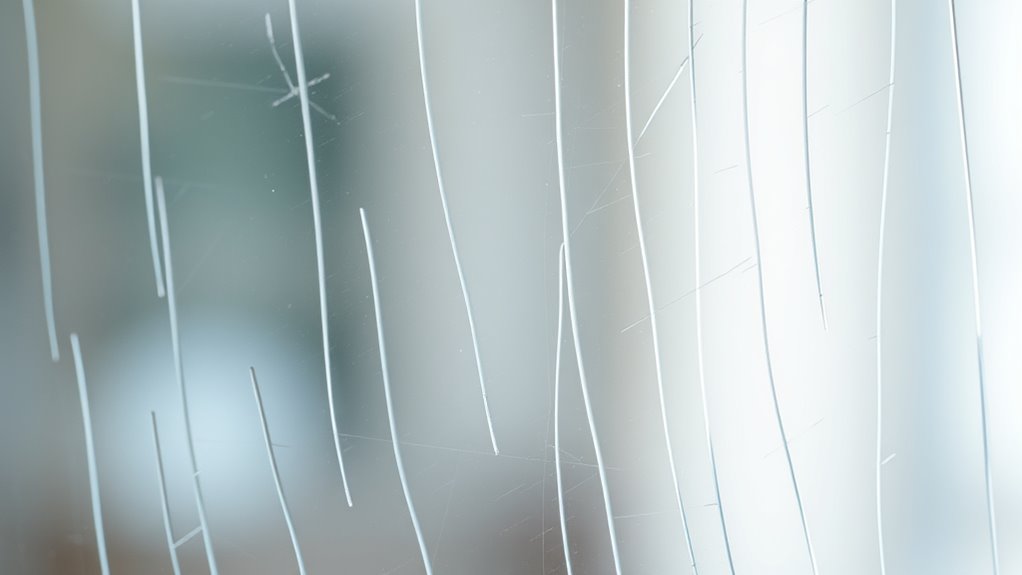
Glass streaks often appear as unsightly marks that can ruin the clarity of your windows or mirrors. You might think that simply wiping with a cloth or paper towel will do the trick, but streaks tend to persist, making your glass look dull and unclean. To get rid of these streaks, understanding the right cleaning techniques is essential. Many people fall into common misconceptions about cleaning glass, which only worsens the problem.
One of the biggest misconceptions is that using paper towels or rough cloths is the best way to clean glass. In reality, these materials can leave behind lint or tiny fibers, which contribute to streaks instead of eliminating them. Instead, opt for a microfiber cloth, which is gentle and designed to trap dirt and grease effectively. When cleaning, avoid using too much pressure; gentle, circular motions are more effective at removing smudges without spreading dirt around.
Using microfiber cloths prevents lint and streaks during glass cleaning.
Another common mistake is using unsuitable cleaning solutions. Many turn to household products like vinegar or ammonia without understanding how they work. While vinegar can be effective, it’s important to dilute it properly—undiluted vinegar can sometimes leave streaks or damage certain surfaces. Commercial glass cleaners are formulated to evaporate quickly, reducing streaks, but even then, technique matters. Spray the cleaner evenly onto the glass, then wipe with a clean microfiber cloth, turning the cloth as you go to avoid spreading dirt or residue.
The timing and method of cleaning also play a role. Many assume that cleaning glass in direct sunlight speeds up the process, but the heat can cause the cleaning solution to evaporate too quickly, leaving streaks behind. It’s best to clean on a cloudy day or when the glass isn’t exposed to direct sunlight. Additionally, avoid cleaning glass with a dirty cloth or sponge, as this can spread grime, making streaks more noticeable.
Using a squeegee for larger panes of glass can help achieve a streak-free finish. Start from the top and work your way down with smooth, vertical strokes. Wipe the squeegee blade with a cloth after each pass to prevent streaks. After squeegeeing, buff the glass with a dry microfiber cloth to remove any remaining moisture and streaks. Proper cleaning techniques are essential for achieving crystal-clear glass without streaks.
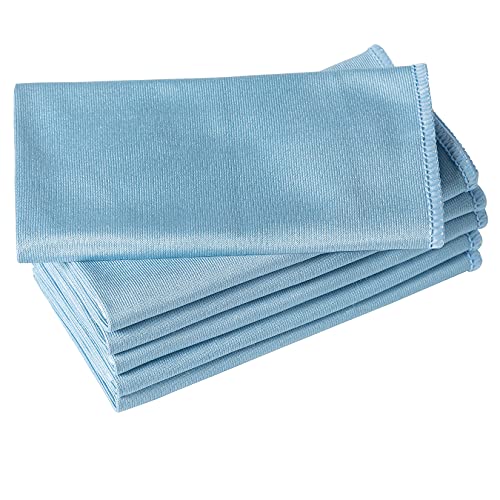
Puomue 6 Pack Microfiber Glass Cleaning Cloth, 16 Inch X 16 Inch, Lint Free Quickly Clean Window, Glasses, Windshields, Mirrors, and Stainless Steel, Blue
ABSORBENT & FAST DRYING – Microfiber material provides super absorbent water ability of the cloths makes quick drying…
As an affiliate, we earn on qualifying purchases.
As an affiliate, we earn on qualifying purchases.
Frequently Asked Questions
Can Glass Streaks Be Caused by Environmental Factors?
Yes, environmental factors can cause glass streaks. When environmental buildup occurs, dust, pollen, and dirt settle on your glass surfaces. Atmospheric moisture can also contribute to streaks by creating a thin film of water that attracts more dirt or dries unevenly. These elements combine to leave streaks or smudges on your glass, especially if you don’t clean regularly or if humidity levels fluctuate, making it harder to keep your glass crystal clear.
Are There Specific Brands of Glass Cleaner That Prevent Streaks?
You’ll love how some brands of glass cleaner, like those with alcohol-based formulas, help prevent streaks. When you spray them onto a microfiber cloth, the liquid evaporates quickly, leaving your glass crystal clear without marks. Look for products specifically designed for streak-free shine, and always use a clean, damp microfiber cloth. This combo makes your windows gleam, giving you a streak-free view that’s truly satisfying.
How Long Does It Take for Streaks to Form After Cleaning?
Streaks can form within minutes after you finish cleaning, depending on factors like humidity and the cleaner used. Usually, the timing of streaks varies from a few minutes to an hour, with streak formation speed influenced by the amount of residue left behind and how quickly the glass dries. To minimize this, use a streak-free cleaner and dry the surface promptly for the best results.
Can Hard Water Spots Contribute to Glass Streaks?
Yes, hard water spots can contribute to glass streaks because mineral buildup from water hardness leaves residue on your glass surfaces. When water with high mineral content evaporates, it leaves behind deposits that cause streaks and spots. Over time, this buildup worsens, making streaks more noticeable and difficult to clean. To prevent this, use distilled water or a water softener, and regularly clean your glass to minimize mineral deposits.
Do Different Glass Types Require Different Cleaning Techniques?
Different glass types definitely demand distinct detailing and cleaning techniques. You should consider glass composition because it influences cleaning compatibility—some materials withstand certain cleaners better than others. For example, delicate crystal may crack or cloud with harsh chemicals, while tough tempered glass handles tougher treatments. Always match your methods to the glass’s unique makeup, making maintenance more manageable and minimizing streaks, smudges, and scratches. Properly pairing technique with type keeps your glass gleaming and damage-free.

Zep Streak-Free Glass Cleaner 32 oz ZU112032 , Blue
Removes fingerprints and grime
As an affiliate, we earn on qualifying purchases.
As an affiliate, we earn on qualifying purchases.
Conclusion
Now that you know the real cause behind those pesky glass streaks and how to fix them, aren’t you ready to enjoy crystal-clear windows again? With just a few simple steps, you can banish streaks for good and see your view in perfect clarity. So, why settle for cloudy glass when a quick clean can make all the difference? Take control today and enjoy spotless, streak-free windows that truly shine.
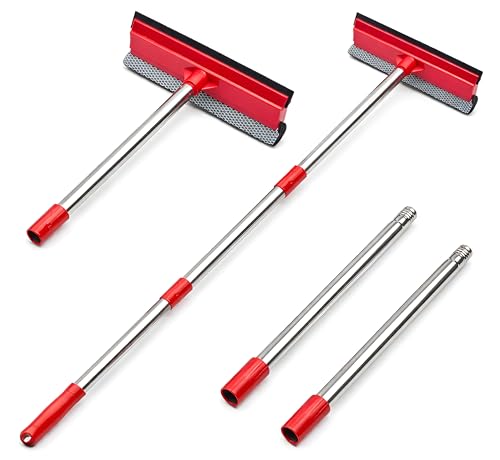
DSV Standard Window Squeegee, 2-in-1 Window Cleaner with 55" Extension Poles, Window Washing Kit, Glass Door Cleaner, Multi-Use Car Windshield Cleaning Tool with Long Handle for High Outdoor Windows
【EASY TO USE】 2 in 1 Function Window Cleaning Tool With 4 Section Of Extension Poles, You Can…
As an affiliate, we earn on qualifying purchases.
As an affiliate, we earn on qualifying purchases.

Sprayway Glass Cleaner Foaming Aerosol Spray, 19oz, Pack of 2 | Ammonia-Free, Streakless, Fast-Acting | Cleans & Polishes Glass Surfaces | Fresh Scent, Removes Fingerprints, Dust, Dirt, Smoke Film
Can be used on all glass surfaces
As an affiliate, we earn on qualifying purchases.
As an affiliate, we earn on qualifying purchases.