Hard water contains minerals like calcium and magnesium, which react with soap molecules and form a film called soap scum. This film clings to your skin, dishes, and surfaces, making soap less effective and causing residue. The minerals also leave deposits on fixtures and appliances. If you keep experiencing this film, managing hard water with proper treatments can help. Keep exploring to discover proven ways to tackle mineral buildup and improve cleaning results.
Key Takeaways
- Hard water contains minerals like calcium and magnesium that react with soap, creating insoluble soap scum and film.
- Mineral deposits bind with soap molecules, preventing proper rinsing and leaving a greasy residue on surfaces.
- High mineral content reduces soap’s lathering ability, causing persistent film and ineffective cleaning.
- Without water softening, mineral buildup on fixtures and surfaces worsens, increasing soap scum formation.
- Proper water treatment and rinsing techniques are essential to prevent soap film caused by hard water.
What Makes Water Hard and How It Affects Soap
Hard water contains high levels of dissolved minerals, mainly calcium and magnesium ions, affecting water composition markedly. When you use soap in hard water, its efficiency drops because these minerals react with soap’s molecules, forming insoluble compounds. This reaction, called soap scum formation, reduces the soap’s ability to create lather and clean effectively. As a result, you may notice that soap doesn’t rinse away easily and leaves a film behind. Instead of washing away dirt and oils, the soap binds with minerals, leaving behind a film on your skin, dishes, or fixtures. The mineral content in water directly influences how well soap works; the higher the mineral levels, the more pronounced the issues with soap’s performance. Understanding water composition helps explain why soap doesn’t lather properly and why hard water can leave behind that stubborn film. mineral content plays a crucial role in these interactions, affecting both cleaning efficiency and residue buildup. Recognizing the water chemistry can help in choosing appropriate cleaning agents to minimize these effects, especially since water hardness can vary greatly depending on your location. Additionally, water softening methods can be employed to alter the water composition, improving soap’s performance and reducing film buildup.
The Chemistry Behind Soap Residue in Hard Water
Have you ever wondered why soap leaves a stubborn residue in hard water? It all comes down to the chemistry, especially pH levels and soap’s molecular structure. Hard water contains minerals like calcium and magnesium, which react with soap molecules. These minerals disrupt the soap’s ability to lather properly. A common issue associated with hard water is soap scum buildup, which can also affect plumbing and fixtures over time. Soap molecules have a long hydrocarbon tail and a charged head, designed to trap dirt and grease. In hard water, calcium and magnesium ions bind with soap molecules, forming insoluble precipitates called soap scum. This reaction is influenced by pH levels; higher pH makes soap less effective and increases residue formation. Additionally, understanding water hardness can help in choosing appropriate water treatment methods to reduce buildup. Recognizing the role of mineral content in water chemistry can aid in selecting effective softening treatments. A thorough understanding of soap chemistry can also assist in developing better cleaning strategies and product formulations. Being aware of the ionic interactions between minerals and soap can help optimize cleaning performance and reduce residue buildup. Understanding this interaction helps explain why soap residues stick around and why softening water improves cleaning results.
Signs That Hard Water Is Causing Soap Film
If soap leaves a stubborn film after cleaning, it’s a strong sign that hard water is at work. You’ll notice a cloudy, greasy residue that doesn’t rinse away easily, especially on skin, dishes, or surfaces. This soap residue clings and creates a filmy layer, making everything feel less clean. You might also observe soap scum buildup in your bathroom or on fixtures, which indicates hard water’s presence. When you use soap and see persistent film or spots, it’s a clear sign that minerals like calcium and magnesium are reacting with the soap, forming soap film. These signs point directly to hard water affecting your cleaning routine, leaving behind unwanted soap residue that’s tough to remove without treatment. Additionally, natural ingredients in some soaps can react differently with mineral deposits, sometimes increasing the likelihood of film formation. Understanding water mineral composition can help explain why certain soaps behave this way and guide you toward better cleaning solutions. Recognizing hard water effects can help you take appropriate steps to improve your water quality and cleaning results. Being aware of these signs can also motivate you to explore water softening options to restore your cleaning efficiency and surface appearance.
Common Household Items That React With Hard Water
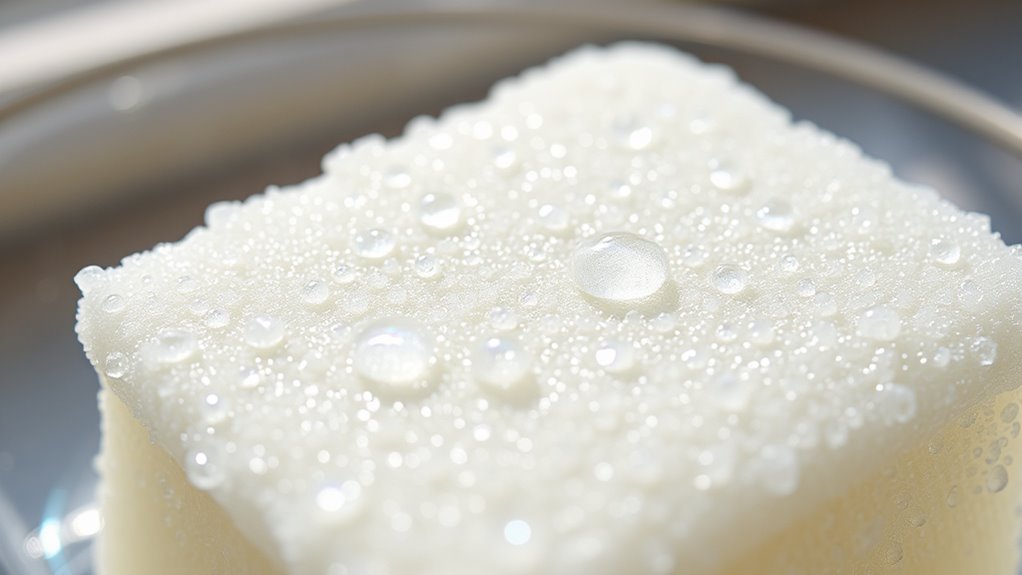
You probably notice soap scum on your bathroom tiles or mineral buildup on faucets, and these are common signs of reactions with hard water. When items like soap or cleaning products interact with minerals in hard water, they create stubborn residues. Recognizing these reactions helps you understand how everyday household items are affected. Additionally, understanding the architectural needs of your home can help you implement solutions to reduce mineral buildup and protect your fixtures. Proper air purifier maintenance can also prevent airborne allergens that might contribute indirectly to household cleanliness issues. Being aware of the pinball machine weight can be useful if you plan to move heavy fixtures or appliances around your home. Incorporating quality assurance practices in household maintenance can further ensure that your cleaning routines and repairs are effective and long-lasting. Monitoring wiring basics can help prevent electrical issues caused by mineral deposits affecting connections.
Soap Scum Formation
Soap scum formation occurs when soap reacts with minerals in hard water, creating a stubborn film on surfaces. This buildup clings to your shower doors, sinks, and tubs, making cleaning frustrating. To combat this, you need effective soap scum removal techniques and consider water softening methods to reduce mineral content. Using a vinegar solution or commercial cleansers can help dissolve existing soap scum. Installing water softeners, such as ion exchange systems, can prevent future buildup by removing calcium and magnesium ions before they react with soap. Regular cleaning with non-abrasive tools also minimizes film development. Keep in mind, softening your water is the most efficient way to prevent soap scum formation, saving you time and effort on cleaning. Incorporating connected home technology can also help monitor and manage water quality to prevent buildup. Additionally, understanding the role of minerals in hard water can guide you in selecting the best water treatment solutions for your household, ensuring a long-term solution to soap scum issues.
Mineral Buildup on Surfaces
Hard water often leaves mineral deposits on common household items, causing unsightly stains and reduced functionality. Water mineralization occurs when minerals like calcium and magnesium build up on surfaces such as faucets, glassware, and appliances. Over time, these deposits form a hard, chalky film that’s difficult to remove. This buildup can lead to surface corrosion, weakening metal parts and degrading finishes. You might notice cloudy spots on your glassware or mineral rings around your sink and tub. These deposits not only look unsightly but also hinder the performance of appliances like dishwashers and water heaters. Regular cleaning with descaling agents or installing water softeners can help prevent mineral buildup, protecting your household surfaces and maintaining their appearance and efficiency. Additionally, understanding the effectiveness of water softeners can help you choose the best solution for your home. Employing descaling techniques can further extend the lifespan of your appliances and fixtures, ensuring they function optimally over time. Recognizing the impact of mineral deposits on various household items can motivate proactive maintenance to preserve their longevity, especially since mineral buildup can sometimes cause irreversible damage if left unaddressed.
Strategies to Reduce Soap Film and Improve Cleaning
To reduce soap film and clean more effectively, you should consider water softening methods to minimize mineral buildup. Using proper rinsing techniques helps remove soap residue completely, preventing film formation. Combining these strategies guarantees your cleaning efforts are more efficient and leave surfaces spotless.
Use Water Softening Methods
Using water softening methods can substantially reduce soap film and make cleaning more effective. By implementing techniques like water filtration and salt exchange, you can transform hard water into gentler water, minimizing mineral buildup. Water filtration systems remove calcium and magnesium ions, preventing soap scum formation. Salt exchange systems, like water softeners, replace these minerals with sodium ions, decreasing soap’s tendency to create film. These methods improve cleaning efficiency and prolong the lifespan of appliances and fixtures. To get started, consider installing a water softener or a filtration unit suited to your needs. Regular maintenance ensures peak performance. Softened water not only reduces soap film but also makes soap lather better, making your cleaning routines more effective and less frustrating.
- Install a water softener or filtration system
- Regularly maintain and replenish your salt exchange system
- Use appropriate water treatment tailored to your water hardness
Apply Proper Rinsing Techniques
Effective rinsing techniques are essential for reducing soap film and enhancing cleaning results. To achieve this, focus on using a proper rinsing technique that ensures all soap residues are removed. Start with water at a warm temperature, as it helps dissolve soap more effectively. Avoid hot water, which can set mineral deposits, or cold water, which may leave soap behind. Move the spray or stream steadily over surfaces, ensuring even coverage and thorough rinsing.
| Rinsing Technique | Water Temperature |
|---|---|
| Use a steady stream | Warm water (not hot) |
| Cover all areas | Cold water (for final rinse) |
| Maintain even movement | Avoid abrupt changes in temperature |
Long-Term Solutions for Hard Water Issues
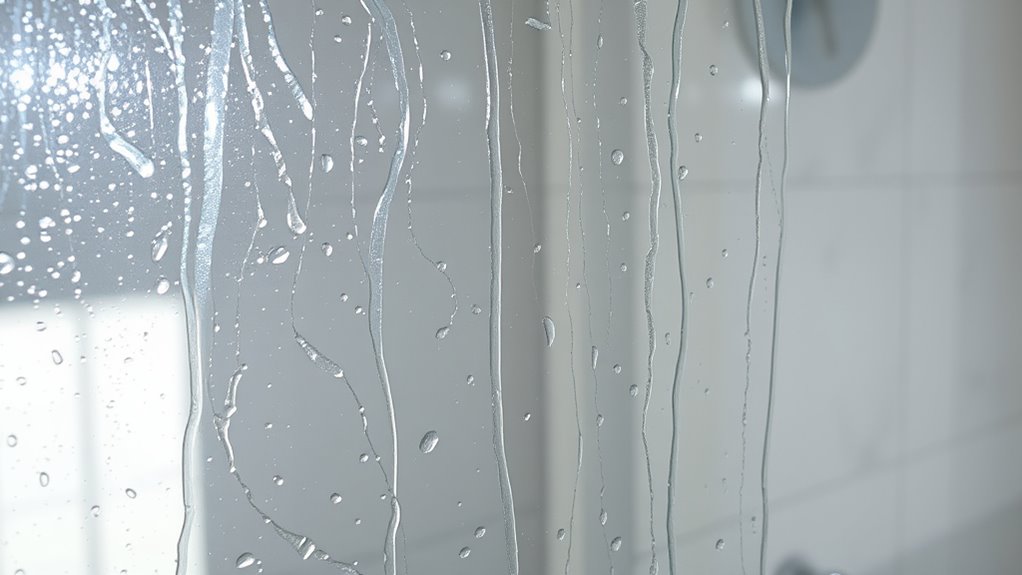
Addressing hard water issues long-term requires more than quick fixes; it calls for permanent solutions that prevent mineral buildup and soap film formation. Installing a quality water filtration system can substantially reduce mineral content, making soap rinse off more easily. Regular water testing helps you monitor hardness levels and determine when filtration needs adjustment. Consider installing a water softener to replace calcium and magnesium ions with sodium, which reduces limescale and film. Maintaining these systems ensures consistent water quality and minimizes soap residue. Additionally, scheduling routine water testing allows you to catch changes early, ensuring your solutions remain effective. By investing in these long-term measures, you can enjoy softer water and cleaner surfaces without constantly battling soap film.
Frequently Asked Questions
Can Hard Water Damage My Plumbing Over Time?
Yes, hard water can damage your plumbing over time. The minerals in hard water cause mineral buildup inside pipes, leading to reduced water flow and increased pressure. This buildup can cause plumbing corrosion, weakening pipes and potentially causing leaks or bursts. Regular maintenance and softening systems can help prevent this damage, ensuring your plumbing stays in good shape longer.
Does Using More Soap Help Eliminate Film Effectively?
Using more soap won’t eliminate film effectively, even though it might seem like a good idea. Studies show that soap suds can actually increase when hard water is involved, but this doesn’t mean you’re achieving better cleanliness. Instead, it can leave behind a film that makes your skin or dishes feel grimy. Focus on using the right amount of soap and consider water softening to improve your cleanliness perception and reduce film buildup.
Are There Specific Soaps Designed for Hard Water?
Yes, there are soaps specifically formulated for hard water. These soaps often include water softening agents or special soap formulations designed to reduce mineral buildup. By using these products, you help minimize soap scum and film, ensuring cleaner dishes, skin, and surfaces. Look for soaps labeled as water softening or formulated for hard water conditions; they can make a noticeable difference in combating soap film and improving cleaning performance.
How Does Hard Water Affect Skin and Hair?
Imagine you’re in a Victorian era bathhouse—hard water can cause skin irritation and hair dryness. When you wash, minerals in the water strip natural oils, leading to itchiness and dull, brittle hair. It can also make your skin feel tight and irritated. To combat this, consider using moisturizing products and rinsing with soft water if possible. Your skin and hair will thank you for the extra care.
Can Installing a Water Softener Completely Prevent Soap Film?
Installing a water softener can considerably reduce soap residue and water scaling, but it might not completely prevent soap film. Softening the water minimizes mineral deposits that cause film, yet some soap residue may still cling due to other factors like soap type or water temperature. To get the best results, combine a water softener with proper rinsing techniques and suitable soaps designed for soft water.
Conclusion
Dealing with soap film in hard water feels like battling an unstoppable force of nature. But with the right strategies, you can conquer it and restore your shiny surfaces. By understanding the chemistry and using simple fixes, you’ll turn your home into a sparkling paradise—not a battlefield. Don’t let stubborn soap film win; take control and transform your cleaning routine into a breeze. Your home deserves the brilliance of a flawless finish, every single time!