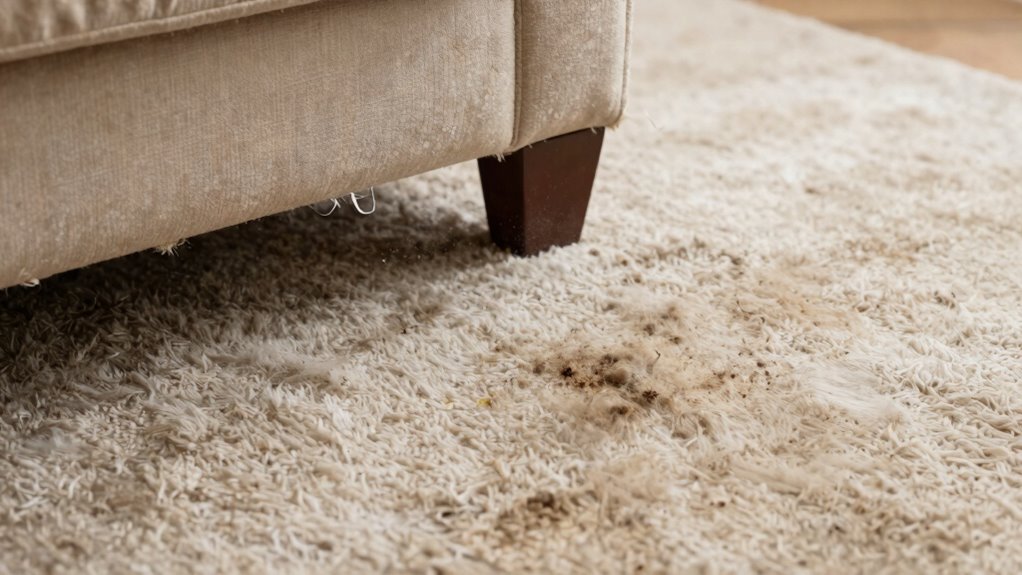
Carpet and upholstery odors happen when organic molecules and microbes get trapped deep in fibers, often fueled by moisture, humidity, and bacteria or mold growth. Regular cleaning might remove surface dirt but rarely reaches embedded residues, so smells persist or return. To truly eliminate odors, you need targeted deep cleaning, moisture control, and odor-neutralizing solutions. Staying informed about these processes will help you keep your space fresh and odor-free.
Key Takeaways
- Odors in carpets and upholstery result from airborne molecules attaching to fibers and microbial activity in damp conditions.
- Deep-seated stains and organic residues trap odor molecules, making smells difficult to eliminate with surface cleaning.
- Microorganisms like bacteria and mold thrive in moist environments, producing gases that contribute to persistent odors.
- Proper moisture control, ventilation, and thorough cleaning disrupt microbial growth and reduce odor formation.
- Combining deep cleaning, odor absorbers, and natural or chemical neutralizers effectively restores freshness and prevents odor recurrence.

BISSELL TurboClean, Upright Carpet Cleaner, Pro Max Clean & Protect + Oxy Urine Eliminator Formula Included, 3952
EVERY PURCHASE SAVES PETS. Every purchase makes it possible for BISSELL to continue our support of BISSELL Pet…
As an affiliate, we earn on qualifying purchases.
As an affiliate, we earn on qualifying purchases.
The Science Behind Odors: How They Form and Persist
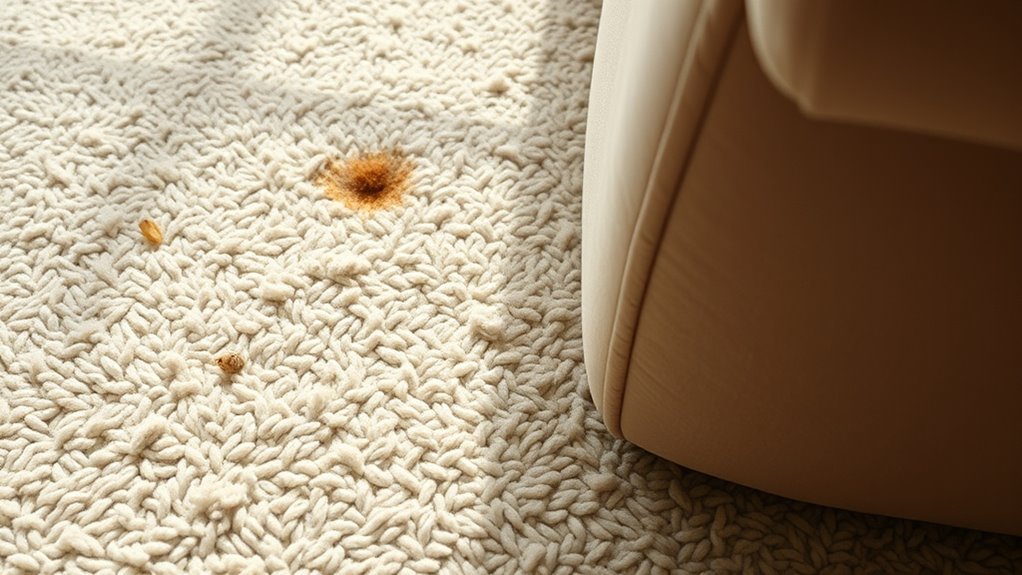
Odors form when molecules emitted by substances like dirt, bacteria, or mold become airborne and reach your nose. Once airborne, these molecules often undergo odor encapsulation, where they become trapped within tiny particles or fibers, making them harder to remove. Scent molecule bonding occurs when these molecules attach to surfaces like carpet fibers or upholstery materials, creating a lasting smell. The bond between scent molecules and fabric fibers can be strong, allowing odors to persist even after cleaning. This process explains why some smells linger long after the source is gone. Additionally, the dynamic contrast ratios in projectors demonstrate how content-adaptive technology can enhance visual clarity, much like how understanding odor encapsulation helps in effectively addressing stubborn smells. Recognizing the molecular interactions involved in odor formation can assist in developing more effective cleaning strategies. Recent advancements in cleaning agents utilize insights from molecular interactions to break down these bonds more effectively, leading to better odor removal. Moreover, understanding the chemical bonds between odor molecules and fabrics highlights the importance of specialized cleaning methods to achieve complete odor elimination.

Zep Air and Fabric Odor Eliminator 128 Ounce (1 Gallon) ZUAIR128 – Refresh Your Home, Office and Business
Neutralizes odors in the air or on the carpet and provides a fresh, long-lasting scent
As an affiliate, we earn on qualifying purchases.
As an affiliate, we earn on qualifying purchases.
Common Causes of Odors in Carpets and Upholstery
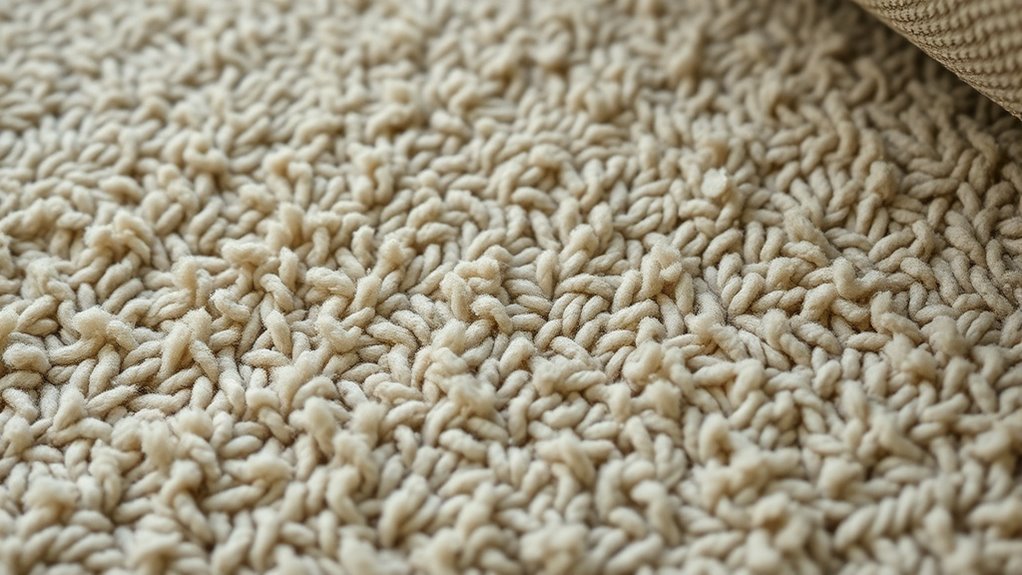
Many common household activities and conditions can introduce or generate odors in carpets and upholstery. Pet stains are a frequent source, as urine, feces, and even drool can seep into fibers, creating persistent smells if not cleaned properly. Cooking spills also contribute considerably; grease, sauces, and food particles left on surfaces can break down over time, releasing unpleasant odors. These stains often become embedded deep within the fibers, making odors harder to eliminate the longer they sit. Additionally, organic matter from pet accidents and spills can attract bacteria and mold, further intensifying unpleasant smells. Recognizing these common causes helps you take prompt action to prevent odors from becoming embedded, ensuring your carpets and upholstery stay fresh and inviting. Using smart cleaning tools can help detect and eliminate odors more effectively before they set in. Furthermore, regular vacuuming can significantly reduce surface debris and prevent the buildup of odor-causing particles, maintaining a healthier indoor environment. Incorporating advanced detection methods can assist in identifying hidden or deeply embedded odors, enabling targeted cleaning strategies. Proper ventilation also plays a key role in dispersing lingering smells and promoting a fresher atmosphere. Incorporating proper drying techniques after spills can also prevent moisture buildup that encourages mold growth and associated odors.
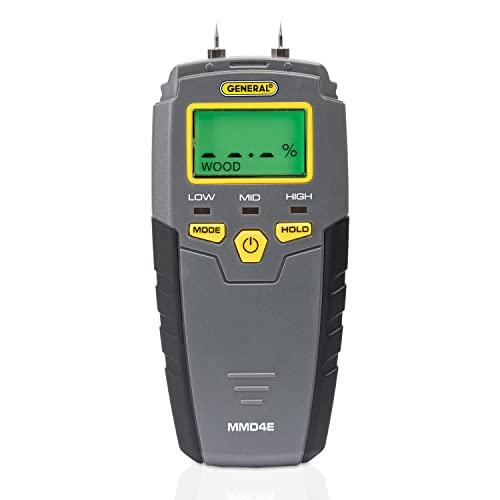
General Tools MMD4E Digital Moisture Meter, Water Leak Detector, Moisture Tester, Pin Type, Backlit LCD Display With Audible and Visual High-Medium-Low Moisture Content Alerts, Grays
HUMIDITY SENSOR: Our handy meter tool can quickly determine what level of remediation is needed to keep your…
As an affiliate, we earn on qualifying purchases.
As an affiliate, we earn on qualifying purchases.
The Role of Moisture and Humidity in Odor Development
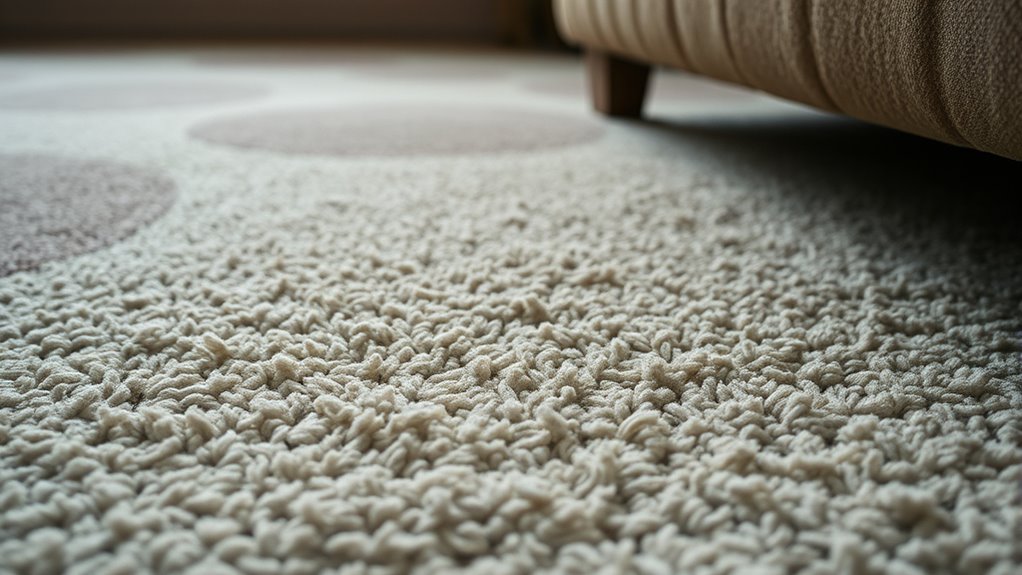
Moisture creates a perfect environment for microbes to thrive, which can lead to unpleasant odors. When humidity levels are high, these odors tend to amplify and linger in your carpet and upholstery. Controlling moisture and humidity is key to preventing and reducing persistent smells. Additionally, using high-quality cleaning products can help eliminate odor-causing bacteria more effectively. Proper ventilation and air circulation also play crucial roles in managing humidity levels and maintaining a fresh indoor environment. Regularly inspecting and addressing any moisture buildup can further minimize the risk of odor development. Incorporating professional cleaning services can enhance odor control efforts and ensure thorough elimination. Understanding the effects of humidity on microbial growth can help you develop better strategies for odor prevention.
Moisture’s Effect on Microbes
Microbes thrive when moisture levels rise, creating an ideal environment for odor development. When your carpet or upholstery retains excess moisture, it encourages microbial growth, which accelerates odor formation. High humidity or spills that aren’t promptly dried out provide the perfect conditions for bacteria and mold to flourish. To prevent this, focus on moisture control—dry spills immediately, ensure proper ventilation, and use dehumidifiers if necessary. Keeping moisture levels in check disrupts microbial growth, reducing the likelihood of lingering odors. Without excess moisture, microbes can’t multiply as easily, and odors won’t develop as quickly. Proper airflow management is essential to prevent moisture buildup and microbial activity. Effective moisture management is your best defense against microbial activity that causes unpleasant smells in your home. Staying aware of grocery savings strategies and implementing them can also help you maintain a healthy, odor-free environment. Additionally, understanding the differences between mold and bacteria can help in identifying the source of odors and addressing them appropriately. Recognizing how moisture influences microbial growth allows you to take targeted action to keep your spaces fresh and odor-free. Stay vigilant with moisture control to keep your spaces fresh and odor-free.
Humidity and Odor Amplification
When humidity levels rise, they can markedly amplify odors in your home’s carpet and upholstery. Moisture creates a perfect environment for bacteria and mold to thrive, which intensifies unpleasant smells. Poor air circulation traps humidity and odors, making them harder to eliminate. Using a dehumidifier helps reduce moisture, preventing odor development. Improving air flow by opening windows or using fans can also lessen odor buildup. Consider this comparison:
| Effect of Humidity | Result |
|---|---|
| High humidity | Amplifies odors |
| Low humidity | Reduces odor intensity |
| Adequate air circulation | Limits odor retention |
Maintaining proper humidity levels and good air circulation are essential steps in controlling odors in your carpet and upholstery. Proper filtration systems can further enhance air quality and odor control.

Activated Charcoal Odor Absorber for Strong Odors in Car, Closet, Shoe, Basement. 10 Activated Charcoal Bags Odor Absorbers for Home. Bamboo Charcoals Air Purifying Bag Charcoals Deodorizer Eliminator
CHARCOAL DEODORIZER BAGS WITH HOOKS. Our 3.5oz bamboo charcoal bag musty smell eliminators are the perfect size to…
As an affiliate, we earn on qualifying purchases.
As an affiliate, we earn on qualifying purchases.
Bacteria, Molds, and Other Microorganisms That Contribute to Smells
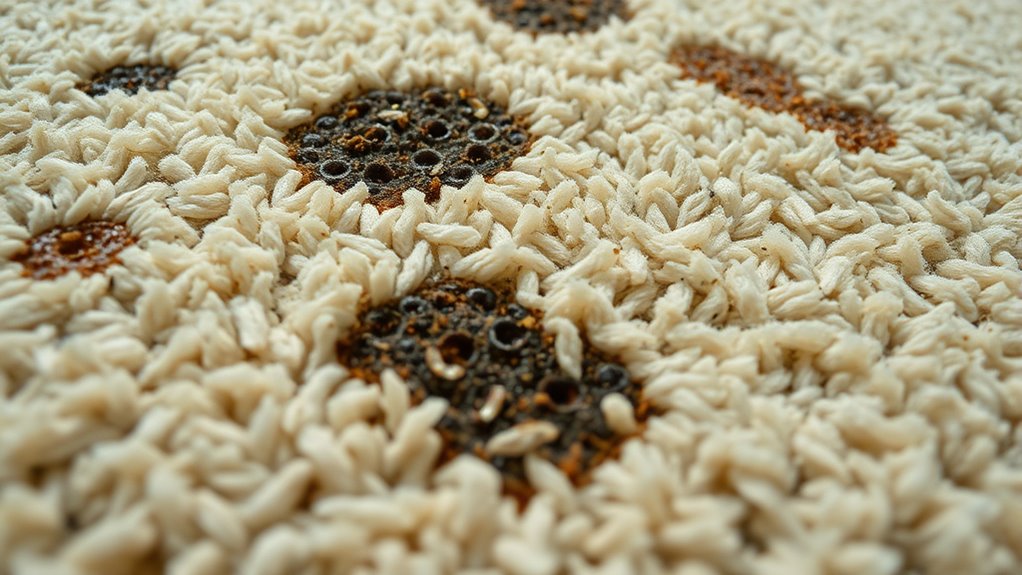
Bacteria, molds, and other microorganisms thrive in the damp, warm environments often found in carpets and upholstery, and they are primary culprits behind unpleasant odors. Their microbial growth occurs when moisture and organic matter provide ideal conditions. These microorganisms absorb odors from the environment and trap them within fibers, making smells persistent. As they feed on dirt, dead skin cells, and organic debris, they produce byproducts like gases and volatile compounds that contribute to foul smells. Over time, this microbial activity intensifies odor absorption, making odors harder to eliminate. Regular cleaning and maintenance help disrupt microbial growth and reduce odors. Implementing effective cleaning methods that reduce moisture and microbial presence is essential to combat this issue, preventing their growth and minimizing odor buildup. Using proper storage techniques for items like butter can also prevent mold growth and odor development in household environments.
Why Regular Cleaning Sometimes Isn’t Enough
Have you ever noticed that despite regular vacuuming and cleaning, stubborn odors persist in your carpets and upholstery? Pet stains often seep deep into fibers, creating lingering smells that surface cleaning can’t fully eliminate. Sun exposure can also worsen odors by breaking down organic compounds and fading fabrics, making smells more noticeable. Regular cleaning removes surface dirt but doesn’t always reach hidden residues embedded deep within fibers. Over time, these residues can ferment or release odors gradually, especially if pets have marked the area or if sunlight has caused fabric deterioration. In such cases, simple cleaning isn’t enough. You need more intensive treatment to target the source of odors at a deeper level and prevent persistent smells from taking hold. Deep cleaning methods like steam cleaning or specialized odor removal treatments can help eliminate embedded residues and restore freshness. Additionally, understanding how fiber structure affects odor retention can guide more effective cleaning strategies.
Effective Methods for Odor Removal and Prevention
To effectively eliminate persistent odors, you need targeted methods that go beyond surface cleaning. Scent absorption is key—you can use activated charcoal or baking soda to draw out odors deep within carpets and upholstery. These substances work by trapping odor molecules, preventing them from lingering. Additionally, odor masking can provide immediate relief; using fragrant sprays or essential oils temporarily covers unpleasant smells, giving your space a fresher feel. Regularly applying these techniques helps prevent odors from settling in and becoming more stubborn. Remember, the goal is to attack the source of the smell and not just hide it. Combining scent absorption with odor masking ensures a more thorough approach, leaving your home smelling clean and fresh while reducing the chances of odors returning.
Natural and Chemical Solutions for Odor Elimination
Natural and chemical solutions both offer effective ways to eliminate odors from carpets and upholstery. Natural remedies, like essential oils, can refresh the space with scents such as lavender or eucalyptus, while also neutralizing unpleasant smells. Simply add a few drops to a spray bottle with water and mist your carpets or furniture. Activated charcoal is another powerful natural option; it absorbs odors without introducing chemicals. Place small bowls of activated charcoal in affected areas to draw out stubborn smells over time. On the chemical side, commercial odor eliminators contain enzymes or synthetic agents designed to break down odor molecules quickly. Combining natural and chemical solutions gives you versatile options to effectively and safely rid your home of persistent odors.
Tips for Maintaining Fresh and Clean Carpets and Upholstery
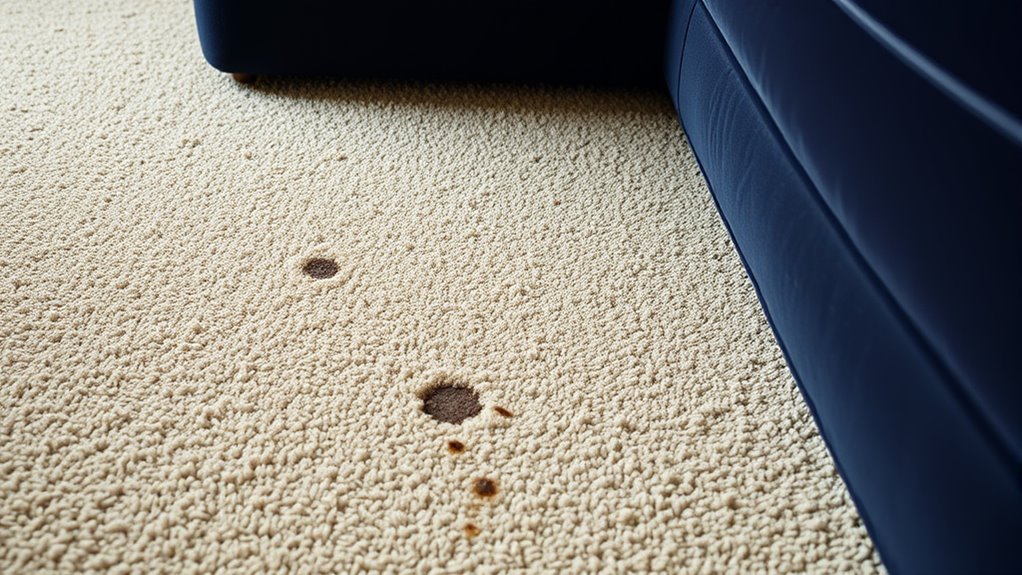
Keeping your carpets and upholstery fresh and clean requires consistent effort and smart habits. Regular vacuuming removes surface dirt and allergens buildup, preventing odors and health issues. Address pet stains immediately to avoid permanent marks and odors. Use protective sprays or slipcovers to reduce damage from pets. Deep clean every 6 to 12 months with professional steam cleaning or DIY solutions. Keep windows open for ventilation and use air purifiers to reduce airborne allergens. Avoid harsh chemicals that can damage fibers.
| Tip | Benefit |
|---|---|
| Regular vacuuming | Reduces allergens buildup |
| Immediate stain removal | Prevents pet stains and odors |
| Deep cleaning cycles | Maintains freshness and hygiene |
| Use of air purifiers | Improves air quality |
| Protective covers | Shields against pet stains |
Frequently Asked Questions
Can Certain Types of Carpets or Fabrics Trap Odors More Than Others?
Yes, certain fiber types trap odors more than others. For example, wool and synthetic fibers like nylon or polyester tend to absorb and retain odors due to their structure. You’ll notice that fabrics with high porosity or those that are more absorbent, like natural fibers, hold onto smells longer. To keep your carpets fresh, consider fiber types that resist odor absorption, and clean regularly to prevent odor buildup.
How Long Do Odors Typically Last Without Cleaning Interventions?
Odors from carpet and upholstery can linger for weeks or even months if you don’t intervene. Odor absorption depends on the material and how much dirt or moisture is trapped, while cleaning duration varies based on the severity. Without cleaning, these odors gradually fade but may still be noticeable. Regular cleaning helps reduce odor absorption and shortens the time it takes for smells to dissipate naturally, keeping your space fresher.
Are There Specific Seasons When Odors Become More Noticeable?
Yes, seasonal smells often become more noticeable during summer and winter. Higher temperatures in summer cause odors to intensify and spread faster, while cold winter air can trap smells indoors. Humidity levels also impact odors, making them worse in humid months. You might notice more persistent or stronger odors during these seasons, especially if you don’t regularly clean or ventilate your space. Proper cleaning helps manage seasonal smell issues effectively.
Do Pets Contribute to Long-Term Odor Issues in Upholstery?
Pets definitely contribute to long-term odor issues in upholstery. Their pet dander, hair shedding, and accidents embed deep into fibers, making odors persistent. You might notice a lingering smell even after cleaning, because these particles cling tightly to fabric. Regular vacuuming, prompt cleaning of accidents, and deep professional treatments help combat these odors. Without ongoing maintenance, pet-related smells can become a constant, frustrating presence in your home.
How Do Professional Cleaning Methods Differ From DIY Solutions?
Professional cleaning methods differ from DIY solutions because they use advanced cleaning equipment that provides deeper, more thorough results. You won’t have to worry about leftover chemical residues, as pros carefully choose eco-friendly or specialized cleaning agents. While DIY methods can be effective for surface cleaning, professionals target embedded dirt and odors, ensuring your upholstery is truly clean and fresh, lasting longer than what you achieve on your own.
Conclusion
To keep your carpets and upholstery smelling fresh, imagine your space as a sanctuary, free from lingering odors. Regular cleaning, controlling moisture, and choosing the right solutions act as a gentle shield against stubborn smells. With consistent care, you’ll create a haven where every breath feels light and inviting, like a crisp breeze flowing through a pristine room. Your efforts transform your home into a fragrant oasis, welcoming you with every step you take.