
When you dust improperly, you often push dust into the air instead of removing it, making things worse. Using dry cloths or sweeping can disturb dust particles, causing them to float and settle later. This increases airborne allergens and leaves surfaces dirtier. To avoid this, switch to damp or microfiber cloths and use gentle techniques. Keep going to discover more tips on how to dust effectively and improve your indoor air quality.

Get school and study supplies delivered free — and shop member deals
- Fast, free delivery on millions of items
- Access to Prime Big Deal Days deals on October 6–7
- Prime Video, Amazon Music and more included
Key Takeaways
- Traditional dry dusting can push dust into the air, increasing airborne particles and indoor pollution.
- Disturbing dust without damp cloths releases it into the environment, causing it to settle later on surfaces.
- Using ineffective tools or techniques can spread dust rather than remove it, worsening indoor cleanliness.
- Poor ventilation during dusting can trap airborne dust, making the space feel dirtier afterward.
- Inadequate or infrequent cleaning allows dust to accumulate and become more problematic when disturbed.
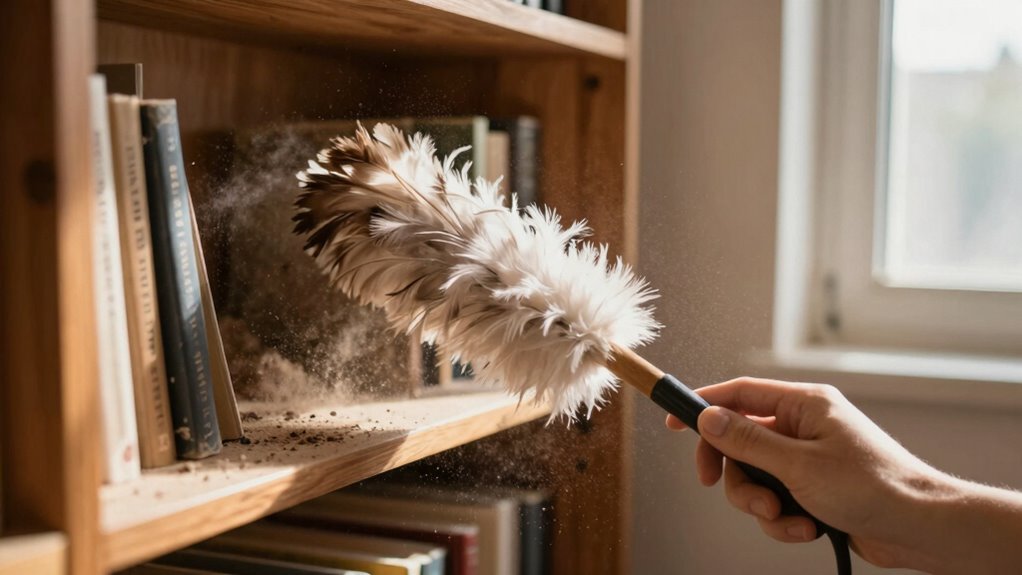
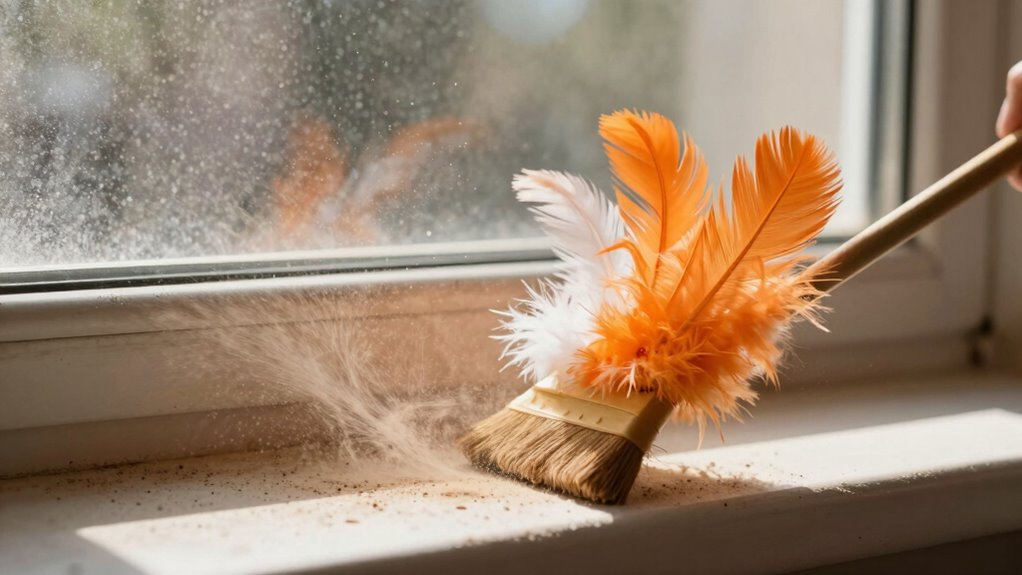
Ever wonder how to make dusting quicker and more effective? It’s a common dilemma—sometimes, instead of cleaning, dusting seems to stir up more dust, making the air feel dirtier. That’s because traditional dusting methods can inadvertently cause airborne particles to become unsettled, especially if you’re not using the right tools or techniques. When you dust with dry cloths or feather dusters, you often just push dust around, rather than removing it. This creates a cloud of airborne particles that lingers in the air, reducing allergen reduction and making your space seem dirtier than before. If you suffer from allergies or respiratory issues, this can be frustrating and even harmful, as dust mites, pet dander, and other allergens become more suspended in the air.
Dry dusting pushes dust into the air, making your space feel dirtier and more allergenic.
The key to avoiding this sneaky problem is understanding how dust behaves and how to control it during cleaning. When you disturb dust with dry methods, tiny particles become airborne, floating around until they settle again—often on surfaces you just cleaned or other spots that are hard to reach. Instead of clearing dust, you’re just redistributing it. This cycle can make your home feel dustier and worse for allergy sufferers. To combat this, you need to focus on methods that trap dust effectively and prevent it from becoming airborne. Using a damp cloth or microfiber cloth is a simple but powerful trick. These materials attract and hold onto dust particles, preventing them from dispersing into the air. It’s a straightforward way to improve allergen reduction and keep dust from bouncing back into your breathing space. Additionally, understanding dust behavior helps you choose the best cleaning methods to minimize airborne particles and maintain healthier indoor air quality. Incorporating dust control techniques into your routine can make a significant difference in maintaining a cleaner environment.
Another effective technique is to vacuum regularly, especially with a HEPA filter. This step removes airborne particles from carpets and upholstery, where dust often accumulates. When you vacuum thoroughly and frequently, you reduce the overall dust load in your environment, making dusting less of a constant battle. Regular vacuuming also helps prevent dust buildup, which can become more difficult to clean if left for too long. Incorporating proper ventilation by opening windows or using exhaust fans can further help in reducing indoor dust levels, especially during and after cleaning. Using an air purifier can help trap airborne particles, further reducing allergens and improving indoor air quality. Remember, the goal isn’t just to move dust around, but to eliminate it from your environment and keep it from becoming airborne again. By switching to damp dusting, vacuuming with filters, and maintaining good airflow, you make dusting more efficient and less likely to worsen dust levels.
In the end, dusting doesn’t have to be a frustrating cycle of making things worse. With the right tools and techniques, you can turn dusting into a quick, effective process that genuinely improves your indoor air quality.
As an affiliate, we earn on qualifying purchases.
Frequently Asked Questions
Can Dusting Cause Allergies to Worsen Temporarily?
Yes, dusting can temporarily worsen allergies. When you dust, airborne allergens like dust particles get reintroduced into the air, increasing your exposure. This can cause your allergy symptoms to flare up temporarily. Additionally, dust particles often resettle on surfaces after cleaning, leading to more dust accumulation over time. To minimize this, use a damp cloth instead of a dry duster, and guarantee good ventilation during and after dusting.
Is It Better to Dust Before or After Vacuuming?
Is it better to dust before or after vacuuming? Typically, dusting should come after vacuuming to optimize cleaning schedules and improve air quality. Vacuuming first removes loose dust and debris, preventing it from settling again when you dust. By dusting afterward, you catch remaining particles, reducing airborne dust. This sequence helps create a cleaner, healthier environment, ensuring your efforts genuinely improve indoor air quality rather than spreading dust around.
Do Different Types of Dusters Affect Dust Distribution?
Different duster materials markedly affect dust dispersion. For example, microfiber dusters trap dust better and reduce dispersion, preventing more dust from settling elsewhere. Feather dusters, on the other hand, tend to spread dust around, increasing dust dispersion. Synthetic dusters can vary, but generally, those with static charge attract dust more effectively. Choosing the right material helps you minimize dust spread and keep your space cleaner.
How Often Should I Dust to Prevent Dust Buildup?
You should dust at least once a week to prevent dust buildup, especially since airborne particles settle quickly. When you use the right duster materials, like microfiber or electrostatic cloths, you trap more dust and reduce it dispersing into the air. Coincidentally, this regular routine keeps your home cleaner and healthier, making dust less of a persistent problem. Stay consistent, and you’ll notice less dust floating around daily.
Are There Eco-Friendly Dusting Products Available?
Yes, eco-friendly dusting products are available. You can use natural cleaning options like microfiber cloths, which trap dust without chemicals. Look for eco-friendly alternatives such as those made from plant-based ingredients or biodegradable materials. These options are safe for your family and the environment while effectively removing dust. Incorporating natural cleaning options into your routine helps reduce chemical exposure and promotes a healthier home, making dusting more effective and sustainable.
As an affiliate, we earn on qualifying purchases.
Conclusion
Remember, dusting isn’t just about wiping surfaces—it’s about doing it right. Did you know that the average home accumulates about 40 pounds of dust annually? That’s enough to fill a small bag! If you skip proper techniques, you might just be spreading dust around instead of removing it. So, take your time, use the right tools, and dust wisely. Your home will be cleaner, healthier, and less dusty—trust me, it’s worth the effort!
As an affiliate, we earn on qualifying purchases.
As an affiliate, we earn on qualifying purchases.
Halloween Picks
halloween
As an affiliate, we earn on qualifying purchases.