Ozone cleaners work by producing ozone gas that reacts with airborne pollutants, odors, bacteria, and VOCs through oxidation, effectively breaking them down or neutralizing them. While they can disinfect and deodorize, high ozone levels pose health risks like throat irritation, respiratory problems, and worsened asthma. Safety is vital; use devices only in unoccupied spaces and guarantee ventilation afterward. If you’d like to learn how to protect yourself and find safer alternatives, keep exploring these essential points.
Key Takeaways
- Ozone cleaners produce reactive ozone gas that reacts with pollutants, odors, and germs to purify indoor air.
- They are effective in disinfection but can pose health risks, especially if used improperly or in occupied spaces.
- Elevated ozone levels can cause respiratory irritation, worsen asthma, and damage lung tissue.
- Safety measures include operating in unoccupied areas, proper ventilation, and monitoring ozone levels with sensors.
- Alternatives like HEPA filters, activated carbon purifiers, and natural ventilation are safer options for improving indoor air quality.

LEVOIT Air Purifier for Home Large Room Up to 1073Ft² with Air Quality Monitor, AHAM VERIFIDE, Smart WiFi, Washable Pre-Filter, HEPA Sleep Mode for Pets, Allergies, Dust, Pollen, Vital 100S-P, White
𝐖𝐇𝐘 𝐂𝐇𝐎𝐎𝐒𝐄 𝐀𝐇𝐀𝐌 𝐕𝐄𝐑𝐈𝐅𝐈𝐃𝐄 𝐀𝐈𝐑 𝐏𝐔𝐑𝐈𝐅𝐈𝐄𝐑𝐒: AHAM (Association of Home Appliance Manufacturers) is an ANSI-accredited organization that sets...
As an affiliate, we earn on qualifying purchases.
How Do Ozone Cleaners Work to Purify Indoor Air?
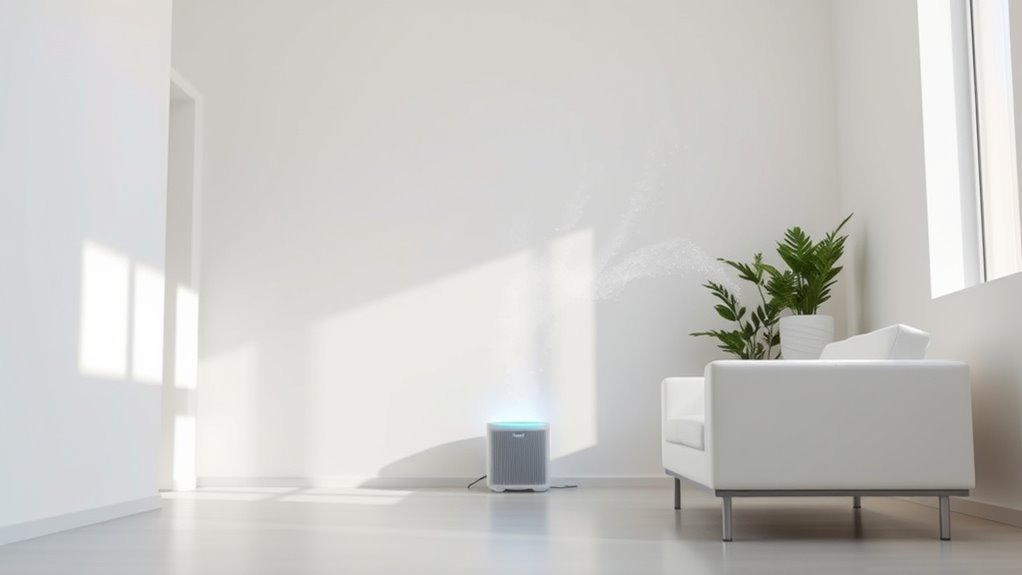
Ozone cleaners work by generating ozone gas, a molecule composed of three oxygen atoms, which reacts with pollutants in the indoor air. This process begins with ozone generation, where the device produces ozone through electrical discharge or UV light. Once released, the ozone interacts with airborne contaminants like bacteria, viruses, and odors, breaking them down through oxidation. Additionally, ozone cleaners often utilize air ionization, which charges particles in the air, causing them to clump together and settle out of the air or become easier to capture with filters. This combination of ozone production and air ionization helps purify indoor air by reducing pollutants and odors, making the environment cleaner and fresher. European cloud innovation also emphasizes the importance of safe and sustainable air purification technologies. However, it’s important to understand how these processes work to guarantee safe and effective use.

LEVOIT Air Purifiers for Home Large Room Up to 1875 Ft² with Washable Pre-Filter, AHAM VERIFIDE, Air Quality Monitor, HEPA Sleep Mode for Allergies, Pet Hair in Bedroom, Vital 200S-P, White
𝐖𝐇𝐘 𝐂𝐇𝐎𝐎𝐒𝐄 𝐀𝐇𝐀𝐌 𝐕𝐄𝐑𝐈𝐅𝐈𝐃𝐄 𝐏𝐑𝐎𝐃𝐔𝐂𝐓𝐒: AHAM (Association of Home Appliance Manufacturers) is an ANSI-accredited organization that sets strict...
As an affiliate, we earn on qualifying purchases.
What’s the Science Behind Ozone’s Oxidizing Power?
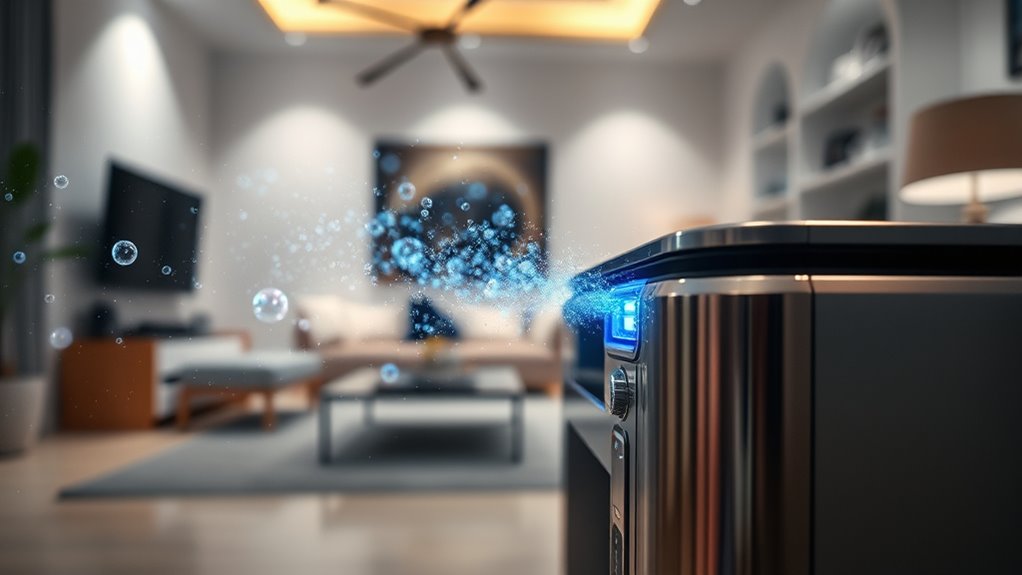
Ozone is a powerful oxidizer that reacts quickly with many pollutants in the air. When it encounters odors or contaminants, it breaks down their chemical structures through oxidation. This process transforms harmful substances into less harmful or odorless compounds, which is the core of ozone’s cleaning ability. Additionally, understanding the color accuracy in imaging devices helps optimize the effectiveness and safety of air cleaning systems.
Ozone as a Strong Oxidizer
Because of its highly reactive nature, ozone acts as a powerful oxidizer that can break down harmful organic compounds and pollutants quickly. In ozone chemistry, this involves oxidation processes where ozone molecules (O₃) interact with contaminants, stripping away electrons and transforming them into less harmful substances. This strong oxidizing ability comes from ozone’s unstable structure, which readily reacts with other molecules. As a result, ozone can eliminate odors, bacteria, and volatile organic compounds by disrupting their chemical bonds. Its capacity to rapidly oxidize pollutants makes it an effective cleaning agent. However, this same strength means ozone can also react with materials in the environment, including your indoor air, creating potentially harmful byproducts. That’s why understanding ozone’s oxidizing power is key to managing its use safely indoors. Visual and auditory cues can aid learning about safe ozone use and its effects.
Chemical Reactions With Pollutants
The key to ozone’s powerful oxidation lies in its ability to transfer oxygen atoms to pollutants through specific chemical reactions. When ozone interacts with airborne contaminants, it triggers chemical reactions that break down pollutants into less harmful substances. This process results in pollutant breakdown, often converting hazardous molecules into simpler, less toxic compounds. The table below illustrates common reactions:
| Pollutant | Reaction with Ozone | Result |
|---|---|---|
| Volatile Organic Compounds (VOCs) | Ozone reacts, forming aldehydes | Reduced odor and toxicity |
| Bacteria and Mold | Ozone oxidizes cell walls | Cell damage, sterilization |
| Odors from Smoke | Ozone breaks down odor molecules | Freshened indoor air |
These chemical reactions are central to ozone’s ability to eliminate indoor pollutants effectively.

KNKA Air Purifier for Home Bedroom Large Room Up to 1,695 Ft² in 1 Hr, HEPA Air Cleaner with Washable Pre-Filter, AQI Display, ECO Mode, Sleep Mode, Pet Mode for Pets, Dust, Pollen, APH4000
𝐇𝐢𝐠𝐡 𝐂𝐀𝐃𝐑 𝐕𝐚𝐥𝐮𝐞: This air purifier provides reliable performance with a Smoke/Dust/PM2.5 CADR of 226 CFM (384 m³/h)...
As an affiliate, we earn on qualifying purchases.
Where Are Ozone Cleaners Usually Used Indoors?
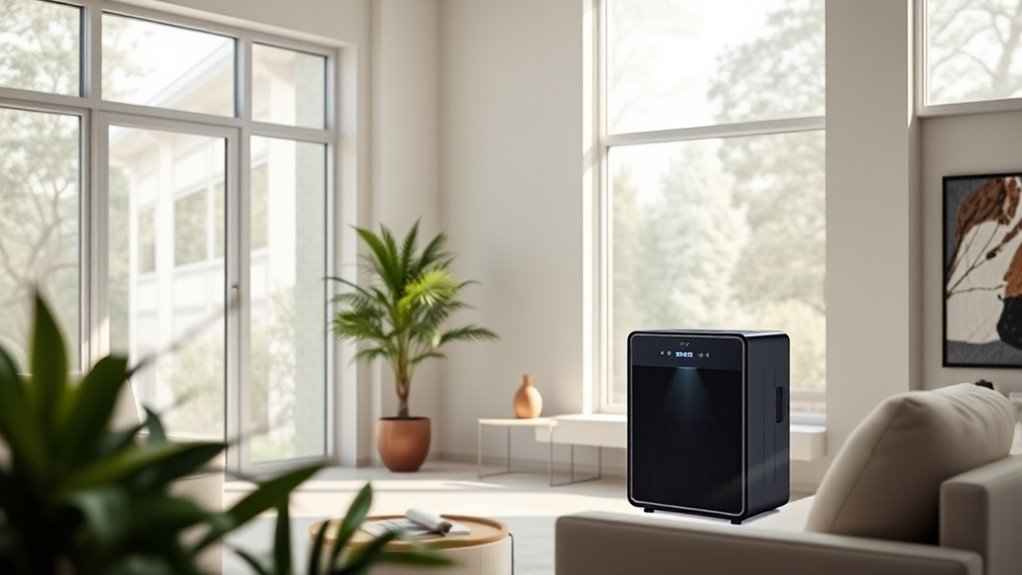
You’ll often find ozone cleaners used in indoor air purification systems to improve air quality. Healthcare and dental facilities rely on them to disinfect spaces and reduce germs effectively. These environments benefit from ozone’s strong oxidizing power to maintain a cleaner, safer atmosphere. Additionally, as nanotechnology advances, more innovative air purification solutions are emerging that utilize nano-enabled materials to enhance filtration efficiency and safety.
Indoor Air Purification Settings
Ozone cleaners are commonly found in various indoor environments where air quality concerns prompt the use of specialized purification methods. You might encounter them in commercial spaces, such as offices, hotels, or shopping centers, where large-scale air treatment is needed. They’re also used in industrial settings to control odors or contaminants. However, due to ozone safety risks, these devices are often restricted or carefully regulated in residential areas. While ozone can help eliminate certain odors and pollutants, improper use can harm your indoor air quality and health. It’s essential to understand where ozone cleaners are employed and their limitations. Always follow safety guidelines to ensure that ozone levels remain safe and that indoor air quality isn’t compromised. Understanding the air purification process can help you make informed decisions about indoor air treatments.
Healthcare and Dental Facilities
Ozone cleaners are sometimes used in healthcare and dental facilities to disinfect equipment and reduce odors. You’ll find them assisting with hospital sterilization processes, especially for sensitive instruments that need thorough disinfection. In dental clinics, ozone-based sterilizers are employed to sanitize dental tools, ensuring bacteria and viruses are eliminated effectively. These ozone cleaners can reach difficult areas, providing an extra layer of safety beyond traditional sterilization methods. However, they’re typically used in controlled environments and not directly on patients, due to potential health risks from ozone exposure. Facilities rely on ozone technology to improve sterilization efficiency, but strict safety protocols are essential. Additionally, understanding the materials and fuel primers used in ozone generators is crucial for safe operation. Overall, ozone cleaners play a supporting role in maintaining hygiene standards within healthcare and dental settings.

LEVOIT Air Purifiers for Bedroom Home Dorm, AHAM VERIFIED, 3-in-1 Filter Cleaner With Aroma Pad, Filters Smoke, Allergens, Pet Dander, Odor, Dust, Office, Desktop, Core Mini-P, White
𝗥𝗘𝗠𝗢𝗩𝗘 𝗣𝗢𝗟𝗟𝗨𝗧𝗔𝗡𝗧𝗦 𝗘𝗩𝗘𝗥𝗬𝗪𝗛𝗘𝗥𝗘: Our Pre-Filter and Main Filter capture allergens as lint, hair, pet dander, pet hair, fine...
As an affiliate, we earn on qualifying purchases.
What Are the Health Risks of Ozone Exposure?
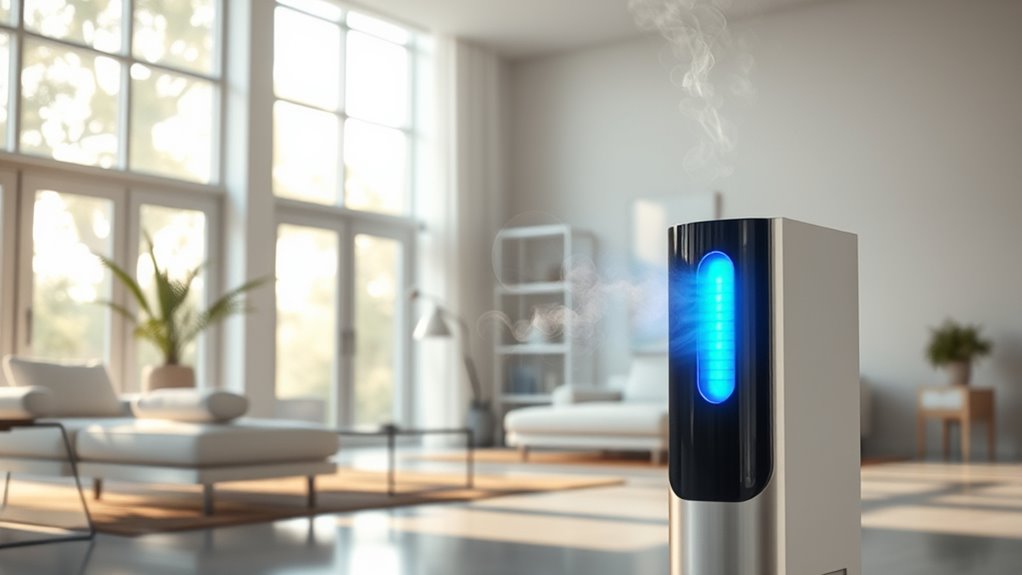
Exposure to ozone can pose significant health risks, especially when inhaled in indoor environments where its levels may be elevated. Poor ozone safety practices can lead to immediate and long-term health effects, including respiratory irritation, coughing, and throat discomfort. Higher ozone concentrations can worsen asthma symptoms and reduce lung function, making breathing more difficult. Prolonged exposure may also cause inflammation of the airways and damage to lung tissue. People with existing respiratory conditions or sensitivities are particularly vulnerable. It’s essential to understand the health effects of ozone and limit your exposure, especially indoors where ozone cleaners are used. Following safety guidelines can help protect your respiratory health and prevent adverse effects caused by elevated ozone levels. Understanding indoor air quality and how to control pollutants can significantly reduce health risks associated with ozone.
How Can Ozone Affect Your Respiratory Health?

Have you ever wondered how breathing in elevated ozone levels can impact your lungs? Ozone exposure can cause respiratory symptoms like coughing, throat irritation, and chest tightness. If you’re ozone sensitive, even small amounts might trigger more severe reactions, especially if you already have asthma or other lung conditions. Ozone irritates the lining of your airways, leading to inflammation and reduced lung function. Over time, repeated exposure can make your respiratory symptoms worse and increase your risk of respiratory infections. You might notice increased wheezing or shortness of breath after ozone exposure, which can linger if your lungs remain inflamed. Protecting your respiratory health involves understanding how ozone affects your lungs and minimizing exposure whenever possible. Indoor air quality plays a key role in your overall respiratory well-being.
What Are the Safety Rules for Using Ozone Devices?
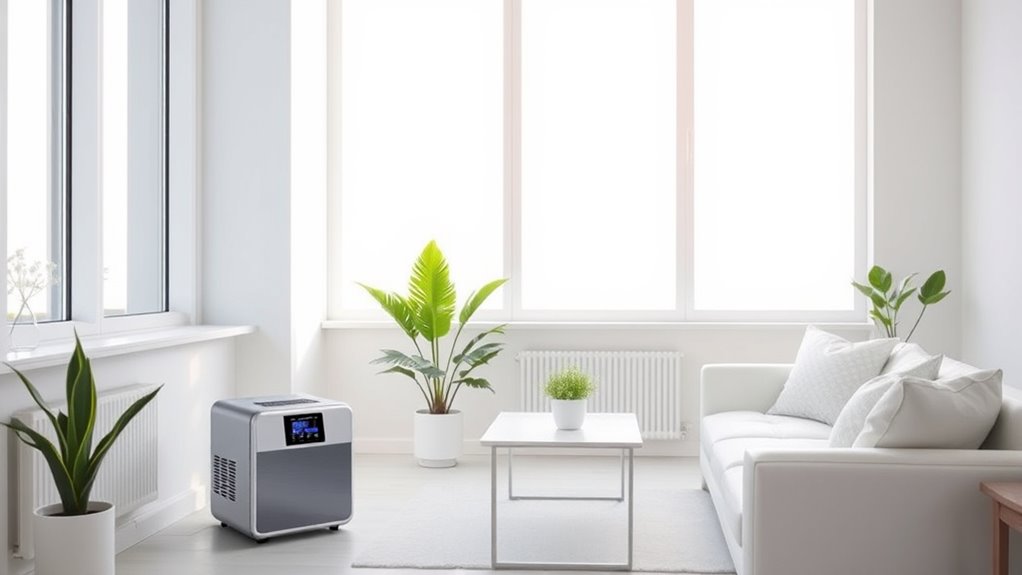
To make certain your safety when using ozone devices, it’s crucial to follow specific guidelines that minimize health risks. Always operate ozone cleaners in unoccupied spaces and ensure proper ventilation. Perform regular device maintenance to prevent malfunctions, and avoid using ozone generators continuously. Before use, conduct ozone testing to confirm safe levels. Never bypass manufacturer instructions or exceed recommended exposure times. Keep children, pets, and vulnerable individuals away during operation. After use, ventilate the area thoroughly before re-entering. Proper ozone testing helps verify safety, and routine device maintenance ensures it functions correctly. Additionally, understanding the field‑of‑view and imaging‑scale examples can help you assess safe operating environments. Follow these rules to protect your indoor air quality and health.
How Can You Tell if Ozone Is Harmful to Your Air Quality?

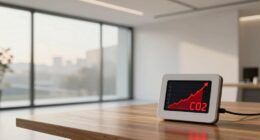
Monitoring ozone levels is key to ensuring your indoor air remains safe after using ozone cleaners. Elevated ozone concentrations can compromise your air quality and pose health risks, so it’s important to recognize signs of ozone harm. Look out for a sharp, chemical smell, which indicates high ozone levels. Symptoms like throat irritation, coughing, or shortness of breath may also suggest poor air quality caused by ozone exposure. Using devices with built-in ozone monitors can help you track levels in real-time, providing peace of mind. Remember, good ozone safety means staying informed about ozone concentrations and ventilating spaces thoroughly after ozone treatment. If you notice any symptoms or detect strong odors, increase ventilation immediately to protect your indoor air quality. Proper ventilation is essential to disperse residual ozone and restore safe air levels.
What Are Better Alternatives to Ozone Cleaners?

Fortunately, there are safer and more effective alternatives to ozone cleaners for maintaining indoor air quality. Instead of relying on ozone for disinfection or odor removal, consider using high-efficiency particulate air (HEPA) filters, which trap airborne pollutants and allergens. Regular cleaning with non-toxic, eco-friendly products reduces dust and odors without risking ozone safety. Increasing ventilation by opening windows or using exhaust fans helps dilute indoor contaminants naturally. Air purifiers with activated carbon filters can absorb odors and chemical vapors without producing harmful ozone. Additionally, maintaining proper humidity levels prevents mold growth and keeps indoor air fresh. These alternative methods are safer, proven effective, and do not expose you or your family to the risks associated with ozone cleaners.
How Can You Protect Your Family From Ozone Risks?
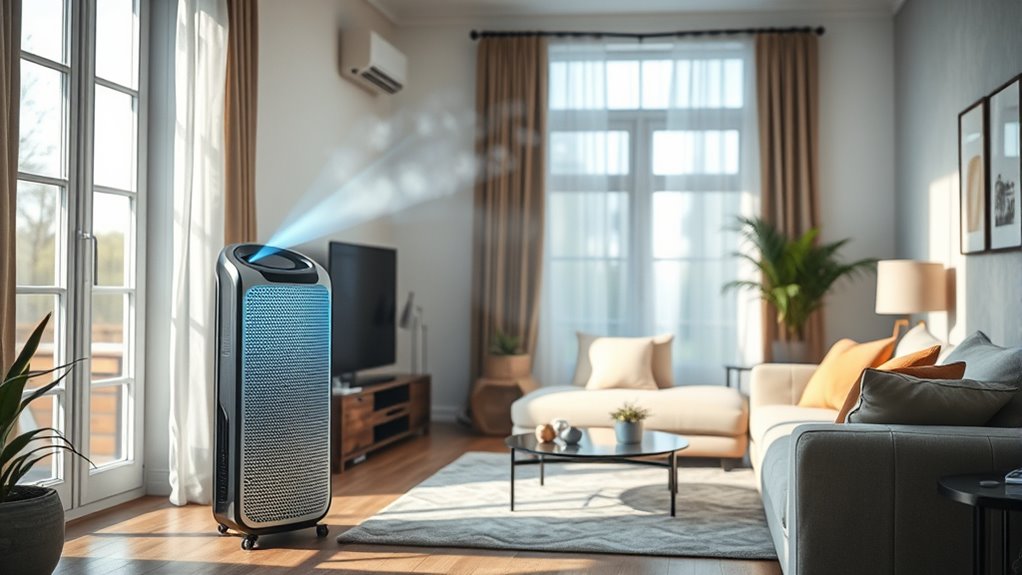
Protecting your family from ozone risks starts with understanding the potential dangers associated with ozone cleaners. To guarantee ozone safety, avoid using devices that produce high levels of ozone indoors. Always read labels and look for warnings about ozone emissions. Improve your air quality by ventilating rooms when using cleaning products or air purifiers. Consider alternatives like HEPA filters or natural cleaning methods that don’t release ozone. Keep children and vulnerable individuals away from any ozone-generating devices. Regularly monitor indoor air quality with reliable sensors to detect ozone levels. Educate your family about the risks of ozone exposure and encourage good ventilation habits. By staying informed and cautious, you can considerably reduce health risks and maintain a safer indoor environment.
Frequently Asked Questions
Can Ozone Cleaners Effectively Eliminate All Indoor Air Pollutants?
Ozone cleaners can’t effectively eliminate all indoor air pollutants. While they may reduce airborne viruses and mold spores temporarily, they don’t remove other harmful particles like dust, pet dander, or chemicals. In fact, ozone can react with indoor pollutants, creating harmful byproducts. Relying solely on ozone cleaners isn’t safe or effective; instead, use proper ventilation, air purifiers with HEPA filters, and regular cleaning to improve indoor air quality.
How Long Does Ozone Need to Be Active to Purify Indoor Air?
If you want ozone to really transform your indoor air, it needs to run for at least 30 minutes to an hour, creating a whirlwind of ozone exposure. This intense activity aims for effective air purification, but remember, longer isn’t always better—excessive ozone can be harmful. So, keep the process controlled, and don’t rely solely on ozone cleaners for air quality. Balance is key to safe, effective purification.
Are There Specific Room Sizes Suitable for Ozone Cleaner Use?
Yes, room size considerations are vital when using ozone cleaners. Smaller rooms require lower ozone concentration levels to avoid health risks, while larger spaces may need higher levels for effective purification. Always measure the room dimensions and follow manufacturer guidelines to determine appropriate ozone levels. This guarantees safe and effective air cleaning without overexposure. Keep in mind, proper ventilation and monitoring are essential for safe ozone use in any room size.
Do Ozone Cleaners Leave Any Residual Chemicals or Odors?
Like a ghost lingering after a haunting, ozone cleaners usually don’t leave residual chemicals behind. However, you should be aware of odor concerns, as ozone can produce a sharp, chlorine-like smell that might bother you. While the smell dissipates quickly, it’s essential to ventilate the space thoroughly afterward. Residual chemicals aren’t a worry, but always follow manufacturer instructions to guarantee safe and effective use.
What Are the Legal Regulations Regarding Ozone Generator Use Indoors?
You need to follow regulation compliance and safety standards when using ozone generators indoors. Many regions restrict or regulate their use due to health risks, so check local laws before operating one. Always use ozone generators in unoccupied spaces, verify proper ventilation, and adhere to manufacturer instructions. Failing to comply can result in legal penalties and health hazards, so prioritize safety standards to protect yourself and others.
Conclusion
As you walk into a room, noticing the faint smell of ozone lingering, it’s easy to think it’s cleaning the air. But often, that same fresh scent masks hidden risks to your respiratory health. By choosing safer air purifiers and being mindful of ozone exposure, you create a healthier space for your family. Sometimes, the best way to breathe easy is to trust natural solutions over seemingly quick-fix ozone cleaners.