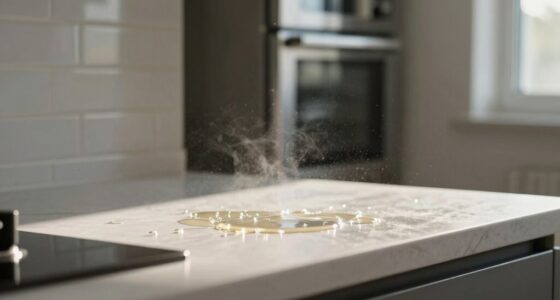
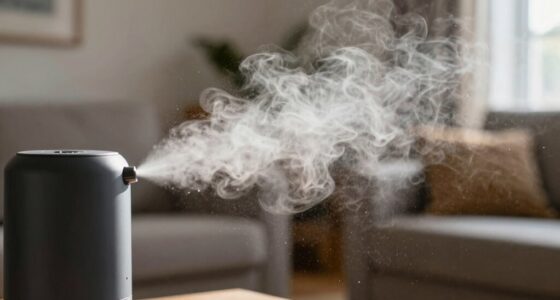
Your home may smell fresh because of artificial air fresheners or scented cleaners that mask odors without removing their source. Hidden germs, mold, pet dander, and microscopic dirt can linger on surfaces and in the air, causing underlying smells and health issues. High humidity often fuels mold growth, worsening odors and allergies. To truly freshen your home, you need deeper cleaning, proper moisture control, and air quality solutions—discover how to make your home genuinely cleaner and healthier beyond surface scents.

Get school and study supplies delivered free — and shop member deals
- Fast, free delivery on millions of items
- Access to Prime Big Deal Days deals on October 6–7
- Prime Video, Amazon Music and more included
Key Takeaways
- Artificial scents mask odors but don’t eliminate underlying sources like mold, bacteria, or pet dander.
- Surface cleaning often misses microscopic germs and hidden contaminants that cause persistent odors.
- High humidity promotes mold growth, leading to musty smells that cleaning alone can’t resolve.
- Using scented products may cover odors temporarily but don’t address the root causes of odor buildup.
- True freshness requires deep cleaning, proper ventilation, humidity control, and removal of allergens and germs.
As an affiliate, we earn on qualifying purchases.
The Limitations of Scented Cleaners
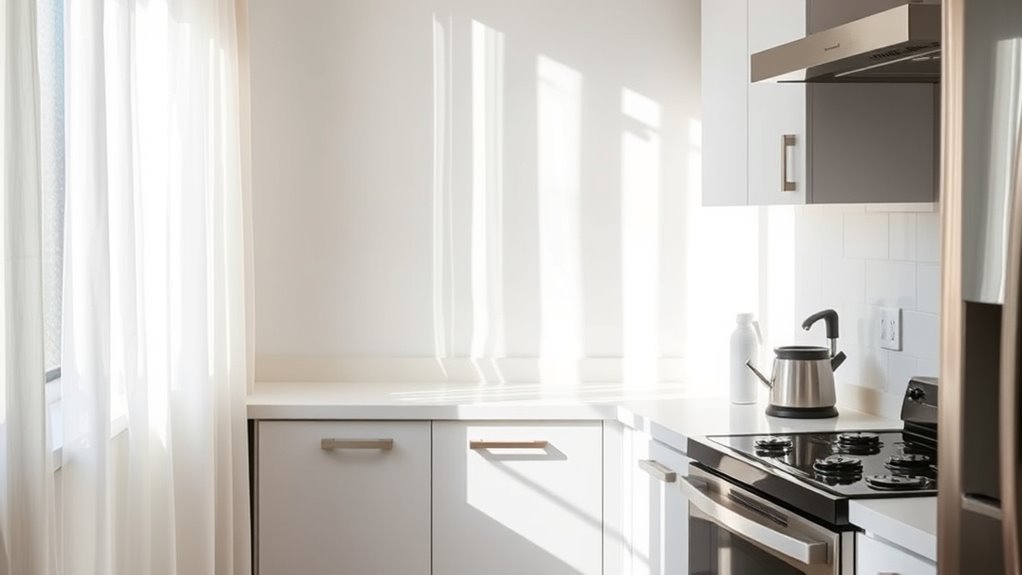
While scented cleaners can make your home smell fresh temporarily, they often mask underlying issues rather than eliminate odors. These products rely on artificial fragrances that create a pleasant scent, but they don’t address the root cause of smells. Instead, they leave chemical residues behind on surfaces and in the air, which can linger and even cause health concerns over time. Relying solely on scented cleaners might make your space seem clean, but it doesn’t truly sanitize or remove bacteria, mold, or other odor sources. As a result, the underlying problem persists, and the fresh scent is just a superficial fix. For a genuinely clean home, it’s better to focus on cleaning methods that eliminate odors at their source rather than covering them up with artificial fragrances. Proper ventilation and air filtration are also crucial steps in reducing persistent odors and improving indoor air quality. Additionally, understanding the importance of odor sources helps in choosing effective cleaning strategies that target the actual causes of unpleasant smells. Using natural deodorization methods, such as baking soda or activated charcoal, can further help neutralize odors without introducing harmful chemicals.
natural odor absorber baking soda
As an affiliate, we earn on qualifying purchases.
As an affiliate, we earn on qualifying purchases.
Hidden Sources of Odors and Germs
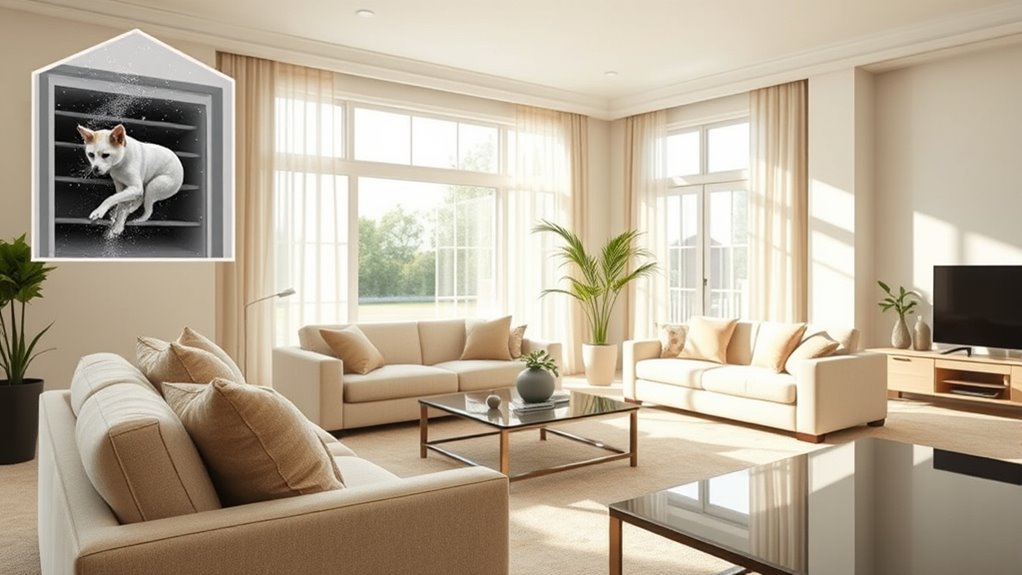
Many common household items and overlooked areas harbor hidden sources of odors and germs that can persist despite regular cleaning. Airborne bacteria often settle on soft surfaces like couches, curtains, and bedding, creating lingering smells and health risks. Pet dander is another culprit, especially in homes with animals, accumulating on furniture, carpets, and HVAC filters. These tiny particles and bacteria are invisible but can trigger allergies and respiratory issues, even in a home that smells fresh. Regular cleaning may remove surface dirt but often misses these microscopic sources. To truly eliminate odors and germs, you need to address these hidden reservoirs. Using HEPA filters, frequent laundering, and deep cleaning can help remove airborne bacteria and pet dander, making your home genuinely cleaner and healthier. Additionally, period design and vintage-inspired tech can be integrated to create a more inviting and nostalgic atmosphere that subtly masks residual odors. Incorporating air purification methods that target microscopic contaminants can further enhance indoor air quality and promote a healthier living environment. Employing air quality testing can help you identify these invisible pollutants more effectively. Implementing smart air quality monitoring can help you detect and address these unseen issues proactively.
As an affiliate, we earn on qualifying purchases.
The Role of Humidity and Mold

Even after tackling hidden germs and airborne particles, moisture levels in your home can still impact cleanliness and odors. High humidity encourages mold growth, which causes musty smells and worsens allergies. Using humidifiers and moisture control techniques helps maintain ideal levels, preventing mold from thriving. To understand how humidity influences mold, consider this:
| Humidity Level | Effect on Mold Growth |
|---|---|
| Below 50% | Limits mold growth |
| 50-60% | Promotes mold development |
| Above 60% | Accelerates mold spread |
Keeping humidity in check not only reduces mold risk but also improves indoor air quality, making your home smell fresher. Proper moisture control involves monitoring humidity levels regularly and adjusting accordingly. Maintaining optimal humidity levels is a critical component in indoor air quality management and ensures your home stays both comfortable and clean. When using dehumidifiers and other tools, proper setup and maintenance are crucial for effective moisture control.
humidifier with humidity control
As an affiliate, we earn on qualifying purchases.
As an affiliate, we earn on qualifying purchases.
The Importance of Deep Cleaning and Disinfection
Deep cleaning and disinfection are essential steps to truly eliminate germs, bacteria, and viruses that hide in everyday surfaces. Regular cleaning only removes surface dirt, but deep cleaning targets hidden contaminants that can compromise your home’s air quality. Surface contamination often persists in hard-to-reach areas, leading to lingering odors and health risks. Using effective disinfectants on high-touch surfaces, like door handles, countertops, and light switches, reduces the spread of pathogens. This thorough approach not only improves air quality but also ensures your home feels genuinely clean. Without deep cleaning and disinfection, invisible germs can thrive, creating a false sense of cleanliness. Incorporating vetting cleaning methods and tools ensures you are effectively eliminating hidden contaminants. Proper disinfection techniques are crucial for preventing the buildup of germs that can cause health issues. Applying holistic SEO approach techniques can help ensure your cleaning efforts reach a broader audience interested in maintaining a healthier home environment. Prioritizing these steps helps you maintain a healthier environment and prevents surface contamination from undermining your efforts to keep your home truly fresh.
Tips for Achieving a Truly Fresh and Healthy Home
To truly achieve a fresh and healthy home, you need more than surface cleaning; it requires consistent, targeted efforts that address hidden sources of odor and contamination. Improving air quality and allergen reduction is key. Here are three tips to help you create a genuinely clean environment:
- Use air purifiers with HEPA filters to remove airborne allergens and improve indoor air quality.
- Regularly wash bedding, curtains, and upholstery to eliminate dust mites and allergens.
- Ventilate your home daily by opening windows or using exhaust fans to reduce indoor pollutants and refresh the air.
- Incorporate fabric decorating markers that can be used on soft furnishings to personalize and refresh your home decor without introducing allergens or pollutants, enhancing overall air quality. Additionally, selecting natural materials for home decor can further reduce the presence of synthetic chemicals that may compromise your home’s freshness. Incorporating air quality improvements like plants can also naturally filter indoor pollutants and boost your home’s freshness. Implementing air quality testing can help identify specific issues and guide targeted improvements for a healthier environment.
Frequently Asked Questions
Can Air Fresheners Actually Eliminate Bacteria and Viruses?
Air fresheners don’t actually eliminate bacteria and viruses; they mainly mask odors. Many air freshener myths suggest they can disinfect, but that’s false. They might temporarily improve the smell, but bacteria elimination requires proper cleaning and disinfecting methods. If you want a truly clean home, focus on disinfectants proven to kill germs, rather than relying solely on air fresheners.
How Often Should I Deep Clean Different Areas of My Home?
You should deep clean different areas of your home regularly to maintain cleanliness. For high-traffic spots, like the kitchen and bathroom, aim for weekly mopping schedules and thorough bathroom sanitation. Less-used areas can be cleaned every two weeks. Focus on disinfecting surfaces, washing linens, and vacuuming carpets. Consistent deep cleaning prevents buildup of dirt and germs, ensuring your home stays truly clean, fresh, and safe.
Do Natural Cleaning Products Work as Well as Chemical Cleaners?
Natural remedies can be effective, but their chemical efficacy often varies. You might find that some natural cleaning products work well on certain surfaces, yet others fall short compared to chemical cleaners. It’s worth investigating specific ingredients and their proven benefits. While natural options are gentler and eco-friendly, they may require more frequent application. Ultimately, your choice depends on your cleaning needs and preferences, balancing safety with effectiveness.
What Are the Best Ways to Prevent Mold Growth?
To prevent mold growth, you should focus on moisture control and mold prevention techniques. Keep humidity levels below 60% by using dehumidifiers or air conditioners, and fix leaks promptly to reduce excess moisture. Guarantee proper ventilation in bathrooms and kitchens, and dry wet areas quickly. Regularly clean surfaces prone to mold, like shower curtains and windowsills, to keep your home mold-free and smelling fresh.
How Does Indoor Air Quality Affect Overall Home Health?
Think of your home’s indoor air quality like a modern-day plague—airborne contaminants can silently impact your health. Poor ventilation systems trap dust, pet dander, and chemicals, making your home feel fresh but actually harmful. When you improve airflow and reduce pollutants, you create a healthier environment. Good ventilation helps remove these contaminants, ensuring your home’s air supports your well-being, not jeopardizes it.
Conclusion
A truly fresh home is more than just a fleeting scent; it’s a sanctuary where true cleanliness guards your well-being. Think of your space as a garden—regular deep cleaning and vigilance remove weeds and hidden pests, allowing health and comfort to flourish. Don’t settle for a facade of freshness. Nurture your home with care and attention, turning it into a safe haven where purity and peace bloom, truly reflecting the love you put into it.
Halloween Picks
halloween
As an affiliate, we earn on qualifying purchases.