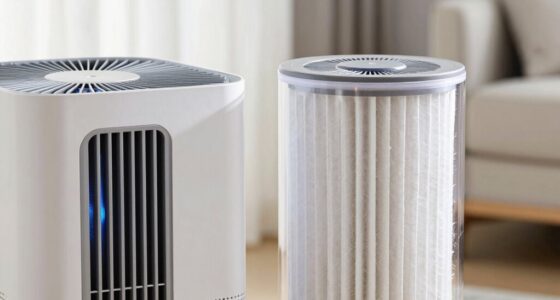
Humidity problems often start quietly long before you notice condensation because moisture can accumulate behind walls and in hidden corners without visible signs. Moisture from humid air seeps into porous materials like drywall and wood, making them act like sponges over time. Hidden moisture can lead to mold growth and weaken your home’s structure before you see any telltale signs like dampness or mold patches. Stay with us to discover how you can catch these issues early.

Prime made for students and young adults
- Fast, free delivery for dorm and study essentials
- Prime Video and Amazon Music included
- Member-only deals
Key Takeaways
- Moisture begins accumulating behind walls and in hidden corners before visible signs like condensation appear.
- Hidden moisture can develop gradually, making early detection challenging until significant buildup occurs.
- Musty odors and mold spores often indicate ongoing humidity issues before condensation is visible.
- Porous building materials absorb moisture over time, leading to concealed humidity problems.
- Regular monitoring and proactive ventilation help identify and prevent humidity issues before condensation develops.
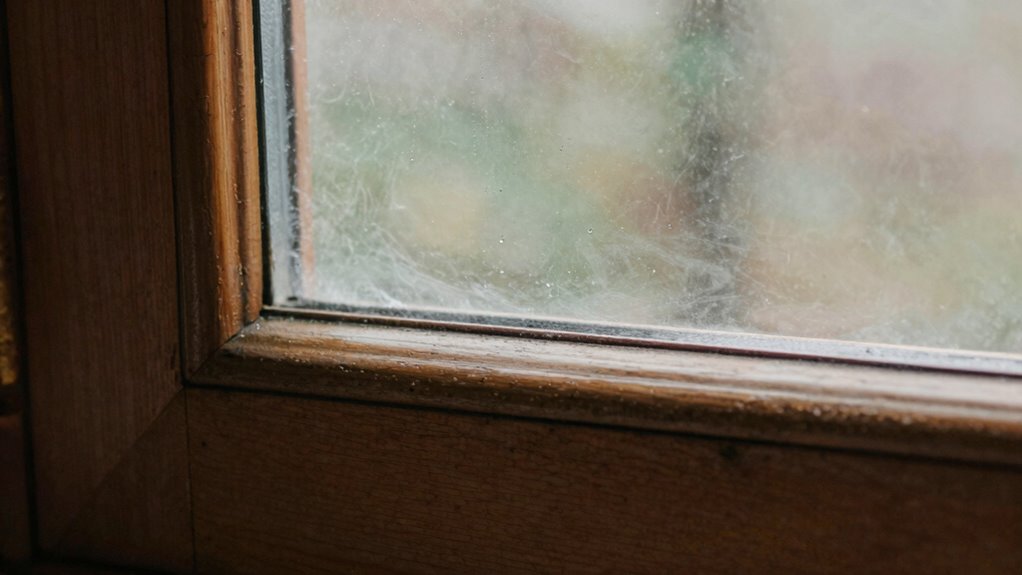
High humidity levels can create a range of problems in your home, from mold growth to musty odors. But often, the issues start long before you see any visible signs like condensation on windows or walls. The real trouble begins when indoor air quality drops, and moisture quietly accumulates in hidden corners, behind walls, or in ventilation systems. You might not notice it at first, but this excess moisture creates an environment conducive to mold growth and other indoor air quality problems that can impact your health over time. Understanding why humidity problems start early involves recognizing how moisture moves and settles within your home. When the air is humid, it doesn’t just stay in the open spaces; it seeps into porous materials such as drywall, insulation, and wooden structures. These materials act like sponges, absorbing moisture gradually. Over weeks or even months, this buildup can go unnoticed, but it weakens the building materials and fosters mold growth behind the scenes. Because mold spores are microscopic, they can thrive in these hidden spots without immediate visible signs. By the time you notice a musty smell or see mold patches, the problem has often been developing for quite a while. Monitoring indoor humidity levels, which is essential for indoor air quality, and ensuring proper ventilation, dehumidifiers, and regular maintenance are key tools in mold prevention. They reduce moisture levels, improve air circulation, and keep the air fresh, making it less inviting for mold spores to settle and multiply. You might think that mold only appears after visible signs, but by the time condensation shows up, the problem has already taken root. The early stages of humidity issues are silent, and they often go unnoticed because the moisture is trapped inside walls or hidden corners. Recognizing the early signs of moisture can be challenging, which is why understanding the movement of moisture within your home is crucial. Properly managing indoor humidity levels helps prevent the buildup of moisture in these concealed areas. That’s why proactive measures matter. Monitoring indoor humidity levels, ensuring proper ventilation, and addressing any leaks promptly can stop problems before they start. Keeping humidity in check not only preserves your home’s structure but also safeguards your indoor air quality, so you breathe easier and avoid the long-term health risks associated with mold growth.
As an affiliate, we earn on qualifying purchases.
Frequently Asked Questions
How Does Indoor Humidity Affect Energy Bills?
Indoor humidity directly impacts your energy bills by influencing your heating and cooling efficiency. When humidity levels are high, your HVAC system works harder to maintain comfort, increasing energy use. Using a dehumidifier effectively supports humidity control strategies, reducing strain on your system. Proper humidity management keeps your home comfortable without overworking your AC or heater, ultimately lowering your energy costs and enhancing overall efficiency.
Can Humidity Issues Cause Long-Term Structural Damage?
Humidity issues can definitely cause long-term structural damage. You might not notice it at first, but excess moisture promotes mold growth and wooden warping. Over time, mold weakens your walls and ceilings, while warped wood can compromise your home’s foundation. Investigating these issues early helps prevent costly repairs. Maintaining proper humidity levels keeps your home safe, dry, and structurally sound, saving you money and stress down the line.
What Are Hidden Signs of High Indoor Humidity?
You might notice hidden signs of high indoor humidity through persistent musty odors and unseen mold growth on walls or behind furniture. These signs often appear before any visible condensation, indicating excess moisture in your home. You may also feel stuffy air or notice peeling paint. Addressing these signs early helps prevent long-term damage, as high humidity fosters mold and structural issues that aren’t immediately obvious.
How Quickly Can Humidity Problems Develop Unnoticed?
Humidity problems can develop quickly, like a thief in the night, sneaking up on your home. Mold growth begins subtly, and your air quality drops even before you notice any visible signs. Within days, high moisture levels can cause deterioration, affecting your health and comfort. Staying vigilant and monitoring humidity levels helps you catch these issues early, preventing unseen damage and ensuring fresh, healthy air in your space.
Are Certain Building Materials More Prone to Humidity Problems?
Certain building materials are more prone to humidity problems because of their vulnerabilities. Materials like wood, drywall, and insulation have high moisture absorption tendencies, making them susceptible to mold growth and structural issues. You should pay close attention to these materials, especially in humid climates. Regular inspections and proper sealing can help mitigate moisture infiltration and reduce the risk of long-term humidity-related damage.
As an affiliate, we earn on qualifying purchases.
Conclusion
Don’t delay detecting dampness; explore the details before dampness damages. By understanding the subtle signs and staying vigilant, you can stop humidity problems in their tracks. Prevent potential problems with proactive practices, and protect your space from sneaky, slipping moisture. Remember, early awareness and action are your best allies against escalating humidity issues. Stay savvy, spot the subtle signs, and safeguard your sanctuary from the silent, steady spread of moisture.
As an affiliate, we earn on qualifying purchases.
As an affiliate, we earn on qualifying purchases.
Fall Picks
fall essentials
As an affiliate, we earn on qualifying purchases.