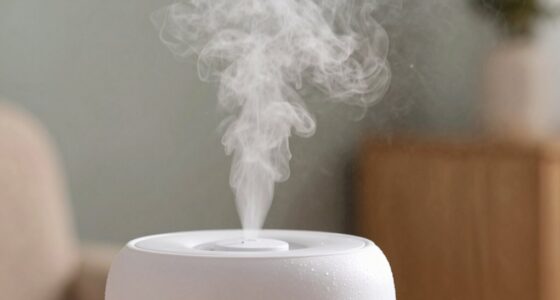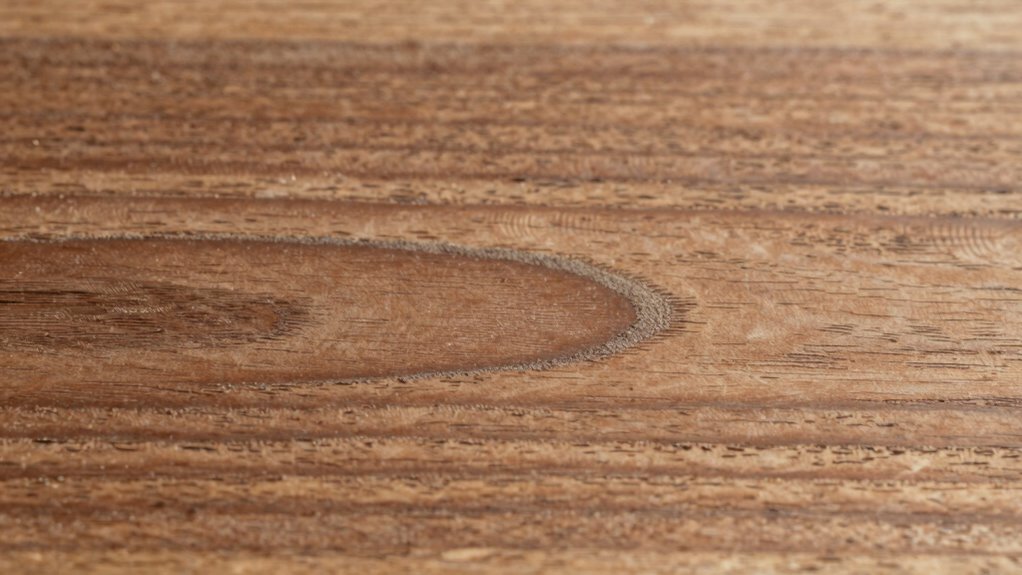

Dust tends to settle in the same places because air circulation patterns and surface textures create zones where particles easily gather. You’ll notice more dust in corners, behind furniture, and on textured surfaces like shaggy rugs or porous walls, where airflow is limited. Warm or still air encourages dust to settle there. If you want to learn how to manage these trouble spots better, keep exploring what influences dust accumulation and how to improve airflow around your home.

Prime made for students and young adults
- Fast, free delivery for dorm and study essentials
- Prime Video and Amazon Music included
- Member-only deals
Key Takeaways
- Limited airflow in certain areas causes dust to settle and accumulate repeatedly.
- Rough or textured surfaces trap dust more easily, leading to consistent buildup.
- Elevated objects and corners naturally collect dust due to reduced air circulation.
- Poor ventilation prevents dust from dispersing evenly, causing it to settle in the same spots.
- Objects near heat sources or vents attract more dust through increased airflow and deposition.
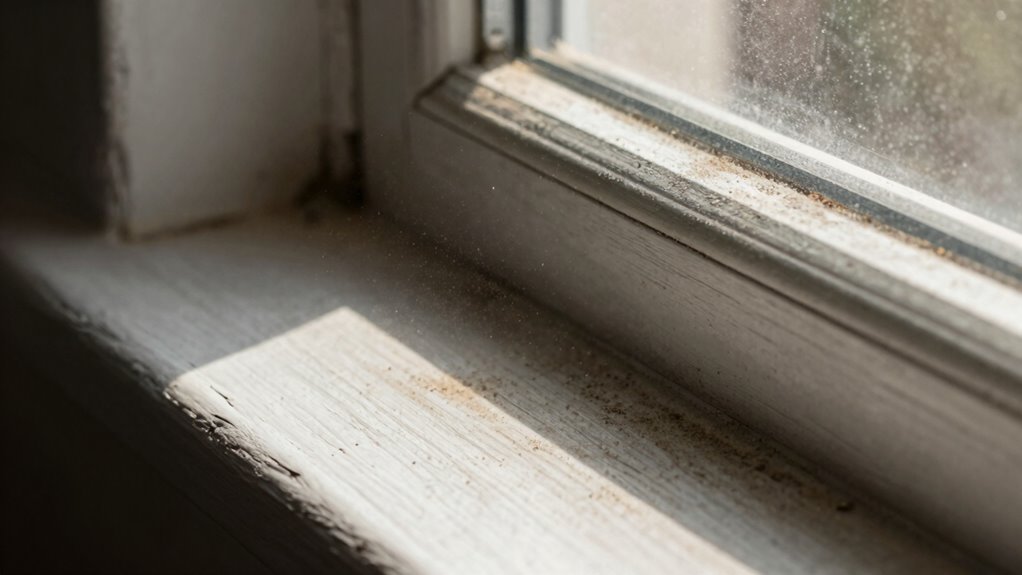
Have you ever wondered why dust tends to settle in the same spots around your home? It’s a question many people ask, and the answer lies in a mix of factors, especially air circulation and surface textures. Dust particles aren’t random in their settling patterns; they’re influenced by how air moves and the surfaces they encounter. When air circulates unevenly in a room, certain areas become more prone to dust accumulation because they’re less exposed to airflow that might otherwise keep particles in suspension. For example, corners, behind furniture, or under shelves often have limited air movement, causing dust to settle there more easily. If your room has poor air circulation, dust doesn’t get dispersed evenly, leading to these familiar dusty spots. Effective ventilation can help improve airflow and reduce dust buildup in these areas. Additionally, using air purifiers with HEPA filters can further trap airborne particles before they settle.
Another key factor is surface textures. Smooth surfaces, like glass or polished wood, tend to attract less dust because particles don’t cling as easily. In contrast, rough or porous surfaces, such as textured wallpaper, fabric upholstery, or shaggy rugs, trap dust more readily. Dust particles settle into the tiny crevices and fibers of these textured surfaces, making cleaning more challenging. Over time, these textures act like magnets, drawing dust in and holding onto it longer. That’s why you often notice a thicker layer of dust on areas with more complex textures compared to flat, smooth surfaces. Additionally, the surface roughness of materials plays a significant role in how much dust they accumulate. Regular maintenance, like vacuuming textured items, can help mitigate dust buildup.
The height and positioning of objects in your home also play a role. Elevated surfaces, like shelves or mantels, often catch more dust because they are more exposed to airborne particles that settle when air currents slow down. Similarly, items placed near heat sources or vents may gather dust faster because warm air rises and circulates around these objects, depositing dust particles onto their surfaces. This pattern creates predictable dusty spots that seem to reappear even after cleaning. Properly positioning furniture and objects can help minimize dust collection in these areas. Incorporating dust-resistant materials or covers can also aid in reducing long-term dust accumulation.
Your cleaning habits and the way you manage airflow significantly influence where dust settles. Regularly dusting and vacuuming can help break the cycle, but understanding these natural tendencies helps you focus on problem areas. Improving air circulation—by opening windows, using fans, or installing vents—can reduce dust buildup, especially in corners or behind furniture. Additionally, choosing surfaces with smoother finishes or using protective covers on textured items can minimize dust collection. Recognizing how air movement and surface textures work together makes it easier to keep your home cleaner and dust-free in the places where dust naturally gathers. Paying attention to airflow patterns can make a noticeable difference in reducing dust accumulation over time.
HEPA air purifier for dust removal
As an affiliate, we earn on qualifying purchases.
As an affiliate, we earn on qualifying purchases.
Frequently Asked Questions
How Does Humidity Affect Dust Accumulation in Specific Areas?
Humidity effects play a significant role in dust accumulation. When humidity levels are high, dust particles tend to stick to surfaces because moisture acts as a dust attractant. This causes dust to settle more quickly and in specific areas where moisture collects, like corners or near humidifiers. Conversely, low humidity helps keep dust suspended in the air, reducing buildup but increasing airborne particles, which can settle later.
Can Cleaning Methods Influence Where Dust Tends to Settle?
Cleaning methods definitely influence where dust settles. Regular cleaning, especially with effective techniques, reduces dust buildup and prevents it from accumulating in specific spots. Using an air purifier can improve air quality and help direct dust away from surfaces. Implementing cleaning frequency strategies guarantees you stay on top of dust, minimizing its tendency to settle in the same places. Consistent, thorough cleaning and good air filtration make a noticeable difference.
Do Certain Materials Attract More Dust Than Others?
Certain materials do attract more dust than others because of their surface properties. Dust particle composition interacts with surface material attraction, making some surfaces like fabric, carpets, or upholstery more prone to collecting dust. Smooth, non-porous materials like glass or metal tend to resist dust buildup better. You’ll notice that dust settles more on materials that attract particles due to static electricity or rough textures, which trap more dust particles over time.
How Do Airflow Patterns Impact Dust Distribution Over Time?
Airflow dynamics considerably impact dust distribution over time. When you understand how air moves through a space, you can see how it influences dust migration, carrying particles to certain areas while leaving others relatively clean. Strong currents tend to push dust into corners and behind furniture, while gentle airflow allows dust to settle more evenly. Managing airflow patterns helps you prevent dust from accumulating in the same spots repeatedly.
What Role Do Pets Play in Dust Accumulation in Specific Spots?
Pets, with their charming shedding patterns, gently influence dust accumulation in your home. Their fur naturally drifts into cozy corners and favorite spots, making these areas seem to gather dust more quickly. By consistently grooming your pets and maintaining good ventilation, you can reduce this effect. Remember, their furry presence adds warmth and personality to your space, even if it means a bit more dust settles in certain spots.
vacuum cleaner for textured surfaces
As an affiliate, we earn on qualifying purchases.
As an affiliate, we earn on qualifying purchases.
Conclusion
Think of your home as a magnet, pulling dust to its favorite spots because of airflow, static, and surface textures. No matter how often you clean, dust finds its familiar hideouts—like loyal guests returning to their favorite chairs. To keep those spots clearer longer, try changing your cleaning routines or adjusting airflow. Remember, dust isn’t just a nuisance; it’s a stubborn guest that keeps returning to its favorite corner, no matter how many times you chase it away.
airflow booster fan for home ventilation
As an affiliate, we earn on qualifying purchases.
As an affiliate, we earn on qualifying purchases.
As an affiliate, we earn on qualifying purchases.
Halloween Picks
halloween
As an affiliate, we earn on qualifying purchases.