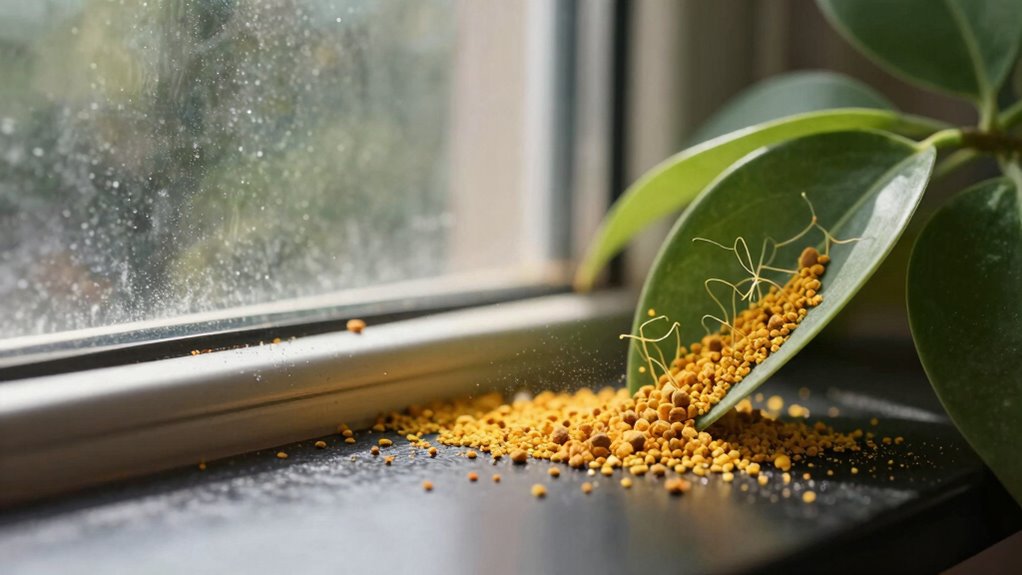
Indoor pollen enters your home mainly through open windows, doors, and tiny cracks around frames and vents, especially during high pollen seasons. Your clothing, shoes, and pets also carry pollen inside, while surfaces like carpets, upholstery, and curtains trap and hold it. Pollen can settle on surfaces and stay hidden for long periods if not cleaned. Keeping these entry points in check and understanding how pollen sticks inside can help you minimize exposure—discover more ways to protect your home.

Prime made for students and young adults
- Fast, free delivery for dorm and study essentials
- Prime Video and Amazon Music included
- Member-only deals
Key Takeaways
- Pollen enters indoors mainly through open windows, doors, cracks, gaps, and ventilation systems.
- Surfaces like curtains, furniture, and clothing trap pollen, contributing to indoor accumulation.
- Shoes, clothing, and outdoor activities carry pollen inside, increasing indoor levels.
- Pollen settles on surfaces due to gravity and can persist without regular cleaning.
- Proper sealing, cleaning, humidity control, and air filtration reduce indoor pollen entry and retention.
As an affiliate, we earn on qualifying purchases.
How Does Indoor Pollen Get In? Common Entry Points
Pollen can find its way indoors through several common entry points, especially when windows and doors are open or left ajar. Airborne transfer is a primary way pollen enters, as tiny particles drift inside when you ventilate your home. Once inside, pollen adhesion allows it to stick to surfaces like curtains, furniture, and clothing. You might notice pollen clinging to your clothes or shoes, bringing more inside each time you go outdoors. Even with closed windows, pollen can sneak in through small gaps, vents, or poorly sealed doors. Recognizing entry points for pollen infiltration helps you understand how pollen makes its way indoors, setting the stage for better strategies to limit its presence and reduce indoor allergy triggers.
sealing weatherstripping for doors and windows
As an affiliate, we earn on qualifying purchases.
As an affiliate, we earn on qualifying purchases.
Do Open Windows and Doors Let Pollen Inside? Here’s What You Should Know
Opening windows and doors can markedly increase the amount of pollen that enters your home, especially during peak pollen seasons. This change in ventilation effects allows pollen to disperse more freely indoors, making indoor air potentially more allergenic. When you open these entry points, pollen particles are carried inside by breezes and air currents, increasing overall pollen levels. The dispersal of pollen through open windows and doors can also create a circulation pattern that traps pollen inside, especially if the indoor space isn’t well-ventilated with filters. While fresh air can be beneficial, it’s important to weigh the increased pollen influx against your allergy symptoms. Using screens or limiting exposure during high pollen days helps reduce indoor pollen levels while still enjoying ventilation benefits. Additionally, natural ventilation can help improve air quality but requires careful management during allergy season.
As an affiliate, we earn on qualifying purchases.
How Clothing, Pets, and Shoes Bring Pollen Indoors
Ever wonder how pollen sneaks into your home even when you’re not aware? It often hitchhikes on your clothing, causing clothing contamination. When you step outside, pollen particles cling to your fabric, and as you come inside, they transfer to your furniture and floors. Pets also play a role; their fur traps pollen just like clothing does. When your pet snuggles or brushes against furniture, pollen spreads further inside. Shoes are another common culprit—walking through pollen-laden grass or dirt brings particles directly into your home. Each of these factors increases indoor pollen levels, making allergy symptoms worse. To reduce pollen entry, consider removing outdoor clothing before entering, regularly grooming your pets, and leaving shoes at the door. Additionally, understanding air filtration techniques can help minimize pollen circulation within your living space.
As an affiliate, we earn on qualifying purchases.
Where Do Tiny Cracks and Gaps Allow Pollen to Enter? Invisible Entry Points Explored
Even the tiniest cracks and gaps around your home can serve as sneaky entry points for pollen. These microcracks entry points are often invisible but allow pollen to seep inside. Hidden gaps around windows, doors, and walls are prime access routes. You might not notice these small openings, but pollen can exploit them easily.
- Cracks around window frames and sills
- Gaps beneath door thresholds
- Tiny holes near vents or electrical outlets
- Frayed or damaged weather stripping
How Does Pollen Settle and Stick to Indoor Surfaces?
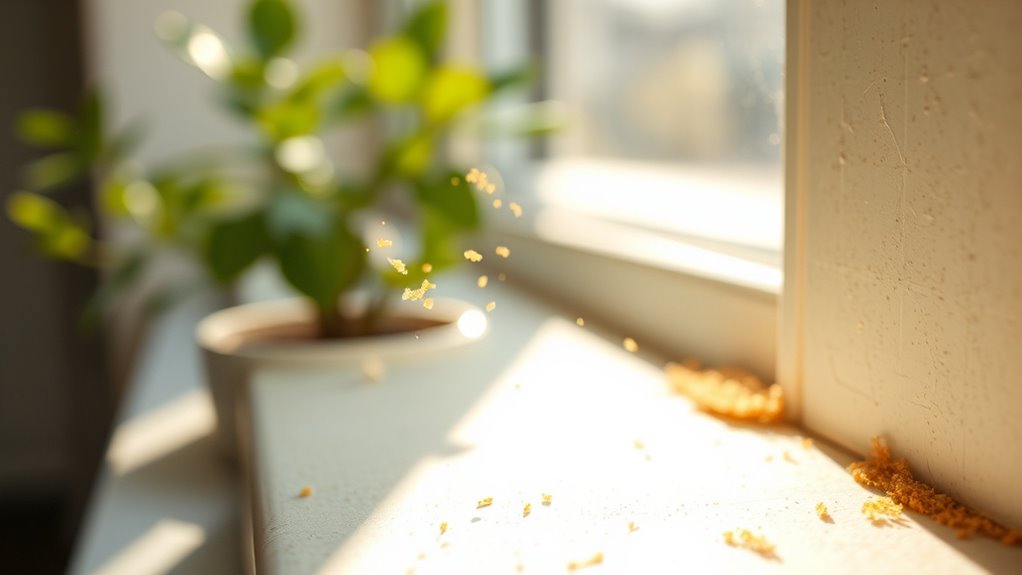
Pollen particles naturally settle onto indoor surfaces due to gravity and air currents, making it easy for them to stick once they land. This process, known as pollen adhesion, helps pollen cling to various surfaces like furniture, countertops, and walls. Once pollen adheres, it can cause surface contamination, which may be difficult to remove completely. Factors such as surface texture, moisture, and static electricity influence how effectively pollen sticks. Rough or dusty surfaces tend to trap more pollen, while smooth, clean surfaces may resist adhesion better. Understanding this process highlights why pollen can persist indoors, even after cleaning. Controlling indoor humidity and regularly cleaning surfaces can reduce surface contamination and limit pollen buildup. Additionally, filtration systems can help capture airborne pollen before it settles on surfaces.
Why Does Pollen Linger in Carpets, Upholstery, and Filters?
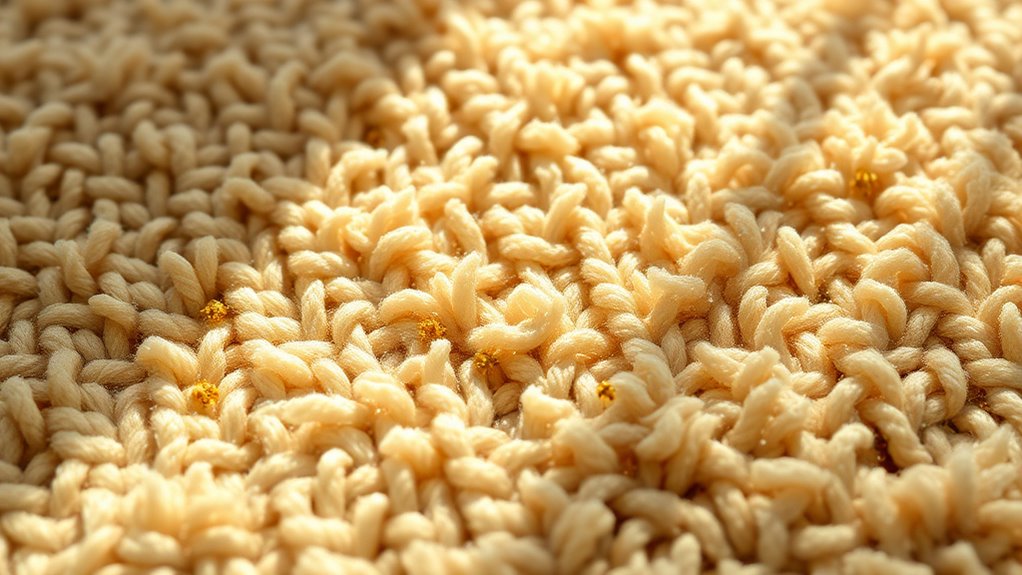
Pollen’s sticky nature makes it cling tightly to carpets, upholstery, and filters, which means it doesn’t easily wash away. These surfaces trap pollen particles, allowing them to linger longer indoors. Additionally, filters can struggle to catch every pollen grain, letting some stay behind. To improve pollen removal, considering filter technology upgrades can help capture more particles effectively.
Pollen’s Sticky Nature
The sticky nature of pollen causes it to cling stubbornly to carpets, upholstery, and filters, making it difficult to remove through simple cleaning. This pollen adhesion occurs because pollen particles develop a tacky surface that adheres strongly to sticky surfaces. As a result, pollen can embed deep into fibers and materials, resisting regular vacuuming or dusting. To understand this better:
- Pollen’s surface proteins increase stickiness, enhancing adhesion.
- Textured or porous surfaces trap pollen more effectively.
- Dust and oils on surfaces strengthen pollen’s grip.
- Pollen’s natural stickiness allows it to stay longer indoors, even after cleaning.
- Additionally, innovative European cloud servers exemplify advancements in sustainable and secure solutions that can support smarter indoor air quality management systems.
This sticky quality explains why pollen remains in your home despite efforts to eliminate it. It also highlights the importance of specialized cleaning methods to reduce indoor pollen levels effectively.
Filtration Challenges Inside
Because of its sticky surface, pollen easily embeds into fibers and porous materials found in carpets, upholstery, and filters, making it difficult to remove through standard cleaning. Pollen particles cling stubbornly to these surfaces, bypassing typical vacuuming or dusting efforts. Air filtration systems can help, but only if filters are high-quality and regularly maintained; otherwise, pollen particles remain trapped inside. Carpets and upholstery act like reservoirs, continuously releasing pollen into the indoor air over time. This retention complicates efforts to reduce indoor pollen levels. To improve air quality, you need effective filtration and frequent deep cleaning. Understanding how pollen lingers in these materials underscores the importance of choosing the right filters and maintaining them properly to minimize indoor pollen buildup. Material properties also influence how well pollen can be removed or retained, emphasizing the need for appropriate cleaning techniques.
How Can You Reduce Indoor Pollen and Keep Your Home Allergy-Friendly
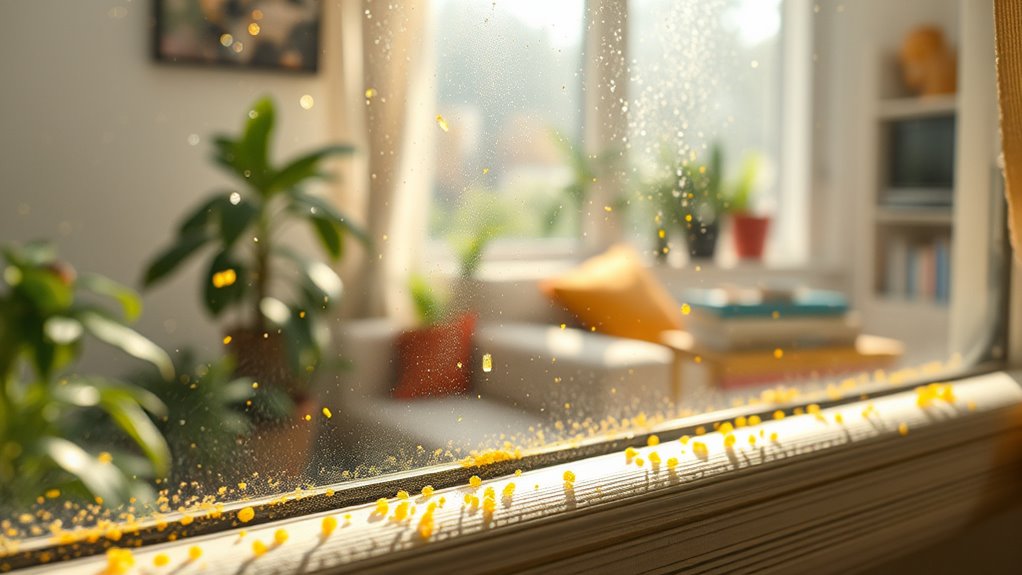
To keep indoor pollen levels low and create a more allergy-friendly environment, you should start by maintaining a clean home. Regularly vacuum with a HEPA filter, dust surfaces often, and wash bedding frequently to remove pollen particles. Using an air purifier equipped with a HEPA filter can notably reduce airborne pollen. Keep windows and doors closed during high pollen seasons to prevent entry. Consider taking allergy medication as recommended by your doctor to manage symptoms effectively. Additionally, showering after outdoor activities can wash pollen off your skin and hair. Proper ventilation and humidity control can also help reduce pollen buildup indoors air quality management.
Frequently Asked Questions
Can Indoor Plants Contribute to Pollen Levels Indoors?
Indoor plants can contribute to pollen levels indoors, especially if you have plant allergies. Some indoor flora release pollen that may trigger allergy symptoms, making it harder for sensitive individuals. To minimize this, choose low-pollen or pollen-free plants, and keep your indoor environment clean. Regularly dust and wash your plants to reduce pollen buildup, helping you enjoy your indoor greenery without worsening plant allergies.
Does Air Conditioning Affect Indoor Pollen Concentration?
You might notice fewer pollen particles when you run your air conditioning, especially if it features good air filtration and humidity control. As the cool air circulates, it traps pollen and reduces their presence indoors. Maintaining proper humidity levels prevents pollen from settling and lingering. So, turning on your AC not only cools your space but also helps keep pollen levels lower, creating a healthier environment for you.
How Long Does Pollen Typically Stay Airborne Indoors?
Pollen typically remains airborne indoors for about 15 minutes to a few hours, depending on factors like airflow and humidity. Your pollen’s longevity varies with these conditions, and it can stay suspended longer in still, dry air. To reduce airborne duration, keep windows closed during high pollen seasons, use air purifiers, and regularly clean surfaces. This helps limit your exposure and keeps indoor air cleaner.
Are There Specific Cleaning Methods That Remove Pollen Effectively?
You can effectively remove pollen indoors by using HEPA filters in your HVAC system or air purifiers, which trap tiny particles like pollen. Regular dust mopping surfaces also helps prevent pollen from settling and becoming airborne again. Combine these methods with vacuuming with a HEPA-equipped vacuum cleaner and washing bedding frequently to reduce pollen buildup and maintain cleaner indoor air.
Can Pollen Exposure Worsen Indoor Air Quality Over Time?
Yes, pollen exposure can worsen indoor air quality over time. When pollen isn’t filtered out through pollen filtration systems or removed via proper air exchange, it accumulates indoors. This buildup can irritate allergies and respiratory issues. To prevent this, make certain your HVAC system uses effective filters and increase air exchange by ventilating regularly. These steps help reduce pollen levels and improve your indoor air quality.
Conclusion
By sealing gaps, cleaning surfaces, and controlling entry points, you can reduce indoor pollen effectively. By keeping windows closed during high pollen seasons, removing shoes at the door, and using air filters, you limit pollen’s entry and buildup. By staying vigilant, cleaning regularly, and maintaining good indoor air quality, you create a healthier environment. Because a pollen-free home means less allergy stress, less sneezing, and more comfort — it’s all within your control.
Halloween Picks
halloween
As an affiliate, we earn on qualifying purchases.