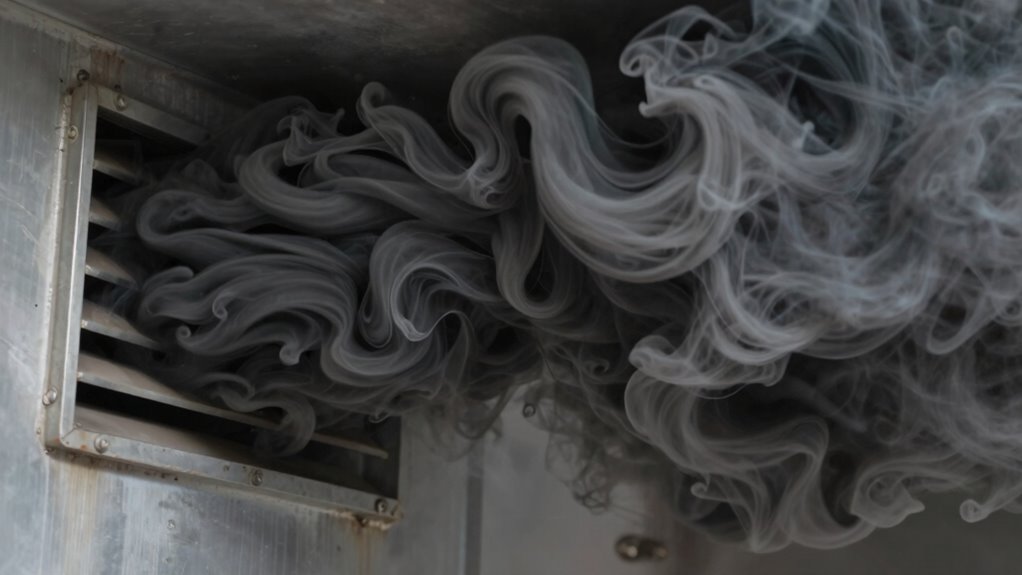

If you notice sudden spikes or unpredictable fluctuations in CO2 levels, it’s a clear sign your ventilation system isn’t functioning properly. These rapid changes happen when fresh air isn’t entering quickly enough or when airflow is blocked or inefficient. Keeping an eye on these patterns can help you identify when ventilation needs improvement. Stay aware, and you’ll discover more ways to monitor and maintain healthy indoor air quality and guarantee your space stays fresh and safe.

Prime made for students and young adults
- Fast, free delivery for dorm and study essentials
- Prime Video and Amazon Music included
- Member-only deals
Key Takeaways
- Sudden CO2 spikes indicate inadequate ventilation or airflow disruptions.
- Rapid fluctuations in CO2 levels during peak occupancy suggest ventilation inefficiency.
- Consistently elevated CO2 levels signal stale air buildup and poor air exchange.
- Inconsistent CO2 patterns, with abrupt increases and decreases, point to ventilation system issues.
- Persistent high or fluctuating CO2 levels reveal the need for ventilation system maintenance or upgrades.
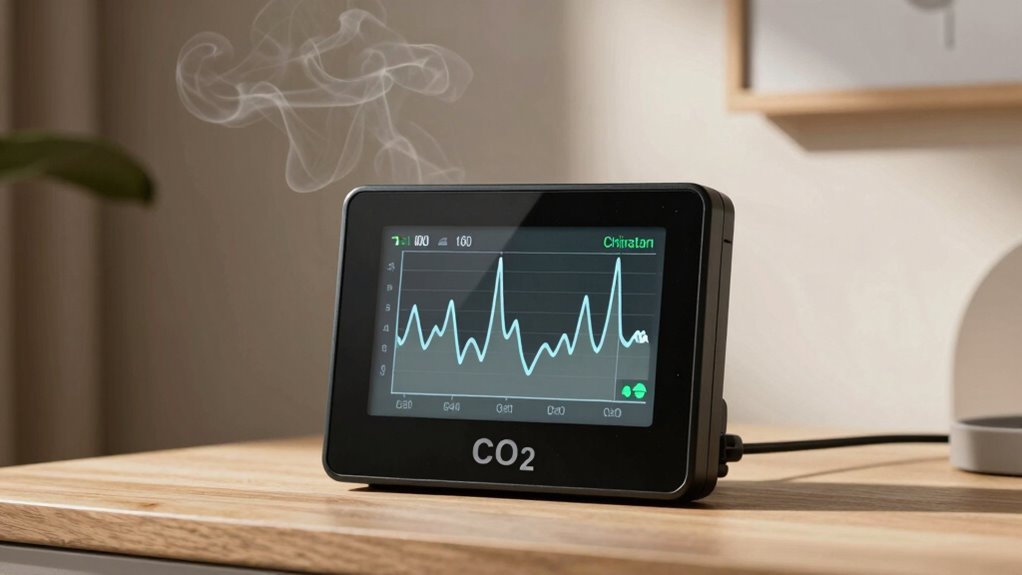
Have you ever wondered what a sudden change in CO2 levels might reveal about your indoor environment? When you notice CO2 rising rapidly or fluctuating unexpectedly, it’s often a sign that your air quality isn’t as good as it should be. CO2 levels act as an invisible indicator of how well your space is ventilated. If you’re experiencing a quick spike in CO2, it could mean your ventilation system isn’t performing effectively, leading to stale, polluted air building up inside. This isn’t just about comfort—it’s about your health and productivity, too. Poor ventilation efficiency allows indoor pollutants, including CO2, to accumulate, which can cause headaches, fatigue, or even long-term health issues.
Sudden CO2 spikes signal poor ventilation, impacting health, comfort, and indoor air quality.
In a well-ventilated environment, CO2 levels tend to stay steady or change gradually. But when they spike unexpectedly, that’s a clear sign that fresh air isn’t entering your space quickly enough. It might happen during busy hours when lots of people are inside or in rooms with limited airflow. Recognizing this pattern helps you understand how your space’s air quality is affected by ventilation. A sudden increase in CO2 often correlates with poor air exchange, meaning your ventilation system isn’t removing indoor pollutants effectively. This can happen if vents are blocked, filters are dirty, or the system isn’t designed to handle the room’s occupancy level. Monitoring these fluctuations can also serve as an indicator of ventilation system performance, alerting you to potential issues before they become serious. Additionally, understanding air exchange rates can help you better evaluate your environment’s ventilation needs. Regularly assessing indoor air quality can help prevent health issues related to poor ventilation.
Monitoring these fluctuations gives you tangible feedback on ventilation efficiency. You might notice that during certain times of the day, CO2 levels rise sharply, signaling that you need to improve airflow. Simple actions like opening windows, adjusting ventilation settings, or adding air purifiers can help restore air quality. If you see persistent or frequent spikes, it’s a sign that your HVAC system needs maintenance or upgrading. Understanding the pattern of CO2 changes helps you take proactive steps to ensure better indoor air quality, which directly impacts your comfort and well-being.
Ultimately, recognizing the CO2 pattern isn’t just about measuring numbers; it’s about interpreting what those numbers mean for your environment. A sudden change in CO2 levels reveals whether your ventilation is working as it should or if it’s time to improve airflow. Keeping an eye on these patterns allows you to maintain healthier, more comfortable indoor spaces, ensuring that air quality remains high and ventilation remains efficient.
As an affiliate, we earn on qualifying purchases.
Frequently Asked Questions
How Quickly Can CO2 Levels Change in a Room?
CO2 levels in a room can change within minutes, especially if the air exchange is poor. When people breathe, CO2 concentrations rise quickly, often within 5 to 10 minutes. Using CO2 sensors helps you monitor these fluctuations, revealing when ventilation isn’t keeping pace. Improving air exchange, like opening windows or increasing ventilation, can quickly stabilize CO2 levels, ensuring a healthier environment.
What Are the Health Risks of Elevated CO2 Levels?
Elevated CO2 levels are like a silent thief stealing your focus and energy. They can cause headaches, dizziness, and fatigue, increasing your risk of indoor pollution-related illnesses. Poor air filtration worsens this issue, trapping CO2 and other pollutants indoors. Over time, it may impair your cognitive function and compromise your health. To stay safe, guarantee proper ventilation and use effective air filtration systems to keep indoor air fresh and healthy.
Can Plants Help Reduce Indoor CO2 Concentrations?
Yes, plants can help reduce indoor CO2 concentrations through plant filtration. They absorb CO2 during photosynthesis, improving air quality. To maximize this benefit, combine plant filtration with natural ventilation, which replaces stale indoor air with fresh outdoor air. Regularly watering and choosing the right plants, like snake plants or pothos, can enhance this process, making your indoor environment healthier and more balanced.
How Often Should Ventilation Systems Be Inspected?
Ever wonder how often you should inspect your ventilation system? You should check it at least once a year, but more frequently if you notice issues like poor air quality or humidity problems. Regular inspections guarantee effective air filtration and humidity control, preventing CO2 buildup. Keep an eye on your system’s performance, and don’t wait until problems worsen—routine checks help maintain a healthy, comfortable indoor environment.
What Other Signs Indicate Poor Indoor Air Quality?
You might notice persistent odors, stuffy air, or increased dust, which signal poor indoor air quality. If your air purifier isn’t effectively filtering, or if humidity levels are unbalanced, these can also indicate issues. You should check your system regularly, ensuring airflow is adequate, and keep humidity controlled. Addressing these signs promptly helps improve air quality, making your environment healthier and more comfortable.
As an affiliate, we earn on qualifying purchases.
Conclusion
By paying close attention to CO2 patterns, you can catch ventilation issues before they become serious. Did you know that indoor CO2 levels above 1,000 ppm can markedly reduce cognitive function? Monitoring these levels helps you identify problems early, ensuring better air quality and safety. Stay vigilant, track the patterns, and take swift action—because healthy breathing starts with recognizing the signs of poor ventilation. Your environment’s air quality depends on it.
As an affiliate, we earn on qualifying purchases.
As an affiliate, we earn on qualifying purchases.
Fall Picks
fall essentials
As an affiliate, we earn on qualifying purchases.