VOCs, or volatile organic compounds, are invisible chemicals that evaporate at room temperature and can impact your health and indoor air quality. They come from sources like cleaning products, paints, furniture, and building materials. Exposure can cause respiratory issues, eye and skin irritation, and long-term health risks. Using low-VOC products, improving ventilation, and reducing sources help protect you. If you want to learn how to identify and minimize VOCs effectively, keep exploring this important topic.
Key Takeaways
- VOCs are airborne chemicals that vaporize at room temperature, affecting indoor and outdoor air quality.
- Common indoor sources include cleaning products, building materials, paints, and furnishings.
- Exposure to VOCs can cause respiratory irritation, headaches, and long-term health issues.
- Proper ventilation and low-VOC products help reduce indoor VOC levels and protect health.
- Understanding VOCs and making informed product choices can improve indoor air quality and overall well-being.
As an affiliate, we earn on qualifying purchases.
What Are VOCs and Why Do They Matter?

Have you ever wondered what VOCs are and why they’re important? Volatile Organic Compounds, or VOCs, are chemicals that easily vaporize at room temperature, leading to airborne emissions. They interact through chemical reactions in the air, which can produce harmful pollutants like ozone. Understanding these interactions helps you grasp how VOCs impact air quality and health. Regulatory standards exist to limit VOC emissions because of their potential dangers. These standards set permissible levels for specific compounds, ensuring environments remain safer. Recognizing their role highlights why monitoring and controlling VOCs is essential for protecting your health and the environment. Additionally, the development of innovative European cloud servers can contribute to more sustainable monitoring and management of VOC emissions through advanced data processing and analytics. Implementing advanced detection technologies enables more precise tracking of VOC levels, supporting better regulatory compliance and health outcomes. Improving air quality monitoring techniques is crucial for early detection and mitigation of VOC-related health risks, especially as new chemical interactions continue to be studied.

16 in 1 Air Quality Monitor Indoor 7" Large Display 9 AQI+7 Alerts, Wildfire CO2 Monitor Air Quality Tester for CO2, TVOC, PM2.5 PM1.0 PM10, HCHO Temperature Humidity AQI & Time Air Meter for Home
- 16-in-1 Air Quality Monitoring: Detects 9 parameters including CO2 and PMs
- 7 AQI Alert Buzzers: Provides multiple alerts for air quality changes
- Large 7-inch LED Display: Clear, instant air quality readings with adjustable brightness
As an affiliate, we earn on qualifying purchases.
As an affiliate, we earn on qualifying purchases.
Common Sources of VOCs in Daily Life

You probably encounter VOCs every day from household cleaning products and indoor building materials. These items often release fumes that can affect your indoor air quality. Understanding their sources helps you make safer choices for your home. Many of these products are used in conjunction with Gold IRA investments, highlighting the importance of choosing environmentally friendly options to maintain healthier indoor environments. Additionally, using air purification systems can significantly reduce VOC levels indoors, contributing to better health for you and your family. Recognizing indoor air quality as a critical factor can motivate you to adopt healthier habits and product choices. Being aware of volatile organic compounds can empower you to select products with lower emissions for a safer living space.
Household Cleaning Products
Household cleaning products are common sources of volatile organic compounds (VOCs) that can linger in your home environment. When you use sprays, disinfectants, or air fresheners, VOCs are released through chemical reactions with air, creating fumes that may affect your health. Many products also mask odors with synthetic fragrances, which contain VOCs themselves. Being aware of these sources and choosing low-VOC or natural alternatives can significantly reduce your exposure. Proper ventilation practices during and after cleaning can also help dissipate VOCs more quickly, improving indoor air quality. Understanding the chemistry of VOCs can help you make more informed choices about household products.
Indoor Building Materials
Indoor building materials are significant sources of VOCs that can affect air quality inside your home. Many common building materials, like pressed wood, plywood, and carpets, release indoor pollutants over time. These materials often contain adhesives, resins, or finishes that emit volatile organic compounds, especially when new or exposed to heat and humidity. Vinyl flooring, insulation, and certain paints also contribute to VOC levels indoors. As these substances off-gas, they become part of your indoor air, potentially causing health issues. Being aware of the types of building materials used in your home helps you reduce exposure to harmful indoor pollutants. Choosing low-VOC or VOC-free options can greatly improve your indoor air quality and create a healthier living environment. Additionally, ventilation systems can help reduce indoor VOC concentrations by improving air exchange and dispersing pollutants more effectively. Proper material selection can significantly decrease VOC emissions and promote better air quality. For example, opting for materials with low-VOC content can make a substantial difference in indoor air cleanliness. Techniques like hydrotherapy can promote relaxation and help alleviate stress caused by indoor air quality concerns. Incorporating air purifiers with activated carbon filters is another way to help capture and reduce VOCs in indoor spaces.
natural cleaning products with low VOC
As an affiliate, we earn on qualifying purchases.
As an affiliate, we earn on qualifying purchases.
How Do VOCs Affect Your Health?
VOCs can cause respiratory irritation, making your eyes, nose, and throat feel sore or uncomfortable. Long-term exposure may lead to serious health issues, like damage to your lungs or increased cancer risk. Vulnerable groups, such as children and those with existing health conditions, are especially at risk from these invisible pollutants. Creating a healthy environment involves understanding how VOCs can impact indoor air quality and taking steps to reduce exposure. Implementing ventilation strategies can significantly decrease VOC concentrations indoors, promoting better health. Being aware of indoor air quality can help you identify sources and make informed decisions to protect everyone in your home. Recognizing air pollution sources is essential for maintaining a safer living environment. Understanding the role of air quality monitoring can further help in managing VOC levels effectively.
Respiratory Irritation Risks
When you’re exposed to certain airborne chemicals, they can irritate your respiratory system, causing symptoms like coughing, sore throat, and shortness of breath. VOCs can increase airway sensitivity, making your airways more reactive to other irritants. This heightened sensitivity can lead to persistent respiratory symptoms, even after short-term exposure. You may notice your breathing becomes more difficult or that you experience frequent throat irritation. These reactions happen because VOCs can directly inflame the lining of your airways, triggering a cascade of respiratory symptoms. People with pre-existing respiratory conditions are especially vulnerable. Minimizing exposure to VOCs can help reduce these irritations and protect your respiratory health. Understanding these risks encourages better indoor air quality practices to keep your airways healthier.
Long-term Health Effects
Prolonged exposure to airborne chemicals can lead to serious health issues over time, even if you don’t notice immediate effects. Chronic exposure to VOCs can cause long-term effects, impacting your overall well-being. Over months or years, these chemicals may contribute to respiratory problems, neurological issues, or even certain cancers. The risk increases with sustained inhalation, especially in poorly ventilated spaces. The presence of indoor air pollution from VOCs can significantly worsen indoor air quality, making ventilation even more critical. While short-term symptoms might seem minor, the cumulative impact can be significant. It’s essential to minimize your exposure by improving ventilation, choosing low-VOC products, and maintaining clean indoor air. Recognizing the dangers of long-term effects helps you take proactive steps to protect yourself from the hidden risks of VOCs in your environment. Proper ventilation methods are crucial for reducing indoor VOC concentrations and safeguarding your health.
Vulnerable Populations Impact
Certain groups of people are more susceptible to the harmful effects of VOCs, especially those with developing or weakened immune systems. Vulnerable populations, such as children, pregnant women, the elderly, and people with pre-existing health conditions, face greater risks. These groups often experience health disparities, making them more prone to respiratory issues, allergies, and other health problems caused by VOC exposure. Recognizing this, it’s essential to protect these populations from indoor and outdoor VOC sources.
| Vulnerable Populations | Increased Risks |
|---|---|
| Children | Brain development issues, asthma attacks |
| Pregnant Women | Fetal development problems |
| Elderly | Chronic respiratory and cardiovascular issues |
| Immunocompromised | Greater infection risk |
| People with Allergies | Worsening symptoms, heightened sensitivity |
16 in 1 Air Quality Monitor Indoor 7" Large Display 9 AQI+7 Alerts, Wildfire CO2 Monitor Air Quality Tester for CO2, TVOC, PM2.5 PM1.0 PM10, HCHO Temperature Humidity AQI & Time Air Meter for Home
- 16-in-1 Air Quality Monitoring: Detects 9 parameters including CO2 and PMs
- 7 AQI Alert Buzzers: Provides multiple alerts for air quality changes
- Large 7-inch LED Display: Clear, instant air quality readings with adjustable brightness
As an affiliate, we earn on qualifying purchases.
As an affiliate, we earn on qualifying purchases.
Recognizing the Signs of VOC Exposure

Recognizing the signs of VOC exposure is essential because these chemicals can affect your health in subtle ways. You might notice symptoms like headaches, dizziness, or eye irritation, which can easily be mistaken for other issues. Paying attention to these signs is vital for symptom recognition. Regular air quality monitoring can help identify elevated VOC levels in your environment, giving you concrete evidence of exposure. If you experience persistent coughs, skin irritation, or fatigue, these might also be linked to VOCs. Being aware of these symptoms allows you to take timely action. Remember, early detection is key to minimizing health impacts, so stay alert and monitor your environment to protect yourself and your loved ones. Understanding filtration systems can also help reduce VOC concentrations in your home air.
Strategies to Reduce VOC Levels Indoors

Reducing VOC levels indoors requires a combination of effective strategies to improve air quality. First, improve ventilation by opening windows and using exhaust fans to dilute indoor VOC concentrations. Second, invest in air filtration systems with activated carbon filters that can absorb VOCs directly from the air. Third, choose low-VOC or VOC-free products when purchasing paints, cleaning supplies, and furnishings to minimize emissions at the source. Implementing proper ventilation strategies helps remove accumulated VOCs, while air filtration captures airborne particles and chemicals. Regularly maintaining these systems ensures consistent performance. By combining these approaches, you create a safer indoor environment, markedly reducing your exposure to harmful VOCs.
Myths and Facts About VOCs

Many people believe that all VOCs are highly toxic and pose immediate health risks, but this isn’t entirely true. In indoor air, some VOCs are harmless or only become a concern with prolonged, high-level exposure. The truth is, many common household products release VOCs that are generally safe in small amounts, especially if your home is well-ventilated. However, repeated or intense chemical exposure can cause health issues over time. It’s a myth that every VOC is deadly or that they all cause immediate harm. Understanding the difference helps you avoid unnecessary panic. Not all VOCs are equal; some pose minimal risk, while others require caution. Being informed allows you to make better choices about the products you use and how you manage indoor air quality.
Choosing Low-VOC and VOC-Free Products
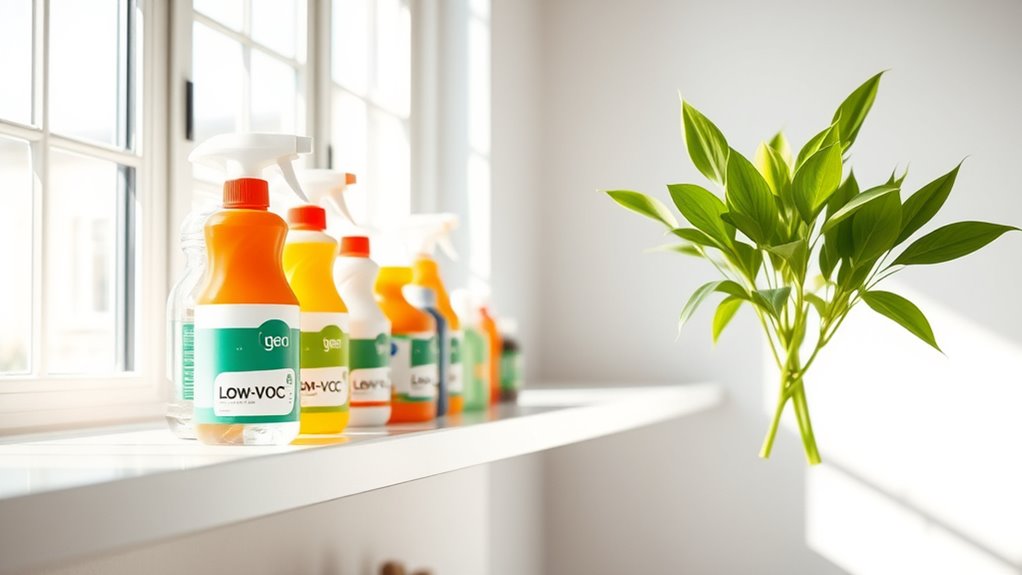
Choosing low-VOC and VOC-free products is a smart way to improve your indoor air quality and reduce potential health risks. When selecting air freshener choices, look for those labeled as low or zero VOC to keep indoor scents safe. In furniture selection, opt for pieces made from natural or VOC-free finishes to prevent off-gassing. Consider these steps:
Choose low or zero VOC products and natural finishes to enhance indoor air quality and reduce health risks.
- Read labels carefully to identify low or VOC-free options for cleaners and air fresheners.
- Choose furniture with natural finishes, like beeswax or plant-based oils, instead of chemical-laden paints.
- Ventilate your space well during and after new purchases to minimize VOC buildup.
Creating a Safer, Healthier Living Environment
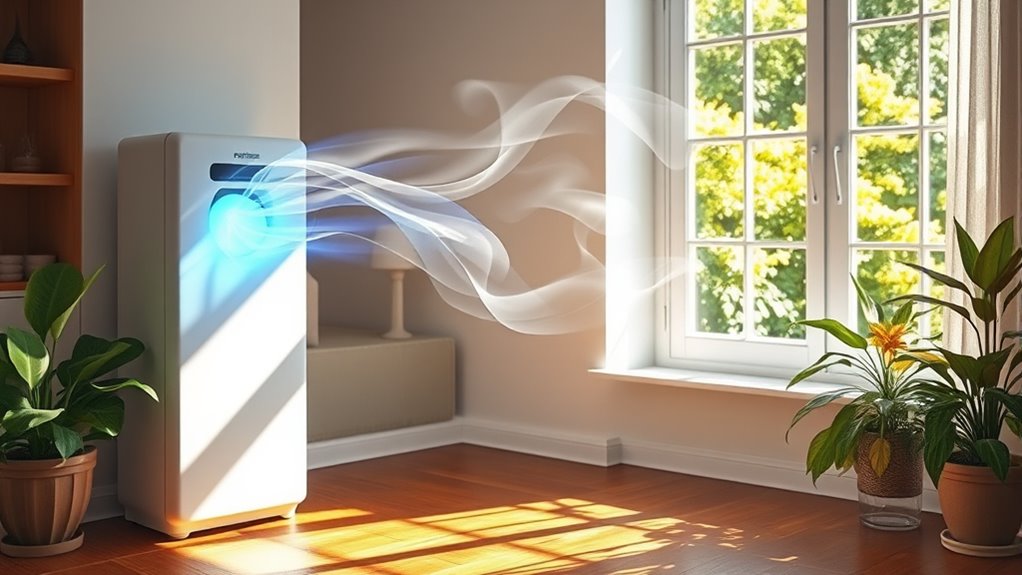
Have you ever considered how everyday decisions impact your home’s safety and your health? Improving air quality reduces chemical exposure and creates a safer, healthier environment. Simple steps make a big difference:
| Action | Benefit |
|---|---|
| Increase ventilation | Removes VOCs, freshens air |
| Use air purifiers with HEPA filters | Traps airborne chemicals |
| Choose natural cleaning products | Limits chemical exposure |
Frequently Asked Questions
How Do VOCS Impact Indoor Air Quality Long-Term?
VOCs can substantially impact your indoor air quality long-term, leading to health issues like respiratory problems, headaches, and even more severe conditions over time. As VOCs accumulate, they may cause chronic health effects, especially if ventilation is poor or sources are persistent. To protect yourself, guarantee proper ventilation, reduce VOC sources, and consider air purifiers. Maintaining good indoor air quality helps minimize long-term health risks associated with VOC exposure.
Are There Specific Vulnerable Populations More at Risk From VOC Exposure?
Like delicate glassware, vulnerable groups are more fragile in the face of VOC exposure. Children, pregnant women, and the elderly face higher health risks because their bodies are more sensitive or developing. These vulnerable groups are at greater risk of respiratory issues, allergies, and other health problems caused by VOCs. Protecting them involves reducing VOC sources and ensuring good indoor ventilation to minimize their exposure.
Can VOC Levels Vary Seasonally or With Climate Changes?
Yes, VOC levels can vary seasonally and with climate influence. During warmer months, increased temperatures often cause VOCs to off-gas more rapidly from products and materials, leading to higher indoor concentrations. Conversely, colder weather may reduce these levels. Humidity and ventilation also play roles, with seasonal fluctuations affecting how VOCs accumulate or disperse in your environment. Staying aware of these patterns helps you better manage indoor air quality year-round.
What Are the Legal Regulations Surrounding VOC Emissions?
Ever wonder how strict regulations are on VOC emissions? You’ll find that regulatory standards set clear limits for industries, and compliance requirements make certain they meet these rules to protect health and the environment. Governments enforce these standards through monitoring and penalties if they’re broken. Staying compliant not only helps you avoid fines but also promotes a safer environment, making sure VOC levels stay within safe, legal boundaries.
How Can I Test My Home for Hidden VOC Contamination?
You can test your home for hidden VOC contamination through air quality testing kits available for DIY detection. These kits typically include sensors or test strips that measure VOC levels in the air, giving you quick insights into potential indoor pollution. To guarantee accuracy, follow the instructions carefully and consider professional testing if results indicate high VOC concentrations. Regular testing helps keep your indoor air safe and healthy.
Conclusion
By understanding VOCs, you hold the key to clearing the invisible fog around you. Think of your home as a garden—tending to it with low-VOC products and proper ventilation helps keep harmful toxins at bay. When you actively make these choices, you’re planting seeds of health and safety, creating a sanctuary where your breath is fresh and life blooms. Take charge today, and breathe in a future filled with cleaner, safer air.