
TL;DR

Get school and study supplies delivered free — and shop member deals
- Fast, free delivery on millions of items
- Access to Prime Big Deal Days deals on October 6–7
- Prime Video, Amazon Music and more included
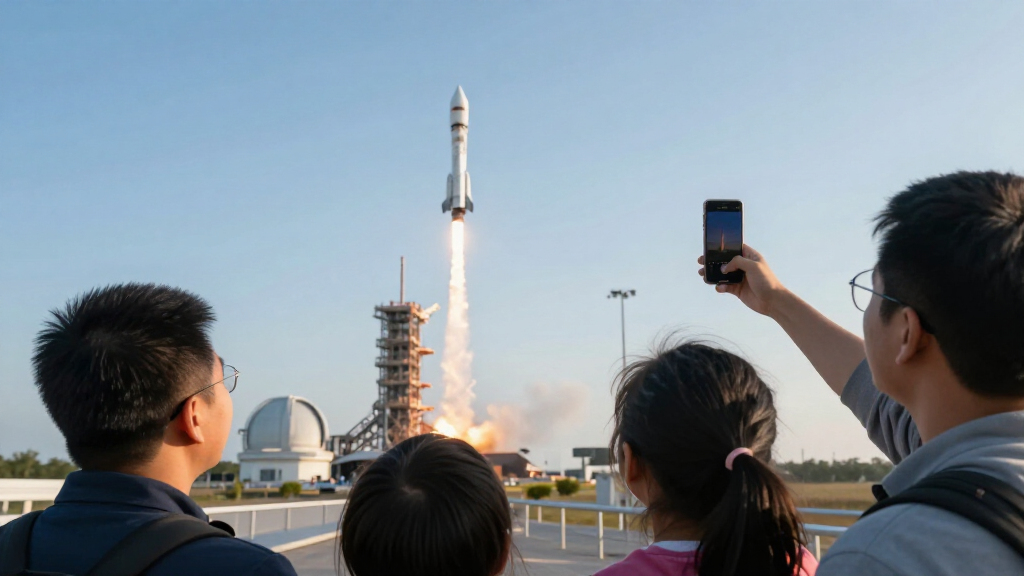
Media coverage of a recent launch at Kennedy Space Center has surged significantly, with 60 mentions in a recent window—60 times the usual baseline. The event has attracted worldwide interest, though details remain unconfirmed.
Media coverage of a launch at Kennedy Space Center has surged dramatically, with 60 mentions recorded in the recent monitoring window—60 times the typical baseline, according to GDELT data. This spike indicates a significant increase in global interest, though the specific launch details remain unconfirmed.
The surge in coverage was detected through GDELT, which reported 60 media mentions within the current window, compared to a baseline of one mention. The exact nature of the launch—whether it involved a government, commercial, or private entity—is not yet confirmed, and no official statements have clarified the event.
Experts suggest that the spike in media interest could be related to a high-profile mission, a new technological milestone, or an announcement of upcoming launch activities. However, without official confirmation, the precise cause of this surge remains speculative.
Analysts note that the increase in coverage reflects growing global curiosity about space activities at Kennedy Space Center, a key hub for NASA and commercial spaceflight. The timing and scale of this attention are unusual, prompting further monitoring of official sources for clarification.
Implications of the Global Media Surge on Space Exploration
The surge in international media coverage underscores the rising global interest in space activities, particularly those associated with Kennedy Space Center. This heightened attention could influence public perception, attract more commercial investment, and potentially impact policy decisions related to space exploration. It also signals that space launches are increasingly a matter of worldwide interest, not just national or scientific concern.
Moreover, the spike in coverage may reflect broader trends in space commercialization and international competition, as nations and private companies accelerate their plans for space development. The visibility of Kennedy Space Center as a focal point could reinforce its status as a central hub for future missions, both governmental and commercial.
As an affiliate, we earn on qualifying purchases.
Recent Trends in Kennedy Space Center Media Attention
Historically, Kennedy Space Center has been a focal point for U.S. space missions, with media interest typically peaking around major launches or milestones. Over recent years, coverage has fluctuated with mission schedules, but the current spike is exceptional in scale. GDELT data shows that the 60 mentions in this window represent a 60-fold increase over the usual baseline, which is generally one mention.
This trend aligns with a broader increase in global media interest in spaceflight, driven by new commercial players, international collaborations, and technological breakthroughs. While specific details about the recent launch are not yet confirmed, the timing suggests it may be linked to upcoming or recent missions that have captured public and media attention.
Prior to this surge, coverage at Kennedy Space Center was relatively stable, with periodic increases during major launches. This recent spike appears to be an anomaly, possibly triggered by an unconfirmed event or a developing story that has yet to be officially announced.
As an affiliate, we earn on qualifying purchases.
Unconfirmed Details Behind the Coverage Spike
It is not yet clear what specific event triggered the surge in media mentions. No official statements or announcements have been made by NASA, private space firms, or government agencies. The nature, scope, and participants involved in the launch remain unconfirmed, and the reason for the heightened interest is still under investigation.
Observers caution that the spike could be related to a speculative or unofficial report, a planned announcement, or a misinterpretation of unrelated events. The lack of concrete information makes it difficult to determine the precise cause of this surge in coverage.
As an affiliate, we earn on qualifying purchases.
Monitoring for Official Confirmation and Details
Space industry officials and media outlets are expected to release further information as it becomes available. Authorities at Kennedy Space Center are likely to confirm or clarify the event in the coming days, providing details on the launch or activity responsible for the coverage spike.
Analysts will continue to track media mentions and official statements to understand the scope and significance of this development. The next few days will be critical in confirming whether this is a major breakthrough, a planned event, or a temporary surge driven by speculation.
As an affiliate, we earn on qualifying purchases.
Key Questions
What caused the surge in media coverage at Kennedy Space Center?
The exact cause is not yet confirmed. The surge may be related to an upcoming or recent launch, technological milestone, or an announcement, but no official details have been provided.
Is this related to a specific space mission?
It is currently unclear whether the coverage is tied to a particular mission. No official confirmation has been issued about the nature of the event that triggered the spike.
How significant is a 60-fold increase in mentions?
This level of increase is highly unusual and indicates strong global interest, but without more details, its significance remains speculative.
When will more information be available?
Officials and media are expected to release further details in the coming days as investigations and confirmations take place.
Could this be a false alarm or misreporting?
While possible, the magnitude of the coverage spike suggests genuine interest. Confirmation from authoritative sources is pending.
Source: gdelt
Halloween Picks
halloween
As an affiliate, we earn on qualifying purchases.