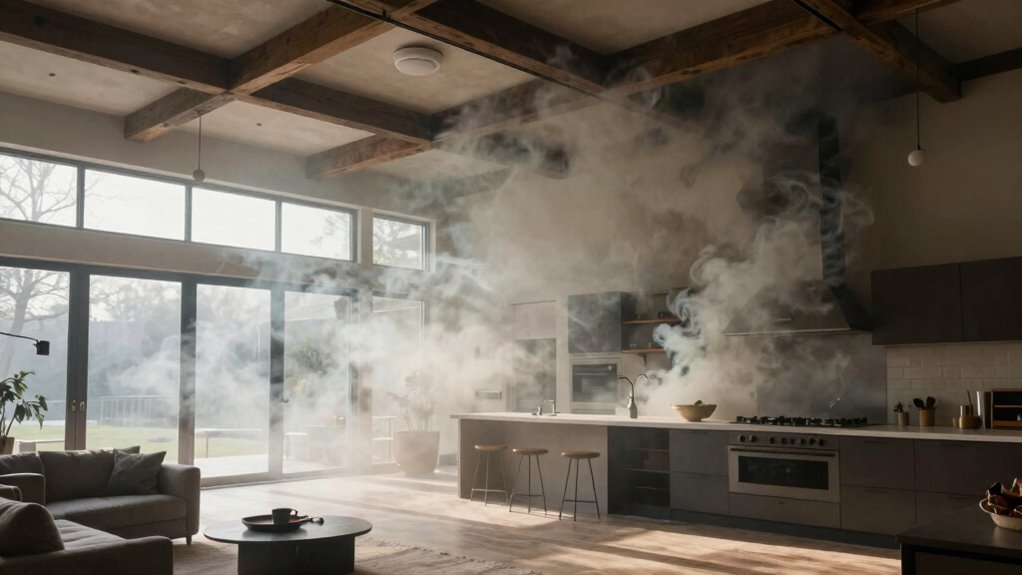

To protect your entire home from smoke and carbon monoxide hazards, you need full-house coverage. Gaps in insurance can leave attics, basements, garages, or outdoor structures vulnerable, increasing your risk of costly damage or health issues. Complete coverage helps prevent surprises and makes claims smoother. It also encourages safety measures like detectors in all areas. Keep going to discover how ensuring full-house coverage can keep your home and loved ones safer every day.

Get school and study supplies delivered free — and shop member deals
- Fast, free delivery on millions of items
- Access to Prime Big Deal Days deals on October 6–7
- Prime Video, Amazon Music and more included
Key Takeaways
- Full-house coverage protects all areas, including attics, basements, and outdoor structures, preventing gaps in protection.
- Limited policies risk missing hazards in overlooked zones, leading to unaddressed damage and safety issues.
- Comprehensive coverage facilitates proactive maintenance and safety measures across the entire property.
- Ensuring full coverage aligns insurance with fire prevention efforts, reducing out-of-pocket repair costs.
- Complete protection provides peace of mind, smoother claims processes, and safeguards home, health, and finances.
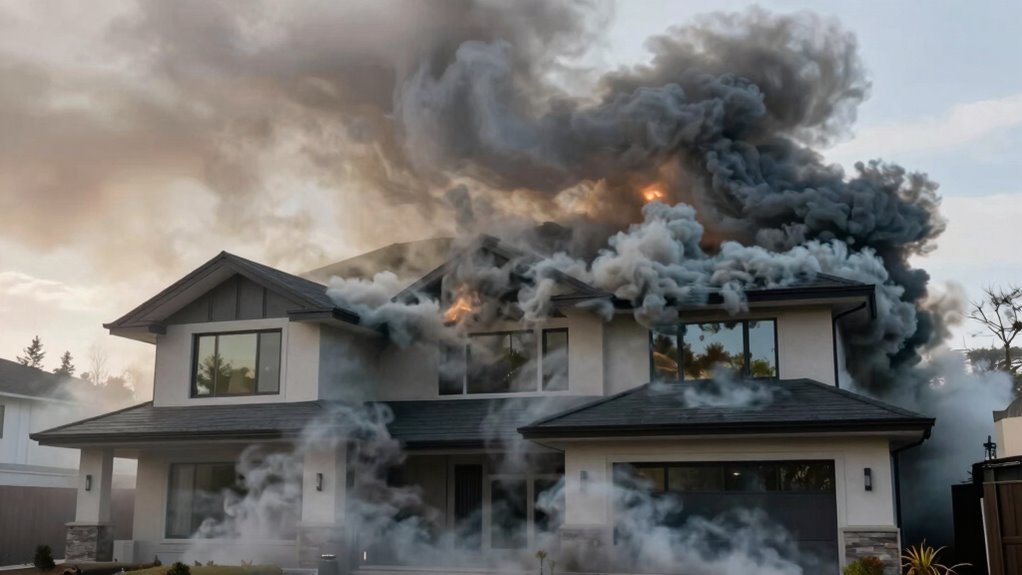
Have you ever wondered if your insurance coverage truly protects every corner of your home? When it comes to smoke and carbon monoxide (CO) coverage, a full-house view isn’t just helpful—it’s essential. These hazards can strike unexpectedly, and if your policy doesn’t account for the entire property, you might find yourself facing costly insurance claims that leave gaps in your protection. Fire prevention efforts are critical, but without thorough coverage, a small, overlooked area can turn into a major problem.
Your home isn’t just the main living area; it includes attics, basements, garages, and even outdoor structures. Smoke and CO can originate from many sources—faulty appliances, electrical issues, or even outdoor fires. If your insurance policy only covers certain sections of your house, you risk leaving others vulnerable to damage or health hazards. When a fire or a CO leak occurs, you want to be confident that your coverage extends everywhere it’s needed. Otherwise, you might face the frustration of filing multiple insurance claims, each with its own process, deductibles, and potential disputes. A full-house view simplifies this by ensuring you’re protected from all angles, reducing the risk of uncovered damages and making the claims process smoother.
Ensure your insurance covers all areas—attics, basements, garages, and outdoor structures—for complete protection against fire and CO hazards.
Prevention is always better than cure, especially with fire-related incidents and CO leaks. Regularly inspecting your entire property helps catch potential issues early, but without proper insurance coverage, prevention alone isn’t enough. If fire prevention measures fail, and an incident occurs in an overlooked area, your insurance should step in to cover repairs and health-related costs. Having thorough smoke and CO coverage means you’re not just insured for the main living spaces but for every part of your home that could be affected by these hazards. This comprehensive approach ensures that your insurance coverage aligns with your home’s layout and risks, providing peace of mind. Additionally, understanding the full scope of your coverage can help you identify potential gaps before they become costly problems. Knowing the importance of full-house coverage can also help you prioritize safety upgrades and maintenance.
A full-house view also helps you understand your policy’s limitations and avoid surprises. It encourages you to think about all possible sources of smoke and CO, ensuring your coverage aligns with your home’s unique layout. When you’re aware of what’s protected, you can take proactive steps in fire prevention and make sure your insurance claims process is straightforward if something does happen. Recognizing the importance of comprehensive protection can motivate you to implement additional safety measures, such as installing smoke and CO detectors in all areas. Ultimately, it’s about peace of mind—knowing that your entire home, not just a portion of it, is covered against smoke, CO, and fire-related risks. That’s the best way to safeguard your home, your health, and your financial stability.
full house smoke and CO detector
As an affiliate, we earn on qualifying purchases.
As an affiliate, we earn on qualifying purchases.
Frequently Asked Questions
How Do Full-House Views Improve Smoke and CO Detection?
Full-house views improve smoke and CO detection by ensuring alarms are ideally placed, considering ventilation systems and potential airflow paths. You can identify blind spots and install alarms where ventilation could carry smoke or CO away quickly. This thorough approach helps you respond faster to hazards, reduces false alarms, and enhances safety across all rooms, giving you peace of mind knowing your entire home is protected effectively.
Can Partial Coverage Leave Blind Spots in Safety Monitoring?
Yes, partial coverage can leave blind spots in safety monitoring, increasing your fire risk. Without a full-house view, you might miss early smoke or CO detection in unmonitored areas, making safety audits less effective. These gaps can delay response times and compromise overall safety. To minimize fire risk and guarantee thorough safety, you need complete coverage that identifies hazards promptly across your entire property.
What Technologies Enable COmprehensive Smoke and CO COverage?
Sensors, smart systems, and seamless sensor integration enable thorough smoke and CO coverage. You harness data analytics to detect dangers swiftly and accurately across your entire home. These technologies work together, providing a full-house view that minimizes blind spots and maximizes safety. By combining sensor integration with advanced data analysis, you guarantee continuous, clever coverage, keeping your home safe and sound from smoke and carbon monoxide threats.
How Often Should Full-House System Assessments Be Conducted?
You should conduct full-house system assessments at least once a year to guarantee ideal fire safety and system maintenance. Regular inspections help identify potential issues early, keeping your smoke and CO detectors functioning correctly across the entire home. Staying proactive with these assessments reduces risks, maintains compliance, and ensures your safety measures are always ready to protect you and your family in an emergency.
Are There Insurance Benefits to Full-House Coverage?
Yes, there are insurance benefits to full-house smoke and CO coverage. It enhances your risk assessment by providing a complete view of potential hazards, which can lead to better policy benefits. Insurers recognize that a full-house system minimizes risks, potentially lowering premiums and improving coverage options. By ensuring your entire home is protected, you’re not only safeguarding your property but also optimizing your insurance policy’s effectiveness.
outdoor structure smoke and CO alarm
As an affiliate, we earn on qualifying purchases.
As an affiliate, we earn on qualifying purchases.
Conclusion
So, next time you review your smoke and CO coverage, remember—missing even one detail could leave you vulnerable. A full-house view isn’t just about numbers; it’s about knowing every room, every risk, and every gap. Are you truly protected? Or are you risking surprises when you least expect them? Take a closer look now—because what you don’t see could be the one thing that changes everything in an instant. Will you be ready?
basement smoke and carbon monoxide detector
As an affiliate, we earn on qualifying purchases.
As an affiliate, we earn on qualifying purchases.
attic fire and CO safety monitor
As an affiliate, we earn on qualifying purchases.
As an affiliate, we earn on qualifying purchases.
Halloween Picks
halloween
As an affiliate, we earn on qualifying purchases.