
To avoid streaks and surface lines in stainless steel, always follow the grain direction during cleaning, polishing, and finishing. Identify the grain pattern by observing surface textures, light reflections, or running your fingers across it. Work steadily along the grain, using light pressure and proper tools to guarantee a smooth, streak-free finish. Mastering this simple rule helps maintain surface durability and aesthetic appeal—keep exploring to learn more about achieving professional results.

Prime made for students and young adults
- Fast, free delivery for dorm and study essentials
- Prime Video and Amazon Music included
- Member-only deals
Key Takeaways
- Always identify the stainless steel’s grain pattern before starting any finishing or polishing work.
- Work consistently along the grain direction to prevent scratches and surface streaks.
- Use visual cues, surface texture, and light reflection differences to determine the grain flow.
- Maintain light pressure and clean tools to ensure a smooth, streak-free surface aligned with the grain.
- Proper grain alignment enhances surface appearance, durability, and reduces the risk of surface oxidation or irregularities.
Top picks for "stainles steel streak"
As an affiliate, we earn on qualifying purchases.
What Causes Streaks and Surface Lines in Stainless Steel
Streaks and surface lines in stainless steel often result from improper cleaning or finishing techniques. These issues typically occur because of how the metal alloy reacts during manufacturing or cleaning. Surface oxidation happens when moisture, chemicals, or abrasive cleaners disturb the protective chromium oxide layer, leaving visible marks. If you don’t use the right cleaning methods, you risk scratching or unevenly polishing the surface, which creates streaks. Additionally, variations in the metal alloy composition can make certain areas more prone to oxidation or surface irregularities. These streaks aren’t just cosmetic; they can weaken the surface over time. To prevent this, always use gentle, non-abrasive cleaners and ensure proper finishing techniques to maintain a sleek, uniform appearance. Proper technique and understanding of grain direction can significantly reduce the risk of streaks and surface lines.
How to Spot the Grain Direction on Stainless Steel
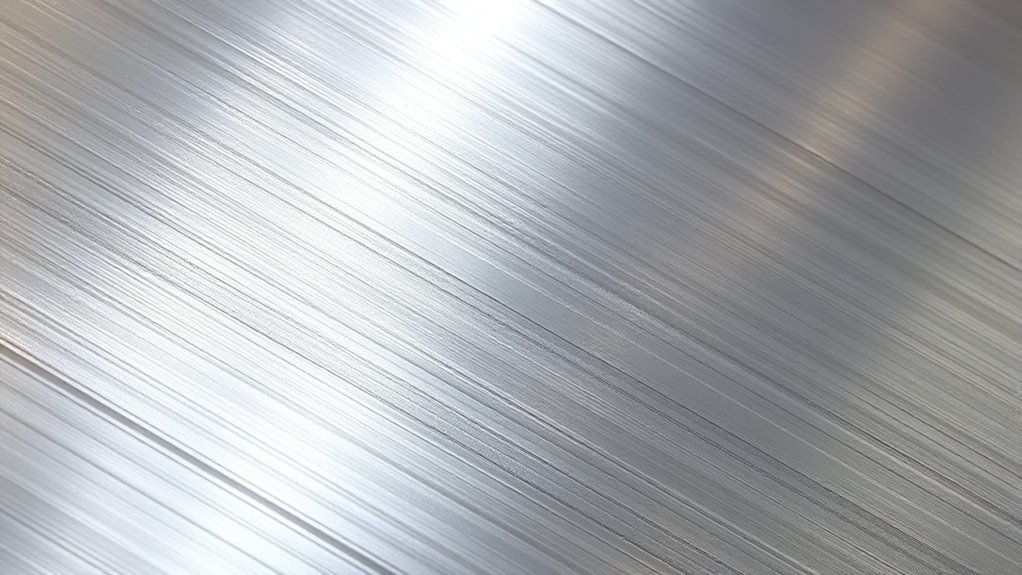
Understanding the grain direction on stainless steel is key to achieving a smooth, uniform finish and preventing streaks. To spot the grain patterns, look closely at the surface textures. Hold the steel at different angles and observe how light reflects off it. The direction where reflections are most consistent indicates the grain’s flow. Run your fingers gently across the surface; you’ll notice a slight difference in feel along the grain versus across it. Sometimes, a magnifying glass helps reveal subtle lines or streaks that follow the grain pattern. By identifying these surface textures, you can align your polishing tools and cleaning motions accordingly. Recognizing the grain direction guarantees you work with the steel’s natural flow, leading to a cleaner, streak-free finish. Paying attention to surface textures ensures more precise work and better results.
Why Following the Grain Direction Matters for a Perfect Finish
Following the grain direction guarantees your finish looks uniform and smooth. It helps prevent visible scratches that can stand out against the surface. When you align your work properly, the final result is consistently polished and professional. Paying attention to surface preparation can further enhance the quality of the finish.
Enhances Surface Uniformity
Have you ever noticed how a smooth, even finish on stainless steel looks more professional and appealing? Following the grain direction helps achieve this by promoting consistent surface texture. When you align your polishing or finishing techniques with the grain, it minimizes variations caused by manufacturing processes. This attention to detail is especially important in industries where sustainable manufacturing is a priority, aligning with European efforts to promote environmentally conscious production. This ensures a uniform appearance that reflects quality. Here’s how following the grain enhances surface uniformity:
- Reduces uneven reflections and light inconsistencies
- Prevents irregularities caused by different manufacturing steps
- Creates a seamless look across the entire surface
- Facilitates easier inspection and quality control
Prevents Visible Scratches
When you polish stainless steel along the grain, it helps prevent visible scratches that can mar the surface. Scratches make the finish look uneven and can trap dirt and moisture, which may lead to metal corrosion over time. Additionally, scratches can cause surface discoloration, reducing the steel’s sleek appearance. Following the grain direction ensures your polishing process smooths the surface without creating unnecessary marks. This not only preserves the steel’s aesthetic appeal but also minimizes areas vulnerable to corrosion and discoloration. When you work with the grain, you achieve a cleaner, more professional finish that resists damage and maintains its shine longer. Proper technique in following the grain truly makes a difference in the longevity and beauty of your stainless steel surfaces. Using the correct cleaning tools and techniques helps maintain the integrity of the surface and prevents unnecessary scratches.
Ensures Consistent Appearance
To achieve a uniform, professional-looking finish, it’s essential to polish stainless steel along the grain direction. Proper surface preparation combined with metal polishing along the grain guarantees a consistent appearance. When you follow the grain, you prevent uneven streaks and blotches that can mar the surface. This consistency enhances the aesthetic appeal and makes maintenance easier. Additionally, aligning your polishing technique with the grain improves the durability of the finish. Remember these key points:
- Minimize surface scratches by following the grain
- Achieve a smooth, reflective surface
- Avoid uneven coloration or streaks
- Ensure long-lasting, high-quality results
Sticking to the grain during metal polishing guarantees a flawless surface, maintaining the stainless steel’s sleek look and professional quality.
Easy Techniques to Identify and Align With the Grain
To identify the grain, look closely at the surface for subtle patterns or lines. You can also test with your fingernail—if it catches or leaves a mark, you’re likely aligned with the grain. Remember to keep your cuts consistent in the same direction to guarantee a smooth, streak-free finish. Additionally, paying attention to the grain direction rule can help ensure your work is both efficient and aesthetically pleasing.
Visual Grain Patterns
Identifying the grain patterns in stainless steel is straightforward once you know what to look for. Focus on the subtle cues like texture contrast and pattern variation. Look closely at the surface, and you’ll notice the direction of streaks or lines that reflect the grain. These patterns can be straight, wavy, or irregular, giving clues about the grain flow. Pay attention to:
- Consistent streak direction indicating the grain line
- Areas where texture contrast shifts smoothly
- Variations in pattern that suggest changes in grain orientation
- Reflective differences that highlight the streaks’ flow
- Recognizing grain flow patterns helps in aligning and finishing stainless steel surfaces effectively.
Test With Fingernail
Ever wondered how to quickly confirm the grain direction on your stainless steel surface? One simple method is to use your fingernail to test the surface shimmer and grain contrast. Lightly run your fingernail across the steel; if the surface feels smooth and resists catching, you’re moving parallel to the grain. If your nail catches or leaves a slight mark, you’re crossing the grain or moving perpendicular to it. The grain contrast often becomes more noticeable when you observe the surface shimmer—shifting slightly as you change direction. This tactile test helps you identify the correct alignment before cutting or finishing. It’s a quick, effective way to ensure you follow the grain pattern, reducing scratches and achieving a cleaner, professional look. Additionally, understanding the metal surface finish can help you better anticipate how the grain will appear under different lighting conditions.
Consistent Cutting Direction
Maintaining a consistent cutting direction is essential for achieving a smooth, professional finish on stainless steel. When you follow the metal grain, your cuts align with the surface texture, minimizing streaks and uneven streaks. To identify the grain, observe the surface texture—look for subtle lines or streaks that run in one direction. Keep your tool moving steadily along this path to ensure uniformity. Using the proper tip size can further improve the quality of your cut by providing a more controlled spray pattern.
- Follow the visible surface texture for guidance
- Use light pressure to prevent surface scratches
- Check the grain direction frequently during cutting
- Keep your tool aligned with the surface texture at all times
Staying consistent helps prevent cross-grain marks, ensuring your stainless steel looks clean and polished. Proper alignment with the metal grain makes all the difference in achieving a professional finish.
Common Mistakes That Can Ruin Your Stainless Steel Finish
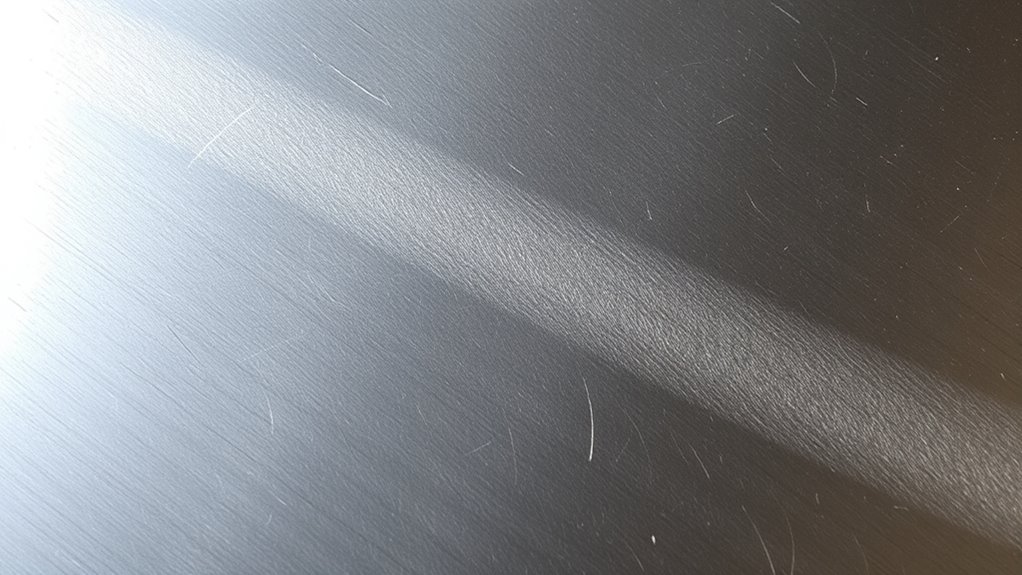
One common mistake that can ruin your stainless steel finish is using abrasive cleaners or scrubbers, which can scratch the surface and leave behind unsightly streaks. Surface contamination, like fingerprints or dirt, can worsen the appearance if not cleaned properly, especially when combined with abrasive tools that damage the finish. Additionally, neglecting temperature fluctuations during cleaning or polishing can cause the metal to expand or contract, leading to uneven streaks or surface marks. Rushing the process or using improper products increases the risk of damaging the grain and creating blemishes. To maintain a smooth, streak-free finish, always use gentle cleaners designed for stainless steel and avoid sudden temperature changes that could compromise the surface. Proper care prevents streaks and preserves the metal’s attractive appearance. Being aware of grain direction and cleaning accordingly can also help prevent unwanted streaks and surface damage.
Tips for Polishing and Finishing Along the Grain
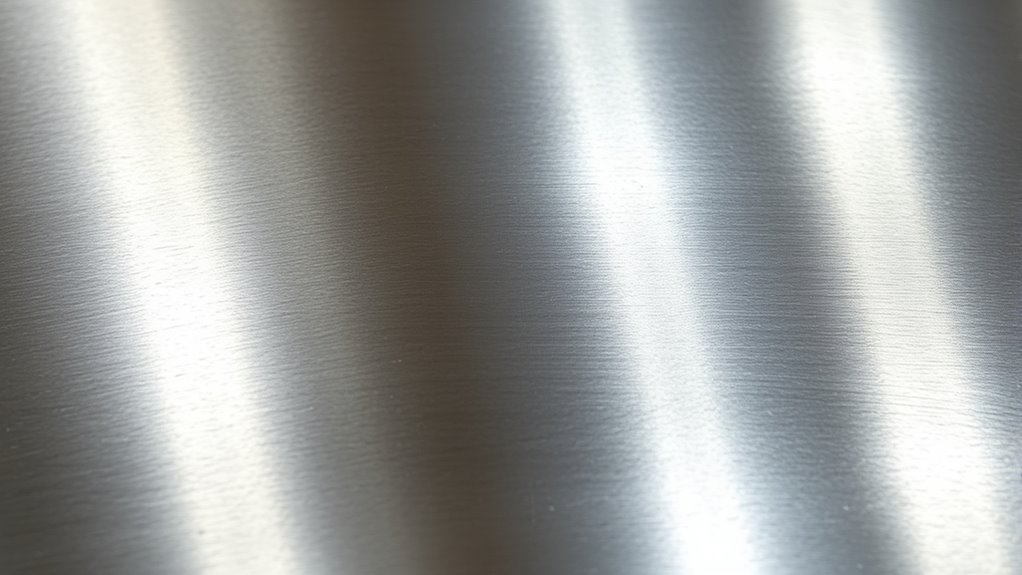
Polishing and finishing stainless steel along the grain is essential to achieving a smooth, streak-free surface. To do this effectively, focus on proper polishing techniques and use the right finishing tools. Always follow the grain direction to prevent scratches and streaks. Use a soft cloth or polishing wheel designed for stainless steel to ensure gentle, even pressure. Keep your tools clean and free of debris to avoid marring the surface. When polishing, work in small sections, maintaining a consistent direction along the grain. Consider using a fine abrasive pad or polishing compound suited for stainless steel. Regularly check your progress and adjust your technique as needed. Proper adherence to the grain and careful handling of finishing tools will give you a professional, streak-free finish every time.
Master the Grain Direction Rule for Better Results
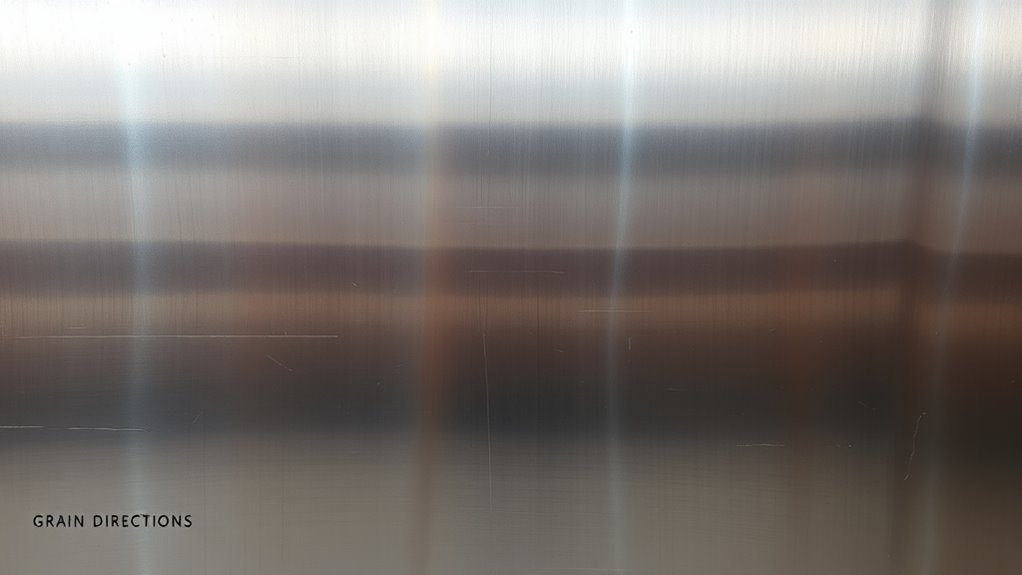
Mastering the grain direction rule can make a significant difference in achieving a flawless stainless steel finish. Proper grain alignment ensures your polishing and finishing work follows the natural flow of the metal, reducing streaks and uneven surfaces. When you pay attention to the grain direction, you enhance the overall finish quality, making it smoother and more professional-looking. Always identify the grain pattern before you start, and work with it rather than against it. This approach minimizes scratches and streaks that can mar the surface. By mastering this rule, you gain better control over your process, resulting in a seamless, high-quality finish. Remember, consistency in following the grain direction is key to achieving superior results in stainless steel finishing.
Frequently Asked Questions
Can Improper Grain Alignment Cause Corrosion in Stainless Steel?
Yes, improper grain alignment can increase corrosion susceptibility in stainless steel. When the grain boundary isn’t aligned correctly, it creates uneven surfaces and weak spots, making it easier for corrosive elements to penetrate. This misalignment can lead to localized corrosion, such as pitting or crevice corrosion, compromising the material’s integrity. To prevent this, guarantee proper grain orientation during manufacturing to minimize grain boundary vulnerabilities.
How Does Grain Direction Influence Stainless Steel Welding Quality?
You should pay close attention to grain direction because it directly impacts your welding quality. Proper grain uniformity guarantees consistent heat flow and minimizes defects, leading to a smoother surface finish. When you align the grain direction correctly, you reduce the risk of weak welds and cracks. Always check the grain orientation before welding to guarantee strong, durable joints with a professional surface finish.
Are There Tools to Automatically Detect Grain Direction?
Yes, there are tools for automated analysis that can detect grain direction in stainless steel. These advanced devices use sophisticated algorithms to perform grain detection quickly and accurately, eliminating guesswork. Imagine simplifying your workflow with automated analysis, ensuring perfect welds every time. The technology’s precision can reveal subtle grain patterns, helping you maintain high quality standards effortlessly. Don’t miss out on integrating these innovative tools into your process for ideal results.
Does Grain Orientation Affect Stainless Steel’s Resistance to Scratches?
Yes, grain orientation affects stainless steel’s resistance to scratches. You’ll notice that surfaces with consistent grain patterns and a smooth surface finish tend to resist scratches better because the grain direction helps distribute stress evenly. When the grain runs parallel to the surface, it minimizes visible scratches and damage. So, paying attention to grain patterns and choosing a proper surface finish can considerably improve your stainless steel’s durability against scratches.
Can Grain Misalignment Lead to Structural Weaknesses?
Did you know that 65% of stainless steel failures involve issues related to grain misalignment? Yes, grain misalignment can lead to structural weaknesses because it creates stress concentration points, which compromise the material’s integrity. When the grains aren’t aligned properly, the steel becomes more prone to cracking or breaking under load. Consequently, ensuring correct grain orientation is essential for maintaining strength and preventing structural failures.
Conclusion
So there you have it—mastering the grain direction isn’t rocket science, but it might just save you from a stainless steel nightmare. Follow these tips, align with the grain, and avoid the dreaded streaks that make your work look like a toddler’s art project. With a little patience and attention, you’ll turn that shiny surface into a sleek masterpiece—without breaking a sweat or your sanity. Happy polishing!
Fall Picks
fall essentials
As an affiliate, we earn on qualifying purchases.