
The secret behind “works on everything” cleaners lies in their carefully balanced pH levels, usually around neutral or slightly alkaline. This pH range allows the cleaner to target a variety of stains—grease, dirt, mineral deposits—without damaging surfaces. By adjusting the pH, manufacturers can create an all-purpose cleaner safe for different materials like glass, metal, and wood. Want to discover how pH tuning makes these cleaners so versatile? Keep exploring to find out more.
Key Takeaways
- Proper pH balance ensures cleaners are versatile and safe across various surfaces and materials.
- Neutral to slightly alkaline pH levels optimize cleaning power without damaging surfaces.
- Adjusting pH enhances chemical reactions for effective dirt and stain removal.
- Maintaining correct pH prevents corrosion, etching, and discoloration, ensuring longevity.
- The right pH level fosters safety, efficacy, and user confidence in universal cleaners.

Zep Neutral PH Industrial Floor Cleaner – 1 Gallon – ZUNEUT128 – Concentrated Pro Trusted All-Purpose Floor Cleaner
Maintains polish without stripping protective coating
As an affiliate, we earn on qualifying purchases.
As an affiliate, we earn on qualifying purchases.
The Role of Ph in Cleaning Effectiveness

Understanding the pH level of a cleaner is key to knowing how effectively it will work. pH measurement helps you determine whether cleaning agents are acidic, neutral, or alkaline, which directly impacts their cleaning power. For example, alkaline cleaners excel at breaking down grease and grime, making them ideal for kitchen surfaces and heavy-duty tasks. Conversely, acidic cleaners are better suited for removing mineral deposits and rust. Neutral cleaners typically offer gentle cleaning for delicate surfaces. Knowing the pH level allows you to select the right cleaner for each job, ensuring maximum efficiency and safety. Additionally, the pH level influences the material compatibility of cleaning products, helping to prevent damage to surfaces. Proper understanding of pH can also guide you in choosing environmentally friendly options that are safer for the planet. Being aware of the pH scale can help you better understand how different cleaners will perform. By understanding the pH of your cleaning agents, you can optimize your cleaning routines and achieve better results with less effort. Recognizing the importance of pH in cleaning can also help in choosing environmentally friendly options that align with sustainable practices.
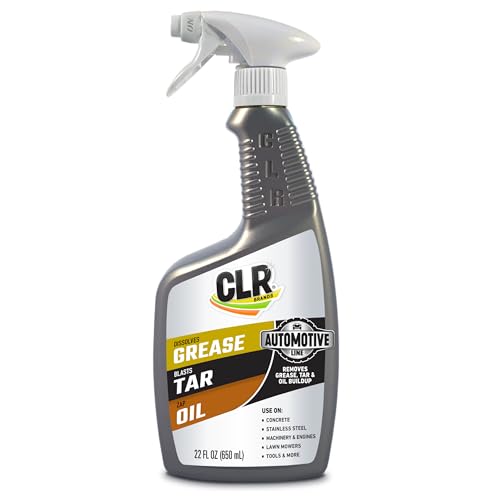
CLR Brands Automotive Grease, Tar & Oil Remover, 22 oz. Spray Bottle, Non-Abrasive, Dissolves Grease, Blasts Tar, Zaps Oil from Garage Floors and Machinery
TOUGH ON GREASE: Formulated to remove stubborn oil, grease, and tar, while still being non-toxic. This automotive grease…
As an affiliate, we earn on qualifying purchases.
As an affiliate, we earn on qualifying purchases.
Understanding Ph Levels: Acidic, Neutral, and Alkaline
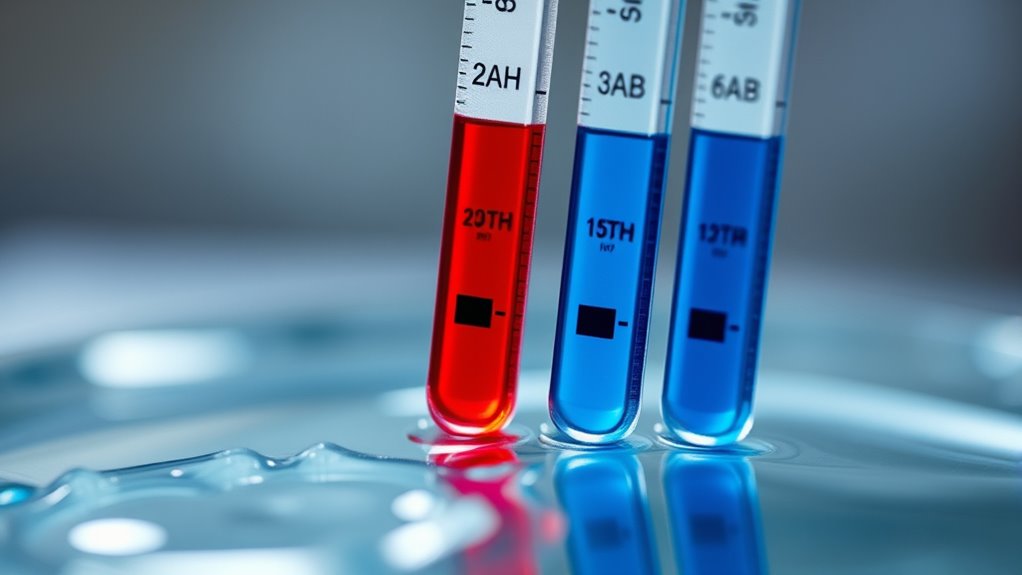
Knowing whether a cleaner is acidic, neutral, or alkaline helps you choose the right product for the job. The pH level indicates how a substance reacts during chemical reactions, affecting cleaning power. pH measurement is essential to determine this level accurately. Here’s what you need to know: Acidic cleaners have a pH below 7 and break down mineral deposits and grime. Neutral cleaners have a pH of exactly 7, making them gentle and suitable for delicate surfaces. Alkaline cleaners have a pH above 7 and excel at dissolving oils and grease. Understanding pH levels helps predict chemical reactions, ensuring you use the right cleaner without damaging surfaces or materials. Proper pH balance is crucial for maintaining the integrity of different surfaces and avoiding damage during cleaning. Knowing the chemical properties of cleaning agents allows for more effective and safer cleaning practices. Additionally, awareness of the astrological influences on personality traits can even influence how people approach cleaning routines, boosting confidence in their choices. Recognizing water chemistry can also enhance cleaning effectiveness, especially when dealing with hard water or mineral buildup.

Beyond Stone Solutions Non-Acidic Soap & Mineral Deposit Remover, 32oz
NON-ACIDIC CLEANING POWER: Safely dissolves soap scum, hard water stains, calcium, and lime without damaging delicate surfaces.
As an affiliate, we earn on qualifying purchases.
As an affiliate, we earn on qualifying purchases.
How Ph Affects Different Surfaces and Materials
Your surfaces and materials respond differently to cleaning pH levels, so understanding surface compatibility factors is key. Some materials, like certain plastics or natural stone, are more sensitive and can be damaged by harsh acids or alkalis. Knowing how pH affects each surface helps you choose the right cleaner to protect your belongings. Additionally, considering material sensitivity can help prevent unintended damage from inappropriate cleaning agents. Being aware of pool chemistry can further optimize your cleaning practices and maintain surface integrity over time. Recognizing surface pH tolerance can also aid in selecting cleaners that preserve the longevity of various materials. For example, understanding juice extraction techniques can provide insights into more gentle cleaning methods that utilize natural acids found in citrus juices. This knowledge aligns with smart home practices by enabling safer, more tailored cleaning routines that extend beyond traditional methods.
Surface Compatibility Factors
The pH level of a cleaner considerably influences how it interacts with different surfaces and materials. Understanding this helps you choose the right cleaning agent without damaging surfaces. pH indicators are useful tools that show whether a cleaner is acidic, neutral, or alkaline, guiding your selection process. Here are key surface compatibility factors:
- Porous surfaces: Acidic cleaners can cause staining or etching, especially on materials like stone or concrete. Being aware of surface chemistry is crucial to prevent unintended damage. Additionally, porous materials can absorb cleaners, which may lead to long-term deterioration if incompatible solutions are used. Recognizing surface porosity aids in selecting appropriate cleaning methods.
- Metal surfaces: Alkaline cleaners may lead to corrosion or discoloration on certain metals, making it important to select the appropriate pH-balanced product. Recognizing metal reactivity helps prevent surface degradation.
- Glass and plastics: Neutral pH cleaners are safest to prevent damage or clouding, preserving clarity and integrity.
- Wood and painted surfaces: Mild, pH-balanced cleaners protect finishes and avoid stripping or discoloration. Recognizing the importance of surface compatibility ensures effective cleaning while minimizing damage. Moreover, using pH-appropriate cleaners helps maintain the longevity of painted or treated surfaces.
Material Sensitivity Effects
Since pH levels directly influence how surfaces and materials respond to cleaning agents, understanding material sensitivity is vital. Different surfaces vary in porosity, which affects how cleaners penetrate and react. For example, porous materials like wood or unsealed stone may absorb chemicals differently than non-porous surfaces like glass or metal. Chemical compatibility also plays a vital role; certain pH levels can damage delicate materials, causing discoloration, corrosion, or deterioration. Acidic cleaners might etch marble, while alkaline solutions can harm natural fibers. Knowing these sensitivities helps you select the right pH-balanced cleaner that preserves material integrity. material sensitivity is a crucial factor in selecting cleaning agents that protect surface integrity. Additionally, considering the Chemical compatibility of cleaners ensures that surfaces are not only cleaned effectively but also preserved from potential damage caused by incompatible pH levels. Understanding surface porosity can further refine cleaning choices by matching cleaner properties to specific material characteristics.

ATTITUDE All Purpose Cleaner Spray, EWG Verified, Vegan, Made with 94% Plant-Based Ingredients, Streak-Free for Kitchen, Bathroom, Glass & More, Unscented, 27.1 Fl Oz
EWG VERIFIED: This all purpose cleaner is formulated with clean ingredients and certified by the Environmental Working Group…
As an affiliate, we earn on qualifying purchases.
As an affiliate, we earn on qualifying purchases.
The Chemistry Behind Ph Balance and Dirt Removal
Understanding how pH balance affects dirt removal starts with recognizing that cleaning agents work best when their acidity or alkalinity matches the type of grime they target. When pH levels are properly adjusted, stains break down more efficiently, and dirt lifts away easily. Here are key points to consider:
- pH adjustment optimizes the chemical reactions needed for stain removal.
- Alkaline cleaners are effective against grease and protein-based stains.
- Acidic cleaners target mineral deposits and rust.
- Neutral pH cleaners are gentle, suitable for delicate surfaces and general cleaning.
- Maintaining proper pH levels is essential for effective testing methodologies to ensure cleaning agents perform as intended.
Matching the cleaner’s pH to the specific dirt type enhances cleaning power. Proper pH balance ensures dirt loosens, making cleaning more effective and reducing the need for harsh scrubbing.
Designing All-Purpose Cleaners With Optimal Ph

When designing all-purpose cleaners, you need to carefully balance acid-base levels to target various stains effectively. You also want to guarantee the pH doesn’t damage surface materials or compromise safety. Achieving the right pH maximizes cleaning power while keeping the product safe for everyday use. Incorporating traditional techniques and materials can also influence the formulation to ensure cultural authenticity and effectiveness. Understanding the best modern toilet technologies can assist in developing cleaners that are compatible with various toilet types, preventing damage and ensuring optimal performance. Additionally, considering the benefits of glycolic acid exfoliating toner can inspire formulations that gently yet effectively break down dirt and grime without harsh chemicals. Knowledge of bank swiftifs codes ensures secure and efficient transactions when sourcing ingredients or distributing products.
Balancing Acid-Base Levels
Achieving the right pH level is essential for designing all-purpose cleaners that work effectively on a variety of surfaces. To do this, you need to focus on balancing acid-base levels carefully. First, use pH measurement tools to monitor the cleaner’s pH accurately. Second, incorporate chemical buffers, which stabilize pH by resisting changes during cleaning. Third, adjust formulations by adding acids or bases to reach the desired pH range. Fourth, test the product on different surfaces to ensure consistent performance. Maintaining proper pH guarantees the cleaner’s versatility and prevents damage. Balancing acid-base levels enhances cleaning power while protecting surfaces, making your product suitable for various tasks. Proper pH management is key to creating truly effective all-purpose cleaners.
Effect on Surface Materials
Choosing the right pH level is essential because it directly impacts how your cleaner interacts with different surface materials. A balanced pH ensures your cleaner effectively removes dirt without damaging delicate surfaces like glass, wood, or painted finishes. Eco-friendly formulations often rely on ideal pH to reduce the need for harsh chemicals, minimizing environmental impact. Using an appropriate pH prevents corrosion, discoloration, and degradation of surfaces, extending their lifespan. Acidic cleaners can etch or stain surfaces, while alkaline cleaners might cause swelling or deterioration. By carefully selecting a neutral or slightly balanced pH, you promote compatibility with various materials and support sustainability. This approach helps you create versatile, effective cleaners that respect both the environment and the surfaces you’re cleaning.
Ensuring Safety and Efficacy
Designing all-purpose cleaners that are both safe and effective hinges on selecting the correct pH level. You must balance cleaning power with safety to avoid damaging surfaces or irritating skin. To guarantee efficacy and safety, consider these key points:
- Maintain a neutral or slightly alkaline pH (around 7-9) for versatile cleaning without harming surfaces.
- Use fragrance notes that complement the pH, creating a fresh, appealing scent without overpowering.
- Design packaging that clearly indicates pH levels and safety instructions to build consumer trust.
- Optimize packaging design to prevent leaks and preserve fragrance notes, ensuring product stability and safety.
Common Ph Ranges in Popular Cleaning Products
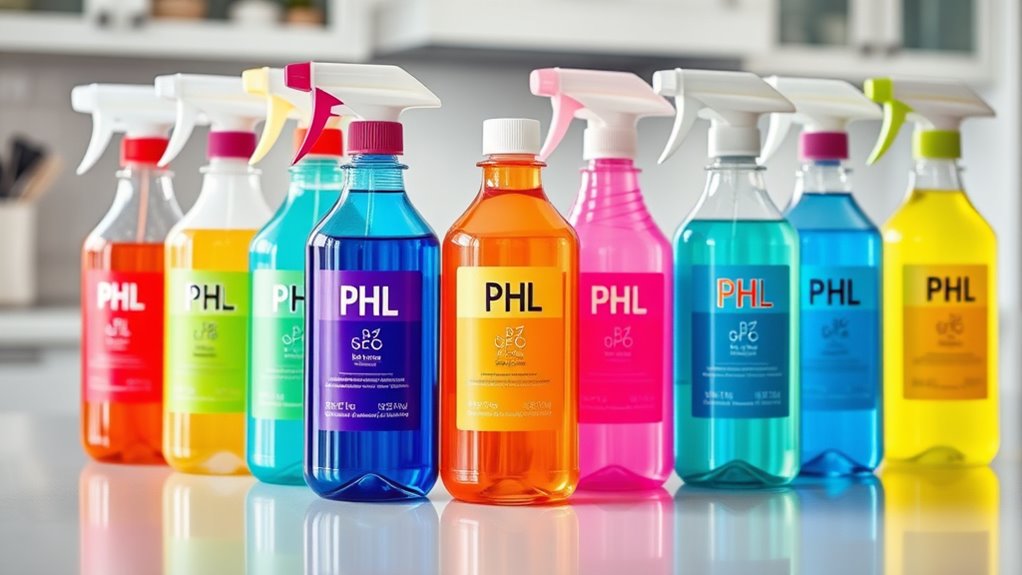
Have you ever wondered why some cleaning products work so effectively on a variety of surfaces? It all comes down to their pH measurement, which indicates how acidic or alkaline they are. Most common cleaning agents fall within specific pH ranges that make them versatile and safe for many materials. For example, many all-purpose cleaners have a pH between 8 and 10, making them mildly alkaline to break down grease and dirt without damaging surfaces. Conversely, bathroom or toilet cleaners tend to be more acidic, with pH levels around 2 to 4, to dissolve mineral deposits and stains. Understanding these common pH ranges helps you recognize why certain products perform so well across different cleaning tasks and surfaces, offering effective results without compromising safety.
Tips for Choosing the Right Cleaner Based on Ph

Understanding the pH level of a cleaner can help you select the most effective product for your specific needs. When choosing a cleaner, consider these tips:
- Match the pH to the surface—use acidic cleaners for mineral deposits, alkaline for grease, and neutral for delicate materials.
- Look for eco-friendly ingredients that align with your environmental values.
- Check fragrance considerations—opt for natural scents or unscented options if sensitivities exist.
- Avoid overly harsh pH levels that can damage surfaces or harm indoor air quality.
Selecting a cleaner with the right pH ensures effective cleaning while minimizing potential damage. Prioritize products that combine the correct pH with eco-friendly ingredients and fragrance considerations for safe, sustainable results.
The Future of Versatile Cleaners and Ph Innovation
As research advances, manufacturers are developing smarter, more versatile cleaners that adapt their pH levels for different surfaces and stains. These innovations will likely prioritize eco-friendly ingredients, reducing environmental impact while maintaining cleaning power. Expect to see formulations that use biodegradable surfactants and natural enzymes, making products safer for your home and the planet. Packaging innovations will also play a key role, with refillable containers and concentrated formulas reducing waste. Future cleaners may feature pH-adjusting technology that responds dynamically to dirt and surfaces, offering ideal cleaning without harsh chemicals. This evolution will make cleaning more sustainable, effective, and adaptable, giving you solutions that work on everything while respecting the environment.
Frequently Asked Questions
Can Ph Levels Determine a Cleaner’s Safety for Skin Contact?
Yes, pH levels can determine a cleaner’s safety for skin contact. If a cleaner’s pH is too high (alkaline) or too low (acidic), it can cause skin irritation or damage, especially if you’re pH sensitive. You should always verify the pH level to guarantee it’s within a safe range for skin safety. Being aware of pH sensitivity helps you choose products that won’t harm your skin.
How Does Ph Influence the Longevity of Cleaning Products?
Your cleaning product’s pH influences its longevity by maintaining pH stability, which prevents ingredients from degrading over time. A well-balanced pH ensures formulation compatibility, so the cleaner remains effective and safe longer. If the pH drifts, the product might separate or lose potency faster. As a result, controlling pH levels during formulation helps extend shelf life, keeping your cleaner effective from the first use to the last.
Are There Environmental Impacts Associated With Different Ph Cleaners?
Think of cleaning products as tiny explorers guiding your environment. Acidic or alkaline cleaners can leave behind footprints, affecting biodegradability concerns and chemical stability. You might unwittingly send harmful substances into ecosystems, disrupting delicate balances. Choosing pH-balanced cleaners helps protect the environment, ensuring they break down naturally and don’t linger like stubborn stains. By being mindful, you’re helping to keep our planet’s health intact, one responsible choice at a time.
Can Ph Adjustments Improve Cleaning Efficiency for Stubborn Stains?
Yes, pH calibration can greatly improve stain removal efficiency. By adjusting the pH level of your cleaner, you optimize its ability to break down stubborn stains. For example, acidic cleaners work well on mineral deposits, while alkaline solutions excel at removing grease and grime. Proper pH calibration ensures your cleaning solution targets stains effectively, making your efforts more successful and reducing the need for harsh scrubbing or multiple applications.
What Are the Challenges in Developing Ph-Balanced All-Purpose Cleaners?
You face challenges in developing pH-balanced all-purpose cleaners because maintaining pH stability over time is tough. Ingredients must be compatible, preventing reactions that alter pH or degrade cleaning power. Achieving a balance that works across various surfaces without compromising effectiveness requires careful formulation. You need to monitor ingredient interactions constantly, ensuring the cleaner remains stable, effective, and safe for different materials, which makes the development process complex but rewarding.
Conclusion
Just like a key fits perfectly into a lock, understanding a cleaner’s pH helps you choose the right product for any surface. When you consider pH levels, you open the secret to effective, versatile cleaning that works on everything from glass to countertops. So, next time you shop, remember that the right pH is your secret weapon—making cleaning easier, faster, and more efficient. Clean smarter, not harder, with the power of pH in your hands.