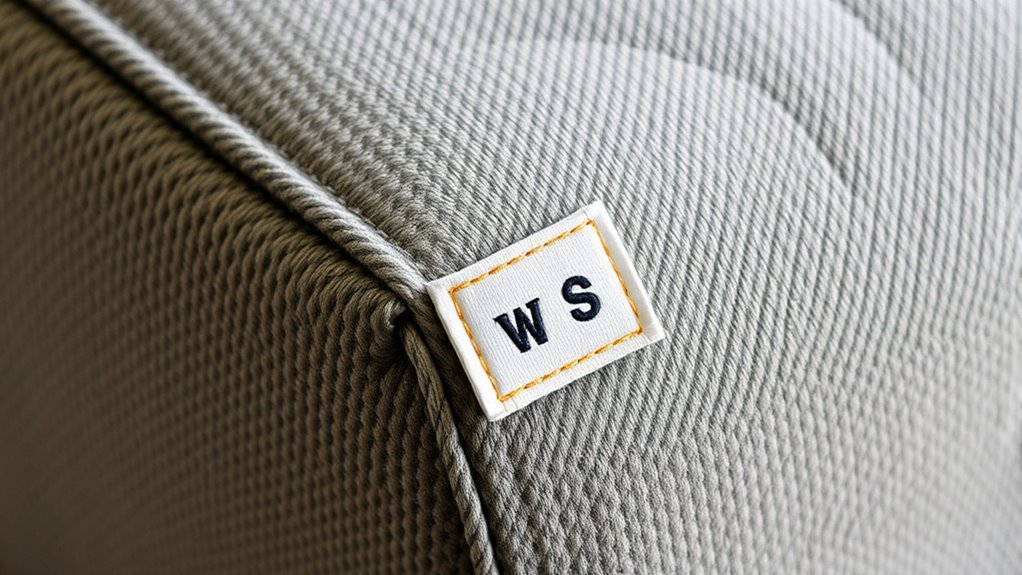
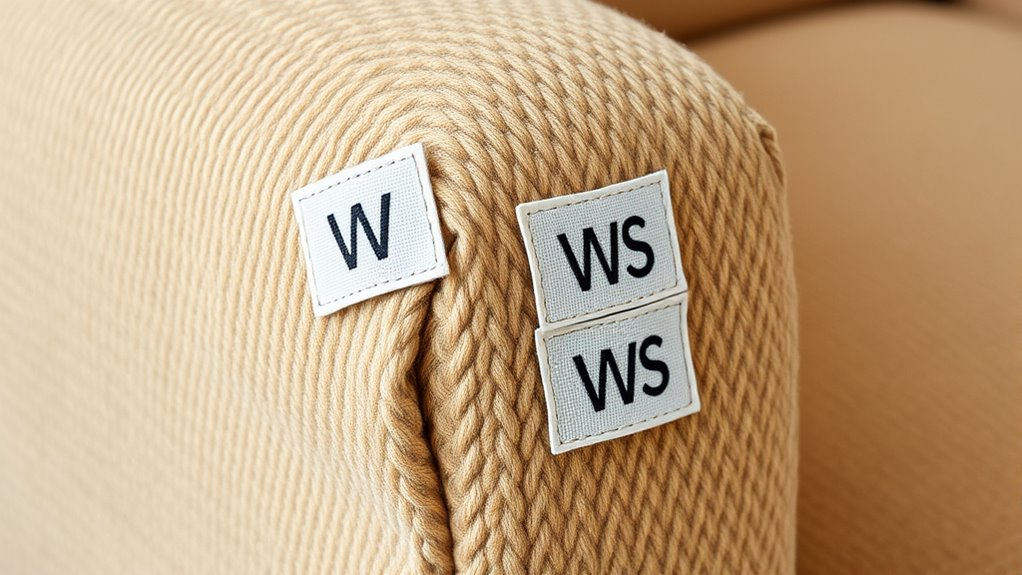
Upholstery tags with W, S, WS, or X provide essential info about how to clean and care for your furniture. W means you can use water-based cleaners, while S indicates solvents only. WS suggests both methods are safe, and X means no liquids—just vacuum or professional cleaning. Knowing what these codes mean helps you avoid damage and keep your furniture looking its best. Keep going, and you’ll discover practical tips for proper cleaning and maintenance.

Prime made for students and young adults
- Fast, free delivery for dorm and study essentials
- Prime Video and Amazon Music included
- Member-only deals
Key Takeaways
- Upholstery tags indicate fabric durability and safety codes: W (water-safe), S (solvent-safe), WS (water/solvent-safe), X (not durable).
- They provide essential cleaning instructions to prevent fabric damage during maintenance.
- W tags mean water-based cleaning is safe; S tags require solvent cleaning; WS tags allow both methods.
- X tags suggest avoiding liquids; cleaning should be done with vacuuming or professional services.
- Always follow the tag instructions to protect your furniture’s appearance and prolong its lifespan.
upholstery cleaning tags W S WS X
As an affiliate, we earn on qualifying purchases.
As an affiliate, we earn on qualifying purchases.
Why Upholstery Tags Matter for Your Furniture
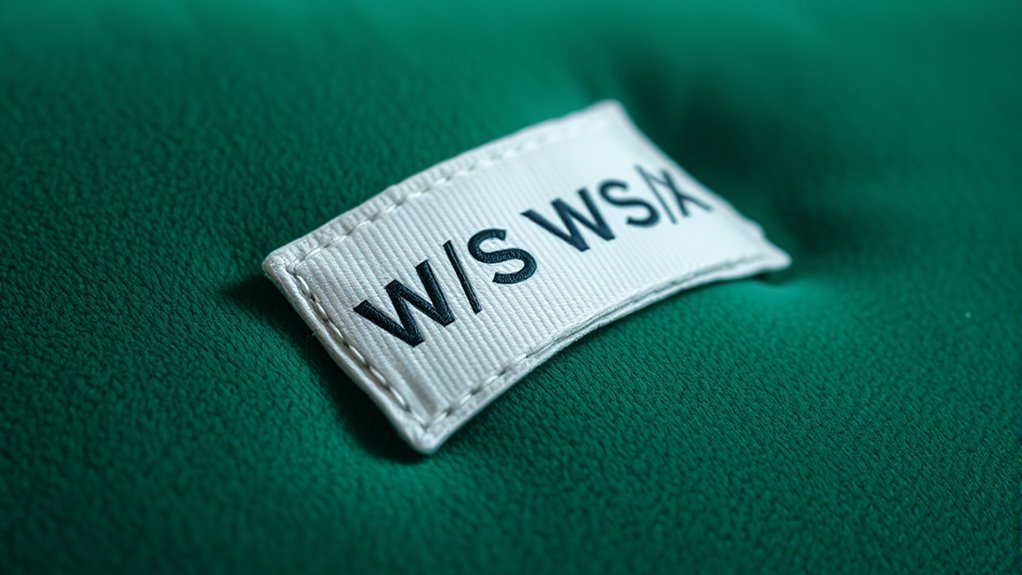
Upholstery tags are essential because they provide important information about your furniture’s materials and care instructions. They help you understand the fabric pattern, ensuring it matches your style and preferences. Knowing whether the upholstery is colorfast tells you if the fabric will retain its vibrant hue after cleaning or exposure to sunlight. This knowledge is crucial for preventing surprises, like color bleeding or fading, which can ruin the look of your furniture. The tags guide you in selecting the right cleaning method and maintaining your furniture’s appearance over time. By paying attention to these details, you protect your investment and keep your furniture looking fresh. In short, upholstery tags serve as your quick reference for caring for your furniture’s aesthetic and longevity. Additionally, understanding nanotechnology advancements can lead to innovations in fabric treatments that enhance durability and stain resistance.
As an affiliate, we earn on qualifying purchases.
Decoding W, S, WS, and X on Upholstery Labels
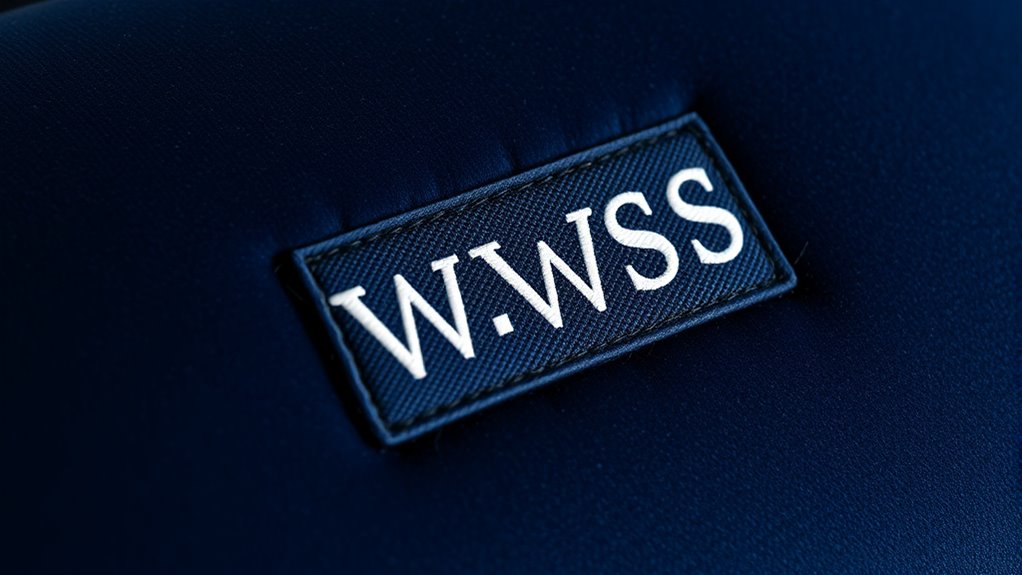
Understanding what the codes W, S, WS, and X mean on upholstery labels helps you care for your furniture properly. These symbols reveal fabric durability and tell you how to clean and maintain your pieces safely. Knowing these codes guarantees your furniture stays in great shape longer. For example, the fabric durability indicated by these labels can help you select the right upholstery for your needs.
Fabric Durability Indicators
Ever wonder what those letters on your furniture label really mean? They indicate fabric durability, reflecting fabric strength and fiber resilience. Here’s a quick guide:
| Code | Durability Level | Suitable Use |
|---|---|---|
| W | Water-safe | Moderate use, softer fabrics |
| S | Solvent-safe | Heavy use, high traffic |
| WS | Water/solvent-safe | Versatile, common choice |
| X | Not durable | Not suitable for upholstery |
| N/A | Not specified | Check manufacturer details |
These codes help you understand how well a fabric holds up over time. For example, W fabrics are more resilient to moisture but may lack fiber strength for heavy-duty use, while S fabrics excel in durability, thanks to their fiber resilience. Understanding fabric durability indicators can help you make more informed furniture choices.
Cleaning and Maintenance Codes
Decoding the cleaning and maintenance codes on your upholstery labels is essential for keeping your furniture in top condition. These codes—W, S, WS, and X—guide you on proper fabric stain removal and cleaning methods, helping extend your upholstery’s longevity. W indicates water-based cleaning, S signifies solvent cleaning only, WS allows both water and solvent methods, and X means vacuum or professional cleaning without liquids. Using the correct method prevents damage and preserves fabric quality. Ignoring these codes can lead to ineffective cleaning or fabric deterioration. By following the labels precisely, you protect your furniture from stains and wear, ensuring it stays beautiful and functional longer. Proper maintenance not only enhances appearance but also maximizes the lifespan of your upholstery over time. Additionally, understanding cleaning and maintenance techniques can help you select the most suitable tools and products for your specific fabric type.
As an affiliate, we earn on qualifying purchases.
How to Clean Upholstery With Water-Based Solutions
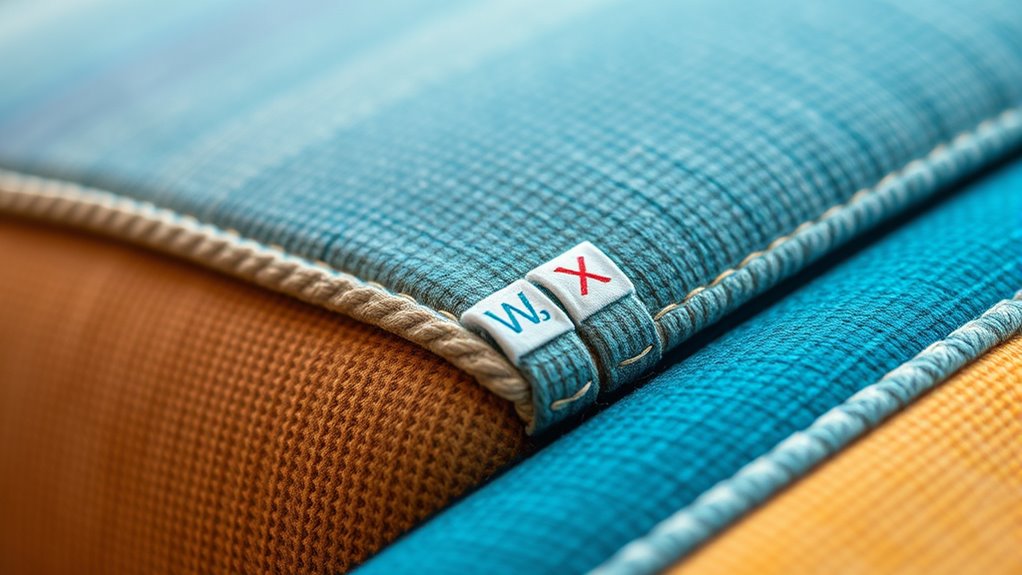
Before cleaning your upholstery with water-based solutions, always test a small, hidden area to prevent damage. Use gentle cleaners to avoid harming the fabric, and be careful not to soak the material too much. After cleaning, make certain you dry the area thoroughly to prevent mold and mildew growth. Additionally, understanding ventilation considerations can help ensure proper drying and prevent future issues.
Test Spot First
To avoid potential damage or discoloration, always start by testing your cleaning solution on an inconspicuous area of your upholstery. This fabric testing helps you assess stain resistance and guarantees the cleaner won’t harm the fabric. Apply a small amount of water-based solution to a hidden spot and wait a few minutes. Check for any color bleeding or texture change. If the fabric remains unaffected, you can proceed confidently with cleaning the rest of the upholstery. Keep in mind that different fabrics respond differently to cleaning agents, so this step is essential for preventing costly mistakes. Taking this extra precaution preserves your furniture’s appearance and extends its lifespan, making sure your cleaning efforts are both safe and effective. Incorporating visual and auditory cues can also enhance your understanding and ensure proper application of cleaning techniques.
Use Gentle Cleaners
Using gentle, water-based cleaners is essential for safely removing dirt and stains from your upholstery. They help with fabric stain removal without damaging delicate or sensitive upholstery fabric types. When cleaning, picture a soft sponge gliding over a plush sofa, or a gentle mist lightly dampening a textured armchair. These solutions work well on microfiber, cotton, or polyester fabrics, ensuring thorough cleaning without harm. Keep in mind:
- Using a mild soap or detergent minimizes risk to fabric integrity
- Avoiding harsh chemicals prevents discoloration or fiber damage
- Lightly dampening the surface prevents oversaturation and mold growth
Proper Drying Techniques
Once you’ve applied water-based cleaners, it’s crucial to dry your upholstery properly to prevent mold and water stains. To minimize fabric shrinkage, avoid excessive moisture and use a clean, dry towel to blot excess water gently. Air drying is best; open windows or use fans to promote airflow. Keep the furniture out of direct sunlight, as prolonged exposure can cause color fading. If your upholstery is sensitive, consider using a low heat setting on a hairdryer to speed up drying without damaging the fabric. Make certain the fabric is thoroughly dry before sitting on it again, as dampness can lead to mold growth. Proper drying techniques preserve the upholstery’s appearance and longevity, maintaining its color vibrancy and preventing unwanted shrinkage. Additionally, understanding the proper drying methods can help ensure your furniture stays in top condition longer.
professional furniture cleaning services
As an affiliate, we earn on qualifying purchases.
As an affiliate, we earn on qualifying purchases.
When to Use Solvent-Based Cleaners for Fabric

Solvent-based cleaners are ideal when you’re dealing with tough stains or greasy spots on fabric that water-based solutions can’t effectively remove. Use solvent-based cleaning for stubborn oil, ink, or grease stains that require more aggressive fabric specific treatments. These cleaners penetrate deep into fibers, breaking down stubborn residues. Additionally, they are especially useful for overcoming stubborn stains, ensuring your upholstery looks its best. Imagine:
For tough stains like oil, ink, or grease, solvent-based cleaners penetrate deeply to effectively break down residues.
- An oily coffee spill on your sofa needing quick, powerful solvent cleaning
- Ink smudges that water can’t lift, requiring specialized treatment
- Grease marks from food that stubbornly cling to upholstery fibers
Always check the label to confirm if solvent-based cleaning is safe for your fabric. When used correctly, solvent-based cleaners can restore your furniture’s appearance without damaging delicate fibers, making them a valuable option for tough cleaning challenges.
Combining Water and Solvent Instructions on Labels
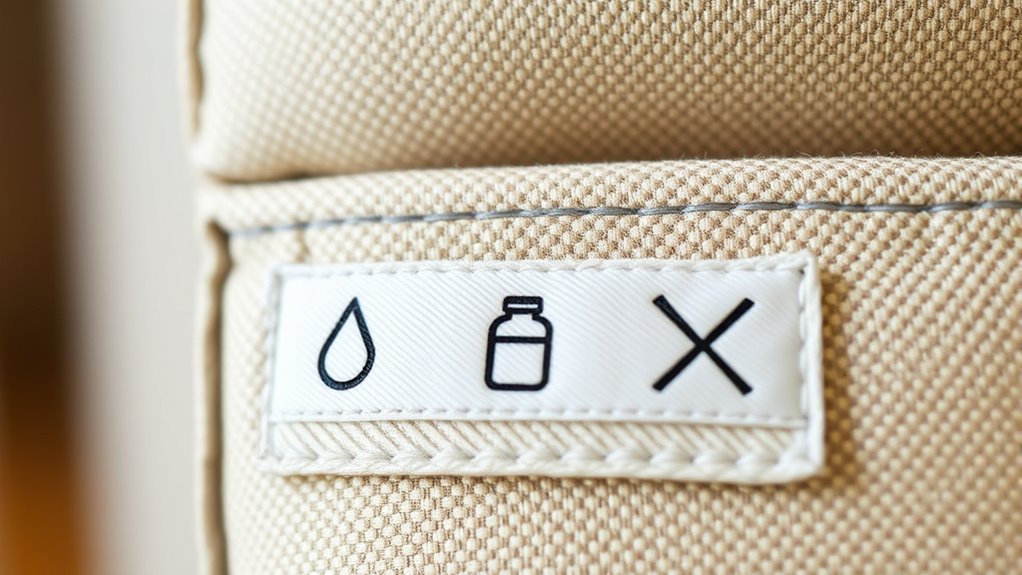
Understanding water and solvent symbols on upholstery labels helps you choose the right cleaning method. You need to guarantee safety precautions when combining these instructions to avoid damage or hazards. Learning proper techniques ensures your furniture stays clean and well-maintained without risking harm. Proper cleaning techniques are essential for maintaining the longevity and safety of your furniture.
Understanding Water & Solvent Symbols
When you see a label that combines water and solvent symbols, it indicates the upholstery can be cleaned with both types of solutions, but you should follow specific instructions for each. This helps guarantee safe fabric stain removal without damaging your furniture. Pay close attention to the symbols to avoid overusing one method or using incompatible cleaning agents. For example, using improper solvents can harm delicate fibers or cause discoloration. Always adhere to solvent safety guidelines to prevent health risks or fabric damage. Visualize a cleaning process where you gently dab with water-based solutions and carefully apply solvents in targeted spots, respecting the label’s guidance. Proper understanding of these symbols ensures effective cleaning while protecting your furniture’s integrity. Additionally, recognizing cleaning solution compatibility is essential to prevent unintended damage during the cleaning process.
Safety Precautions for Blends
Combining water and solvent instructions on upholstery labels requires careful attention to safety precautions to prevent damage or health risks. Always test a small, hidden area first to avoid damaging the fabric or affecting its dyeing process. Mixing water-based and solvent-based cleaning methods can compromise upholstery recycling efforts by contaminating recyclable materials. Use gloves and ensure proper ventilation to protect yourself from fumes. Keep solvents away from heat sources and avoid inhaling vapors. Be aware that certain fabric dyes might react poorly to combined cleaning agents, causing discoloration or fiber damage. When in doubt, consult manufacturer guidelines or seek professional advice. Following these precautions guarantees safe handling, preserves your furniture’s appearance, and supports eco-friendly upholstery recycling practices.
Proper Cleaning Techniques
To properly clean upholstery with labels that specify both water and solvent instructions, you need to follow a clear, step-by-step approach. First, identify the upholstery material type to choose the right method. Next, test a small, hidden area for fabric stain removal to prevent damage. Use a gentle cleaner compatible with both water and solvent cleaning.
Imagine gently blotting stains with a clean cloth, avoiding excessive rubbing. Then, follow these steps:
- Lightly dampen a cloth with water for water-based stains.
- Use a solvent-based cleaner for tougher spots, ensuring proper ventilation.
- Allow the fabric to air dry completely before use.
This method guarantees effective stain removal while preserving your upholstery’s integrity.
Which Upholstery Items Should You Avoid Cleaning?
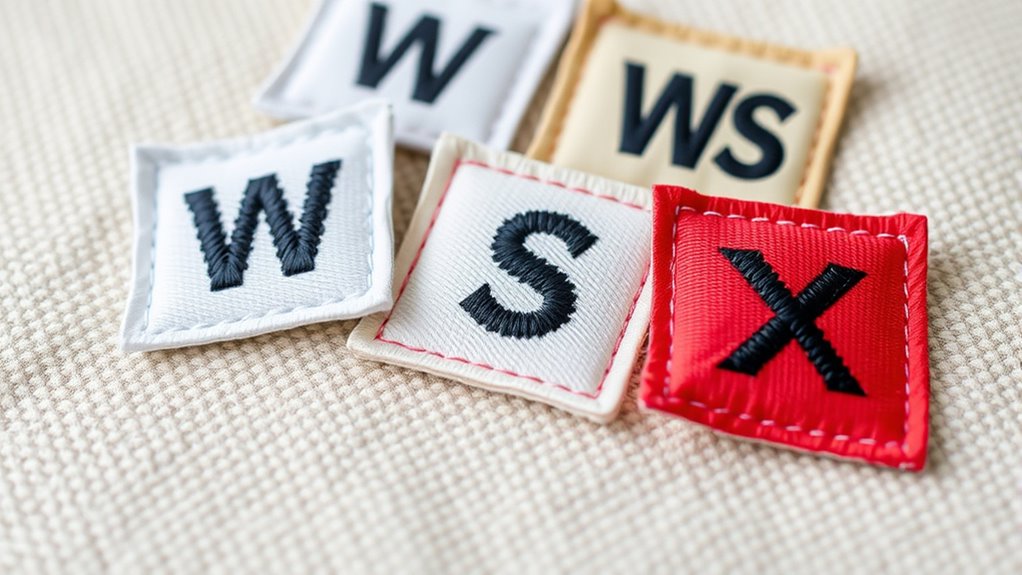
Certain upholstery items should be avoided when cleaning to prevent damage or discoloration. Delicate fabrics like silk, wool, or vintage materials are sensitive to cleaning products and water. Always check the upholstery fabric types and cleaning product safety before attempting any cleaning. Avoid using harsh chemicals or abrasive tools on these fabrics, which can cause shrinking or fading. Additionally, leather or suede upholstery requires specialized cleaning methods and should usually be handled by professionals. Here’s a quick guide:
| Fabric Type | Cautions | Recommended Action |
|---|---|---|
| Silk/Wool | Sensitive to water & chemicals | Professional cleaning only |
| Leather/Suede | Use specialized cleaners | Consult a professional |
| Vintage/Delicate | Can discolor or tear | Avoid cleaning yourself |
Tips for Maintaining Your Upholstered Furniture
Proper maintenance is key to keeping your upholstered furniture looking its best and extending its lifespan. Regular care helps prevent stains and fabric damage. When it comes to fabric stain removal, act quickly—blot spills immediately and avoid rubbing. Choosing the right upholstery fabric is essential; some fabrics resist stains better or are easier to clean. To keep your furniture in top shape, consider these tips:
- Vacuum regularly to remove dust and debris
- Use protective covers or slipcovers for added protection
- Avoid direct sunlight to prevent fading and deterioration
Common Mistakes to Avoid When Cleaning Upholstery
Many people make the mistake of using harsh cleaning products or too much water, which can damage upholstery fibers or cause stains to set. This can also interfere with fabric dyeing, leading to uneven color or fading. Avoid scrubbing aggressively, as it may weaken the fabric or create the need for upholstery repair later. Using the wrong cleaning methods can also cause dye to bleed or discoloration, making your furniture look worse. Always follow manufacturer instructions and test in an inconspicuous area first. Moreover, neglecting proper cleaning can trap dirt and oils, accelerating wear. By being cautious and avoiding these pitfalls, you’ll preserve your upholstery’s appearance and longevity, preventing costly repairs and ensuring that your furniture stays looking its best.
How to Safely Test Cleaning Products on Fabric

Before applying any cleaning product to your upholstery, it is vital to test it in a small, hidden area first. This prevents damage, discoloration, or fabric dye transfer. To do this effectively:
- Dab a small amount of cleaner on a hidden seam near the upholstery sewing to avoid visible damage.
- Wait 15 minutes to check for any color change or fabric dye bleeding.
- Gently blot the area with a clean cloth to see if the fabric lifts or if the color transfers.
This step is especially important for delicate fabrics or vintage upholstery. Testing ensures your cleaning product won’t cause unexpected damage or fading, preserving the integrity of the fabric and its upholstery sewing. Always prioritize this small test before a full cleaning session.
When to Call in Professional Upholstery Cleaners
Sometimes, tackling stubborn stains or heavily soiled upholstery is beyond what you can handle with DIY methods. When cleaning seems ineffective, or if your furniture’s fabric is fading or damaged, it’s time to call in professional upholstery cleaners. They have specialized equipment and expertise to restore your furniture’s appearance, especially as upholstery trends lean toward delicate fabrics or vibrant colors that require careful handling. If you’re considering fabric dyeing to update or match your furniture’s color, professionals can guarantee the job is done safely without risking further damage. Additionally, if your upholstery tags indicate X or W, or if you’re unsure about cleaning codes, consulting experts can prevent costly mistakes. Ultimately, professionals can help keep your furniture looking fresh and stylish while preserving its value.
Frequently Asked Questions
Can Upholstery Tags Change Over Time or After Cleaning?
Upholstery tags can change over time or after cleaning, especially if the fabric’s durability is affected. Cleaning methods or wear may fade or damage tag readability, making it harder to identify the fabric or care instructions. To keep the tags clear, handle your furniture gently and avoid harsh chemicals. Regularly check the tags to guarantee you can always follow proper cleaning and maintenance procedures, preserving both the fabric and the tag’s information.
Are There Eco-Friendly Cleaning Options for Upholstery With Different Tags?
Eco-friendly cleaning options do exist for all upholstery types, regardless of tags. You can choose sustainable upholstery cleaning methods using natural, biodegradable products that are safe for your furniture and the environment. These options help protect delicate fabrics marked with specific tags, ensuring you clean effectively without risking damage. By opting for eco-friendly solutions, you support both a healthier home and a more sustainable future.
How Do I Identify if My Fabric Is Water or Solvent-Sensitive?
You can identify if your fabric is water or solvent-sensitive through fabric testing. First, test a small hidden area with a few drops of water to see if it absorbs or causes discoloration. For solvent sensitivity, try a mild solvent in an inconspicuous spot. Knowing your fabric’s stain resistance helps determine the safest cleaning method. Always perform these tests before using any cleaning products to prevent damage.
Do Upholstery Tags Indicate How Often to Clean the Furniture?
Did you know that proper cleaning frequency can extend your furniture’s lifespan by up to 30%? Your upholstery tags don’t specify how often to clean, but they do indicate material durability. For high-durability fabrics, you might clean every 6-12 months, while delicate materials need more careful, less frequent cleaning. Always follow manufacturer guidelines to maintain your furniture’s appearance and longevity.
Are There Specific Tools Recommended for Cleaning Different Upholstery Types?
You should use specific tools tailored to your upholstery material, ensuring cleaning product compatibility. For fabric upholstery, a gentle vacuum and soft brush work best, while for leather, a damp cloth and leather cleaner are ideal. Always identify your upholstery material first to choose the right tools and cleaning products. This prevents damage and keeps your furniture looking its best. Regular maintenance with suitable tools extends the lifespan of your furniture.
Conclusion
Understanding upholstery tags helps you care for your furniture properly—yet misreading them can lead to damage. While DIY cleaning saves money, sometimes a professional’s touch is necessary to prevent costly mistakes. The key isn’t just knowing what the labels mean but knowing when to trust your instincts and when to call in experts. In the end, proper care protects your furniture’s beauty, but rushing the process can do more harm than good.
Fall Picks
fall essentials
As an affiliate, we earn on qualifying purchases.