Your faucet aerator reveals clues about your plumbing’s health through flow and pressure changes. A sudden drop or rise in water flow might mean mineral buildup, leaks, or clogs. Discolored or cloudy water indicates potential contamination. Regular inspection and cleaning, like soaking in vinegar, help prevent issues. By paying attention to these signs, you can catch problems early and keep your system running smoothly. Keep exploring to uncover more useful tips.
Key Takeaways
- Changes in water flow or pressure indicate possible buildup, leaks, or plumbing issues needing inspection.
- Sediment or mineral deposits cause uneven spray and reduced flow, signaling aerator clogging or buildup.
- Discolored or cloudy water suggests contamination or mineral accumulation, requiring attention and testing.
- Increased water usage or fluctuating pressure can reveal hidden leaks or faulty valves.
- Regular aerator maintenance prevents clogging, maintains efficient flow, and extends fixture lifespan.
As an affiliate, we earn on qualifying purchases.
Recognizing Changes in Water Pressure and Flow
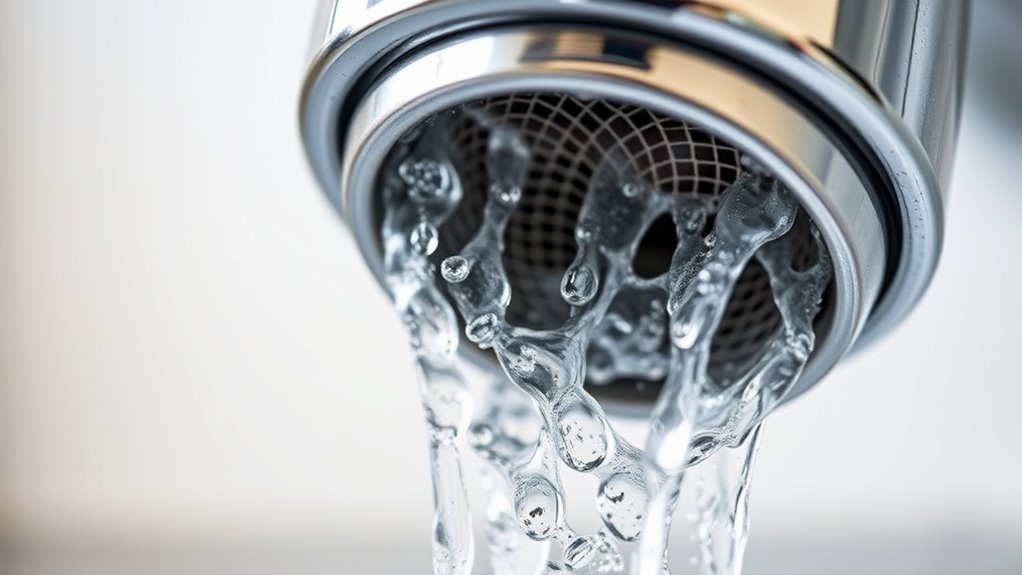
Have you noticed your faucet suddenly dribbling or sputtering? These changes often signal issues with water pressure and flow, which can affect water conservation and indicate the need for faucet maintenance. A drop in water pressure might mean mineral buildup or a clogged aerator, restricting flow. Conversely, increased flow could suggest a leak or faulty valve. Recognizing these signs early helps you address problems before they escalate, saving water and reducing utility bills. Regularly inspecting your faucet’s performance ensures it operates smoothly and efficiently. If you notice irregular flow, don’t ignore it—prompt faucet maintenance keeps your plumbing system in top shape and promotes responsible water use. Staying alert to these subtle signs keeps your home running efficiently and conserves precious water resources. Additionally, understanding how water flow dynamics influence faucet performance can help you troubleshoot and optimize your plumbing system effectively. Being aware of plumbing system components can also assist in diagnosing underlying issues that may affect water pressure and flow. Monitoring water pressure levels regularly can further prevent major plumbing problems down the line. Recognizing the signs of mineral buildup can help you take timely action to maintain proper flow, especially as smart home water monitoring devices become more common.

SHAP+ Faucet Aerator, Flow Restrictor Insert, Sink Aerator Replacement Parts for Bathroom or Kitchen Sink Faucet Filter, Fit for Internal and External Thread Faucet Aerators, with Washer (12pcs)
- Enhanced Splash-Free Water Flow: Gentle, splash-free water with built-in filter
- Standard Size Compatibility: Fits M22 internal and M24 external threads
- Universal Application: Suitable for homes, hotels, and public facilities
As an affiliate, we earn on qualifying purchases.
As an affiliate, we earn on qualifying purchases.
Identifying Signs of Sediment and Mineral Buildup

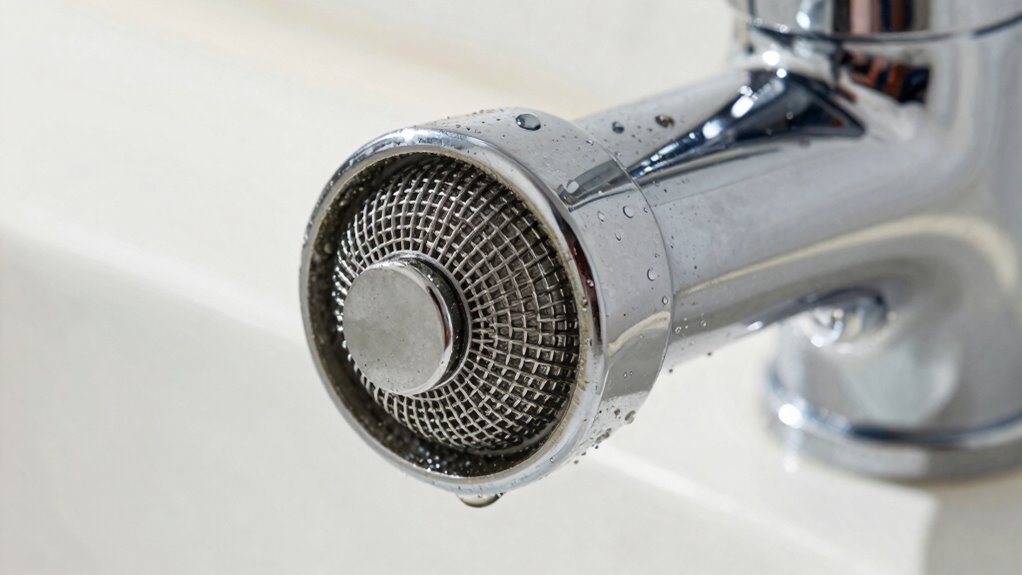
Sediment and mineral buildup often become visible signs that your faucet’s aerator needs attention. If you notice decreased water flow or uneven spray patterns, sediment accumulation could be be the culprit. To address this, start with cleaning techniques like soaking the aerator in vinegar to dissolve mineral deposits and gently scrubbing with a brush. If cleaning doesn’t restore proper function, consider replacement options—installing a new aerator can quickly improve water flow and prevent future buildup. Regularly inspecting and maintaining your aerator helps catch buildup early, saving you from more extensive plumbing issues down the line. Additionally, understanding the importance of proper water quality can help you prevent mineral deposits from forming in the first place and prolong the lifespan of your fixtures. Implementing preventative maintenance routines can significantly reduce the frequency of buildup problems. Remember, addressing these signs promptly ensures your faucet continues to perform efficiently and extends its lifespan.

4Pcs Bathroom Faucet Aerator Replacement – 15"/16" 24mm Kitchen Bathroom Sink Attachment High Flow Aerator for Sink Faucet Aerators M24 Male Thread
- Durable Material: Made of brass, ABS, and stainless steel
- Easy Installation: No extra tools needed for replacement
- Universal Fit: M24 male thread compatible with most faucets
As an affiliate, we earn on qualifying purchases.
As an affiliate, we earn on qualifying purchases.
Detecting Potential Plumbing or Water Quality Issues

Detecting potential plumbing or water quality issues requires paying close attention to changes in your faucet’s performance and water appearance. Look for signs like unusual discoloration or metallic tastes, which could indicate corrosion detection. Notice if water flow suddenly weakens, suggesting possible leaks or blockages. You should also watch for leaks around the faucet base or under the sink, as these can lead to water damage over time. Additionally, understanding architectural solutions and ingredients can help you choose better-tasting options if you notice changes in your water’s taste affecting your beverages. Keeping track of water flow patterns can also help identify subtle issues early. Signs to watch for include:
- Discolored or cloudy water
- Decreased water flow or pressure
- Visible corrosion or mineral buildup around the aerator
Addressing these issues early helps prevent costly repairs and ensures safe, clean water. Regular inspection can alert you to hidden plumbing problems before they escalate, and paying attention to water quality indicators can help you detect problems sooner. For example, noticing a change in the mineral content or taste might suggest the need for water testing to determine the source of contamination.

MEASUREMAN Water Pressure Gauge, 0-200 PSI Water Pressure Tester with 2-1/2 Inch Dial & Durable 3/4 Inch Hose Thread, Ideal for Home, Hose Bib (Waterproof Case, Black)
- Wide Pressure Range: Measures 0-200 PSI/kPa accurately
- Durable Construction: Features 2-1/2 inch dial and brass fittings
- Reliable Monitoring: Provides precise water pressure readings
As an affiliate, we earn on qualifying purchases.
As an affiliate, we earn on qualifying purchases.
Understanding the Impact of Water Usage Patterns
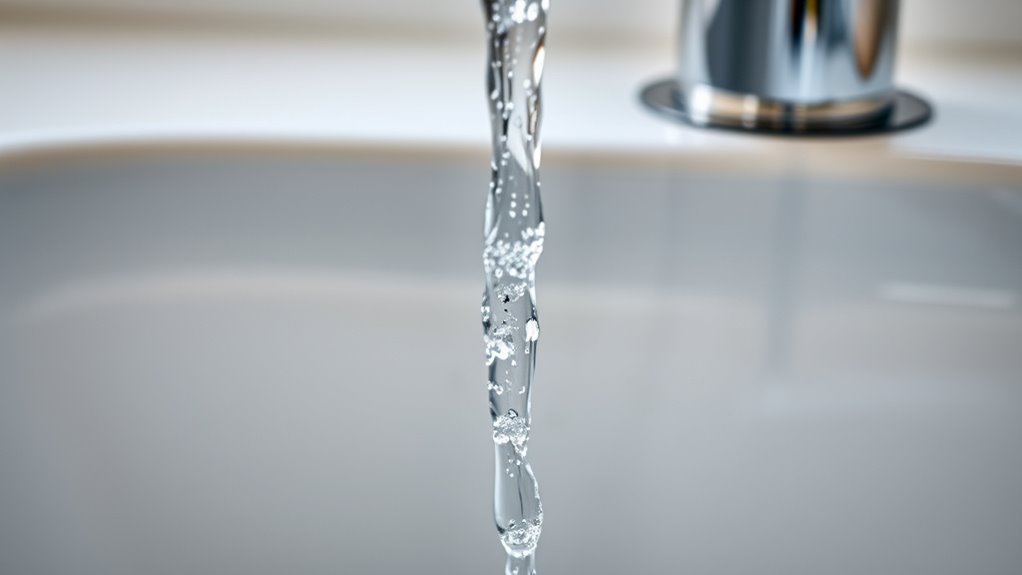
Monitoring how often and how much water you use can reveal a lot about your plumbing health and water quality. By paying attention to your water usage patterns, you can identify areas where you might improve water conservation. For example, frequent, high-volume usage could indicate leaks or inefficient habits. Adopting eco-friendly fixtures, like low-flow aerators and dual-flush toilets, helps reduce water waste and lowers your utility bills. Understanding your habits allows you to make informed choices, such as limiting unnecessary rinsing or fixing dripping faucets promptly. These small changes contribute to conserving resources and protecting the environment. Recognizing patterns in water use empowers you to optimize your plumbing system while supporting sustainable, eco-conscious living. Monitoring water consumption also provides insights into potential plumbing issues before they become major problems. Additionally, being aware of your water usage patterns can help you better manage your water bills and reduce environmental impact. Being mindful of water flow rates can help you select more efficient fixtures and further decrease water waste. Incorporating knowledge about electric fixtures and devices can also guide you in choosing appliances and upgrades that maximize water efficiency and sustainability.
Maintaining Your Aerator for Optimal Performance

Regularly maintaining your faucet aerator guarantees it continues to function efficiently and provides ideal water flow. This proactive care can also prevent clogged screens that reduce water pressure and cause uneven spray patterns. To keep it in top shape, clean out mineral deposits and debris that can clog the screen. This not only improves water conservation but also enhances faucet aesthetics. When you check your aerator, consider these tips:
- Remove and soak the aerator in vinegar to dissolve buildup
- Use a soft brush to scrub away any deposits
- Reassemble and test for consistent flow and spray pattern
- Regular maintenance of the aerator can support your home’s smart water management system, ensuring efficiency and longevity.
- Incorporating preventive maintenance routines can extend the lifespan of your fixtures and improve overall water performance.
- Additionally, inspecting and maintaining aerators can promote water efficiency, helping conserve resources and reduce utility bills.
- Proper care of your aerator also contributes to overall plumbing health, preventing potential issues in your home’s water system.
Frequently Asked Questions
How Often Should I Replace My Faucet Aerator?
You should replace your faucet aerator every 6 to 12 months to maintain ideal water flow and prevent sediment buildup. Over time, sediment and mineral deposits clog the aerator, reducing water pressure and efficiency. Regularly inspect it for signs of buildup or damage, and clean it if needed. Replacing it ensures your faucet delivers smooth, consistent water flow and helps prevent plumbing issues caused by sediment accumulation.
Can a Faulty Aerator Affect My Water Bill?
A faulty aerator can definitely raise your water bill. For example, if it’s clogged or leaking, you might unknowingly use more water than needed, reducing water conservation efforts. This also hampers leak detection, making small drips go unnoticed. Fixing or replacing a malfunctioning aerator helps control water flow, saves money, and promotes conservation. Regular checks guarantee your aerator functions properly, preventing unnecessary costs and waste.
Are There Eco-Friendly Alternatives to Traditional Aerators?
Yes, eco-friendly alternatives to traditional aerators exist. You can choose aerators made from biodegradable materials, which reduce plastic waste, or opt for models with advanced water-saving technology that minimizes flow without sacrificing performance. These options help you conserve water and protect the environment, making your home more sustainable. Switching to such eco-friendly aerators is a simple yet effective way to reduce your water footprint and support eco-conscious living.
How Do I Choose the Right Aerator for My Faucet?
You should choose an aerator based on your water flow needs and aeration efficiency. Start by checking your faucet’s flow rate; if you want less water, pick a low-flow model. Look for aerators with high aeration efficiency to maximize splash and reduce water use. Consider eco-friendly options if sustainability matters to you. Match the aerator size and style to your faucet type for a proper fit and ideal performance.
What Tools Are Needed to Clean or Replace an Aerator?
You’ll need basic plumbing tools for aerator removal and cleaning. Grab a adjustable wrench or pliers to loosen the aerator, and a soft cloth or brush for cleaning out debris. If you plan to replace it, have a new aerator ready. Turn off the water supply first, then carefully use your tools to remove the old aerator. Clean or replace as needed, and reassemble tightly to prevent leaks.
Conclusion
By paying attention to your faucet aerator, you catch the story of your water—its pressure, its quality, its flow. You notice signs of buildup, identify potential issues, and understand how your habits influence performance. You maintain, you clean, you optimize. In doing so, you guarantee smooth operation, clear water, and efficient use. Your faucet aerator isn’t just a small part; it’s your first line of insight into your home’s water health.