The biggest ventilation mistake that worsens allergies is opening windows or running exhaust fans during high pollen, pollution, or dust times without proper filtration. This lets outdoor allergens into your home, where they circulate freely and trigger symptoms. Without effective filters or humidity control, allergens can build up indoors, making things worse. If you want to prevent this common pitfall and improve your indoor air, there’s more you should know to breathe easier.
Key Takeaways
- Opening windows during high pollen or pollution seasons can introduce outdoor allergens, worsening allergy symptoms.
- Recirculating indoor air without proper filtration increases the concentration of dust, mold spores, and pet dander.
- Using exhaust fans improperly or without outdoor venting can circulate indoor pollutants rather than remove them.
- Failing to maintain or upgrade air filters reduces their effectiveness, allowing outdoor allergens to infiltrate indoors.
- Over-ventilating or poorly managing humidity levels can promote mold growth and dust mites, aggravating allergies.
Top picks for "ventilation mistake allergy"
As an affiliate, we earn on qualifying purchases.
Understanding Indoor Air Quality and Allergies
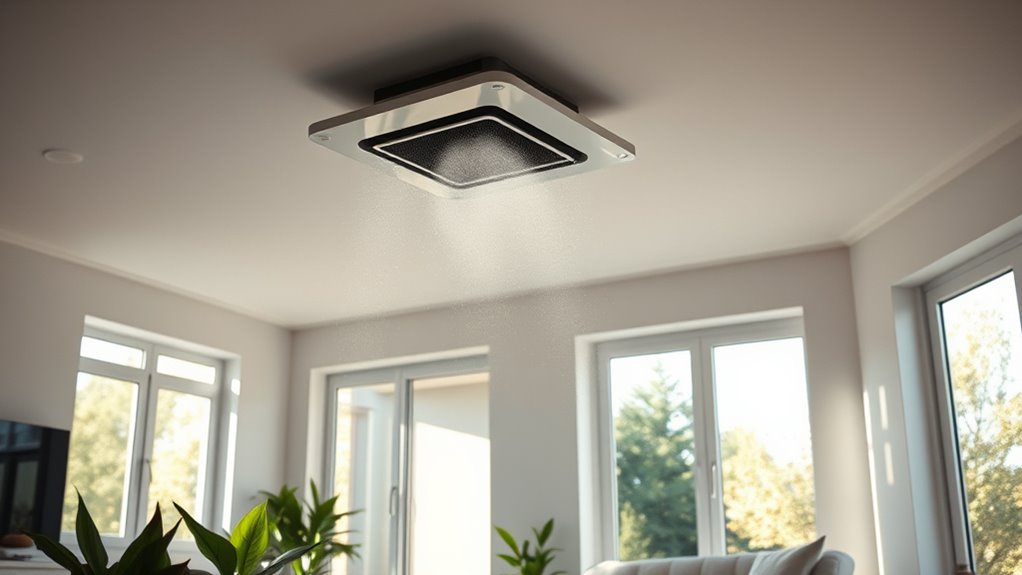
Have you ever wondered how the air inside your home affects your allergies? Indoor air quality plays a vital role in allergy symptoms. Poor air filtration allows dust, pollen, pet dander, and mold spores to circulate, triggering reactions. Controlling humidity is equally important; too much moisture promotes mold growth, while too little dries out nasal passages, making you more sensitive. Using effective air filtration systems helps remove airborne allergens, improving air quality. Maintaining balanced humidity levels—around 40-50%—reduces mold and dust mites, common allergens. Proper ventilation systems can also help remove stale air and reduce indoor allergens. Additionally, understanding air exchange rates can guide you in optimizing airflow to minimize allergen buildup. Correctly managing airflow patterns is essential for preventing the accumulation of airborne irritants. Regularly inspecting and replacing filters ensures consistent air filtration efficiency, which is crucial for allergy management. Being aware of indoor allergen sources can help you identify and eliminate common triggers more effectively. By focusing on air filtration and humidity control, you can considerably lessen allergy symptoms and create a healthier indoor environment. Understanding these factors is the first step to managing allergies effectively inside your home.
The Common Practice of Ventilating Your Home

Many homeowners routinely open windows or run exhaust fans to ventilate their homes, believing this practice guarantees fresh air and reduces indoor pollutants. While this can help temporarily, it often worsens allergy symptoms if outdoor air is polluted. To improve indoor air quality, focus on proper HVAC maintenance, which ensures your system filters allergens effectively. Incorporate indoor plants, such as snake plants or pothos, to naturally purify the air. Remember these key points:
Opening windows isn’t always best; focus on HVAC maintenance and indoor plants for cleaner air.
- Ventilating with outdoor air isn’t always beneficial if pollutants are present.
- Regular HVAC maintenance keeps indoor allergens in check.
- Indoor plants can improve air quality naturally.
- Avoid over-ventilating during high pollen seasons or pollution spikes.
- Understanding projector technology can help create a healthier and more comfortable indoor environment.
This balanced approach helps keep your indoor environment healthier and allergy-friendly.
How Outdoor Pollutants Enter Indoor Spaces

Outdoor pollutants can easily find their way into your indoor space through open windows, doors, and ventilation systems. When you ventilate without proper filtration, pollutants like vehicle emissions, pollen, dust, and industrial particles infiltrate your home, worsening allergy symptoms. Air filtration systems help reduce pollutant infiltration by trapping airborne particles before they enter your living space. Without effective filtration, pollutants bypass your indoor defenses, accumulating over time and triggering allergic reactions. Simply opening windows or doors without considering air quality can introduce more outdoor contaminants than you realize. To protect your indoor environment, ensure your ventilation system includes high-quality filters that target common outdoor pollutants. This is especially important because air exchange rates can influence how much outdoor air enters your home. Understanding ventilation system types can help you select the best setup for your needs. Proper air filtration is essential to maintaining good indoor air quality and minimizing allergy triggers. This way, you can enjoy fresh air without letting harmful particles worsen your allergies. Reliable drive tech can help you verify your setup’s effectiveness and ensure you’re truly protecting your indoor air quality.
The Impact of Opening Windows During Pollen Season

Opening your windows during pollen season might seem like a simple way to refresh your home, but it can substantially increase your exposure to airborne allergens. Pollen infiltration occurs easily through open windows, especially if there are window drafts. To minimize this risk, consider these points:
- Keep windows closed during peak pollen hours, typically early morning and late afternoon.
- Seal any window drafts to prevent pollen from entering through gaps.
- Use window screens to block larger pollen particles while allowing airflow.
- Limit window opening to short periods when pollen counts are low.
- Innovative European cloud servers can help monitor local pollen levels in real-time, enabling smarter decisions about when to open windows. Additionally, some Gold IRA markets platforms offer educational resources that could inform homeowners about environmental factors affecting indoor air quality. Being aware of air quality monitoring tools can further help in making safe choices for your indoor environment. Incorporating pollen forecasting services can also assist in planning the best times to air out your home, reducing allergen exposure effectively. Utilizing smart home automation can automatically adjust windows or ventilation systems based on real-time pollen data, further enhancing allergy prevention.
The Role of Exhaust Fans in Allergy Sufferers’ Homes
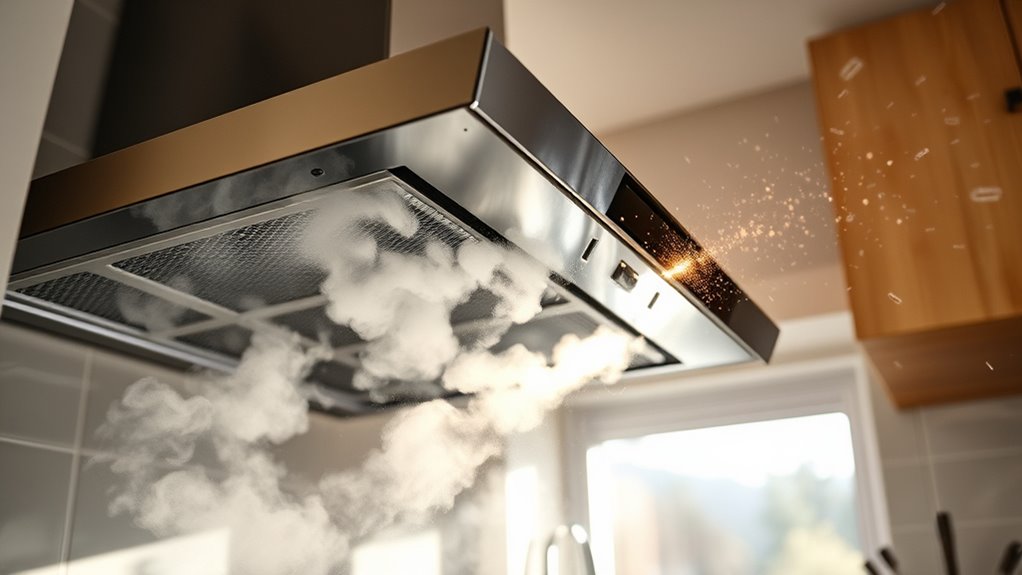
Properly placed exhaust fans can considerably improve your home’s air quality by removing indoor pollutants. If they’re positioned incorrectly or used improperly, they may do more harm than good. Knowing common mistakes helps you ensure your exhaust fans support your allergy management efforts. For example, understanding airflow patterns within your home can help prevent the spread of allergens and pollutants. Additionally, selecting the right ventilation equipment ensures optimal removal of contaminants without disrupting existing airflow. Using fans with adjustable settings can also help tailor ventilation based on your specific needs and air quality levels. Proper installation techniques are essential to maximize efficiency and prevent issues like backdrafts or ineffective ventilation. Regular maintenance and cleaning of your exhaust fans further ensure they operate effectively and maintain good indoor air quality.
Proper Exhaust Fan Placement
To effectively reduce allergens and improve indoor air quality, placing exhaust fans in the right locations is essential. Proper placement guarantees ideal air filtration and humidity control, preventing mold and dust buildup. Consider these key points:
- Install exhaust fans in high-moisture areas like bathrooms and kitchens to remove excess humidity.
- Position fans near sources of pollutants, such as cooking areas or pet zones, for better air extraction.
- Ensure fans vent directly outdoors to prevent recirculation of allergens.
- Regularly check that exhaust fans are unobstructed and functioning efficiently for consistent air quality improvement.
- Incorporating auditory processing techniques can help identify and address underlying sensory sensitivities that contribute to allergen awareness and response. Proper ventilation not only reduces moisture but also helps in controlling airborne particles, creating a healthier environment. Additionally, understanding airflow patterns can optimize fan placement for maximum efficiency. Recognizing how air circulation impacts allergen dispersal can further enhance your home’s air quality strategies.
Correct placement minimizes indoor allergens, supports air filtration, and maintains balanced humidity levels, making your home healthier and more comfortable.
Ventilation and Air Quality
Have you ever wondered how exhaust fans can considerably improve your home’s air quality? They do more than just vent out odors—they also support air filtration by removing airborne allergens and pollutants. Proper ventilation reduces indoor humidity, which is vital for allergy sufferers, as excess moisture fosters mold and dust mites. Exhaust fans help maintain ideal humidity levels, preventing these allergens from thriving. By continuously cycling indoor air, they ensure a cleaner environment and lessen allergy symptoms. When used correctly, exhaust fans work silently in the background, improving air quality without you even noticing. Remember, effective ventilation isn’t just about fresh air; it’s about actively controlling humidity and filtering out irritants to create a healthier home. Additionally, integrating whole-house filtration systems can enhance air quality by targeting a wider range of airborne particles.
Common Exhaust Fan Errors
Even though exhaust fans are essential for maintaining good air quality, many homeowners make common mistakes that diminish their effectiveness. One mistake is neglecting regular exhaust fan maintenance, which can lead to reduced airflow and poor air exchange. Another is installing fans without proper ventilation design, causing stale air to circulate. Additionally, some overlook the importance of integrating exhaust fans with air filtration systems, which can trap airborne allergens. To avoid these errors, guarantee you:
- Schedule routine exhaust fan maintenance.
- Use appropriately sized fans for your space.
- Check that fans vent outdoors, not into attics or crawl spaces.
- Incorporate air filtration systems to improve allergen removal.
Addressing these issues helps your exhaust fan work efficiently, reducing allergy triggers and improving overall indoor air quality.
Identifying When Ventilation Can Worsen Allergies
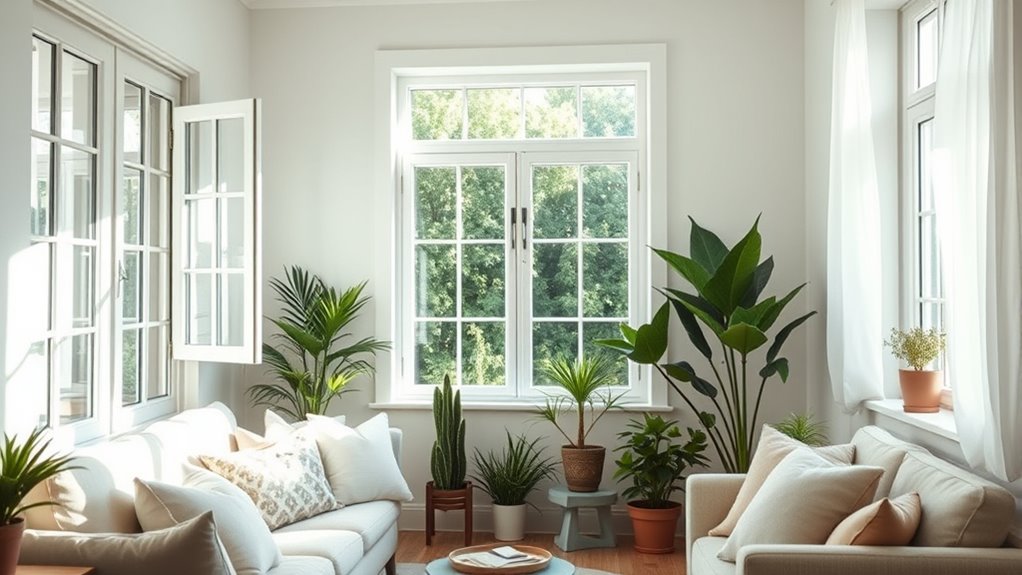
You might notice your allergies worsen after ventilating your home, especially if fresh air brings in outdoor pollutants. Poor air exchange can trap allergens inside, making symptoms worse instead of better. Knowing when ventilation does more harm than good helps you protect your health.
Poor Air Exchange
When ventilation systems fail to exchange indoor air effectively, they can actually worsen allergy symptoms instead of alleviating them. Poor air exchange hampers indoor circulation, trapping dust, mold spores, and allergens inside. This stagnation can lead to increased allergy symptoms rather than relief. To identify when this is happening, consider these points:
- The air feels stale or stuffy despite ventilation.
- Allergic symptoms worsen after running the system.
- Visible dust or mold accumulates quickly.
- You notice no change in indoor air quality over time.
If these signs appear, your ventilation system isn’t promoting proper air exchange. Instead, it may be recirculating allergens, making allergies worse rather than better. Improving indoor circulation and fresh air intake becomes essential.
Outdoor Pollutant Entry
While proper ventilation can improve indoor air quality, it can also introduce outdoor pollutants that worsen allergy symptoms if not managed properly. When you open windows or run vents, pollen, dust, and pollution particles can enter your home. To minimize this, guarantee your air filter maintenance is up to date so your HVAC system effectively traps airborne allergens. Additionally, controlling humidity levels helps prevent mold growth and dust mites, which thrive in moist environments. Keep humidity between 30-50%, especially during high pollen seasons or pollution spikes. By balancing ventilation with these measures, you reduce outdoor pollutant entry and protect your allergy-prone environment. Properly managing air filters and humidity is essential to prevent outdoor pollutants from exacerbating your allergy symptoms.
Safer Alternatives for Improving Indoor Air Quality

Improving indoor air quality doesn’t have to involve risky or harsh methods. Safer alternatives include using an air purifier or adding indoor plants. These options help filter out allergens and pollutants naturally and effectively. Consider these tips:
- Choose an air purifier with HEPA filters to trap dust, pollen, and pet dander.
- Incorporate indoor plants like snake plants or pothos, which naturally purify the air.
- Regularly clean and dust surfaces to reduce allergen buildup.
- Avoid strong chemical cleaners that can worsen indoor air quality.
Tips for Maintaining a Allergy-Friendly Indoor Environment
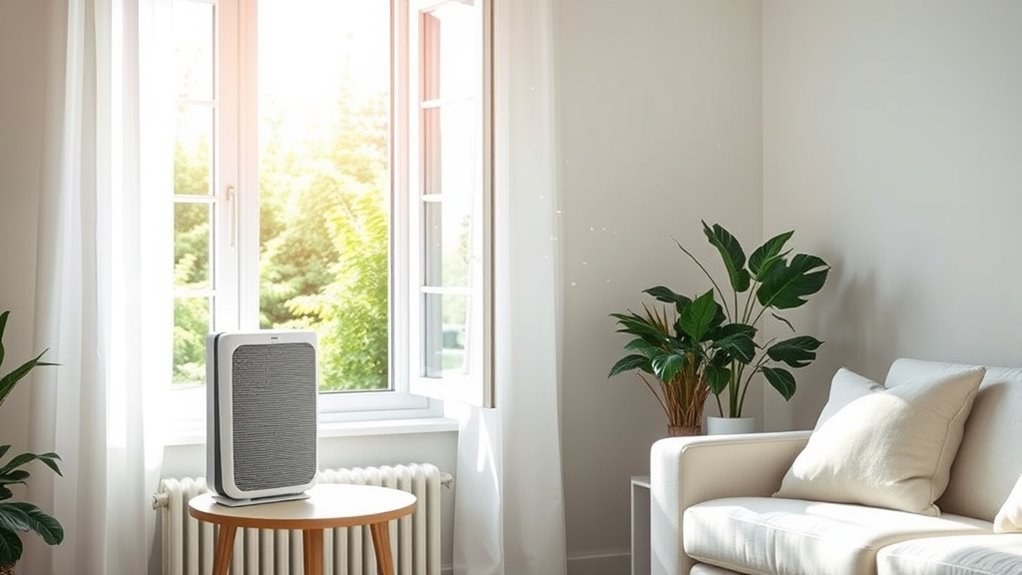
Maintaining an allergy-friendly indoor environment requires consistent effort and mindful habits. To reduce allergens, consider adding indoor plants like snake plants or pothos, which naturally filter air. Use air purifiers with HEPA filters daily to trap dust, pollen, and pet dander. Keep humidity levels between 30-50% to prevent mold growth. Regularly dust and vacuum with a HEPA-equipped cleaner. Limit clutter to reduce dust buildup and wash bedding weekly in hot water. Here’s a quick guide:
| Tip | Why it helps | Example |
|---|---|---|
| Indoor plants | Naturally filters airborne allergens | Snake plant, pothos |
| Air purifiers | Trap allergens before they spread | HEPA filter units |
| Humidity control | Prevents mold and dust mites | Use dehumidifiers |
| Regular cleaning | Reduces dust and dander | Vacuum & wash bedding |
Stay consistent, and your home will become a healthier, allergy-friendly space.
Frequently Asked Questions
Can Air Purifiers Effectively Replace Ventilation in Allergy Management?
Air purifiers can’t fully replace ventilation in allergy management because of their limitations. They effectively remove airborne allergens indoors but don’t bring in fresh air or reduce outdoor pollutants. Ventilation misconceptions often lead people to rely solely on purifiers, which isn’t enough. To better manage allergies, you should combine air purifiers with proper ventilation strategies, ensuring a continuous flow of clean, fresh air and reducing indoor allergen buildup.
Are There Specific Ventilation Methods Recommended for Allergy Sufferers?
Yes, as an allergy sufferer, you should prioritize using a well-designed ventilation system that guarantees proper air exchange. Opt for systems with HEPA filters to trap allergens and avoid recirculating contaminated air. Regularly maintain your ventilation system to keep it effective. Proper ventilation helps reduce indoor allergens, but remember, combining it with air purifiers and good cleaning habits maximizes relief and creates a healthier environment for you.
How Does Humidity Control Influence Indoor Allergen Levels?
Think of humidity control as your home’s immune system—keeping it balanced fights off mold growth and dust mites. When you maintain indoor humidity between 30-50%, you reduce allergen levels that trigger symptoms. I once struggled with allergies until I used a dehumidifier, and my symptoms improved markedly. Proper humidity control not only prevents mold growth but also creates a healthier environment, helping you breathe easier every day.
What Are the Signs That Indoor Air Quality Is Deteriorating?
You notice musty odors, persistent dust, or increased allergy symptoms, which are clear air quality indicators. You might also experience stuffy rooms, condensation on windows, or visible mold growth, signaling ventilation deficiencies. Poor airflow can trap allergens and pollutants, making indoor air worse. If these signs appear, it’s time to improve ventilation, increase fresh air intake, and address any underlying issues to restore healthier indoor air quality.
Do HVAC Systems Help or Hinder Allergy Prevention Efforts?
Your HVAC system can be a double-edged sword—if it’s efficient and well-maintained, it’s like a gust of fresh air, filtering allergens and improving ventilation strategies. But if neglected, it becomes a breeding ground for dust and mold, hindering allergy prevention efforts. Regular maintenance boosts HVAC efficiency, ensuring it works as a vigilant gatekeeper rather than a silent enemy, helping you breathe easier and keep allergies at bay.
Conclusion
To keep allergies at bay, be mindful of how you ventilate your home. Did you know that outdoor air can carry pollen and pollutants that worsen allergy symptoms? While opening windows seems helpful, it can actually bring in more irritants during peak pollen season. Using exhaust fans and air purifiers can improve indoor air quality safely. By being smarter about ventilation, you can reduce allergy flare-ups and breathe easier every day.