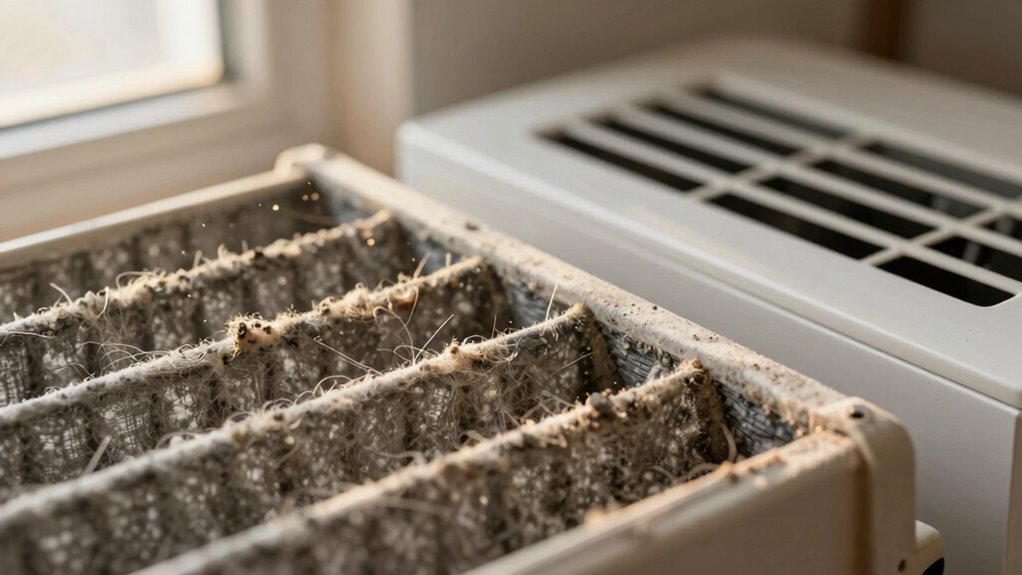

A dirty or low-quality HVAC filter restricts airflow, making your system work harder and consume more energy. When airflow is limited, your unit runs longer to reach the desired temperature, raising utility bills and increasing wear on components. Using the right filter and maintaining it regularly helps keep airflow smooth, improving efficiency and saving you money. Curious about how to optimize your system? Keep going to discover simple ways to cut costs and boost performance.
Key Takeaways
- Dirty or clogged filters restrict airflow, forcing HVAC systems to work harder and consume more energy.
- High MERV filters improve air quality but can cause airflow restriction if not properly balanced, increasing energy use.
- Poor filter maintenance leads to longer run times, raising utility bills and reducing system efficiency.
- Restricted airflow from dirty filters causes strain on components, potentially leading to overheating and higher repair costs.
- Regular filter replacement maintains optimal airflow, preventing energy waste and extending system lifespan.
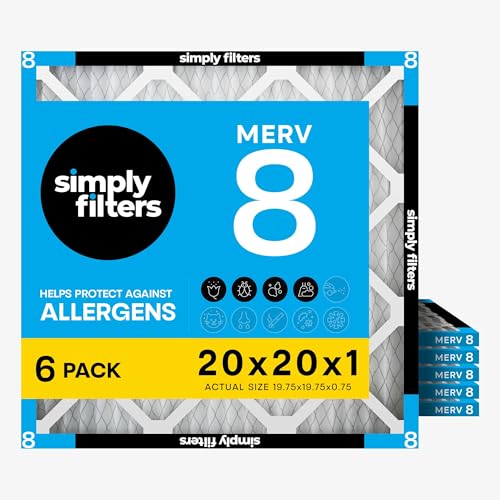
Simply 20x20x1 Air Filter, Merv 8, MPR 600, 6 Pack, Furnace Air Filter for HVAC (Actual Size: 19.75"x19.75"x0.75") DUST, Pet, & Allergy Control
Universally Compatible: Measuring 20" x 20" x 1", with an actual size of 19.75"x19.75" x 0.75", Simply Filters…
As an affiliate, we earn on qualifying purchases.
As an affiliate, we earn on qualifying purchases.
How HVAC Filters Impact Indoor Air Quality and System Efficiency

HVAC filters play a crucial role in maintaining indoor air quality and guaranteeing your system operates efficiently. By filtering out dust, pollen, pet dander, and other allergens, they considerably improve air purification in your home. When your filter is clean and effective, it captures more airborne particles, reducing allergens and promoting healthier air to breathe. This not only benefits allergy sufferers but also prevents contaminants from circulating throughout your living space. Efficient filters also help your HVAC system run smoothly by preventing dirt buildup on components, which can cause strain and wear. As a result, you enjoy cleaner air and better system performance. Regularly changing or upgrading your filter ensures maximum allergen reduction and keeps your HVAC working at its best. Additionally, air filtration efficiency directly impacts the overall effectiveness of your indoor air quality management.
Simply 20x20x1 Air Filter, Merv 8, MPR 600, 6 Pack, Furnace Air Filter for HVAC (Actual Size: 19.75"x19.75"x0.75") DUST, Pet, & Allergy Control
Universally Compatible: Measuring 20" x 20" x 1", with an actual size of 19.75"x19.75" x 0.75", Simply Filters…
As an affiliate, we earn on qualifying purchases.
As an affiliate, we earn on qualifying purchases.
Why a Dirty Filter Raises Your Energy Bills

A dirty filter forces your heating and cooling system to work harder than necessary because it restricts airflow. This extra effort increases energy consumption and raises your bills. When airflow is limited, your system runs longer to reach the desired temperature, wasting energy. Additionally, a clogged filter reduces air quality by trapping pollutants, which can worsen indoor air quality. Over time, a dirty filter shortens its lifespan, prompting frequent replacements. To avoid these issues, change filters regularly. Consider the following:
| Filter Condition | Impact on Energy | Effect on Air Quality |
|---|---|---|
| Clean | Low energy use | Good air quality |
| Slightly Dirty | Moderate increase | Slight decline |
| Very Dirty | High energy use | Poor air quality |
| Clogged | Max energy use | Very poor air quality |
| Replaced on time | Maintains efficiency | Maintains air quality |
Regularly inspecting and replacing your filters ensures optimal HVAC performance and helps maintain a healthy indoor environment.

Aerostar 20x20x1 MERV 8 Air Filter, 6 Count, ACTUAL SIZE (19.75 x 19.75 x 0.75), HVAC, Air Conditioning & Furnace Filter Captures Dust, Lint & Pollen (MPR 600 / FPR 5), Made in USA
UNIVERSAL COMPATIBILITY: Fits most standard residential and commercial HVAC systems with a standard 1-inch filter. Including Carrier, Bryant,…
As an affiliate, we earn on qualifying purchases.
As an affiliate, we earn on qualifying purchases.
What MERV Ratings Mean for HVAC Efficiency
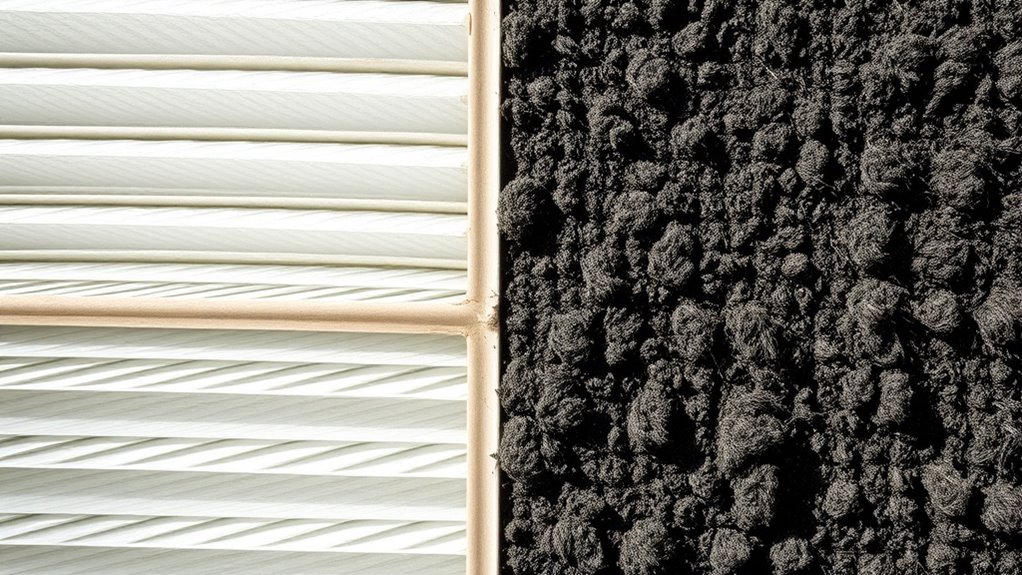
The MERV scale measures how well your filter captures particles, but higher ratings can also restrict airflow. This means that choosing the right MERV rating is a balance between filtration efficiency and system performance. Understanding this balance helps you optimize your HVAC system’s energy use and air quality. Additionally, selecting a filter with the appropriate vacuum compatibility ensures that your system remains efficient without undue strain.
MERV Scale Explained
Have you ever wondered what the MERV rating on your filter really means? MERV, or Minimum Efficiency Reporting Value, measures how well a filter traps particles. Higher ratings mean better filtration but can lead to airflow restriction if too high for your system. Here’s a quick overview:
| MERV Rating | Particle Types Filtered |
|---|---|
| 1-4 | Pollen, dust mites, pet dander |
| 5-8 | Bacteria, mold spores, finer dust |
| 9-13 | Smoke, smog, some bacteria |
Choosing the right MERV affects your filter’s longevity and your system’s efficiency. A filter with a too-high MERV may catch more particles but reduce airflow, impacting energy use. Balance filtration and airflow for exemplary performance. Understanding filtration can help optimize your HVAC system’s energy efficiency and indoor air quality.
Impact on Airflow
Choosing a filter with a higher MERV rating can improve air quality by trapping more particles, but it also influences how air flows through your HVAC system. Higher MERV filters can cause airflow restriction, making it harder for air to pass freely. This filter obstruction forces your system to work harder, increasing energy consumption and reducing efficiency. When airflow is restricted, your furnace or air conditioner has to run longer to maintain desired temperatures, which raises utility bills. It’s essential to balance filtration needs with airflow capacity. If your filter is too dense, it may impede airflow, leading to strain on your HVAC components. Regularly monitoring and replacing filters guarantees ideal airflow, maintaining both air quality and energy efficiency. Proper airflow management is crucial to avoid unnecessary energy waste and to ensure your HVAC system operates optimally.
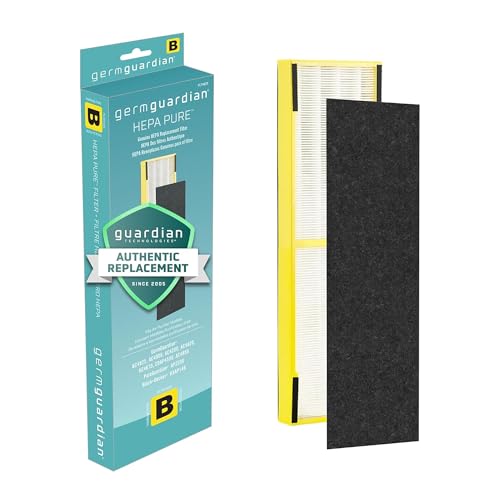
GermGuardian, Filter B HEPA Pure Genuine Air Purifier Filter, Removes 99.97% of Pollutants, Wildfire Smoke, Odors, for Ac4825, Ac4300, Ac4850, Ac4880, Ac4900, Cdap4500, Ap2200, Flt4825
Genuine HEPA PURE Air Filter: Experience the power of authentic HEPA PURE air filtration with this GermGuardian filter…
As an affiliate, we earn on qualifying purchases.
As an affiliate, we earn on qualifying purchases.
Choosing the Right HVAC Filter for Better Performance
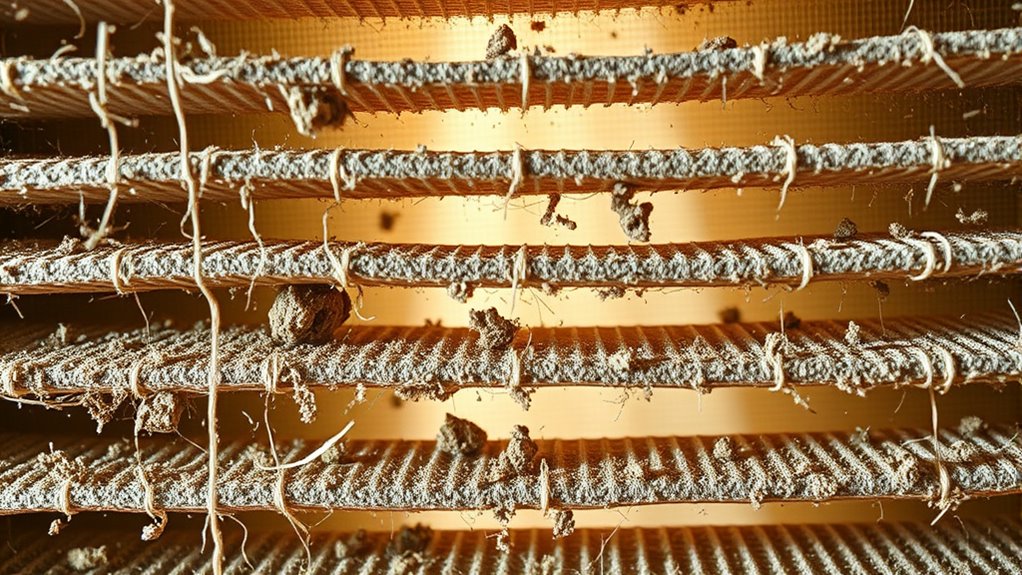
Choosing the right HVAC filter starts with understanding MERV ratings and how they affect your system’s performance. You also need to guarantee the filter is compatible with your HVAC unit and consider how often you should replace it. Making informed choices can improve efficiency and indoor air quality. Additionally, selecting a filter with appropriate filter technology can further optimize air purification and system longevity.
Filter MERV Ratings Explained
Understanding MERV ratings is essential when selecting an HVAC filter, as they indicate how effectively a filter captures airborne particles. A higher MERV rating means better air quality by trapping smaller particles like pollen, pet dander, and mold spores. However, higher ratings can also restrict airflow, potentially impacting your system’s efficiency and filter lifespan. It’s important to choose a MERV rating that balances air quality improvements with your HVAC system’s capabilities. Generally, a MERV rating between 8 and 13 provides good filtration without overly straining your system. Keep in mind that a filter with the right MERV rating not only improves air quality but also helps extend the filter’s lifespan, reducing replacements and maintaining energy efficiency over time. Additionally, selecting the proper filter material can further optimize both filtration and airflow, ensuring your system operates safely and efficiently.
Compatibility With HVAC System
Selecting the right HVAC filter begins with making sure it’s compatible with your system’s specifications. Check your manufacturer’s guidelines to find the correct size, MERV rating, and thickness. Using an incompatible filter can cause compatibility issues, leading to poor airflow and increased strain on your system. This not only shortens the filter’s lifespan but also impacts energy efficiency. A filter that doesn’t fit properly may allow air to bypass, reducing filtration effectiveness and forcing your system to work harder. Always verify compatibility before purchasing a new filter. Doing so helps maintain ideal airflow, prevents damage, and ensures your system runs smoothly and efficiently over time, saving you energy and money in the long run. Regular maintenance routines, such as filter replacement, are also crucial for optimal performance and energy savings.
Frequency of Filter Replacement
To keep your HVAC system running efficiently, it’s important to replace filters regularly. Knowing the right air filter lifespan helps you set an effective replacement schedule, preventing clogs and maintaining airflow. Most filters need changing every 1 to 3 months, but this varies based on factors like filter type, household size, and indoor air quality. A longer-lasting filter might have an extended lifespan but could compromise energy efficiency if it’s dirty. Conversely, replacing filters too often can be unnecessary and wasteful. Stick to your replacement schedule, inspecting filters monthly during peak use seasons. Regular changes ensure your system runs smoothly, reduces energy consumption, and prolongs equipment life. Adjust your schedule based on your home’s specific needs for peak performance. Additionally, choosing the right HVAC filter can significantly impact your system’s efficiency and indoor air quality.
How Filter Condition Affects Your System’s Strain

When your HVAC filter becomes clogged or dirty, it forces your system to work harder to push air through. This increased effort creates airflow restriction, leading to higher energy consumption and stress on your equipment. Over time, this strain can shorten the filter’s lifespan and reduce system efficiency. To understand the impact, consider these points:
A dirty filter strains your HVAC system, increasing energy bills and risking costly repairs.
- Reduced airflow causes your system to run longer, increasing energy use.
- Strain on components accelerates wear and tear, risking breakdowns.
- A clogged filter forces your system to exert more effort, leading to potential overheating or motor failure.
- Modern smart appliances can help monitor filter status to optimize system performance.
Maintaining a clean filter helps assure proper airflow, minimizes system strain, and extends filter lifespan, saving you money and preventing costly repairs.
How Regular Filter Changes Save You Money

Changing your filter regularly keeps your HVAC system running smoothly, which boosts its efficiency. This means it uses less energy and helps lower your utility bills. Plus, it reduces wear and tear, saving you money on repairs and maintenance over time.
Improved System Efficiency
Regularly replacing your HVAC filter keeps your system running smoothly and prevents unnecessary strain on its components. This simple habit enhances overall system efficiency, directly impacting your energy bills. A clean filter maintains ideal airflow, which supports consistent air quality and reduces the workload on your system. Consider these benefits:
- Extends filter lifespan, delaying the need for replacements and saving money.
- Maintains high air quality, reducing dust and allergens circulating in your home.
- Ensures your system operates at peak efficiency, lowering energy consumption and reducing wear and tear.
Reduced Energy Consumption
Maintaining a clean HVAC filter directly reduces your energy bills by allowing your system to operate more efficiently. When your filter is clean, airflow improves, reducing the strain on your AC or heater. This efficiency means your system doesn’t have to work as hard, leading to lower energy consumption. Additionally, a clean filter supports better air quality by trapping dust, allergens, and pollutants, which can otherwise clog your system and decrease performance. Regularly changing filters also extends their lifespan, preventing premature replacements and further saving money. By staying on top of filter maintenance, you ensure your HVAC runs smoothly, consumes less energy, and maintains ideal air quality—all of which contribute to significant cost savings over time.
Lower Maintenance Costs
Since neglected filters can cause your HVAC system to work harder, replacing them on schedule helps prevent costly repairs and premature equipment failure. Regularly changing your air filter extends its lifespan and keeps your system running efficiently. It also minimizes the risk of dirt and debris buildup, which can lead to expensive repairs. To maximize savings, consider these cost-effective upgrades:
- Choose filters with a longer air filter lifespan to reduce frequent replacements.
- Invest in high-quality, washable filters that can be reused, saving money over time.
- Schedule routine maintenance to catch issues early before they escalate into costly repairs.
Signs Your Filter Is Causing Energy Waste

Have you noticed your energy bills climbing even though your home feels just as comfortable? If so, your filter might be causing energy waste. Poor airflow optimization is a key sign; if your HVAC system struggles to push air through a dirty or clogged filter, it works harder, increasing energy consumption. Additionally, a shortened filter lifespan indicates it’s not functioning properly, forcing your system to run longer or more frequently. Check for uneven temperatures or reduced airflow from vents—these suggest your filter isn’t doing its job. Replacing a clogged or dirty filter promptly can restore airflow, improve efficiency, and prevent your system from overexerting itself. Staying alert to these signs helps you save energy and extend your filter’s life.
The Cost of Using Low-Quality HVAC Filters
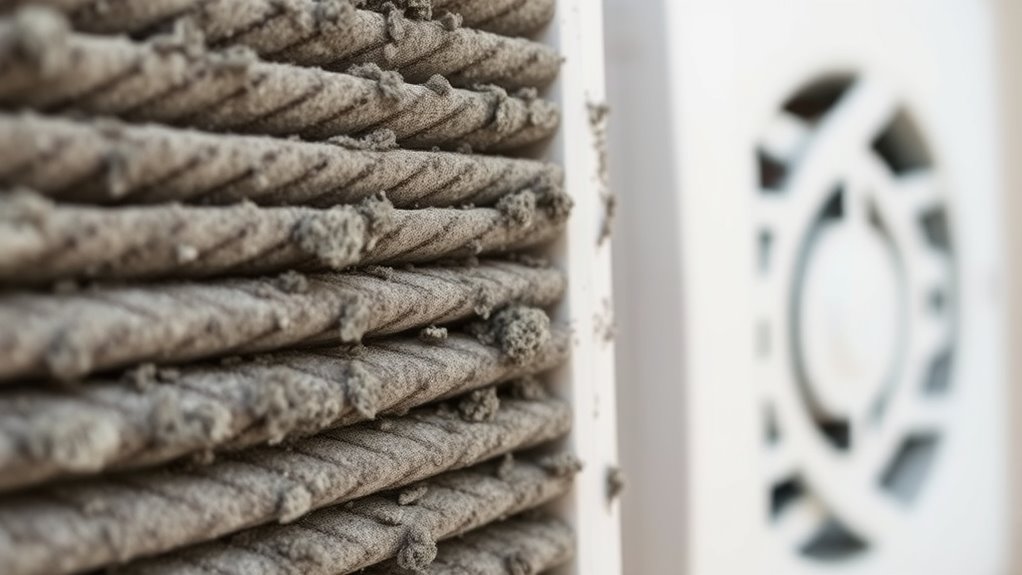
Using low-quality HVAC filters may seem like a cost-saving choice initially, but it can lead to higher expenses over time. Poor air filtration allows dust and debris to accumulate in your system, forcing it to work harder. This increased strain results in:
Choosing cheap filters saves money now but causes higher costs later due to system strain and debris buildup.
- Higher energy bills due to reduced efficiency
- Premature wear and tear on HVAC components
- Frequent replacement costs for the filter and system repairs
Although these filters may be cheaper upfront, they often compromise airflow and increase operational costs. Over time, the added energy consumption outweighs any initial savings. Investing in higher-quality filters ensures better air filtration, prolongs your system’s lifespan, and enhances overall cost savings. Skimping on quality might save money now, but it can cost you more later.
Tips to Select the Best Filter for Efficiency
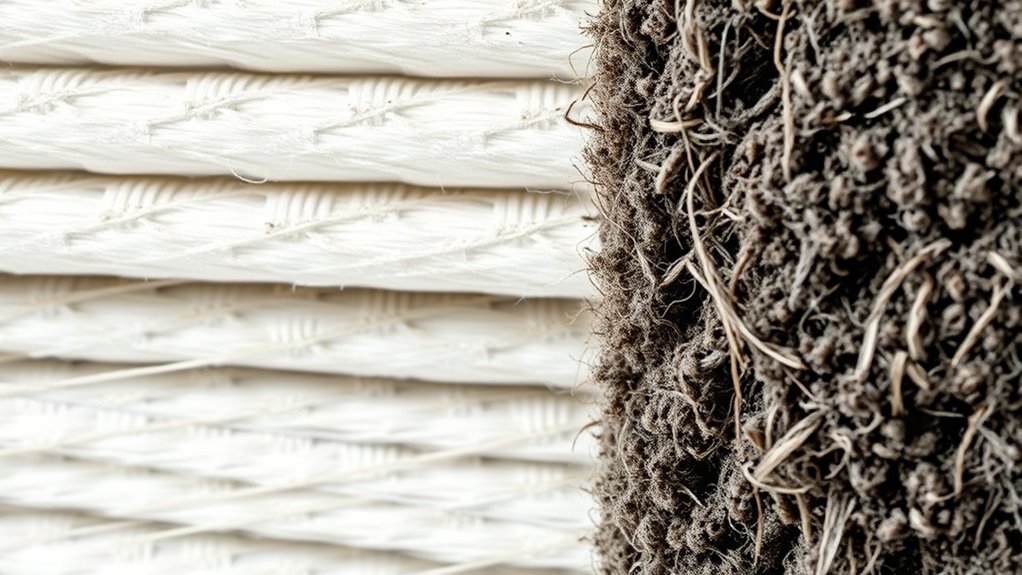
Choosing the right HVAC filter is essential for maximizing efficiency and reducing energy costs. To do this, consider air filter materials; high-quality pleated filters often provide better filtration without restricting airflow. Look for filters with the appropriate MERV rating for your system, balancing filtration and airflow. If ozone filtration is a concern, select filters specifically designed to remove ozone particles, improving indoor air quality. Avoid overly dense filters that may strain your system and increase energy consumption. Instead, opt for filters that suit your system’s specifications and your indoor air quality needs. Regularly changing filters guarantees top performance, but selecting the right type initially sets the foundation for energy-efficient operation and better indoor air health.
Benefits of Maintaining Your HVAC Filter Over Time

Regularly maintaining your HVAC filter guarantees your system runs efficiently and prolongs its lifespan. Proper upkeep assures the air filter material durability remains intact, preventing early replacements and costly repairs. When you care for your filter, you extend its air filter lifespan, meaning fewer changes and better performance over time.
Here are the key benefits:
- Enhanced Efficiency: Clean filters reduce strain on your system, saving energy.
- Improved Air Quality: Regular maintenance keeps dust, allergens, and pollutants at bay.
- Cost Savings: Longer-lasting filters minimize replacement costs and prevent damage to your unit.
Frequently Asked Questions
How Often Should I Replace My HVAC Filter for Optimal Energy Savings?
You should replace your HVAC filter every 1 to 3 months for ideal frequency. This guarantees your system runs efficiently, reducing energy consumption and extending its lifespan. If you have pets or allergies, consider changing it more often, around every 30 days. Regular filter replacement improves airflow, lowers energy bills, and maintains better indoor air quality, helping your HVAC system operate at peak performance all year round.
Can a Higher MERV Rating Improve Energy Efficiency Without Restricting Airflow?
A higher MERV rating can improve air quality but may restrict airflow if your system isn’t designed for it, impacting energy efficiency. To optimize airflow without sacrificing filter maintenance, choose a MERV level recommended by your HVAC manufacturer. Proper filter changes and regular maintenance guarantee your system runs smoothly, saving energy. Always balance filtration benefits with airflow needs to maximize efficiency without overloading your system.
Do HVAC Filters Impact the Lifespan of My Heating and Cooling System?
Your HVAC filters substantially impact your system’s lifespan through proper filter maintenance. When you change filters regularly, you prevent dirt buildup that strains your heating and cooling components. A clean filter promotes better airflow, reducing wear and tear on your system. This proactive approach helps guarantee system longevity, saving you money on repairs and replacements. Keep up with filter maintenance to keep your HVAC running smoothly and extend its lifespan.
What Are the Signs That My Filter Is Negatively Affecting Energy Consumption?
You’ll notice airflow obstruction if your vents feel weak or unevenly heated, which signals your filter might be clogged. An increase in energy consumption is another sign, as your system works harder to push air through a dirty filter. If your utility bills spike or your system runs longer than usual, check your filter promptly. Regularly replacing it helps maintain airflow and keeps energy use efficient.
Are There Specific Filter Materials That Optimize Both Air Quality and Energy Use?
Choosing a high-quality, HEPA or MERV-rated filter material can substantially boost both air quality and energy efficiency. These filters efficiently trap tiny particles, ensuring cleaner air while reducing strain on your HVAC system. Opt for filters with a balance of filtration and airflow, avoiding overly dense materials that hinder air movement. By selecting the right filter material, you’ll enjoy healthier air and lower energy bills, making your home both safer and smarter.
Conclusion
Remember, a chain is only as strong as its weakest link—your HVAC filter is no exception. Keeping it clean and well-chosen boosts your system’s efficiency and saves you money on energy bills. Don’t wait until it’s too late; regular maintenance pays off. As the saying goes, “An ounce of prevention is worth a pound of cure.” Stay proactive, and enjoy cleaner air and lower costs all year round.