
R-value measures how well insulation resists heat flow, helping you understand its effectiveness in keeping your home warm in winter and cool in summer. A higher R-value means better insulation that slows heat transfer and boosts energy efficiency. Knowing this simple idea helps you choose the right insulation for your climate and home needs. To discover more about how R-value impacts comfort and cost, keep exploring further.
Key Takeaways
- R-Value measures how well insulation resists heat flow, helping keep your home warm in winter and cool in summer.
- A higher R-Value means better insulation, which reduces energy costs and improves indoor comfort.
- It indicates the insulation’s ability to slow heat transfer, preventing unwanted heat loss or gain.
- R-Value depends on material type, thickness, and quality, affecting how effectively your home stays temperature-controlled.
- Proper installation and moisture control are essential to ensure the insulation’s R-Value provides lasting benefits.

Owens Corning R-30 Unfaced 19 by 48 Fiberglass Batt Insulation Fits 2×10 Floor or Attic a Total of 8 Bags and Square Footage of 513.36 FT
$20 off if you pick up in one of our 150 warehouses through out the US
As an affiliate, we earn on qualifying purchases.
As an affiliate, we earn on qualifying purchases.
What Is R-Value Actually Measuring?
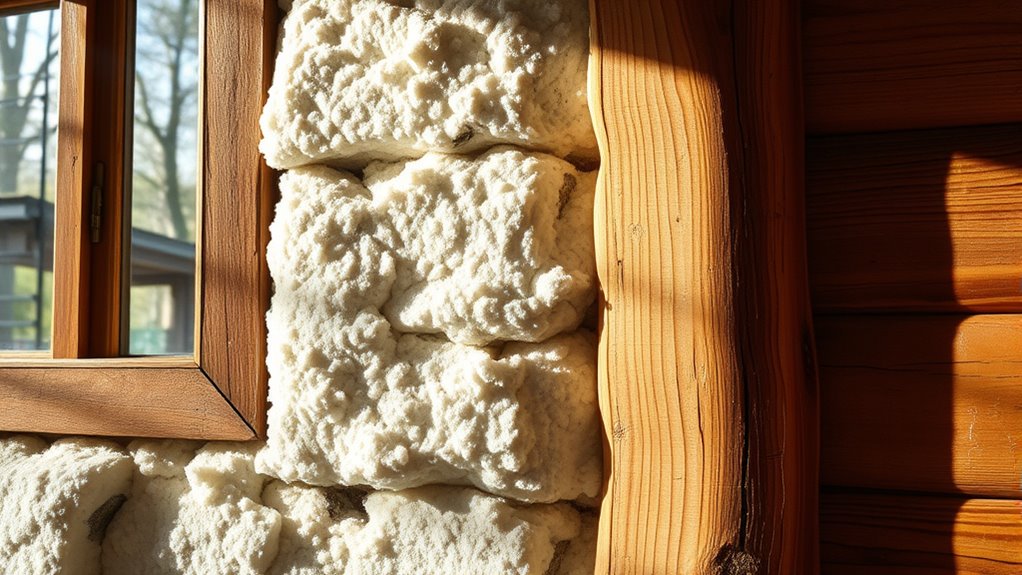
R-Value measures the insulation’s ability to resist heat flow. It’s a standard way to gauge insulation effectiveness, showing how well a material can slow down heat transfer. The key factor behind this is thermal conductivity—the material’s natural tendency to conduct heat. The lower the thermal conductivity, the higher the R-Value, meaning better insulation performance. When you see a high R-Value, it indicates that the insulation is more effective at preventing heat from escaping in winter or entering during summer. Basically, R-Value quantifies how well an insulation material can keep your home comfortable by minimizing heat flow. To fully understand insulation performance, it helps to consider thermal conductivity alongside R-Value, as it directly impacts how well a material resists heat transfer. Additionally, consistent application of insulation ensures that the R-Value accurately reflects its thermal resistance throughout the space, which is essential for maintaining energy efficiency and indoor comfort. So, understanding R-Value helps you choose the right insulation to improve energy efficiency and indoor comfort.

Halero 5mm Reflective Insulation Foam Core Radiant Barrier 40“ × 80” Double Side Foil Cold and Heat Shield Thermal Insulation for Ceilings,Walls,Steel Buildings,Roofing ect
Reflective Insulation Core Foam: Double-layer aluminum foil closed-cell foam is a lightweight and durable, non-toxic, non-carcinogenic, waterproof, will…
As an affiliate, we earn on qualifying purchases.
As an affiliate, we earn on qualifying purchases.
How R-Value Affects Your Home’s Comfort

When your home’s insulation has a high R-Value, it effectively keeps warm air in during winter and blocks hot air from entering in summer. This improves overall comfort by maintaining a stable indoor temperature. High R-Value insulation minimizes thermal bridging, where heat bypasses insulation through gaps or weak points, ensuring consistent temperature control. Proper vapor barriers work with high R-Value materials to prevent moisture buildup, which can cause drafts and reduce insulation effectiveness. When moisture escapes or is kept out, your home stays dry and comfortable. Additionally, thermal bridging can significantly reduce insulation performance if not properly addressed. Using high R-Value materials in combination with vapor barriers enhances moisture control and insulation efficiency. An understanding of insulation performance helps in selecting the right materials for your climate and home design. Incorporating energy-efficient insulation solutions can further optimize your home’s thermal management. Overall, higher R-Value insulation enhances comfort by reducing drafts, controlling humidity, and maintaining a consistent indoor climate, making your living space more pleasant and energy-efficient.

Vapor Barrier Tape – 4 inch x 180' Roll, Made in USA, White Polyethylene Tape for Crawl Spaces & Moisture Barriers, Waterproof Seal & Seam Tape for Underlayment, Insulation, and Plastic Liners
PREMIUM VAPOR BARRIER TAPE: TapeManBlue’s 4 inch x 180 foot long roll of vapor barrier tape is designed…
As an affiliate, we earn on qualifying purchases.
As an affiliate, we earn on qualifying purchases.
The Materials Behind R-Value Ratings
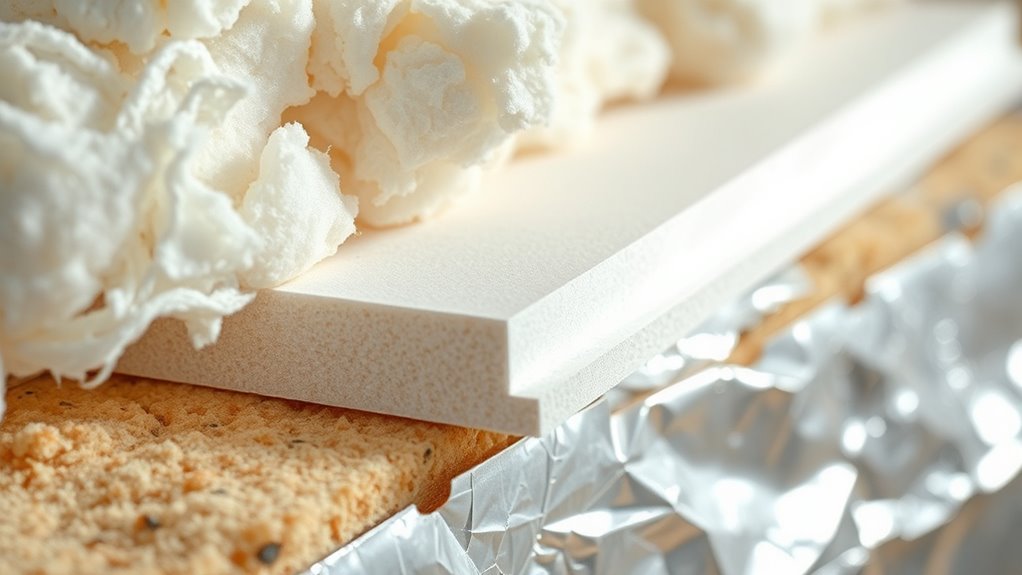
The materials used in insulation considerably impact its R-value and overall performance. Different common insulation options, like fiberglass, foam, and mineral wool, have unique compositions that affect their effectiveness. Understanding how material makeup influences durability and R-value helps you choose the best insulation for your home. For instance, the composition of materials can affect not only R-value but also the longevity and safety of the insulation.
Common Insulation Materials
Many common insulation materials determine their R-values through their unique compositions and structures. Fiberglass batts are popular, offering good thermal resistance and moisture resistance when properly installed. Spray foam provides high R-values and minimizes thermal bridging, reducing heat loss. Cellulose insulation is eco-friendly, with decent moisture resistance, but can be affected by settling over time. Rigid foam boards have high R-values per inch, making them excellent for adding insulation in tight spaces. Additionally, the material composition of each type influences its overall effectiveness and suitability for different applications. The thermal performance of insulation materials depends on both their R-values and how well they are installed, ensuring optimal energy efficiency. Proper installation methods also play a crucial role in maximizing insulation effectiveness and preventing energy loss. Achieving the best insulation performance requires understanding these factors and choosing the appropriate materials for each specific need. For example, selecting the right insulation involves considering thermal bridging and other factors that impact overall energy conservation. Here’s a quick comparison:
| Material | R-Value per Inch | Key Benefit | Limitation |
|---|---|---|---|
| Fiberglass Batts | 3-4 | Moisture resistance | Thermal bridging |
| Spray Foam | 6-7 | Low thermal bridging | Cost |
| Cellulose | 3-3.5 | Eco-friendly | Settling over time |
| Rigid Foam | 4-6.5 | High R-value | Cost and moisture issues |
Material Composition Effects
Material composition directly influences an insulation material’s R-value by determining how well it resists heat flow. The key factors are thermal conductivity and material density. Materials with low thermal conductivity are better at insulating because they slow heat transfer. For example, foam insulations typically have low thermal conductivity, making them highly effective. Material density also plays a role; denser materials often provide better insulation because they contain fewer air pockets, which reduce heat flow. However, excessive density can sometimes limit effectiveness by increasing thermal bridges. Additionally, the material structure impacts how heat is transferred through the insulation. Variations in cell structure can influence the overall thermal resistance, affecting the R-value. The particle size and how tightly they’re packed further shape the insulation’s performance. Understanding the material composition — including the specific types of particles and their arrangement — helps determine the insulation’s thermal resistance. In addition, the manufacturing process can alter the material’s internal structure, further impacting the R-value. Overall, the specific combination of material composition, including the type of particles and how tightly they’re packed, shapes the R-value. Understanding these factors helps you choose insulation that offers the best thermal resistance for your needs.
Durability and R-Value
Durability plays a crucial role in maintaining an insulation material’s R-value over time, as degradation can markedly reduce its thermal resistance. When materials weaken or break down, their insulation effectiveness drops, leading to higher energy costs. You should consider how exposure to moisture, UV rays, and temperature fluctuations affect durability. Properly durable materials resist pests, mold, and physical damage, preserving thermal resistance longer.
- Moisture resistance prevents mold growth that diminishes insulation effectiveness
- UV stability helps insulation retain its properties outdoors
- Physical strength ensures materials don’t break down under stress
- Resistance to pests keeps insulation intact and effective
- Long-lasting materials sustain R-values, saving you money over time

Insulate and Weatherize: For Energy Efficiency at Home (Taunton's Build Like a Pro)
Insulate and weatherize
As an affiliate, we earn on qualifying purchases.
As an affiliate, we earn on qualifying purchases.
Why Higher R-Values Usually Mean Better Insulation
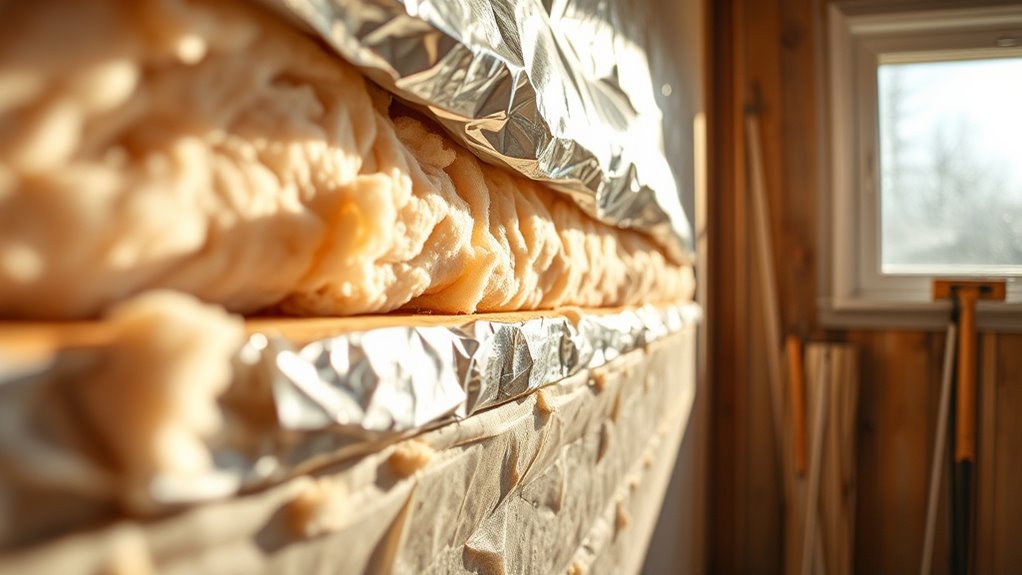
Higher R-values generally indicate better insulation because they measure how well a material resists heat flow. The higher the R-value, the more effectively it prevents heat from passing through, keeping your space warmer in winter and cooler in summer. Better insulation also reduces thermal bridging, where heat bypasses insulation through gaps or building materials, so a higher R-value helps minimize this issue. Additionally, materials with higher R-values often offer improved moisture resistance, preventing dampness that can compromise insulation’s effectiveness and promote mold growth. Understanding heat transfer is essential to appreciating why higher R-values make such a difference. When selecting insulation, it’s important to consider not only the R-value but also other factors like material durability and compatibility with your climate. Choosing insulation with a higher R-value can also contribute to energy efficiency, lowering your utility bills over time. An increased focus on sustainable building practices further emphasizes the importance of selecting high R-value insulation. While other factors matter, choosing insulation with a higher R-value generally means you’ll enjoy better energy efficiency, comfort, and long-term durability. Ultimately, it’s about selecting insulation that provides strong resistance against heat transfer and moisture-related problems.
R-Value and Climate: Finding the Right Balance
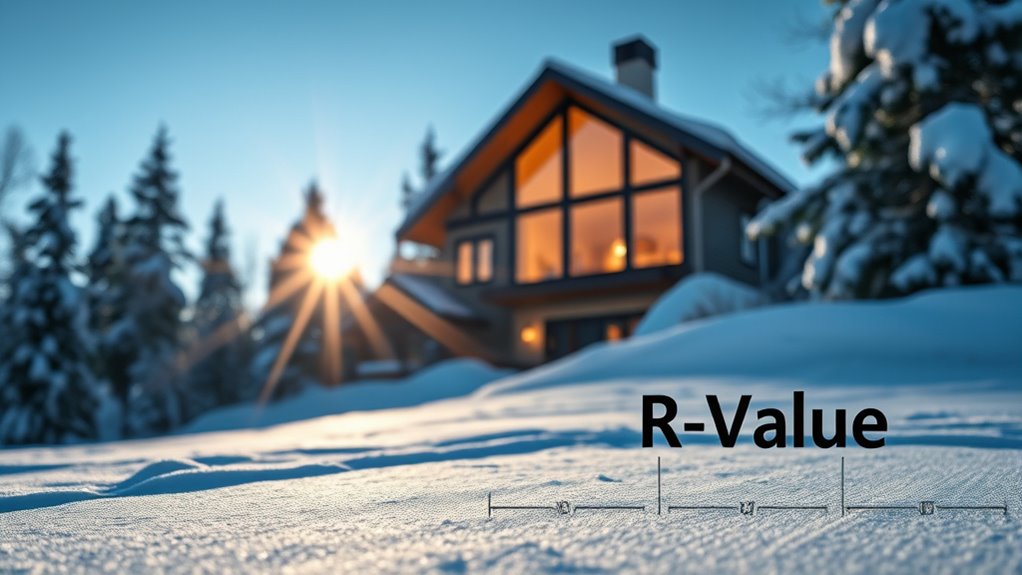
Your local climate plays a vital role in choosing the right R-value for your home. If you live in a colder area, higher R-values can improve comfort but may increase costs, so you need to find a balance. Understanding how climate impacts insulation helps you make smarter decisions that save money while keeping your home comfortable. Considering the specific climate zone of your location can guide you toward optimal insulation choices. Additionally, understanding building science principles can help you evaluate the long-term benefits and potential energy savings of different insulation levels. Staying informed about cybersecurity measures is also important, especially as more homes integrate smart devices that require secure networks.
Climate’s Impact on R-Value
Climate plays a crucial role in determining the ideal R-value for your insulation, as different weather conditions demand different levels of thermal resistance. In colder climates, higher R-values help prevent heat loss, while milder areas require less. Extreme temperatures also increase the risk of thermal bridging, where heat bypasses insulation through gaps or materials. Proper vapor barriers become essential to control moisture and prevent mold. Conversely, in hot climates, lower R-values can suffice but must still protect against heat gain. Adjusting R-value based on climate ensures maximum energy efficiency and comfort without overspending. Remember, climate influences not just the R-value but also how insulation interacts with vapor barriers and thermal bridging for a balanced, effective system.
- Hot versus cold climate considerations
- Impact on moisture control and vapor barriers
- How thermal bridging varies with weather
- The importance of climate-specific insulation
- Balancing insulation levels for energy efficiency
Balancing Comfort and Cost
Choosing the right R-value involves balancing the level of insulation needed for comfort with the costs involved. Higher R-values improve thermal resistance but can lead to issues like thermal bridging, where heat bypasses insulation through less insulated areas. This can reduce overall energy efficiency and cause uneven temperatures. Additionally, proper moisture management is essential; inadequate insulation can trap moisture, leading to mold or rot. You need enough insulation to keep your home warm and comfortable without overspending or creating problems with moisture or thermal bridging. By evaluating your climate and home design, you can find an R-value that offers the best comfort-to-cost ratio. This careful balance helps you save on energy bills while maintaining a cozy, healthy living environment.
How to Read R-Value Labels on Insulation Products
Have you ever looked at an insulation label and wondered what the numbers really mean? R-Value labels show the insulation’s resistance to heat flow, helping you assess its effectiveness. To read these labels properly:
- Check the R-Value, which indicates thermal resistance.
- Look for the product’s thickness, often listed in inches or centimeters.
- Note the material type, as it influences insulation performance.
- Verify the installation instructions, especially regarding proper insulation installation to prevent thermal bridging.
- Understand that higher R-Values mean better insulation but may require thicker layers.
Reading these labels helps you choose the right insulation for your project and ensures proper installation, reducing gaps where thermal bridging can occur. This ensures your home stays comfortable and energy-efficient.
Common Mistakes When Considering R-Value
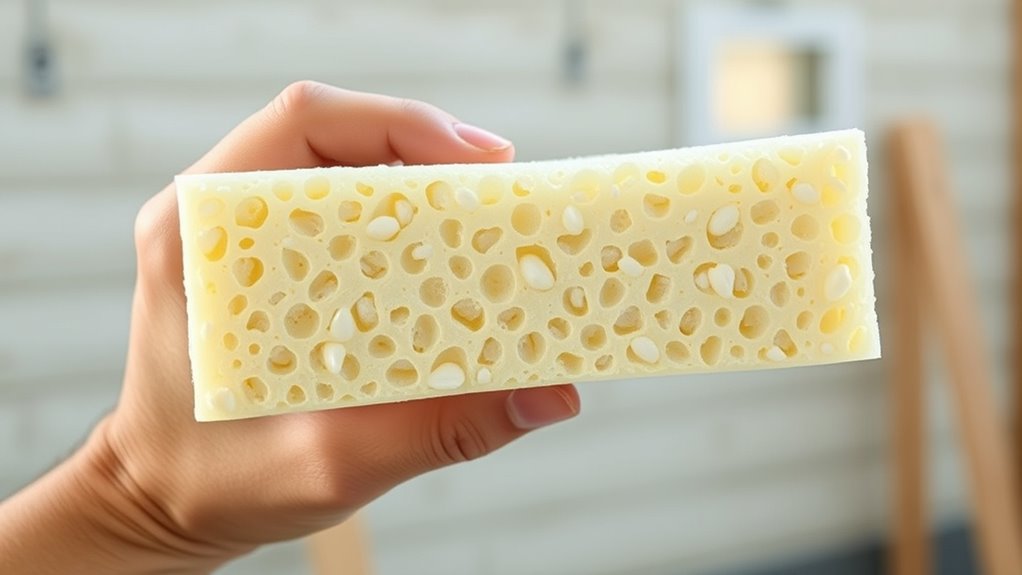
One common mistake is focusing solely on the R-Value number without considering the specific application or installation details. R-Value measures thermal resistance, but insulation thickness also plays a vital role in overall effectiveness. You might select a high R-Value product, but if it’s too thin or improperly installed, it won’t perform as expected. Poor installation quality can create gaps, compress insulation, or leave areas uninsulated, reducing its efficiency. Remember, an insulation’s true performance depends not just on its R-Value but on correct application and sufficient thickness for your climate. Relying only on the R-Value without evaluating these factors can lead to inadequate insulation and higher energy bills. Always consider both insulation thickness and installation quality alongside the R-Value for ideal results.
R-Value vs. Other Insulation Ratings
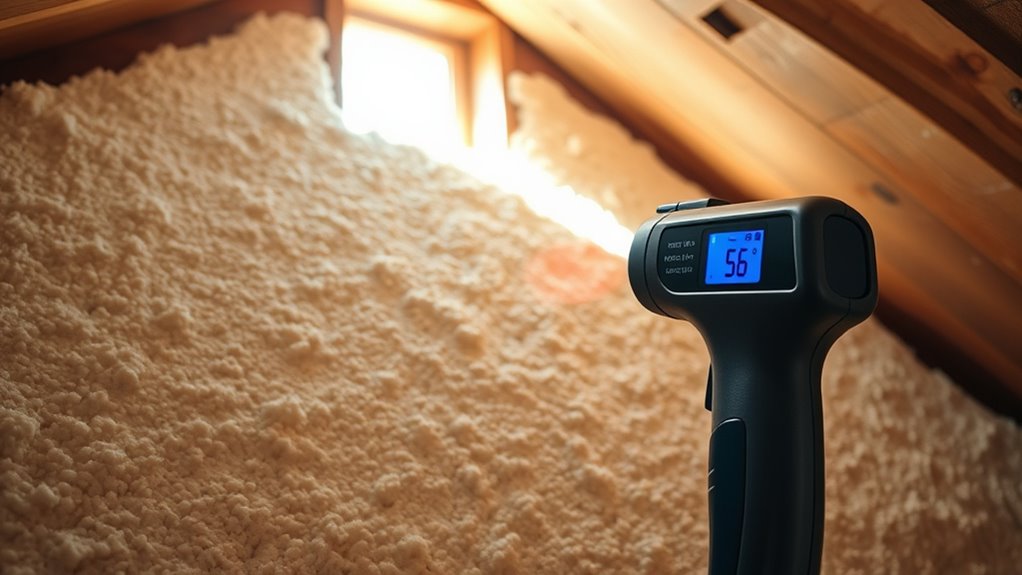
You might notice different insulation ratings like R-Score and others when shopping around. It’s important to understand how R-Value compares to these ratings to make informed decisions. Let’s explore how these measurements differ and what they mean for your insulation choices.
R-Value vs. R-Score
While R-Value is the most common measure of insulation’s effectiveness, it’s important to understand how it compares to other ratings like the R-Score. The R-Score assesses overall insulation efficiency, including factors like installation quality and material performance, providing a broader view than simple thermal resistance. Unlike R-Value, which measures how well insulation resists heat flow, R-Score considers real-world performance. This makes it useful for evaluating how insulation performs in actual conditions.
- R-Score accounts for installation quality and durability
- It offers a practical performance perspective
- R-Value focuses solely on thermal resistance
- R-Score can include environmental impacts
- Both ratings help you make informed insulation choices
Comparing Insulation Ratings
Understanding how different insulation ratings compare helps you make better choices for your home. While R-Value measures thermal resistance, other ratings like U-factor and emissivity offer different insights. U-factor indicates heat transfer rate, important when considering thermal bridging through framing. Emissivity ratings help evaluate vapor barriers and moisture control. Here’s a comparison:
| Rating Type | Focus | Best For |
|---|---|---|
| R-Value | Thermal resistance | Insulation effectiveness |
| U-Factor | Heat transfer rate | Energy efficiency, thermal bridging |
| Emissivity | Surface heat emission | Vapor barriers, moisture control |
Knowing these helps prevent issues like thermal bridging and vapor buildup, ensuring your insulation performs ideally.
Practical Tips for Choosing Insulation Based on R-Value
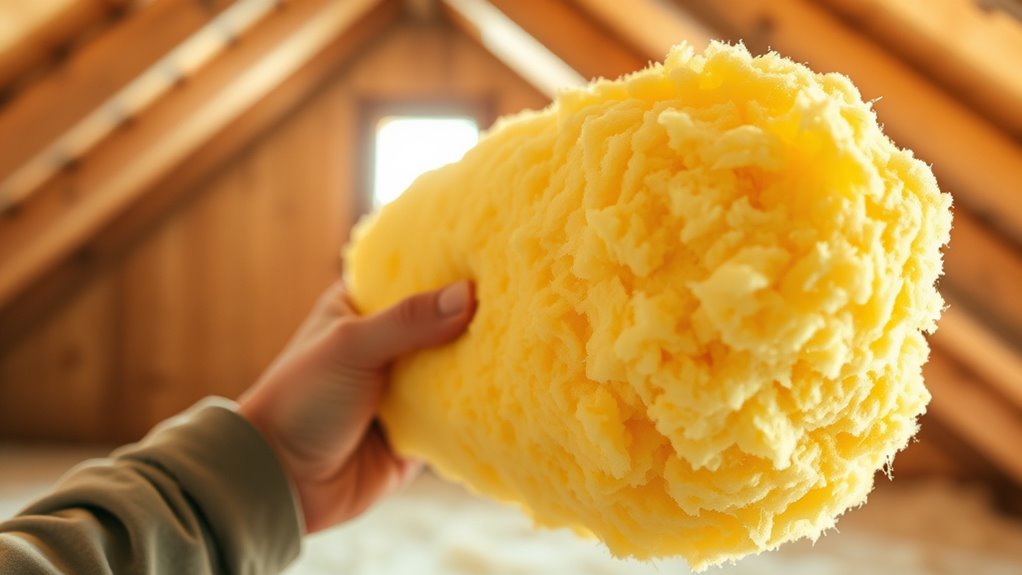
Choosing the right insulation R-value depends on the specific area you’re insulating and the climate you live in. Higher R-values are essential in colder climates to prevent heat loss, while moderate values work in milder areas. When selecting insulation, consider factors like thermal bridging, which can reduce efficiency, and moisture control to prevent mold.
To make an informed choice:
- Match R-value recommendations to your local climate zone
- Balance insulation with proper ventilation
- Use vapor barriers where moisture is a concern
- Avoid gaps that cause thermal bridging
- Prioritize insulation types that improve moisture control
Real-Life Examples of R-Value in Action

Real-life examples show how selecting the right R-value makes a tangible difference in comfort and energy savings. For instance, in colder climates, using higher R-value insulation prevents heat loss through thermal bridging, where heat escapes via gaps or weak spots in the building envelope. This reduces drafts and keeps your home warmer. Additionally, proper R-value choices enhance moisture resistance, preventing condensation that can lead to mold or wood rot. For example, well-insulated walls with adequate R-value stop moisture from seeping in and causing deterioration. Without sufficient insulation, thermal bridging becomes a bigger problem, decreasing energy efficiency and risking moisture buildup. These real-world scenarios demonstrate that correct R-value selection isn’t just about savings; it’s essential for a healthier, more comfortable living environment.
Frequently Asked Questions
How Does R-Value Impact Energy Bills Over Time?
Your R-value directly impacts your energy bills over time by affecting thermal resistance. Higher R-values mean better insulation, reducing heat transfer and keeping your home warmer in winter and cooler in summer. This leads to energy savings because your heating and cooling systems don’t have to work as hard. Over time, investing in higher R-value insulation can notably lower your energy costs and improve your home’s comfort.
Can R-Value Differ Between Insulation Types?
Think of R-value as a shield of thermal resistance that varies between insulation types. Different materials, like fiberglass or foam, have unique R-values, making some better at blocking heat than others. This variation affects insulation effectiveness, so you’ll want to pick the right type for your climate. Higher R-values generally mean better insulation, but the specific R-value depends on the material’s properties and how it’s installed.
Is a Higher R-Value Always Necessary for Cold Climates?
A higher R-value isn’t always necessary for cold climates, but it can improve thermal performance considerably. You should consider insulation thickness and R-value to guarantee adequate warmth. In colder areas, opting for higher R-values helps prevent heat loss and keeps your home warmer. However, the ideal R-value depends on your specific climate, building design, and budget, so balance insulation thickness with your thermal needs for the best results.
How Does R-Value Relate to Insulation Installation Quality?
Think of insulation like a cozy blanket for your home; the way you install it directly impacts its R-value‘s effectiveness. Proper installation techniques guarantee your insulation’s R-value is fully realized, preventing gaps and compression that compromise durability. When installed correctly, your insulation maintains its thermal resistance longer, keeping your home warm and energy-efficient. Poor installation, however, can reduce its R-value, making your investment less effective over time.
Are There Environmental Considerations When Choosing Insulation R-Values?
When choosing insulation R-values, you should consider the environmental impact. Higher R-values often mean better energy efficiency, reducing your carbon footprint. Opt for sustainable materials like recycled or natural fibers to minimize environmental harm. Balancing R-value with eco-friendly options helps you save energy and protect the planet, making your home more sustainable while maintaining comfort. Always look for insulation that combines high performance with environmental responsibility.
Conclusion
Don’t let confusing numbers scare you away from choosing the right insulation. Understanding R-value helps you pick materials that keep your home comfortable and energy-efficient. Even if upfront costs seem high, investing in higher R-value insulation pays off in lower energy bills and better comfort over time. So, don’t assume all R-values are the same—look for the right balance for your climate and needs. Your home’s coziness is worth it.