
📊 Full opportunity report: Vertigo relief app on IdeaNavigator AI — validation score, market gap, and execution plan.
TL;DR
A new vertigo relief app is in development to help adults manage benign paroxysmal positional vertigo (BPPV) at home. It uses motion sensors for guided repositioning maneuvers and aims to be adopted by clinics for patient care. Validation efforts include user testing and clinic trials.
A new vertigo relief app is currently being tested to assist adults suffering from recurrent BPPV in performing repositioning maneuvers correctly at home. The app aims to fill a gap in self-treatment support, potentially reducing relapse rates and easing demand on ENT clinics, as part of a broader shift toward digital vestibular care.
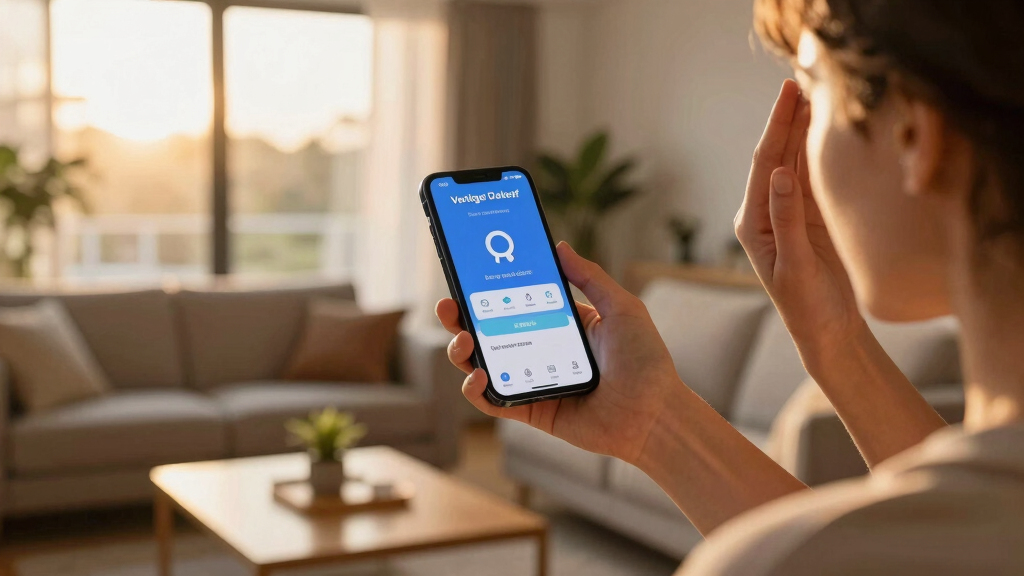
The app, designed for iOS and Android devices, guides users through common maneuvers such as the Epley and Brandt-Daroff with animated instructions, audio cues, and real-time gyroscope-based feedback on head angles. It also includes symptom logging features to monitor dizziness episodes, triggers, and severity over time. The development team plans to incorporate a short safety survey and optional motion checks to screen for BPPV candidacy.
Developers are testing the app’s feasibility through targeted ads, measuring user engagement with a guided walkthrough, and assessing interest from ENT, audiology, and vestibular physiotherapy clinics. The app will operate on a freemium model for consumers, with premium features like advanced tracking and export options, and a licensing option for clinics to recommend it as part of patient home care programs.
Potential Impact on BPPV Self-Management
This app could significantly improve the quality of self-care for adults with BPPV, a common vestibular disorder that often requires specialized treatment. By providing guided, sensor-supported maneuvers, it may reduce incorrect self-treatment, lower recurrence rates, and decrease wait times for specialist care. Its integration into clinical workflows could streamline patient management and expand access to effective vestibular therapy outside of traditional settings.

Vertigo Ear Drops/Gotas para Oídos Vértigo – Natural Ear Relief for Dizziness & Balance Support | Alivio Natural para el Vértigo y Apoyo al Equilibrio | 5 mL Dropper Bottle
- Natural dizziness relief: Supports balance naturally
- Bilingual labeling: Spanish and English instructions
- Convenient 5mL bottle: Precise application and dosing
As an affiliate, we earn on qualifying purchases.
As an affiliate, we earn on qualifying purchases.
Growing Market for Digital Vestibular Care
The digital therapeutics market for vestibular disorders was valued near USD 498 million in 2024, with an expected compound annual growth rate of approximately 13.5% through 2033, driven by increased telehealth adoption and smartphone sensor capabilities. COVID-19 accelerated the shift toward remote rehab solutions, making digital self-management tools more relevant and accessible. Current efforts focus on validating these platforms’ safety, efficacy, and clinical integration.
Previous efforts have highlighted the challenges patients face in correctly performing repositioning maneuvers at home, often relying on static diagrams or videos. The new app aims to address these issues with real-time feedback and symptom tracking, supported by advancements in smartphone sensor technology.
“This app could transform how patients manage BPPV at home, especially if integrated into clinical practice.”
— an anonymous researcher

Vestibular Rehabilitation Log Book: Daily Balance Exercises, Dizziness Trigger Tracker & BPPV/PPPD Symptom Journal for Vestibular Patients — 90-Day Progress Record
As an affiliate, we earn on qualifying purchases.
As an affiliate, we earn on qualifying purchases.
Unconfirmed Clinical Effectiveness and Adoption
It is not yet clear how effective the app will be in reducing BPPV recurrence or how widely clinics will adopt it. Validation studies and clinical trials are still in progress, and user engagement metrics are preliminary. Further research is needed to confirm safety, efficacy, and integration into standard care protocols.
guided repositioning maneuvers app
As an affiliate, we earn on qualifying purchases.
As an affiliate, we earn on qualifying purchases.
Next Steps for Validation and Deployment
The development team plans to launch pilot testing with a select group of users and clinics to collect data on usability, symptom improvement, and clinician feedback. Based on these results, they will refine the app and seek regulatory approval or certification for broader clinical use. Additionally, they aim to expand marketing efforts and establish partnerships with ENT and physiotherapy practices to facilitate adoption.

Dioche Professional Electric Wax Warmer for Home Beauty Salon, Hair Removal Treatment for Facial & Full Body Waxing (US)
- Quick Heating: Rapid wax melting for faster results
- Consistent Temperature: Maintains ideal wax temperature for mess-free application
- User-Friendly Design: Easy to operate for beginners and professionals
As an affiliate, we earn on qualifying purchases.
As an affiliate, we earn on qualifying purchases.
Key Questions
How does the app guide users through repositioning maneuvers?
The app provides animated step-by-step instructions, audio cues, and real-time feedback on head angles using smartphone gyroscope sensors to ensure correct execution of maneuvers like the Epley.
Is the app suitable for all BPPV patients?
The app includes a screening survey to identify suitable candidates. It is intended for adults with recurrent positional vertigo but is not a substitute for medical diagnosis or treatment. Users should consult a healthcare professional if symptoms worsen or red-flag signs appear.
Will healthcare providers recommend this app?
Clinicians may white-label or recommend the app as part of home care protocols if validation demonstrates safety and effectiveness. Developers are actively engaging clinics to gauge interest in clinical trials and licensing opportunities.
When will the app be available to the public?
The app is currently in testing and validation phases. A broader release is expected after successful pilot studies and regulatory review, with timelines still to be determined.
How will the app handle privacy and data security?
The app will include privacy safeguards, with clear disclaimers about not replacing medical advice. Data will be stored securely, and users will be prompted to see a healthcare provider for red-flag symptoms or persistent issues.
Source: IdeaNavigator AI