
TL;DR

Get school and study supplies delivered free — and shop member deals
- Fast, free delivery on millions of items
- Access to Prime Big Deal Days deals on October 6–7
- Prime Video, Amazon Music and more included
Google issued a ‘severe alert’ warning about a cyclone for residents of Niterói, which was later denied by the Defesa Civil. The alert caused concern but official sources dispute the warning’s validity.
Residents of Niterói received a ‘severe alert’ warning from Google regarding an impending cyclone, raising alarm across the city. However, the local Defesa Civil has officially denied issuing any such alert, creating confusion over the actual threat level.
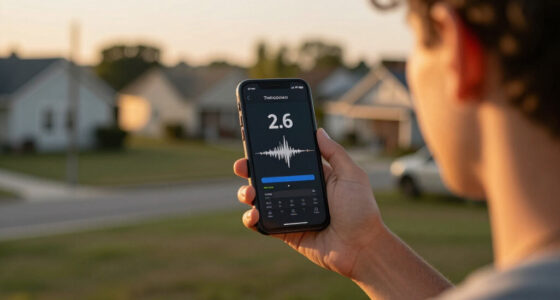
Earlier today, Google sent a notification to users in Niterói warning of a severe cyclone expected to impact the region. The alert prompted widespread concern among residents, many of whom expressed fear of potential flooding and damage. The Defesa Civil of Niterói quickly responded, stating that they had not issued any alerts or warnings about a cyclone and that the information from Google was not verified by official sources.
Google has not publicly confirmed the origin of the alert or whether it was a false alarm or a technical error. The company’s spokesperson declined to comment on the specifics but emphasized that alerts are generated based on data from various sources, which are then disseminated through their platform.
Authorities in Niterói are monitoring the situation closely, but there is currently no official forecast indicating an imminent cyclone or severe weather event. The incident has sparked discussions about the reliability of digital alerts and the importance of official communication channels during weather emergencies.
Implications of False Weather Alerts in Urban Safety
This incident highlights the potential risks of relying on digital alerts from third-party platforms during weather emergencies. Misinformation or false alarms can cause unnecessary panic or complacency among residents. It underscores the need for official verification and communication from local authorities, especially in regions prone to severe weather events like Niterói.
For residents, understanding the source and accuracy of alerts is crucial to making informed decisions during emergencies. The situation also raises questions about how tech companies and local governments can coordinate to ensure reliable information dissemination.
As an affiliate, we earn on qualifying purchases.
Recent Weather Alerts and Communication Challenges in Niterói
Niterói, located near Rio de Janeiro, is vulnerable to weather events such as heavy rains and storms, especially during the rainy season. In recent years, the city has experienced flooding and landslides, prompting authorities to emphasize the importance of accurate weather warnings. However, this latest incident involving Google’s alert adds to ongoing concerns about the consistency and credibility of weather notifications in the region.
Historically, official channels like the Defesa Civil have been the primary source of alerts, but in the digital age, residents increasingly rely on apps and social media for real-time updates. This can lead to confusion if unofficial or unverified alerts are circulated, as seen in this case.
“We have not issued any alerts regarding a cyclone. Residents should rely on official channels for weather updates.”
— Defesa Civil Niterói
As an affiliate, we earn on qualifying purchases.
Unverified Origin of the Google Alert
It remains unclear whether the Google alert was a technical glitch, a false alarm, or based on inaccurate data. Google has not confirmed the source of the warning, and official authorities deny issuing it. The true origin and reason for the alert are still under investigation.
As an affiliate, we earn on qualifying purchases.
Next Steps for Clarifying the Alert and Ensuring Safety
Authorities and Google are expected to investigate the incident further to determine how the alert was generated. Local officials will likely reinforce the importance of relying on official channels for weather information and may issue guidance on verifying alerts. Residents are advised to stay tuned to official updates from Defesa Civil and avoid panic based on unverified notifications.
As an affiliate, we earn on qualifying purchases.
Key Questions
Was the Google alert about the cyclone accurate?
Currently, there is no official confirmation that the alert was accurate. Defesa Civil states they did not issue any warning about a cyclone, and the alert is believed to be a false or technical error.
Should residents trust digital alerts from platforms like Google?
Residents should prioritize official sources such as Defesa Civil and local weather agencies for accurate information, especially during emergencies. Digital alerts from third-party platforms should be verified with official channels.
What are the risks of false weather alerts?
False alerts can cause unnecessary panic, disrupt daily life, and potentially lead to complacency if residents become desensitized to warnings. Accurate and verified communication is essential for public safety.
Will there be any official warning about a cyclone soon?
As of now, no official forecast indicates an imminent cyclone threat. Residents are advised to monitor updates from Defesa Civil and the national weather service for accurate information.
Source: local
Halloween Picks
halloween
As an affiliate, we earn on qualifying purchases.