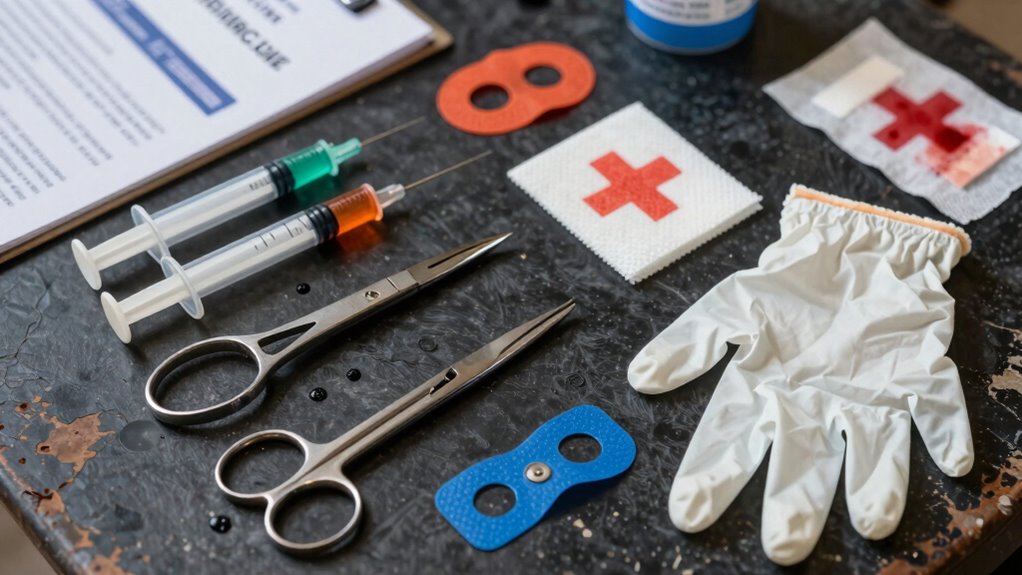

Trauma kits require different thinking because they’re designed for severe injuries that need specialized tools and quick actions, unlike basic first aid kits that handle minor issues. You must focus on managing serious bleeding, stabilizing broken bones, or preventing shock, which often demands advanced supplies like tourniquets and hemostatic dressings. Your approach needs to be precise and adaptable to critical situations. Keep exploring to discover how customizing your kit can make a life-saving difference.

Get school and study supplies delivered free — and shop member deals
- Fast, free delivery on millions of items
- Access to Prime Big Deal Days deals on October 6–7
- Prime Video, Amazon Music and more included
Key Takeaways
- Trauma kits address severe injuries requiring advanced tools like tourniquets and hemostatic dressings, unlike basic first aid for minor wounds.
- They focus on life-saving interventions for critical bleeding and trauma, demanding specialized knowledge and equipment.
- Trauma situations often involve complex, rapidly evolving injuries necessitating tailored kit customization.
- Basic first aid kits are insufficient for major trauma, requiring different supplies and response strategies.
- Proper trauma kit planning considers environment-specific risks, ensuring readiness for severe emergencies.
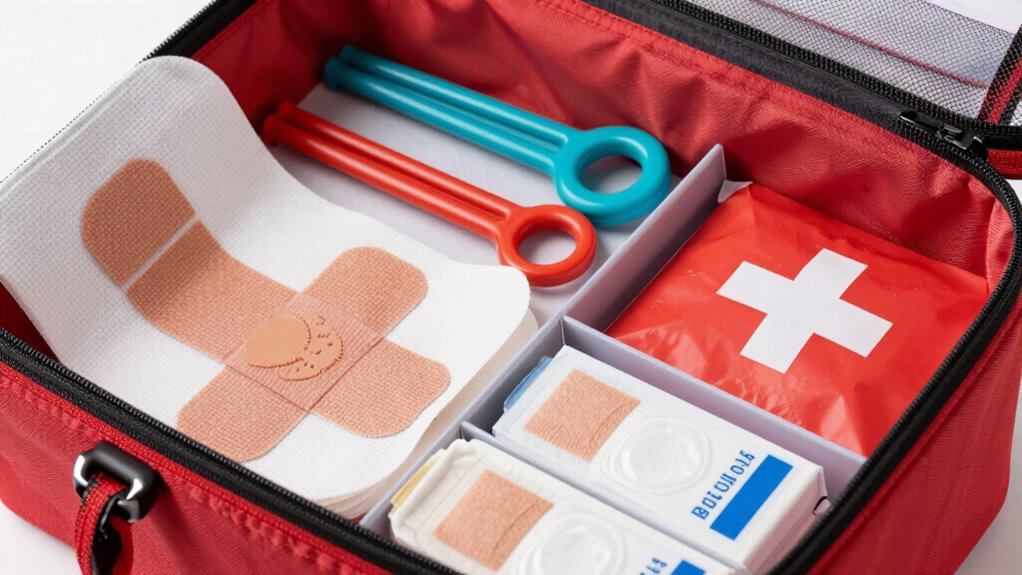
Have you ever wondered whether a basic first aid kit is enough for emergencies or if you need a more all-inclusive trauma kit? When it comes to emergency preparedness, understanding the differences between these kits is essential. A basic first aid kit is designed to handle minor injuries like cuts, scrapes, and bruises. It typically contains bandages, antiseptic wipes, and some pain relievers. But in critical situations, especially those involving severe bleeding or trauma, a basic kit might fall short. That’s where trauma kits come into play—they’re built for a different purpose, requiring you to think differently about what’s needed.
Trauma kits demand a broader perspective, emphasizing kit customization based on potential risks. When you’re considering emergency preparedness, it’s necessary to evaluate the types of emergencies most likely to occur. For instance, if you’re in an outdoor or remote setting, you might need extra supplies for heavy bleeding, broken bones, or airway management. Trauma kits typically include items like tourniquets, hemostatic dressings, chest seals, and advanced bandages. These additions aren’t just extras; they can mean the difference between life and death in severe trauma situations. You need to think beyond the basics and assess what specific tools can stabilize a person until professional help arrives. Incorporating specialized trauma supplies into your kit can significantly improve outcomes in critical scenarios. Understanding the different injury types that can occur helps you identify the appropriate equipment needed for effective intervention. Additionally, considering emergency response techniques can further enhance your ability to provide effective care during critical moments.
Kit customization plays a key role in guaranteeing your trauma kit truly meets your needs. You shouldn’t just buy a one-size-fits-all package; instead, tailor it to your environment, activity level, and potential risks. For example, if you’re hiking in a remote area, you might add splints or a space blanket, whereas urban settings might require different supplies for gunshot wounds or other violence-related injuries. This customization process enhances your preparedness, allowing you to respond swiftly and effectively to different scenarios. It also involves regularly checking and updating your kit, replacing expired items, and expanding it as your understanding of emergency needs grows. Recognizing the importance of emergency preparedness can help you stay ready for unexpected situations.
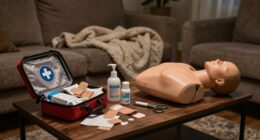
trauma kit with tourniquet and hemostatic dressings
As an affiliate, we earn on qualifying purchases.
As an affiliate, we earn on qualifying purchases.
Frequently Asked Questions
What Specific Trauma Scenarios Require Specialized Equipment?
You’ll need specialized equipment for trauma scenarios like severe bleeding, broken bones, or airway obstructions. In these cases, quick control of bleeding, immobilization, and airway management are essential. Remember, mental health and emotional support are also crucial, especially for shock or emotional distress. Your trauma kit should include items like tourniquets, splints, and psychological first aid supplies to handle both physical and emotional needs effectively.
How Do Trauma Kits Handle Severe Bleeding Differently?
Trauma kits handle severe bleeding through advanced bleeding control techniques and specialized wound management tools. You’ll find tourniquets and hemostatic dressings designed to quickly stop arterial bleeding, which basic first aid kits lack. These kits enable you to apply pressure, secure bleeding points, and manage wounds more effectively in critical situations. This specialized equipment helps prevent shock and saves lives when seconds matter, making trauma kits essential for severe bleeding scenarios.
Are Trauma Kits More Complex to Use Than Basic First Aid?
Trauma kits are like complex puzzles, often more challenging to use than basic first aid. You might have misconceptions that they’re just bigger first aid kits, but their design requires kit customization for different emergencies. While they contain advanced tools, they demand a higher level of knowledge and precision. With practice, you’ll find using them becomes instinctive, but initially, they do require more skill and understanding.
What Training Is Needed to Effectively Use a Trauma Kit?
To effectively use a trauma kit, you need specialized training beyond basic first aid. You should learn emergency preparedness skills like controlling severe bleeding, managing shock, and using tourniquets or chest seals correctly. This training helps you respond swiftly in critical situations, ensuring you address life-threatening injuries properly. Regular practice and refresher courses boost your confidence, making you more prepared to handle emergencies with a trauma kit during real-life scenarios.
How Do Trauma Kits Address Emotional or Psychological Trauma?
Trauma kits can provide emotional support and deliver psychological first aid by including items like calming tools, information on stress management, and resources for mental health. You can use these to help stabilize someone’s emotional state, offer reassurance, and create a sense of safety during crises. Recognizing emotional and psychological needs alongside physical injuries ensures extensive care, making trauma kits essential for addressing trauma holistically.
advanced first aid trauma supplies
As an affiliate, we earn on qualifying purchases.
As an affiliate, we earn on qualifying purchases.
Conclusion
You now see that trauma kits aren’t just a step up from basic first aid—they require a whole different mindset. It’s not just about treating minor cuts; it’s about preparing for severe injuries where quick, decisive action can save lives. Think of trauma kits as your emergency arsenal, designed for chaos, not calm. By understanding this, you’ll be better equipped to respond confidently when seconds matter most, turning chaos into control.
As an affiliate, we earn on qualifying purchases.
As an affiliate, we earn on qualifying purchases.
Halloween Picks
halloween
As an affiliate, we earn on qualifying purchases.