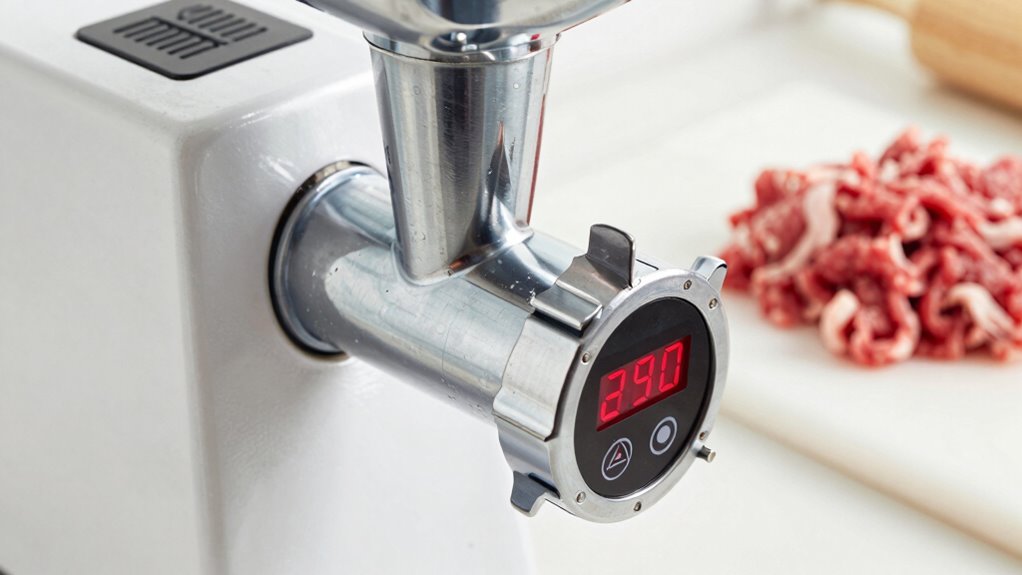

Controlling the temperature during meat grinding is essential to maintaining the right texture. If your grinder gets too warm, fats can melt, leading to a greasy, mushy result, while improper cooling can cause uneven grinding. Sharp blades and proper cleaning help prevent overheating and bacteria growth, ensuring safety. Keeping the temperature steady also preserves moisture and quality, so your final product stays consistent and fresh. Want to discover simple tips to master this process? Keep exploring!
Key Takeaways
- Proper temperature prevents fat melting, maintaining the desired meat texture and preventing a greasy or mushy consistency.
- Controlling heat reduces overprocessing, ensuring the meat remains firm and evenly ground.
- Cooler temperatures inhibit bacterial growth, preserving meat quality and safety.
- Maintaining optimal temperature avoids equipment overheating, which can lead to uneven grinding and texture issues.
- Regular cleaning and blade maintenance help sustain consistent temperature and prevent texture degradation.
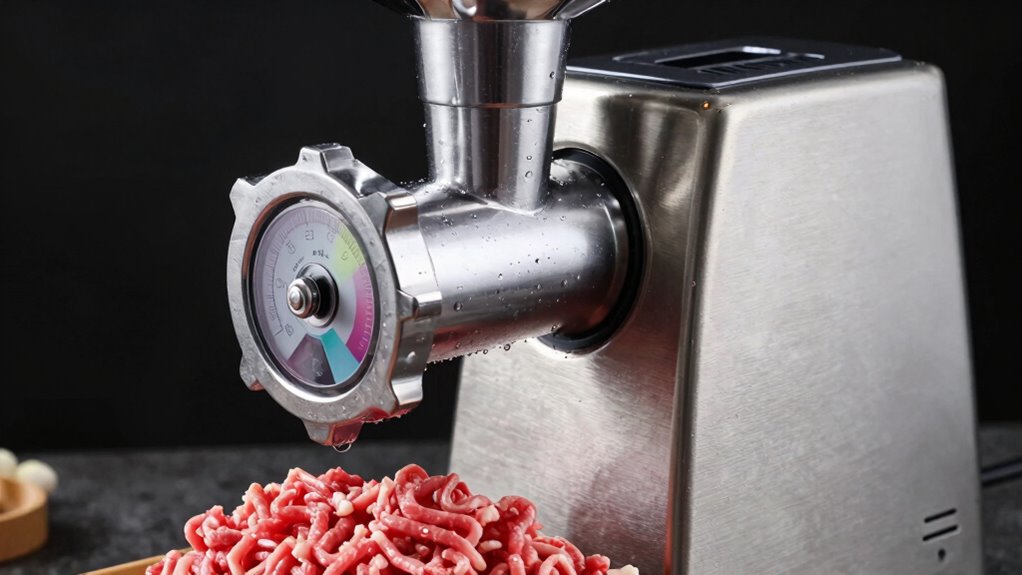
Have you ever wondered why your meat grinder sometimes struggles or produces uneven results? One significant factor often overlooked is temperature control. When your grinder gets too hot, the meat can start to soften or even partially cook, leading to a loss of the desired texture. This not only affects the quality of your final product but also raises safety concerns, as warm, moist environments create ideal conditions for bacteria growth. Maintaining a proper temperature during grinding isn’t just about convenience; it’s an essential part of meat grinding safety.
To keep your meat at the right temperature, you need to pay close attention to your equipment and process. Regularly monitoring the temperature of the meat before grinding helps guarantee you’re working within safe limits. Chilling the meat thoroughly—preferably in the freezer for at least 30 minutes—can prevent it from warming up during processing. If your grinder has a built-in cooling feature, use it to help maintain a steady temperature. Otherwise, taking breaks to cool down the machinery or working in small batches can prevent overheating. When your equipment gets too hot, it can cause the fat in the meat to melt, resulting in a greasy, mushy texture that’s difficult to work with. Additionally, understanding meat temperature control is crucial for maintaining both safety and optimal texture during grinding. Proper temperature regulation helps preserve the meat’s moisture content and overall quality. Incorporating proper cooling techniques can further enhance your control over the process and ensure consistent results. Using appropriate tools designed for temperature monitoring can provide more precise control and help prevent issues before they arise. Moreover, selecting the right cooling methods tailored to your specific equipment can make a significant difference in maintaining consistent temperatures.
Chill meat and monitor equipment temperature for optimal grinding and safety.
Optimal blade maintenance plays an essential role in temperature management and overall grinding performance. Dull blades generate more heat because they require more force to cut through the meat. This increased friction raises the temperature and can compromise the meat’s texture. Sharp, well-maintained blades cut cleanly and efficiently, reducing heat buildup and ensuring a smoother, more consistent grind. Regularly inspect and sharpen your blades, and replace them when they become too dull. Proper blade maintenance not only improves safety by preventing jam-ups and mechanical failures but also ensures your meat retains its ideal texture and moisture content.
In addition to blade upkeep, cleaning your grinder thoroughly after each use helps prevent bacterial contamination, especially if some meat residue is left behind. Keeping your equipment clean and dry also contributes to better temperature control, as it prevents the buildup of bacteria that thrive in warm, moist conditions. By paying attention to these factors—meat temperature, blade sharpness, and thorough cleaning—you create a safer environment for meat grinding and produce a more consistent, desirable texture in your final product. Proper temperature control isn’t just a technical detail; it’s a fundamental part of achieving high-quality, safe, and delicious ground meat.

Remote Meat Thermometer Wireless, Vauno Wireless Meat Thermometer for Grilling and Smoking with Dual Meat Probe, Kitchen Timer, Digital Cooking Food Thermometer for Smoker BBQ Oven Outside Grill
Accurate and Fast Instant Reading: Vauno Wireless meat thermometer features food-grade stainless steel probes with step-down tip design…
As an affiliate, we earn on qualifying purchases.
As an affiliate, we earn on qualifying purchases.
Frequently Asked Questions
How Does Ambient Temperature Affect Meat Grinder Temperature Control?
Ambient influence affects your meat grinder’s temperature control by causing fluctuations that can lead to inconsistent textures. Higher temperatures from warm surroundings make the grinder heat up faster, risking overprocessing meat. Conversely, cooler environments help maintain temperature stability, ensuring your meat stays fresh and the grind remains uniform. To keep ideal results, operate your grinder in a controlled environment, especially during extended use, and consider cooling measures if needed.
Can Improper Temperature Control Cause Food Safety Issues?
Improper temperature control can definitely cause food safety issues. When your grinder overheats or runs too cold, it risks cross-contamination, allowing bacteria to thrive or spread. Regular grinder maintenance, including cleaning and monitoring temperatures, helps prevent these risks. If you don’t control the temperature properly, you might unknowingly compromise the safety of your meat, increasing the chance of foodborne illnesses. Staying vigilant keeps your meat safe and your equipment in top shape.
Are There Specific Meats That Require More Precise Temperature Regulation?
Yes, certain meat types, like poultry and pork, require more precise temperature regulation during grinding. These meats are more prone to bacterial growth if not kept at proper temperatures, affecting both safety and grind consistency. You should monitor and control temperatures carefully, especially with fattier meats, to guarantee the grind remains smooth and safe. Proper temperature control helps prevent spoilage and maintains the desired texture of your meat.
How Often Should I Check My Meat Grinder’s Temperature During Use?
You should check your meat grinder’s temperature every 15 to 20 minutes during use. Regular checks help prevent overheating, which can affect texture and safety. Incorporate maintenance tips like cleaning your grinder regularly and using quality grinder accessories to guarantee peak performance. Keep an eye on temperature fluctuations, especially when grinding fatty or tougher meats, to maintain consistent results and prolong your equipment’s lifespan.
What Are the Signs of Overheating in a Meat Grinder?
If your meat grinder overheats, you’ll notice the motor slows down, the machine feels unusually warm, or you hear strange noises. Meat grinder maintenance should include monitoring for these signs to prevent damage. Overheating can also cause poor grinding techniques, like forcing meat through too quickly, which increases heat. Address overheating promptly by stopping the grinder, allowing it to cool, and checking for blockages to guarantee smooth operation and perfect texture.

Electric Meat Grinder, Sausage Stuffer with 3 Sausage Tubes, 2 Blades, 3 Plates, 3200W Max, Meat Grinder Heavy Duty for Home Kitchen Use, Stainless Steel (Black)
【Powerful & Faster】Aiheal meat grinder has a powerful motor (300W, 3200W Max locked power). Helps you take less…
As an affiliate, we earn on qualifying purchases.
As an affiliate, we earn on qualifying purchases.
Conclusion
Mastering temperature control in your meat grinder isn’t just a detail—it’s the secret to revealing meat’s true potential. Neglect it, and you risk turning your perfect cuts into a bland, mushy mess that ruins your culinary masterpiece. With precise control, you’ll transform ordinary meat into an extraordinary texture that melts in your mouth, elevating every dish you prepare. In the game of gourmet, temperature mastery isn’t just important—it’s the difference between good and legendary.
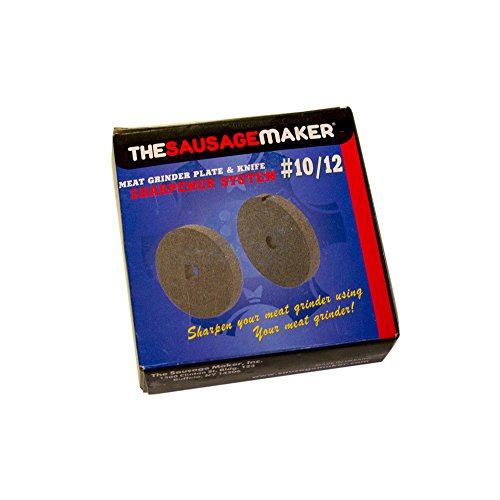
The Sausage Maker Meat Grinder Knife and Plate Sharpening System (Coarse Grind, #10/12 Meat Grinder Knife and Plate Sharpening Sys)
Sharpen Grinder Knives and Plates at Home
As an affiliate, we earn on qualifying purchases.
As an affiliate, we earn on qualifying purchases.
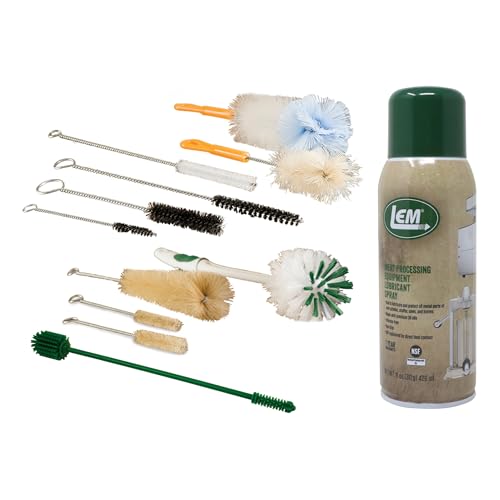
LEM Products Stuffer Cleaning Kit, Includes 10 Brushes, Dual-End Silicone Brush, and 11 Oz. Food-Grade Lubricant Spray
Maintenance Made Easy: This stuffer cleaning kit has the tools you need to properly clean and maintain your…
As an affiliate, we earn on qualifying purchases.
As an affiliate, we earn on qualifying purchases.