Balancing fresh air and energy use in your building means managing a tradeoff: increasing ventilation improves indoor air quality but raises energy costs, while reducing it saves money but risks stale air and health issues. Adaptive systems like demand-controlled ventilation and energy recovery devices can help you find the right balance by adjusting airflow based on occupancy and air quality. If you want to discover ways to optimize this balance efficiently, there’s more to explore.
Key Takeaways
- Increasing ventilation improves air quality but raises energy consumption due to additional heating or cooling requirements.
- Demand-controlled ventilation adjusts airflow based on occupancy or air quality, reducing unnecessary energy use.
- Energy recovery systems like ERVs reclaim energy from exhausted air, minimizing additional heating or cooling needs.
- Better insulation and efficient HVAC systems lower the energy impact of increased ventilation.
- Modern smart controls optimize ventilation rates in real-time, balancing air quality with energy efficiency.
Balancing the need for fresh air with energy efficiency is a common challenge in building ventilation. You want to guarantee the air inside your space is clean and healthy, but at the same time, you need to keep energy costs manageable. When you increase ventilation to improve air quality, you often end up consuming more energy because of the additional heating or cooling required to condition the incoming air. Conversely, reducing ventilation saves energy but can compromise the air quality, leading to stale air, higher CO₂ levels, and potential health issues. The key is finding a balance that maintains a comfortable environment without skyrocketing utility bills.
Balancing fresh air and energy efficiency is key to healthy, cost-effective building ventilation.
In your efforts to optimize air quality, you might consider ventilation systems that adapt based on occupancy or air quality sensors. These systems can increase airflow only when needed, conserving energy during low-occupancy periods. For example, demand-controlled ventilation adjusts the amount of fresh air based on real-time measurements of CO₂ or other pollutants, making sure you’re not wasting energy on unnecessary ventilation. This approach helps you maintain good air quality while keeping energy use in check, preventing your utility bills from spiraling out of control.
Energy efficiency plays a vital role because heating, cooling, and ventilating large volumes of outside air demand considerable energy. When outdoor air is cold or hot, conditioning it to comfortable indoor temperatures consumes additional power. If your building has poor insulation or inefficient HVAC systems, the energy tradeoff becomes even more pronounced. You may find yourself caught in a cycle where increasing ventilation to improve air quality causes energy bills to rise sharply, making it harder to strike a sustainable balance. Additionally, utilizing energy recovery ventilators (ERVs) can significantly mitigate these challenges by reclaiming energy from exhausted air, thereby reducing the overall energy demand for conditioning incoming air. Incorporating smart ventilation controls can further optimize airflow by adjusting ventilation based on real-time data, enhancing both energy savings and air quality. Understanding the energy consumption of various systems can help you make informed decisions about which technologies to invest in for long-term savings. Moreover, integrating energy-efficient systems can lead to substantial reductions in operational costs over time. Exploring innovative ventilation technologies can also provide additional pathways to enhance efficiency while ensuring healthy indoor air quality.
Smart solutions can help you manage this tradeoff effectively. Heat recovery ventilators (HRVs) or energy recovery ventilators (ERVs) reclaim some of the energy from exhausted air to pre-condition incoming air. This technology greatly reduces the energy needed to heat or cool fresh air, allowing you to improve air quality without sacrificing energy efficiency. By investing in such systems, you can maintain healthier indoor environments and control your energy costs simultaneously.
Ultimately, it’s about understanding your building’s specific needs and applying targeted strategies that optimize both air quality and energy use. You need to be proactive, using modern technology and intelligent systems to achieve an environment that’s both healthy and cost-effective. If you pay attention to how ventilation impacts energy consumption and air quality, you can create a space that feels fresh and stays affordable to operate over time.

Variable Frequency Drive (VFD), Used with Demand Control Ventilation and Smart Control Electrical Panels (3 HP Max., 200/240 V, Single or Three Phase Input)
AC Tech Model # ESV222N02YXB571
As an affiliate, we earn on qualifying purchases.
As an affiliate, we earn on qualifying purchases.
Frequently Asked Questions
How Does Climate Affect Ventilation and Energy Tradeoffs?
Climate variability impacts your ventilation and energy tradeoffs by making it harder to balance fresh air intake with energy efficiency. In hot or cold weather, you face ventilation challenges because maintaining indoor comfort requires more heating or cooling, which increases energy use. Mild climates make it easier to ventilate naturally without high energy costs, but extreme climates demand more energy to keep indoor air fresh while managing climate control, complicating your choices.
What Are the Health Impacts of Poor Ventilation?
Poor ventilation can seriously harm your health, with indoor pollutants causing headaches, fatigue, and respiratory issues. Did you know that indoor air can be up to five times more polluted than outdoor air? When air circulation is weak, harmful particles like mold, dust, and chemicals accumulate, increasing allergy risks and worsening asthma symptoms. Ensuring proper ventilation helps clear these pollutants, protecting your lungs and overall well-being.
Can Smart Technology Optimize Ventilation and Energy Efficiency?
Yes, smart technology can optimize ventilation and energy efficiency. You can use smart sensors to monitor air quality, humidity, and CO2 levels in real-time. Automated controls then adjust ventilation rates accordingly, ensuring you get enough fresh air without wasting energy. This system helps maintain a healthy indoor environment while reducing energy consumption, making your space more comfortable and environmentally friendly.
How Does Building Age Influence Ventilation Strategies?
You might think older buildings have poor ventilation, but many actually feature robust natural airflow thanks to traditional building materials and designs. Modern ventilation systems often struggle to retrofit effectively, making age a key factor in strategy. You need to assess the building’s materials and existing systems, then tailor ventilation solutions that respect its age, ensuring fresh air without wasting energy. The building’s age truly shapes your approach.
What Are Cost-Effective Solutions for Balancing Air Quality and Energy Use?
You can improve indoor air quality while saving energy by upgrading to energy-efficient ventilation systems that meet current ventilation standards. Using demand-controlled ventilation adjusts airflow based on occupancy, reducing energy use during low-traffic periods. Regularly maintaining filters and sealing leaks also helps. Installing air purifiers and encouraging natural ventilation when weather permits further enhances indoor air quality without substantially increasing energy costs.

Aprilaire V22BEC Energy Recovery Ventilator (ERV), 120 CFM Air Exchanger for Homes up to 6,000 Sq. Ft. – Whole-House Fresh Air Ventilation System (HRV/ERV) with Wall, Ceiling, or Floor Mount Bracket
HEALTHY INDOOR AIR – Replaces stale indoor air with fresh outdoor air to improve Indoor Air Quality throughout…
As an affiliate, we earn on qualifying purchases.
As an affiliate, we earn on qualifying purchases.
Conclusion
As you navigate the delicate dance between fresh air and energy use, remember every breath you take is a gift—vital and fleeting. Balancing these forces is like tending a fragile garden; too much effort drains your resources, yet too little leaves your space vulnerable. Embrace the harmony, and let your choices nurture a sanctuary where breath and energy coexist in beautiful balance, turning your home into a haven that breathes with life and warmth.
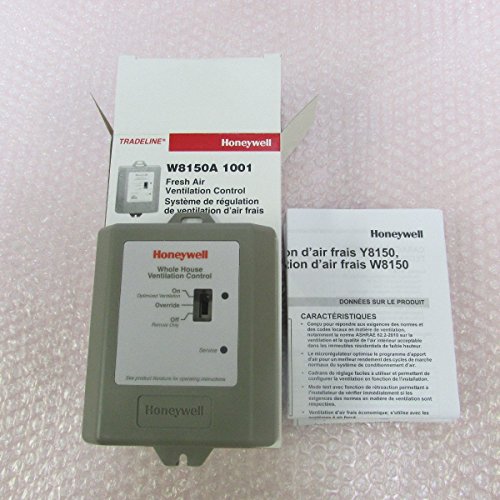
Honeywell Fresh Air Ventilation Control W8150A1001
Designed to help meet local ventilation codes and standards, including ASHRAE 62.2-2010 standard, Ventilation and Acceptable Indoor Air…
As an affiliate, we earn on qualifying purchases.
As an affiliate, we earn on qualifying purchases.

GoveeLife Smart Air Quality Monitor with PM2.5, WiFi, Temperature & Humidity Sensors, LED Display, 2s Refresh, 2-Year Data Storage, for Home & Office Wired
High Accuracy & Fast Refresh Data: With this smart sensor, the PM2.5 accuracy is ±15 µg/m³ while temperature…
As an affiliate, we earn on qualifying purchases.
As an affiliate, we earn on qualifying purchases.