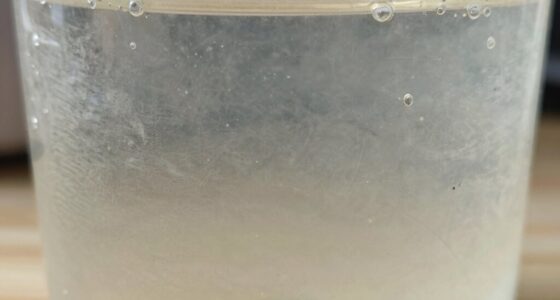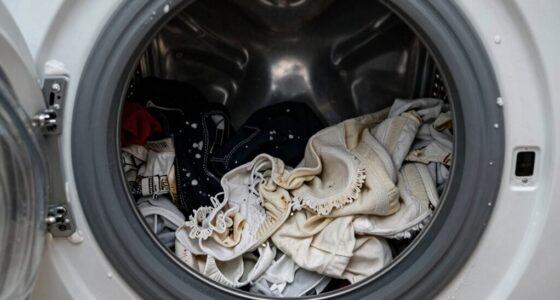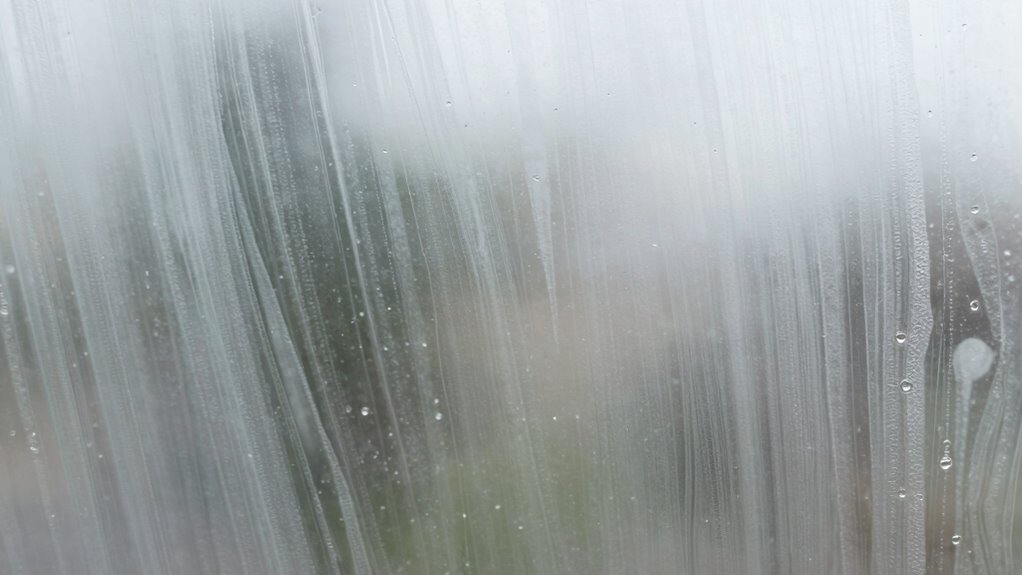

Even in soft water homes, soap residue can hide and cause stubborn films and bacteria buildup. It’s not just minerals that cause deposits—chemical reactions between soap ingredients and surfaces often create films that cling, especially in quick-evaporating areas like sinks and showers. Regular cleaning and proper rinsing help prevent this. If you keep exploring, you’ll discover how understanding these chemical reactions can keep your home cleaner and residue-free.
Key Takeaways
- Soft water can still produce soap residue due to chemical reactions with surfaces, oils, and residues.
- Lack of minerals like calcium doesn’t prevent soap scum; reactions with soap ingredients cause buildup.
- Regular cleaning with vinegar or gentle cleaners helps prevent residue formation in soft water homes.
- Residues can harbor bacteria and become harder to remove over time if not regularly cleaned.
- Proper water treatment and plumbing maintenance reduce surfaces for soap residues to cling to.
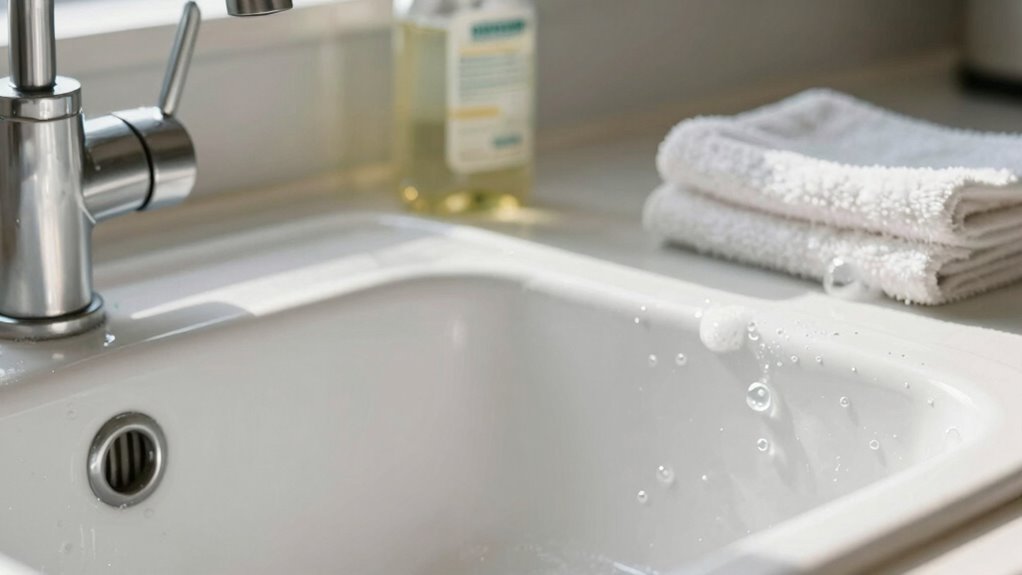
Even in homes with soft water, soap residue can still be a persistent problem. You might think that soft water, which lacks minerals like calcium and magnesium, would prevent soap scum from forming, but that’s not always the case. Soap residue often results from chemical reactions between soap ingredients and the surfaces or residues left behind from previous cleaning efforts. When soap mixes with oils, dirt, or even water, it creates a film that clings to surfaces, especially in areas where water tends to evaporate quickly, like sinks or shower doors. This film isn’t just unsightly; it can also harbor bacteria, making it a real nuisance to clean.
Soap residue in soft water homes results from chemical reactions with surfaces, oils, and residues, creating stubborn, bacteria-harboring films.
To combat soap residue effectively, you need to understand the chemical reactions involved. Many soap formulations contain surfactants that are designed to break down oils and dirt, but these surfactants can also react with residues on surfaces or with each other under certain conditions. For example, if your cleaning routine involves using products that contain minerals or other additives, they can interact with soap, creating stubborn films or deposits. These chemical reactions can be subtle but impactful, especially over time, leading to a buildup that’s difficult to remove with simple rinsing. Using the right cleaning techniques can help prevent these reactions from occurring or worsening. Additionally, understanding the specific chemical interactions involved can help you choose more effective cleaning agents. Moreover, employing proper cleaning techniques can significantly reduce the formation of this residue.
Maintaining a clean home in soft water requires some strategic maintenance tips. First, regular cleaning with the right products can prevent the buildup of soap residue. Use a mixture of vinegar and water or a gentle all-purpose cleaner that won’t react negatively with soap residues or leave behind new deposits. It’s also important to wipe down surfaces after each use, especially in the shower or on sinks, to prevent soap from drying into a film. Additionally, prevent soap from becoming a source of residue by choosing the right type of soap—preferably one formulated for soft water, which is less likely to leave deposits.
Another key is to keep your plumbing and fixtures in good shape. Mineral deposits can sometimes build up in pipes or on fixtures, providing a surface where soap residues can cling. Regular maintenance, like descaling and inspecting for buildup, can keep your plumbing functioning properly and minimize soap residue formation. Proper water quality and the use of appropriate water treatment methods can significantly reduce the likelihood of soap scum. Regularly checking for buildup in your plumbing can help catch issues early before they contribute to residue problems. Furthermore, incorporating water softening devices can help mitigate the effects of mineral deposits and improve overall water quality. By understanding the chemical reactions at play and following these maintenance tips, you can keep your home cleaner and free from that annoying soap residue, even in a soft water environment.

Mighty Mint Vinegar Cleaner, All-Purpose Spray, Spearmint Scent, 16oz
- Multi-Purpose Cleaning Spray: Removes grease, dirt, and grime
- Simple, Proven Ingredients: Effective in real-world use
- Vinegar and Spearmint Oil: Made with US-grown ingredients
As an affiliate, we earn on qualifying purchases.
As an affiliate, we earn on qualifying purchases.
Frequently Asked Questions
Can Soap Residue Cause Skin Irritation in Soft Water Homes?
Yes, soap residue can cause skin irritation in soft water homes. When residual soap isn’t properly rinsed away, it can lead to skin sensitivity and irritation. To prevent this, you should focus on thorough residue removal during bathing or washing. Using less soap and ensuring complete rinsing helps minimize soap buildup. This way, you reduce the risk of irritation and keep your skin healthier and more comfortable.
How Does Soap Residue Affect Washing Machine Longevity?
Imagine your washing machine as a trusty steed—soap residue is like dirt that can wear it down. Residue buildup from poor detergent efficiency causes parts to work harder, leading to more wear and tear. Over time, this can shorten your machine’s lifespan and increase maintenance needs. To keep it running smoothly, clean your machine regularly, use the right detergent, and avoid excess soap.
Are There Specific Soaps That Leave Less Residue in Soft Water?
Yes, you can choose alternative soap formulations that leave less residue in soft water. Look for eco-friendly cleaning methods and soaps labeled as low-residue or phosphate-free. These options are designed to rinse more thoroughly, reducing soap buildup. By switching to such products, you’ll help prevent soap residue from lingering in your washing machine and on your clothes, extending the machine’s life and ensuring cleaner, fresher laundry every time.
Does Soap Residue Contribute to Indoor Air Quality Issues?
Yes, soap residue can affect indoor air quality by releasing residue particles into the air. When soap doesn’t rinse away completely, tiny particles linger on surfaces and become airborne, especially during cleaning or drying. These residue particles can irritate your lungs or worsen allergies. To improve air quality, opt for soaps that produce less residue, ventilate your space well, and clean surfaces regularly to minimize airborne residue particles.
Can Soap Residue Buildup Be Prevented With Special Cleaning Techniques?
Yes, you can prevent soap residue buildup by using special cleaning techniques. Start by regularly performing chemical reactions with vinegar or baking soda to break down residue. Use a microfiber cloth or soft scrub brush for effective residue removal, ensuring all surfaces are thoroughly cleaned. Additionally, rinse surfaces with clean water after cleaning to prevent soap scum from accumulating. Consistent maintenance with these methods keeps your home residue-free and enhances indoor air quality.

Lysol Power Limescale Remover Bathroom Cleaner Spray, Hard Water Stain Remover, Disinfecting Multipurpose Cleaner for Shower & Bathtub, Tough on Lime & Calcium, 0% Bleach, Atlantic Fresh Scent, 32oz
- Enhanced Lime & Calcium Removal: 2X cleaning power for tough buildup
- Removes Hard Water Stains: Fights mineral deposits and soap scum
- Disinfects 99.9% of Germs: Eliminates bathroom viruses and bacteria
As an affiliate, we earn on qualifying purchases.
As an affiliate, we earn on qualifying purchases.
Conclusion
Don’t let soap residue sabotage your sparkling sanctuary. Soft water might seem spotless, but sneaky buildup still persists. Stay vigilant, rinse thoroughly, and regularly clean to combat the creeping cause of grime. By being mindful and meticulous, you’ll master the art of maintaining a pristine, residue-free home. Remember, small steps make a significant difference—so stay sharp, stay spotless, and keep your space shining bright!

Scrubbing Bubbles Bathroom and Shower Cleaner Disinfectant Spray, Bathroom Grime Fighter, Citrus Scent, 32oz
- Product Size: 32oz spray bottle
- Eco-Friendly Packaging: Made from recycled materials
- Effective Cleaning: Removes soap scum and grime
As an affiliate, we earn on qualifying purchases.
As an affiliate, we earn on qualifying purchases.

Zep Home Pro 2-in-1 Foaming Soap Scum Eliminator and Preventer, Morning Dew Scent, R54006-32 Fl Oz -Bleach-Free Formula
- Dual Action Formula: Eliminates and prevents soap scum
- Gentle Yet Effective: Removes soap scum without harsh fumes
- Versatile Use: Suitable for showers, tubs, tiles, sinks
As an affiliate, we earn on qualifying purchases.
As an affiliate, we earn on qualifying purchases.