The one drain pattern that signals a larger blockage is persistent slow drainage across multiple fixtures. When sinks, toilets, and tubs all drain slowly, it suggests a blockage in the main sewer line rather than a single pipe issue. Ignoring these signs can lead to backups or overflows. Spotting this early helps you prevent costly repairs. To learn more about how to catch these signs early and keep your plumbing running smoothly, keep exploring.
Open a free Amazon Business account
Business pricing, bulk buying and tax-exempt orders.
As an affiliate, we earn on qualifying purchases.
Key Takeaways
- Persistent slow drainage in multiple fixtures often indicates an impending larger blockage.
- Gradual drainage slowdown over time can signal developing blockages deeper in the plumbing system.
- Unusual gurgling sounds during drainage may predict a significant clog forming downstream.
- Water backing up or overflowing in secondary drains suggests a major impending blockage.
- Consistent drain backups after simple clearing efforts can indicate an early sign of a larger problem.
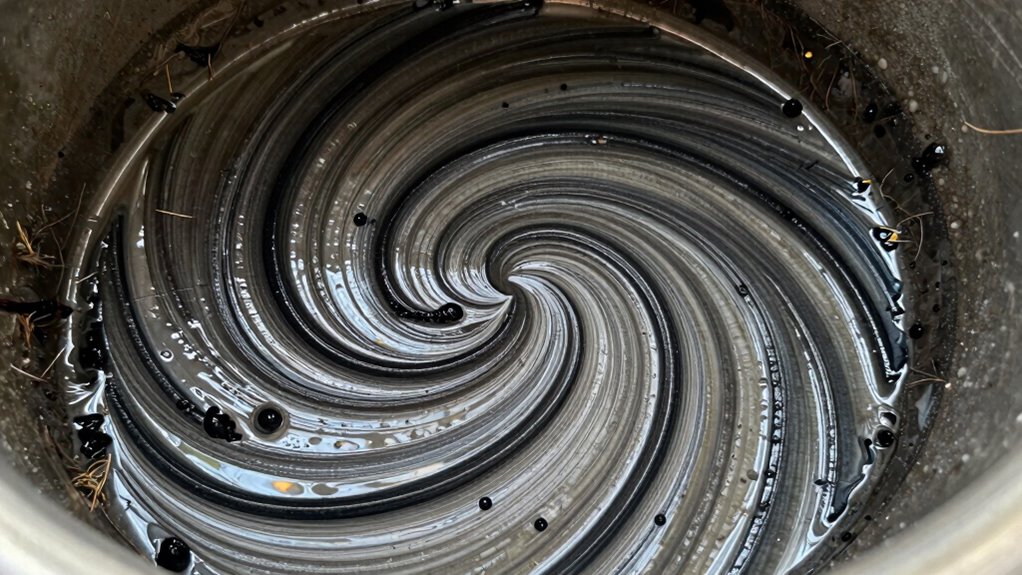
If you’ve ever noticed a slow-draining sink or a backed-up toilet, you might be overlooking a key sign that a larger blockage is on the way. Recognizing this pattern early can save you from costly repairs and extensive plumbing work later. One of the most telling signs is when you see water draining sluggishly in multiple fixtures, especially if it happens consistently. This pattern indicates a developing problem that’s more than just a simple clog. It’s essential to pay attention because the underlying issue could be a significant blockage further down the line, which, if ignored, might lead to overflowing drains or backups in other parts of your home.
Slow drainage in multiple fixtures signals a potential major blockage ahead. Address it early to prevent costly repairs.
Understanding common causes helps you address the root of the problem before it worsens. Usually, slow drainage occurs because of grease buildup, hair, soap scum, or debris accumulating in pipes. These substances tend to stick to the pipe walls over time, gradually narrowing the passage and impeding water flow. Sometimes, tree roots infiltrate underground pipes, causing blockages that aren’t immediately obvious. Other causes include improper flushing, such as flushing non-degradable items or excessive toilet paper, which can form stubborn clogs. Recognizing these common causes helps you take effective maintenance tips, like avoiding pouring grease down the drain or using drain covers to catch hair and debris.
Your maintenance tips should include regular inspections and preventative measures. For instance, periodically running hot water through your drains can help melt away grease and soap scum. Using enzymatic cleaners can break down organic buildup without damaging your pipes. Installing drain screens or traps can catch hair and large debris before they cause blockages. If you notice persistent slow drainage, don’t ignore it—take action early by removing visible obstructions or calling a plumber for a more thorough inspection. It’s also wise to avoid chemical drain cleaners, as they can corrode your pipes over time, exacerbating the problem. Additionally, pipe deterioration can contribute to obstructions and should be monitored during inspections. Regular plumbing system maintenance can help identify early signs of deterioration and prevent future issues. Detecting early signs of blockage buildup can significantly reduce the risk of major plumbing failures.
This pattern of slow drainage isn’t just an inconvenience—it’s a warning sign. If you catch it early, your maintenance tips can help prevent a full-blown clog that might lead to costly repairs. Paying attention to these subtle signs, understanding common causes, and practicing regular maintenance can keep your plumbing running smoothly. Recognizing the importance of preventative maintenance is key to avoiding unexpected plumbing emergencies and prolonging the life of your pipes. In the end, listening to your drains means saving yourself from bigger headaches down the line.
As an affiliate, we earn on qualifying purchases.
Frequently Asked Questions
How Often Should Drain Patterns Be Inspected for Early Blockage Signs?
You should inspect drain patterns regularly as part of routine drain maintenance, ideally every three to six months. By paying close attention to pattern analysis, you can spot early signs of blockage before they worsen. Frequent inspections help you identify small changes in flow or buildup, allowing for timely interventions. Consistent pattern analysis ensures your drains stay clear and functioning effectively, preventing costly repairs and major blockages down the line.
Can Drain Patterns Indicate the Type of Blockage Present?
Yes, drain patterns can indicate the type of blockage present. By analyzing drain flow and pattern changes during inspections, you can identify whether a blockage is caused by grease buildup, debris, or a more serious issue like tree roots. Pattern analysis helps you spot irregular flow or backup signs, giving you clues about the specific cause. Monitoring these patterns regularly allows you to address problems early and prevent costly repairs.
What Tools Are Best for Monitoring Drain Flow Patterns?
Imagine watching your drain flow like a river, revealing hidden clues. You should use tools like camera-based pipe inspection systems and flow meters to monitor drain flow patterns effectively. These tools help you visualize blockages, identify slowdowns, and understand flow changes. By inspecting pipes visually and measuring flow rates, you gain precise insights, enabling you to detect issues early and prevent larger problems from developing down the line.
Do Certain Drain Patterns Predict Specific Blockage Causes?
Yes, certain drain flow patterns can predict specific blockage causes through pattern recognition. For instance, slow drainage combined with recurring clogs might suggest grease buildup, while sudden complete blockages could indicate a foreign object. By analyzing drain flow patterns, you can better identify whether buildup, foreign objects, or root intrusion is the issue. Recognizing these patterns helps you take targeted action, preventing more serious problems and maintaining efficient drain function.
How Reliable Are Drain Pattern Analyses Compared to Other Detection Methods?
Drain pattern analyses are quite reliable when it comes to detection accuracy, especially if you notice consistent patterns over time. You can trust these patterns to give you early signs of potential issues, but they’re most effective when combined with other detection methods like CCTV inspections or chemical tests. Consistent pattern recognition enhances your ability to predict blockages early, reducing costs and preventing major plumbing failures.
As an affiliate, we earn on qualifying purchases.
Conclusion
Keep a close eye on that one drain. If you notice a slow drain or persistent gurgling, don’t ignore it—something bigger might be lurking beneath the surface. Imagine the moment you finally realize that tiny, almost invisible pattern was warning you all along. Now, as the blockage grows, it’s just waiting to burst, flooding your space with chaos. Stay vigilant, catch it early, and prevent what could become a costly, messy disaster.
enzyme drain cleaner for organic buildup
As an affiliate, we earn on qualifying purchases.
As an affiliate, we earn on qualifying purchases.
As an affiliate, we earn on qualifying purchases.
Flea & tick season Picks
flea and tick prevention
As an affiliate, we earn on qualifying purchases.