
Plumbing problems start at the lowest level because water and waste naturally flow downward due to gravity, pushing blockages, debris, and pressure issues into the easiest and most vulnerable spots. When a clog occurs, it quickly affects higher fixtures if not addressed early. Ground shifts and soil erosion can also displace pipes, worsening the problem. If you want to understand how these issues spread and how to prevent them, you’ll find useful details as you explore further.
Key Takeaways
- Blockages in lower drains cause backups that quickly affect higher-level fixtures due to interconnected pipes.
- Waste and debris accumulate faster in lower drains, leading to pressure buildup and faster problem spread.
- Ground movement and soil erosion destabilize underground pipes, causing misalignments and leaks that worsen system issues from the bottom up.
- Increased pressure from clogs and pipe displacement begins at the lowest points, propagating issues upward through the plumbing network.
- Foul odors and slow drains in lower levels serve as early indicators, signaling problems that can quickly impact the entire system.

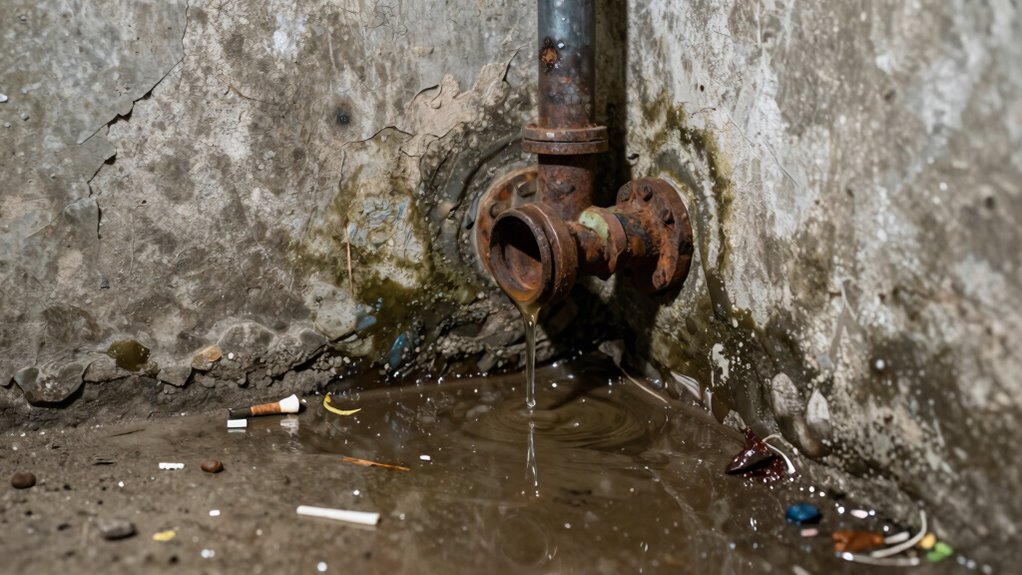
When a clog or a broken pipe occurs down there, the water can’t drain properly and begins to back up. This backup can cause slow-running or gurgling drains in sinks, tubs, and toilets on higher floors. Over time, the accumulation of debris, grease, or tree roots invading underground pipes worsens these drainage problems. As the blockage intensifies, pressure builds behind the obstruction, increasing the likelihood of leaks or pipe bursts. You may also notice foul odors emanating from lower drains, signaling that waste isn’t moving as it should. These issues tend to escalate rapidly because the lower-level problems directly impact the entire plumbing system, forcing you to act quickly before more extensive damage occurs. Recognizing how water pressure fluctuations contribute to the spread of problems can help in early detection and prevention. Additionally, understanding how ground movement can shift underground pipes is crucial for timely maintenance and avoiding costly repairs. Being aware of soil erosion around underground pipes can also prevent unexpected pipe displacements that lead to further complications. Moreover, fluctuations in soil stability can cause underground pipes to shift or crack, exacerbating existing issues and leading to more severe damage. Proper drainage management is essential in minimizing these risks and maintaining a healthy plumbing system.

Tiiyee Water Leakage Detection, Wall Pipe Leak Detector Underground Monitor
- Advanced Leak Detection: High sensitivity for underground pipes
- Wireless Sound Amplifier: Listen for subtle water leak sounds
- Easy to Use: Simple operation for leak detection
As an affiliate, we earn on qualifying purchases.
As an affiliate, we earn on qualifying purchases.
Frequently Asked Questions
How Can I Identify the Initial Point of a Plumbing Leak?
To identify the initial point of a plumbing leak, start with leak detection techniques like listening for dripping sounds or using moisture meters. Conduct a pipe inspection to look for visible signs such as water stains, mold, or corrosion. Pay close attention to low areas like basements or crawlspaces, since leaks often start there. Combining these methods helps you pinpoint the leak’s source quickly, preventing further damage.
What Are Common Signs of Plumbing Issues at the Lowest Level?
Like a silent tide, plumbing issues at the lowest level often show through persistent drain clogs and signs of pipe corrosion. You might notice slow drainage in sinks or toilets, or even foul odors emanating from the floor. Keep an eye out for water stains or damp patches on your ceiling or walls below. These clues point to deeper problems lurking beneath, signaling you should act before the situation worsens.
How Does Water Pressure Affect Spreading of Plumbing Problems?
Water pressure plays a vital role in how plumbing problems spread. When water flow is inconsistent or pressure fluctuates, it can weaken pipes, causing cracks or leaks that allow issues to spread from the lowest levels first. Low pressure can also lead to backups and clogs, which worsen if not addressed quickly. Maintaining steady water pressure helps prevent these problems from worsening and spreading throughout your plumbing system.
Can Plumbing Problems at Higher Levels Cause Issues Below?
Think of plumbing issues as ripples in a pond; problems at higher levels can send waves cascading downward. When you have water damage or mold growth upstairs, leaks or faulty pipes can seep into lower levels, causing unseen damage below. So, yes, problems at higher levels can definitely cause issues below, creating a hidden trail of water damage that leads to mold growth and costly repairs if left unchecked.
What Tools Are Best for Inspecting Hidden Plumbing Leaks?
For inspecting hidden plumbing leaks, you need effective tools like electronic leak detection devices and pipe inspection cameras. Leak detection tools help locate moisture and hidden leaks without invasive measures, while pipe inspection cameras allow you to visually examine pipes inside walls or underground. These tools give you accurate insights into the problem, saving you time and money on unnecessary repairs. Always choose high-quality equipment for reliable leak detection and thorough pipe inspection.
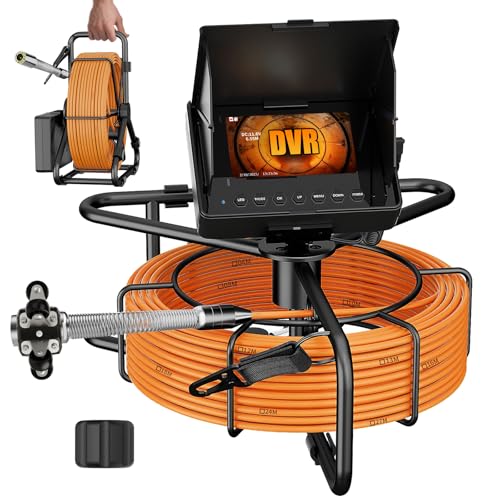
Sewer Camera 100ft, Drain Camera 4.3" with 23mm 1080P Probe, 8500mAh, 32GB Audio & Video Record, IP68 Waterproof for Plumbers, Drain Pipe & Industrial Inspection, Endoscope Camera with Light(12 LEDs)
- High-Definition Inspection: 1080P camera with night vision and wide-angle lens
- Built-in 32GB DVR: Record and playback videos and photos
- Durable Fiberglass Cable: 100ft anti-corrosion, cold-resistant, tensile cable
As an affiliate, we earn on qualifying purchases.
As an affiliate, we earn on qualifying purchases.
Conclusion
Did you know that over 80% of plumbing emergencies start at the lowest level of a building? That’s because water naturally flows downward, making leaks and blockages more likely to spread from the bottom up. By paying attention to your basement or ground floor plumbing, you can catch problems early and prevent costly damage. Stay vigilant, and don’t ignore small issues—they could be the first sign of a bigger problem waiting to happen.

35.5inch Drain Clog Remover(1pcs), 25inch Drain Snake Hair Remover(6pcs) & Cleaning Brush(2pcs), Hair Catcher Drain Auger Cleaner Tool Set For Toilet, Kitchen Sink, Bathroom Tub, Sewer, 9 Pack
- Excellent Length for Deep Pipes: 35.5-inch clog remover and 25-inch snake
- Complete Drain Cleaning Set: Includes drain snakes, clog remover, and brushes
- Flexible and Bendable Tools: Made of durable, flexible materials for easy use
As an affiliate, we earn on qualifying purchases.
As an affiliate, we earn on qualifying purchases.

Jute Erosion Control, Soil Saver Mesh Blanket – 48" Wide x 20 Yards (60 feet Long) – 240 Sq. Ft. Coverage
- Material: Premium biodegradable jute fabric
- Width: 48 inches wide
- Length: 20 yards long
As an affiliate, we earn on qualifying purchases.
As an affiliate, we earn on qualifying purchases.