Thicker anti-fatigue mats aren’t automatically more comfortable because support depends on design, materials, and ergonomics, not just thickness. A low-quality, overly thick mat can cause instability or tripping, while a well-designed thinner mat provides better support and balance. Durable materials and thoughtful surface features promote natural movement and proper posture. If you want to understand what truly makes a comfortable, supportive mat, you’ll find key insights if you keep exploring.
Key Takeaways
- Proper ergonomic design and material quality are more important than thickness for overall comfort.
- Thick mats made from low-quality materials can cause instability and uneven support.
- The support and surface texture, not just thickness, influence slip resistance and safety.
- Well-designed, thinner mats can provide better comfort and stability than thick, poorly made ones.
- Material durability affects long-term support and comfort more than the mat’s thickness.

If you spend long hours standing, anti-fatigue mats can make a significant difference in your comfort and productivity. But before selecting one, it’s essential to understand that thickness alone doesn’t determine how effective or comfortable a mat truly is. Instead, factors like ergonomic design and material durability play crucial roles in providing real relief. An ergonomic design ensures that the mat supports your feet, legs, and back in ways that reduce strain and fatigue. It’s about more than just cushioning; it’s about aligning your posture and promoting natural movement. When a mat features an ergonomic shape and surface, it encourages proper weight distribution, helping to prevent aches and discomfort that often come from prolonged standing.
Proper ergonomic support and durable design are key for effective anti-fatigue mats.
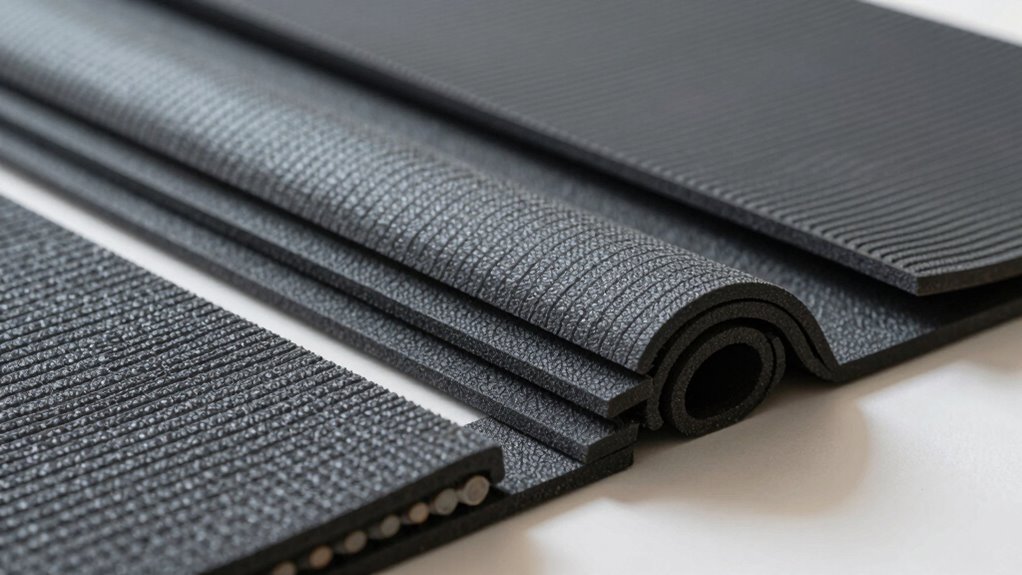
Material durability is equally vital in choosing an anti-fatigue mat. You need a surface that withstands the demands of daily use without deteriorating or losing its supportive qualities. High-quality materials like reinforced rubber or commercial-grade foam resist wear and tear, ensuring your investment lasts. A durable mat maintains its resilience over time, providing consistent support that won’t flatten or become uneven. This durability is especially important if you work in environments with heavy foot traffic, spills, or exposure to chemicals. The right material also affects the mat’s ability to absorb shock and reduce vibration, contributing further to your comfort during long shifts.
Many people assume that thicker mats automatically mean better comfort, but that’s not always true. A thicker mat might seem plush and inviting, but if it’s made from low-quality material or lacks an ergonomic contour, it could actually hinder your comfort. Thicker mats can sometimes cause instability or uneven surfaces, which might lead to tripping or increased fatigue. Conversely, a well-designed mat with optimal thickness, combined with high-quality, durable materials, offers a balanced support system. It cushions your feet while maintaining stability, allowing you to stand comfortably for longer periods without feeling exhausted.
Additionally, consider how the design of the mat integrates with your workspace. An ergonomic design often includes textured surfaces that prevent slipping, even if the mat gets wet. The material choice also influences cleaning and maintenance, so selecting a durable, easy-to-clean surface ensures your mat remains functional and hygienic over time. Remember, the goal isn’t just to add padding but to create a supportive environment that promotes better posture, reduces fatigue, and enhances overall well-being. In the end, choosing an anti-fatigue mat rooted in ergonomic principles and made from durable materials will serve you far better than simply opting for a thick, cushy surface.
Being aware of ergonomic principles can help you make a more informed choice that truly improves comfort.
Frequently Asked Questions
How Long Do Anti-Fatigue Mats Typically Last?
Anti-fatigue mats typically last between 1 to 3 years, depending on usage and care. You can expect durability to decline with frequent heavy foot traffic or exposure to harsh chemicals. To maximize lifespan, inspect your mat regularly and clean it properly. Replacement frequency varies, but it’s wise to replace your mat when it shows signs of significant wear or damage, ensuring you maintain safety and comfort in your workspace.
Are Anti-Fatigue Mats Suitable for Outdoor Use?
Yes, anti-fatigue mats are suitable for outdoor use if they feature weather resistance and slip resistance. You should look for mats made with durable, weatherproof materials that withstand rain, sun, and temperature changes. Additionally, slip-resistant surfaces help prevent accidents on wet or uneven surfaces. By choosing mats designed for outdoor conditions, you guarantee safety and longevity, making them a practical solution for outdoor workspaces or entryways.
Can Anti-Fatigue Mats Improve Productivity?
Yes, anti-fatigue mats can boost your productivity by reducing fatigue and discomfort. When you choose mats with ergonomic design and high-quality materials, you create a more comfortable workspace that encourages longer, focused periods of activity. This comfort helps you stay alert and efficient throughout the day. Investing in well-made mats guarantees you experience lasting support, ultimately enhancing your overall work performance and well-being.
What Maintenance Is Required for These Mats?
You should clean your anti-fatigue mats regularly, ideally weekly, to prevent dirt and debris buildup that can cause slipping. Use a damp cloth or mild detergent for routine cleaning. Check wear indicators often to spot signs of damage or thinning, which signal it’s time to substitute the mat. Proper maintenance ensures safety and longevity, keeping your workspace comfortable and productive.
Are There Eco-Friendly Anti-Fatigue Mat Options?
Yes, you can find eco-friendly anti-fatigue mats made from recyclable materials and biodegradable options. Imagine stepping onto a mat that not only eases fatigue but also nurtures the environment—this is possible with sustainable choices. These mats help reduce waste and pollution, making your workspace greener. By choosing eco-conscious options, you support a healthier planet while enjoying the comfort and durability you need.
Conclusion
Remember, thicker mats might seem more comfortable, but they can actually hinder your comfort and safety. Sometimes, a thinner, well-designed mat offers better support and reduces fatigue more effectively. Don’t be fooled by size alone—it’s about quality and design. Just like a sturdy cushion can outperform a plush pillow, the right thickness balances firmness and comfort. So, choose wisely, and prioritize effective support over mere thickness for true relief.