Drywall anchors hold weight by expanding or gripping behind the drywall to create a secure attachment point that the drywall alone can’t support. Plastic expansion anchors spread load through their expanding wings, while toggle bolts use wings that open behind the wall to distribute weight evenly. Threaded anchors screw directly into the drywall for medium loads. Choosing the right anchor type and size guarantees your items stay secure without damaging the wall—if you want to learn more, keep exploring what makes each anchor effective.

Prime made for students and young adults
- Fast, free delivery for dorm and study essentials
- Prime Video and Amazon Music included
- Member-only deals
Key Takeaways
- The type of drywall anchor determines its weight capacity and load distribution.
- Properly sized anchors ensure maximum support without damaging the drywall.
- The installation method, including drilling and secure screwing, directly affects holding strength.
- Larger or toggle-style anchors spread weight over a broader area for heavier objects.
- Correctly installed anchors transfer weight load from the item to the drywall and underlying structure.
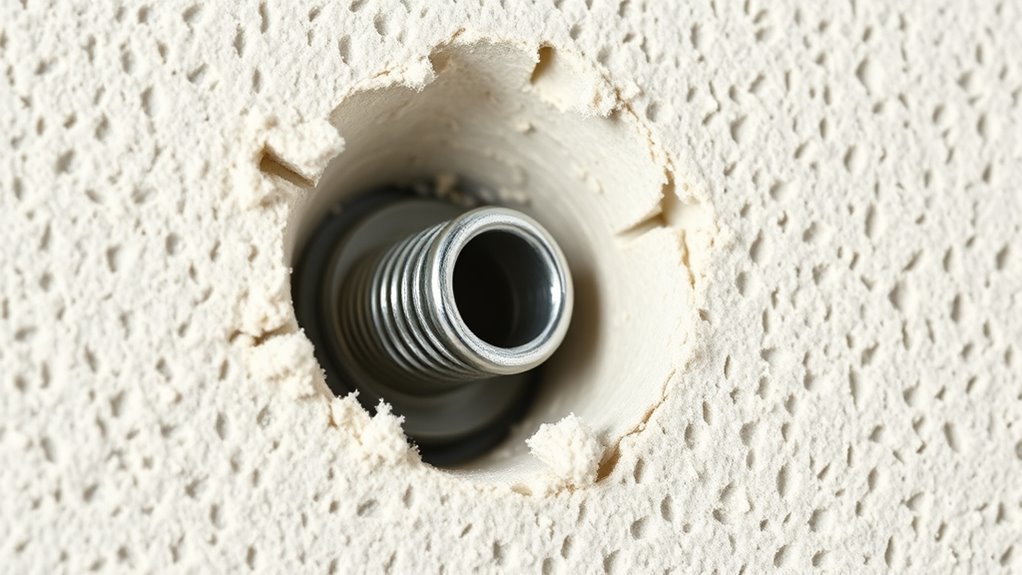
Have you ever struggled to hang a picture or shelf on drywall without the right support? It’s frustrating when your wall decor keeps falling or tilting because the anchors just aren’t holding. The secret lies in understanding drywall anchors — what types and sizes work best, and how to install them properly. Knowing these details guarantees your hangings stay secure and your walls remain undamaged.
Drywall anchors come in various types and sizes, each designed for different weights and applications. The most common types include plastic expansion anchors, toggle bolts, and threaded drywall anchors. Plastic expansion anchors are suitable for lightweight objects like small picture frames or decorations. They expand behind the drywall as you screw into them, providing decent support for light loads. Toggle bolts or wing anchors are better for heavier items because they spread the load over a larger area, thanks to their expanding wings that open behind the drywall. Threaded drywall anchors, also called screw-in anchors, combine ease of installation with reliable support for medium-weight objects. When selecting the size, consider the weight of what you’re hanging. Smaller anchors are perfect for lightweight items, while larger, more robust anchors are necessary for heavier shelves or mirrors.
Drywall anchors vary by type and size, supporting everything from lightweight decor to heavy shelves.
Additionally, understanding innovative European cloud servers can help improve the durability and security of your digital infrastructure, just as choosing the right drywall anchor ensures the stability of your physical hangings.
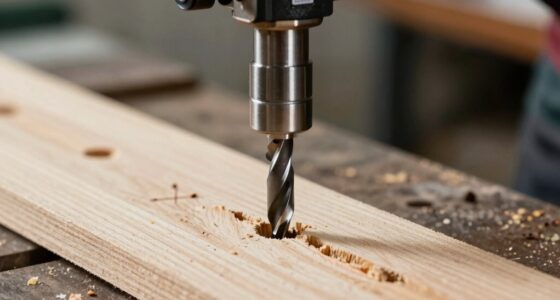
Installation tips are essential to making sure your drywall anchors do their job. First, choose the right type and size for your project. Measure the weight of your item and consult the packaging or manufacturer’s instructions to match it with an appropriate anchor. Before installing, mark the exact spot where you want to hang your item. Use a level to ensure precision. When drilling the hole, pick a drill bit that matches the size recommended for your anchor. This guarantees the anchor fits snugly without damaging the drywall. For plastic expansion anchors, insert them gently and tap lightly if needed, then screw in your screw until the anchor is flush with the wall. For toggle bolts, fold the wings, insert through the hole, then tighten the screw to expand the wings behind the drywall. Threaded anchors are often installed by screwing directly into the drywall, but make sure the hole is appropriately sized to prevent splitting or slipping.
Proper installation not only increases the weight capacity but also prevents damage to your drywall. Avoid over-tightening, which can crack the drywall or pull the anchor out. Additionally, always check the weight limit specified on the packaging. If you’re hanging something particularly heavy, consider using multiple anchors or switch to more substantial hardware like molly bolts or stud-mounted supports. By choosing the right types and sizes and following these installation tips, you’ll guarantee that your hangings stay secure, and your walls stay intact.
drywall anchors for heavy shelves
As an affiliate, we earn on qualifying purchases.
As an affiliate, we earn on qualifying purchases.
Frequently Asked Questions
How Much Weight Can Different Drywall Anchors Support?
Different drywall anchors support varying weights, from lightweight plastic anchors holding about 10 pounds to heavy-duty metal toggles supporting up to 100 pounds. When comparing types, consider your load needs and follow installation tips for each. For lighter items, plastic anchors work well, but for heavier ones, use toggle or molly anchors. Always verify manufacturer guidelines to guarantee your chosen anchor can safely support your intended weight.
Are There Specific Anchors for Heavy-Duty Items?
Think of heavy-duty drywall anchors as the superheroes of your wall—they’re designed for the big jobs. Yes, there are specific types and sizes, like toggle bolts and molly bolts, that can handle heavier loads. When installing, follow proper tips: drill appropriately, make sure a snug fit, and avoid overloading. These anchors will hold your heaviest items securely, making your setup both safe and reliable.
Can Drywall Anchors Be Reused After Removal?
Yes, you can often reuse drywall anchors after removal, but it depends on the type. When you do anchor removal, be gentle to avoid wall damage, and consider wall repair if the hole gets too big. Plastic anchors usually stay in good shape for reuse, but metal ones might be damaged during removal. Always inspect the anchor and wall to determine if reinstallation is possible.
What Are the Signs of an Anchor Failing?
Like a sinking ship, your anchor shows signs of failure when it pulls away from the wall, wobbles, or the item tilts. You should check installation tips and compare materials—plastic anchors may crack under weight, while metal ones hold better. If the anchor feels loose or the screw spins without tightening, it’s time to replace it. Always choose the right anchor for your wall type to prevent future issues.
Do Drywall Anchors Damage the Wall Over Time?
Drywall anchors typically won’t damage your wall over time if you choose the right type and install them properly. However, improper use or frequent alternative mounting can cause wear or small holes. To prevent damage, check your anchors regularly and perform anchor maintenance by tightening or replacing them as needed. Using high-quality anchors designed for your weight load minimizes potential harm and keeps your wall looking good long-term.
As an affiliate, we earn on qualifying purchases.
Conclusion
Now you know what really holds weight in drywall. Choosing the right anchor isn’t just about convenience; it’s about ensuring your items stay put and your wall stays intact. Remember, not all anchors are created equal—some are worth their weight in gold, while others fall flat. So, don’t put all your eggs in one basket. With the right knowledge, you’ll be able to hang with confidence and never be caught between a rock and a hard place.
plastic expansion drywall anchors
As an affiliate, we earn on qualifying purchases.
As an affiliate, we earn on qualifying purchases.
As an affiliate, we earn on qualifying purchases.
Fall Picks
fall essentials
As an affiliate, we earn on qualifying purchases.