
📊 Full opportunity report: AI Voice Clones Licensing Hub: Managing Rights With Ease on IdeaNavigator AI — validation score, market gap, and execution plan.

Prime made for students and young adults
- Fast, free delivery for dorm and study essentials
- Prime Video and Amazon Music included
- Member-only deals
TL;DR
A licensing hub for voice actors’ AI clones has been introduced to simplify rights management and project approvals. This development addresses current licensing challenges amid growing commercial use of synthetic voices.
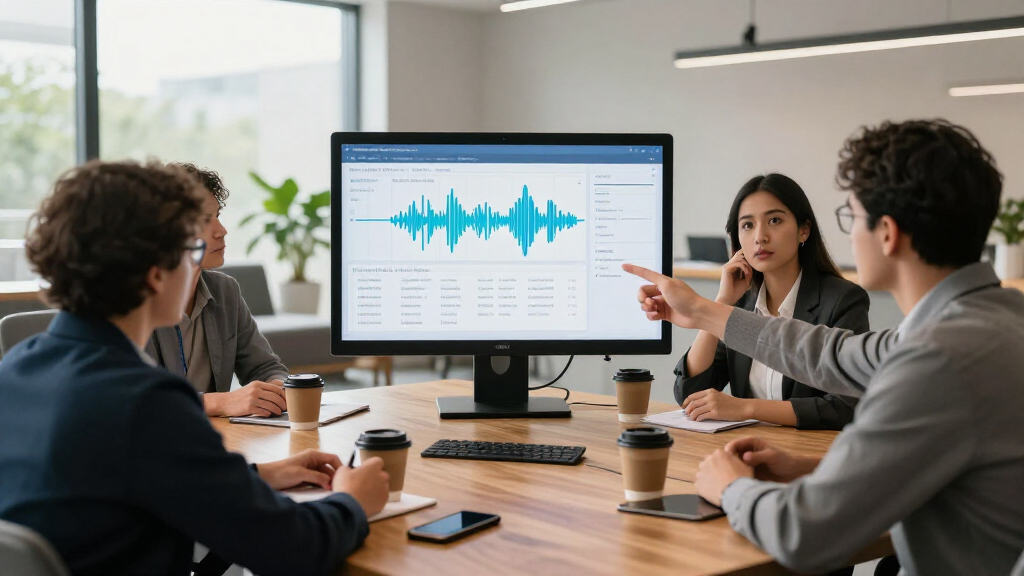
A licensing and approvals hub for voice actors’ AI clones has been introduced to provide a structured, auditable process for managing voice rights, addressing a key gap in the growing synthetic voice market. The platform is designed specifically for professional voice actors to set licensing terms, approve projects, and track payments efficiently, reducing reliance on ad hoc email agreements.
The platform, currently in testing, allows voice actors to create license listings that specify allowed use cases, banned categories, and per-project rates. Buyers can submit project requests, which voice actors can approve or reject with a single click. Approved uses are logged automatically, and payment terms are recorded, creating a transparent, enforceable licensing process. The system intends to generate revenue through a percentage commission on each licensing transaction.
This initiative responds to the increasing commercial viability of AI voice cloning and the recent legal and union attention to voice consent, scope, and compensation. It aims to provide a scalable, auditable solution for rights management that can be tested with a small group of voice actors and initial project requests.
Streamlining Voice Rights Management for AI Cloning
This platform could significantly impact how voice rights are licensed and managed in the AI era, reducing legal uncertainties and improving transparency for voice actors and buyers. As AI voice cloning becomes more prevalent, structured licensing tools are essential to ensure fair compensation and clear usage boundaries, aligning industry practices with emerging legal standards.
AI voice cloning licensing software
As an affiliate, we earn on qualifying purchases.
As an affiliate, we earn on qualifying purchases.
Growing Need for Structured Licensing in Voice AI
AI voice cloning has advanced rapidly, with commercial applications expanding across media, entertainment, and advertising. Currently, licensing often occurs through informal agreements, leading to potential disputes and lack of clear audit trails. Recent union and legal discussions emphasize the importance of consent, scope, and fair pay for synthetic voices, creating an urgent need for formal licensing mechanisms. This hub represents an early step toward addressing those needs, testing a workflow that could become industry standard.
“This licensing hub could be a game-changer in establishing transparent rights management for synthetic voices.”
— an anonymous researcher
voice actor rights management platform
As an affiliate, we earn on qualifying purchases.
As an affiliate, we earn on qualifying purchases.
Unclear How Widely the Platform Will Be Adopted
It is not yet clear how many voice actors will participate in the initial testing phase or how quickly the platform will scale. The effectiveness of the licensing workflow in real-world projects and its ability to enforce rights remain to be validated through actual use cases and broader industry engagement.
As an affiliate, we earn on qualifying purchases.
Next Steps: Pilot Testing and Industry Feedback
The platform is currently in a pilot phase, involving ten voice actors with existing AI clones. The next steps include gathering feedback from these users, refining the licensing process, and measuring the volume of project requests routed through the system. If successful, wider industry adoption and potential integration with other rights management tools could follow.
As an affiliate, we earn on qualifying purchases.
Key Questions
How does the licensing hub improve current voice rights management?
The platform provides a structured, auditable process for licensing, allowing voice actors to set clear terms, approve projects easily, and track payments automatically, reducing reliance on informal agreements.
Will this platform be available to all voice actors?
The initial testing is limited to ten voice actors, but if successful, broader availability and industry adoption are planned.
How does the platform generate revenue?
It plans to take a percentage commission on each approved licensing transaction.
What legal or industry challenges might affect adoption?
Legal standards around consent, scope, and fair compensation for synthetic voices could influence how quickly the platform becomes a standard tool in the industry.
Can this system prevent licensing disputes?
By creating an auditable, enforceable record of licensing terms and project approvals, it aims to reduce disputes and improve compliance.
Source: IdeaNavigator AI
Fall Picks
fall essentials
As an affiliate, we earn on qualifying purchases.