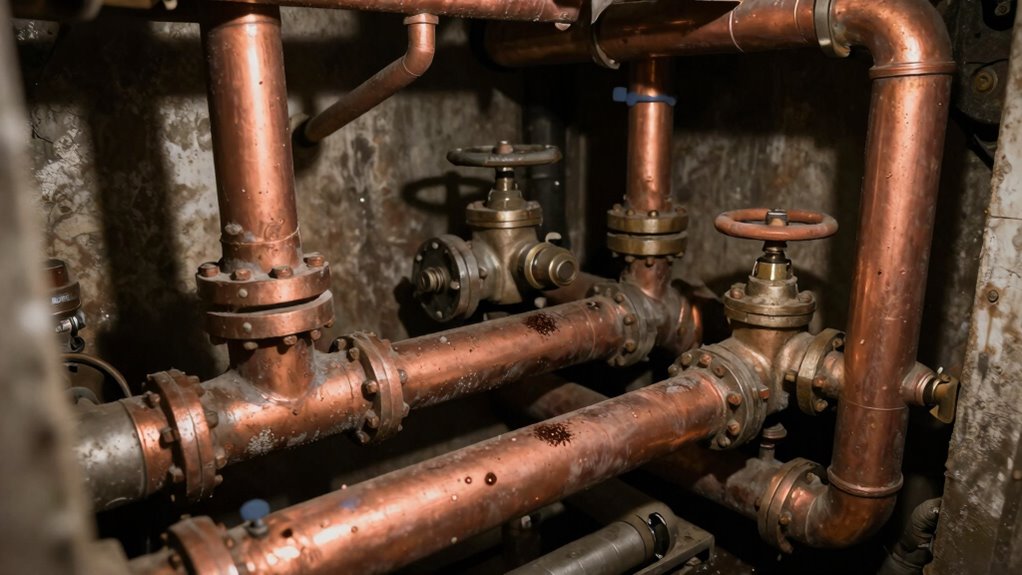

Your hot water arrives slowly because of inefficient plumbing layout issues like long pipe runs, excessive bends, and poor insulation, which cause heat loss and delays. When pipes are poorly routed or far from the water heater, hot water takes longer to reach fixtures. Insulation helps retain heat, but proper pipe placement and minimizing pipe length are key to faster delivery. Keep exploring to discover even more ways to improve your hot water system effectively.
Get ready for Prime Big Deal Days — try Prime free
Exclusive member deals on October 6–7, plus fast free delivery. Cancel anytime.
As an affiliate, we earn on qualifying purchases.
Key Takeaways
- Long or convoluted pipe runs increase hot water travel time, causing delays.
- Poor insulation leads to heat loss, extending wait times for hot water.
- Low water pressure reduces flow rate, worsening delay issues.
- Distant placement of the water heater from fixtures prolongs hot water delivery.
- Inefficient plumbing layouts with unnecessary bends hinder hot water flow and speed.
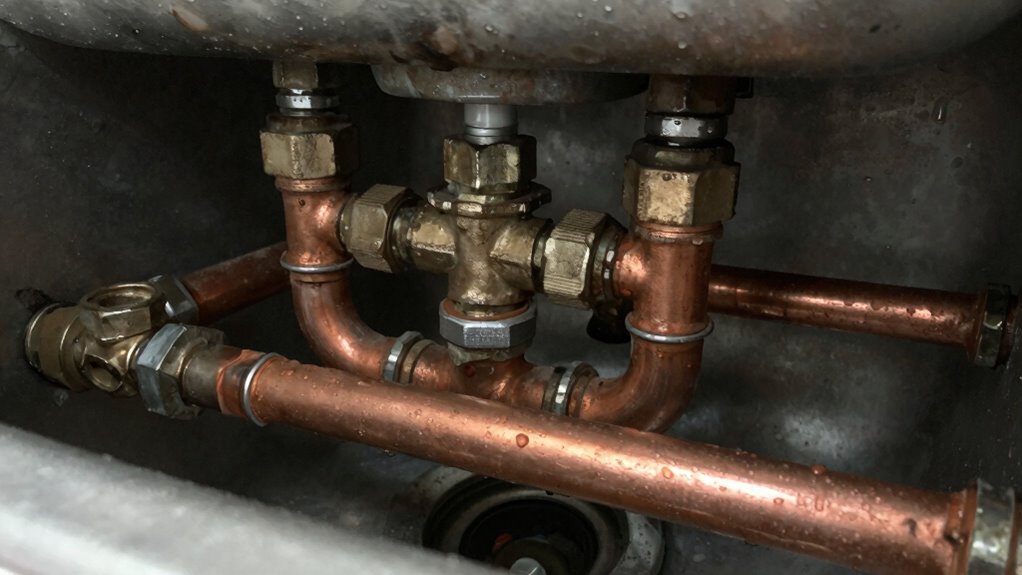
If your hot water takes too long to reach your faucet, the culprit often lies in the plumbing layout. When water travels a long distance from your heater to your tap, it cools down along the way, which means you’re waiting longer for hot water. The layout of your pipes plays a crucial role here. If your pipes are run through uninsulated or poorly insulated areas, the heat dissipates quickly, adding to the delay. Installing pipe insulation can substantially cut down on this wait, helping hot water stay warmer as it moves through the system. Insulation creates a barrier against heat loss, so your water arrives at the faucet closer to the desired temperature, reducing the time you spend waiting. Additionally, efficient plumbing design can significantly improve flow and reduce wait times. Another factor to evaluate is water pressure. Low water pressure can make the flow sluggish, stretching out the time it takes for hot water to reach your faucet. When pressure drops, water moves more slowly through the pipes, and the delay becomes even more noticeable if the pipes are lengthy or contain multiple bends. Ensuring your water pressure is adequate can improve flow, but if the layout is inefficient—like having pipes that are excessively long or laid out in a convoluted path—no amount of pressure boost will fully solve the problem. Properly designing your plumbing layout to minimize pipe length and avoid unnecessary twists helps water travel faster. Additionally, the placement of your water heater influences how quickly hot water arrives at your tap. If your heater is located far from the main usage points, you’ll naturally experience longer wait times. While this isn’t solely a layout issue, it underscores the importance of strategic placement. If relocating the heater isn’t an option, you might consider installing point-of-use water heaters near the faucets that need hot water most frequently, drastically reducing wait times. Understanding hot water delivery as part of your plumbing system helps identify areas for improvement and optimize performance. Moreover, considering the insulation of pipes during any renovation or upgrade can prevent heat loss from the outset. Properly planned plumbing layout can also help prevent unnecessary bends and long pipe runs that contribute to heat loss and slow flow. Additionally, using advanced flow optimization techniques, such as installing flow restrictors or pressure balancing valves, can further enhance efficiency. In the end, addressing slow hot water delivery requires a combination of tactics. Improving your plumbing layout by shortening the distance between the heater and fixtures, properly insulating pipes to prevent heat loss, and maintaining adequate water pressure all work together to deliver hot water faster. Recognizing how the layout impacts flow and temperature loss allows you to take targeted steps to make your hot water system more efficient. Whether through insulation or layout redesign, these adjustments can make your daily routines more comfortable and convenient.
pipe insulation for hot water lines
As an affiliate, we earn on qualifying purchases.
As an affiliate, we earn on qualifying purchases.
Frequently Asked Questions
How Can I Identify if My Plumbing Layout Is Causing Slow Hot Water?
To determine if your plumbing layout causes slow hot water, check for long pipe runs and minimal insulation, which delay heat transfer. Inspect faucet aerators, as clogged ones restrict flow, adding to delays. Proper pipe insulation keeps hot water warmer longer, reducing wait times. If you notice slow hot water after these checks, consider consulting a plumber to evaluate your layout’s efficiency and make necessary adjustments.
What Are Common Signs of Plumbing Layout Issues Affecting Hot Water Flow?
Did you know that poor pipe routing affects over 60% of homes with hot water issues? Signs of plumbing layout problems include noticeable delays in hot water reaching fixtures, uneven water temperature, and frequent temperature fluctuations. You should also check fixture placement—if your hot water pipe runs are too long or poorly routed, it causes delays. These signs indicate that your pipe routing and fixture placement may need adjustments to improve flow.
Can Plumbing Layout Problems Be Fixed Without Major Pipe Replacement?
Yes, you can fix plumbing layout problems without major pipe replacement. Improving pipe insulation can help retain hot water temperature and reduce wait times, while adjusting water pressure can enhance flow efficiency. Sometimes, rerouting or adding new fixtures to optimize the layout is sufficient. Consulting a plumber allows you to identify the best solutions, ensuring quicker hot water delivery without the need for extensive pipe replacements.
How Does Pipe Material Influence Hot Water Delivery Speed?
The pipe material greatly impacts hot water delivery speed because different materials have varying levels of pipe insulation and water pressure retention. Copper pipes, with better insulation, deliver hot water faster, while plastic ones may delay due to less insulation. Poor water pressure can also slow flow, regardless of material. Ensuring proper pipe insulation and maintaining ideal water pressure helps improve hot water delivery speed effectively.
What Maintenance Steps Can Improve Hot Water Flow in Existing Plumbing?
You can improve hot water flow by insulating your pipes to reduce heat loss and keep water hotter longer, which encourages better flow. Check for and remove any flow restrictors if they’re unnecessarily limiting water volume. Regularly flush your system to clear mineral buildup, and consider upgrading old pipes to smoother materials. These steps help maintain ideal water flow, ensuring hot water reaches your fixtures faster and more efficiently.
As an affiliate, we earn on qualifying purchases.
Conclusion
So, next time you’re stuck waiting for hot water, remember it’s not just a matter of turning a tap. Your plumbing layout might be stuck in the stone age, causing delays that even a time traveler would find frustrating. Fixing this isn’t rocket science, but it does require a bit of modern thinking. Don’t let slow hot water turn your daily routine into a quest—upgrade your plumbing and enjoy the flow, just like in the good old days.
plumbing layout optimization kit
As an affiliate, we earn on qualifying purchases.
As an affiliate, we earn on qualifying purchases.
As an affiliate, we earn on qualifying purchases.
NFL season / tailgating Picks
team gear
As an affiliate, we earn on qualifying purchases.