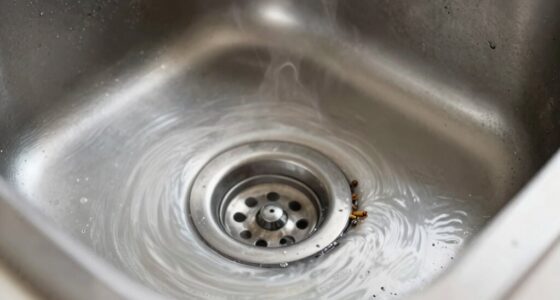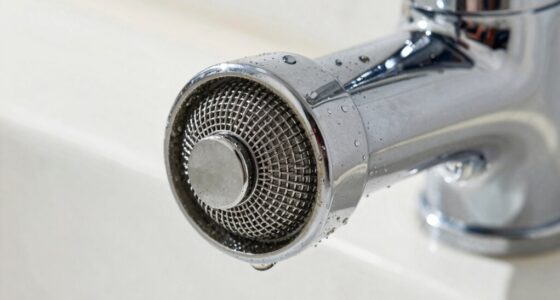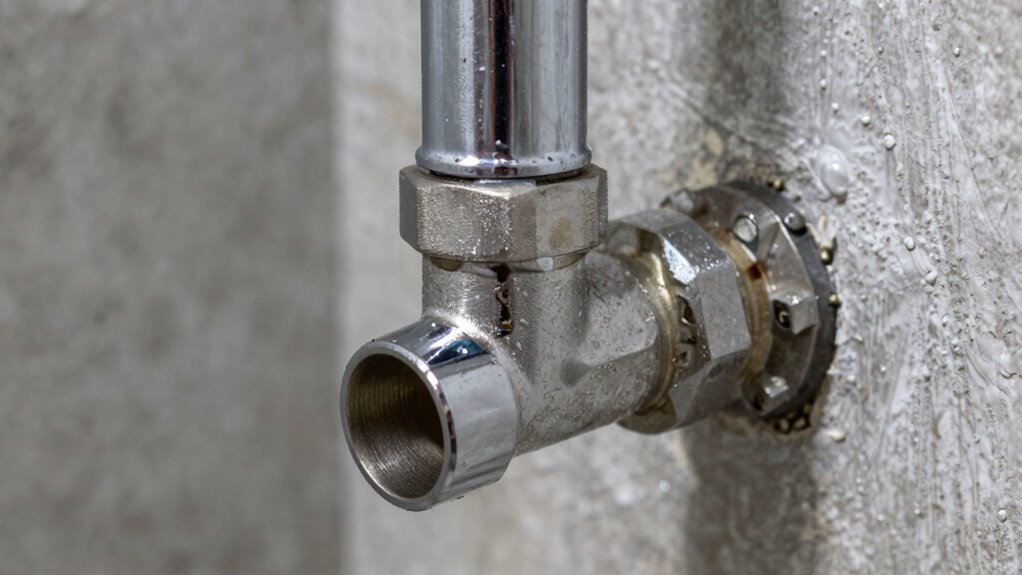

A sudden or sustained drop in water pressure can be a key sign of a bigger plumbing issue. It might be caused by leaks, pipe corrosion, or blockages that restrict flow. Small pressure drops often signal underlying problems, like hidden leaks or corrosion that worsen over time. Ignoring these clues can lead to water damage or costly repairs. Keep investigating these signs, and you’ll discover how early detection can save you money and prevent major damage.

Prime made for students and young adults
- Fast, free delivery for dorm and study essentials
- Prime Video and Amazon Music included
- Member-only deals
Key Takeaways
- A sudden, unexplained pressure drop often indicates a significant leak or pipe blockage.
- Gradual pressure decline may signal corrosion narrowing pipes, risking future failures.
- Inconsistent pressure levels suggest hidden leaks or issues with the water supply system.
- Damp spots or mold near pipes point to leaks causing pressure loss.
- Regular pressure testing helps detect early signs of pipe deterioration before major damage occurs.

If you notice a sudden drop in water pressure, it’s often a clear sign there’s an underlying plumbing problem. This pressure drop might seem minor at first, but it’s usually a warning sign that something more serious is happening inside your pipes. One common cause is leak detection issues. A small leak might not be immediately visible, but it can cause a significant reduction in water flow throughout your home. Over time, these leaks become harder to detect and can lead to water damage and increased utility bills. If you suspect a leak, it’s vital to inspect your plumbing system carefully, looking for damp spots, mold, or a sudden spike in your water bill. Addressing leaks early can save you money and prevent more extensive damage. Additionally, water quality can influence the rate of pipe corrosion, making regular testing important for early detection of issues. Regular water testing can help identify early signs of corrosion or other contaminants that may affect your pipes’ integrity. Another culprit behind pressure drops is pipe corrosion. Over years, pipes can corrode from the inside out, especially if they’re made from metal or have poor water quality. Corrosion narrows the pipe’s diameter, restricting water flow and causing pressure to drop. This process can be gradual or sudden, depending on the severity. If left untreated, pipe corrosion can weaken the entire plumbing system, leading to bursts or leaks that are more challenging and costly to repair. Regular inspections and water testing can help identify corrosion early. Recognizing early signs of plumbing degradation can help prevent catastrophic failures and ensure your home remains safe and functional. Also, understanding the effects of pipe material can help homeowners select more durable options during repairs or upgrades. The combination of leak detection and pipe corrosion can make diagnosing the issue tricky. Sometimes, corrosion causes small leaks that weaken the pipe further, creating a cycle that worsens over time. When you notice a pressure drop, it’s essential to evaluate both possibilities and seek professional plumbing help if needed. A plumber can perform a thorough assessment, including pressure tests and leak detection techniques, to pinpoint the exact problem. It’s also beneficial to understand the importance of regular maintenance in preventing these issues before they escalate. Ignoring these signs can lead to more extensive damage, such as burst pipes or water damage to your home’s foundation.
In any case, don’t dismiss a sudden pressure drop as a minor inconvenience. It’s your home’s way of signaling that something isn’t right. Timely leak detection and addressing pipe corrosion can save you money, prevent damage, and keep your plumbing system running smoothly. Recognizing these early signs is key to maintaining a healthy, efficient plumbing system and avoiding costly repairs down the line.
As an affiliate, we earn on qualifying purchases.
Frequently Asked Questions
How Can I Prevent Future Pressure Drops in My Plumbing System?
To prevent future pressure drops, you should regularly check your water flow and inspect pipes for corrosion. Installing a water pressure regulator can help maintain consistent flow. Avoid flushing debris or unnecessary substances that cause buildup. Schedule routine maintenance and consider replacing aging pipes before corrosion causes significant problems. Keeping your plumbing system well-maintained guarantees steady water flow and reduces the risk of pressure drops over time.
What Tools Are Best for Diagnosing Pressure Issues?
Think of diagnosing pressure issues like a detective searching for clues. You’ll want a reliable pressure gauge to measure fluctuations accurately, and diagnostic cameras to inspect hidden pipes for leaks or blockages. I once used a diagnostic camera that revealed a pipe crack behind the wall, saving me from costly repairs. These tools help pinpoint problems quickly, so you can fix issues before they escalate.
Can a Pressure Drop Indicate a Leak Elsewhere in the House?
Yes, a pressure drop can indicate a leak elsewhere in your house. When water flow decreases unexpectedly, it often suggests compromised pipe integrity or a hidden leak. Leaks reduce water pressure, affecting fixtures and appliances. To confirm, check for wet spots or damp areas. Addressing these leaks promptly helps prevent further damage and maintains proper water flow throughout your plumbing system.
How Often Should I Check My Plumbing for Pressure Problems?
You should check your plumbing for pressure problems at least twice a year. Water flow can decrease gradually, so regular pipe inspections help catch issues early. If you notice a sudden pressure drop or inconsistent flow, inspect your pipes sooner. Staying proactive ensures you catch potential leaks or blockages before they cause costly damage. Regular checks keep your plumbing system running smoothly and help maintain ideal water pressure throughout your home.
What Are the Risks of Ignoring a Consistent Pressure Drop?
Ignoring a consistent pressure drop risks reducing water flow and damaging pipe integrity over time. Low pressure can indicate hidden leaks or blockages that worsen if left unchecked. As pressure drops, your plumbing system works harder, increasing the chance of pipe bursts or leaks. Addressing the issue promptly maintains steady water flow, preserves pipe integrity, and prevents costly repairs, ensuring your plumbing stays reliable and efficient.
As an affiliate, we earn on qualifying purchases.
Conclusion
When you notice a sudden pressure drop, it’s like a silent alarm ringing in your plumbing system, warning you of a hidden problem. Ignoring it is like ignoring a small crack in a dam—you might prevent a leak today, but tomorrow, it could burst wide open. Stay vigilant, don’t dismiss the signs, and tackle the issue early. After all, a healthy plumbing system is the foundation of a worry-free home—don’t let small leaks become a tidal wave.
As an affiliate, we earn on qualifying purchases.
As an affiliate, we earn on qualifying purchases.
Halloween Picks
halloween
As an affiliate, we earn on qualifying purchases.