
If your soap doesn’t rinse clean, leaves a film on skin and clothes, or causes frequent clogs, your water’s likely harder than you think. White spots on fixtures, chalky deposits on dishes, and a metallic or bitter taste also hint at high mineral content. You might notice appliances working harder or increased energy bills. Interested in uncovering all the signs? Keep exploring to understand how hard water might be affecting your home.
Key Takeaways
- Persistent white stains on fixtures and dishes indicate mineral buildup from hard water.
- Soap not lathering well or leaving residue suggests hard water interference.
- Frequent clogs or slow drains signal mineral deposits inside pipes.
- Changes in water taste or a metallic, bitter flavor point to mineral content.
- Residual film on glassware and cloudy spots on ceramics are signs of mineral deposits.

Varify Water Hardness Test Kit – Water Testing Kit for Home, Drinking, Well, Spa, Swimming Pool, Softener, Dishwasher & More – Hard Water Test Strips for Calcium, Magnesium etc (0-425 pmm, 150 Strips)
- Protects Home and Health: Monitors water hardness to prevent damage
- Fast and Accurate Results: Provides reliable readings in seconds
- Easy-to-Read Color Chart: Large visual guide for quick results
As an affiliate, we earn on qualifying purchases.
As an affiliate, we earn on qualifying purchases.
Why Soap Sticks to Your Skin and Clothes
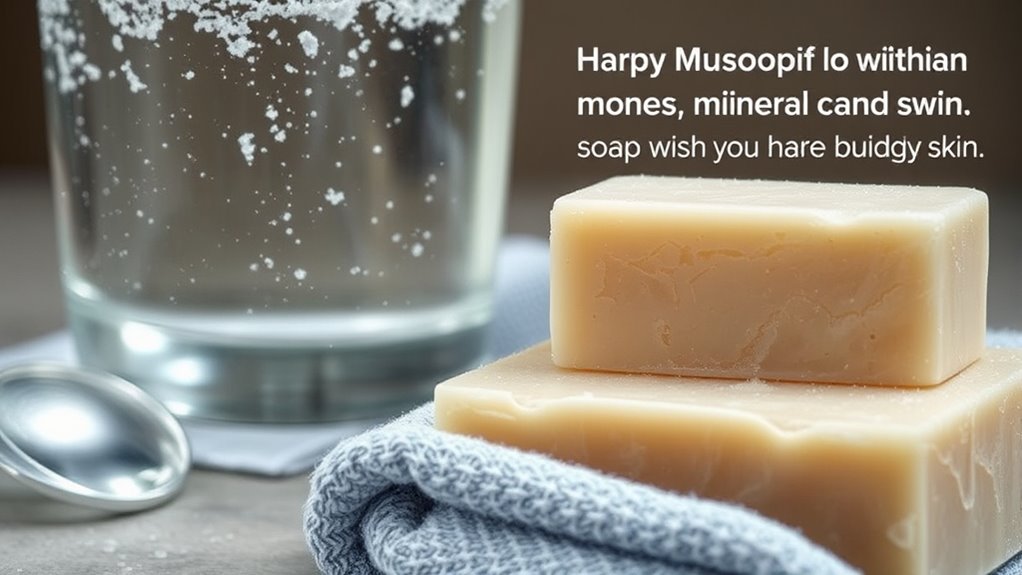
When your water is hard, soap doesn’t lather well and tends to stick to your skin and clothes. This results in soap residue lingering on your skin, which can cause irritation or dryness over time. Hard water minerals react with soap, forming a sticky film that’s difficult to rinse away completely. When soap residue remains, it can clog pores and lead to skin irritation, making your skin feel itchy or tight. Additionally, the presence of auditory processing challenges can make it harder to recognize subtle signs of skin irritation caused by residue. Recognizing these signs can help you determine if hard water is impacting your daily routine. Color accuracy in water quality can also influence how well soap interacts with your skin and fabrics, further complicating the issue. Moreover, water mineral content affects the effectiveness of soap and the likelihood of residue buildup, so testing your water can provide valuable information. Understanding water hardness levels can help you choose the right cleaning products and treatments to minimize residue and skin issues. Regular water testing can reveal the mineral composition, enabling better management of water quality for improved skin and fabric care.

Aquasure Harmony Series 48,000 Grains Whole House Water Softener w/High Efficiency Digital Metered Control Head (48,000 Grains)
- Designed for 3-4 Bathrooms: Provides soft water throughout your home
- High Efficiency Treatment: Removes 48,000 grains of hardness
- Multi-Stage Filtration: Eliminates 99% of water contaminants
As an affiliate, we earn on qualifying purchases.
As an affiliate, we earn on qualifying purchases.
The Role of White Stains on Fixtures and Dishes
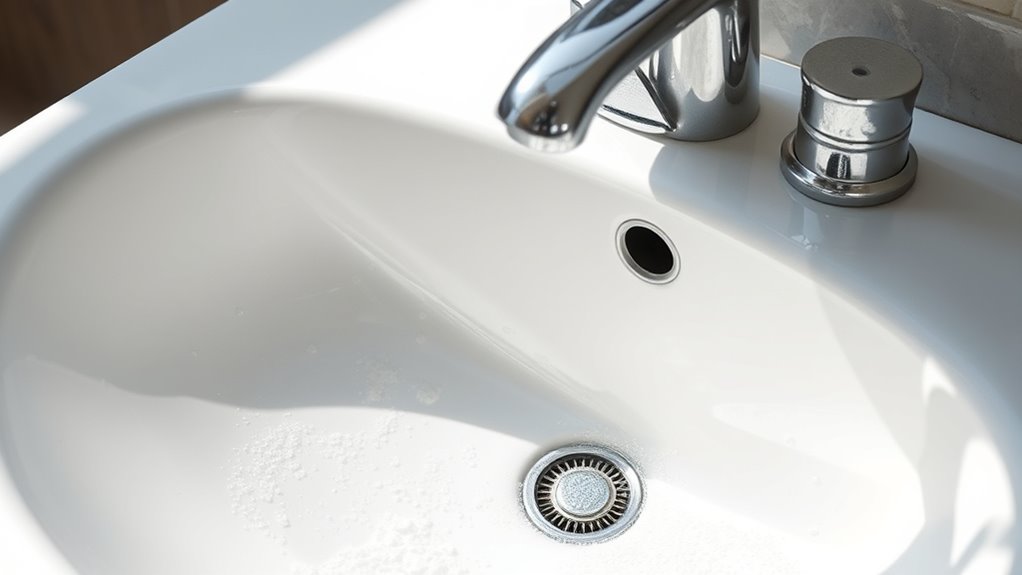
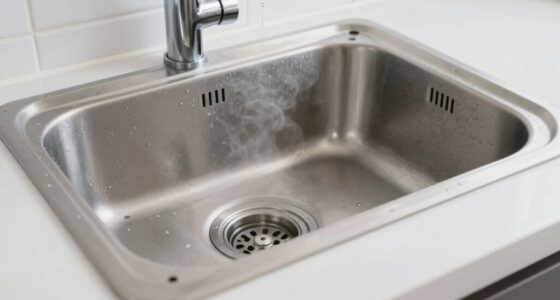
Ever notice white, chalky spots on your fixtures and dishes? Those white stains are a telltale sign of hard water. When mineral deposits from water build up, they create fixture spots that are tough to clean. Recognizing these signs helps you identify hard water issues early. Understanding deep-sky imaging techniques can also help in diagnosing water quality issues by analyzing mineral residue patterns. Here’s what to look for: 1. Persistent white stains that don’t wipe away easily 2. Fixture spots that reappear after cleaning 3. Cloudy film on glassware and ceramic surfaces. Identifying mineral deposits can give insights into your water’s composition and potential treatment options. These white stains are primarily caused by calcium and magnesium minerals in your water. Over time, they accumulate, leaving visible deposits. Addressing these fixture spots early can save you time and effort in cleaning and maintenance. Additionally, consulting water testing services can provide precise information about your water’s mineral content to guide effective solutions. Recognizing hard water signs early can help you take prompt action to prevent long-term damage and improve water quality, and understanding water softening methods can further assist in managing these mineral buildup issues.

Essential Values Distiller Cleaner Descaler – 2 LBS Citric Acid Cleaning Powder for Distilling Machines, Kettles – Remove Limescale & Mineral Buildup
- Product Type: Citric Acid Powder for Cleaning
- Quantity: 2 lbs, 20 uses
- Effective Cleaning: Removes mineral and limescale buildup
As an affiliate, we earn on qualifying purchases.
As an affiliate, we earn on qualifying purchases.
Hard Water’s Impact on Plumbing and Appliances
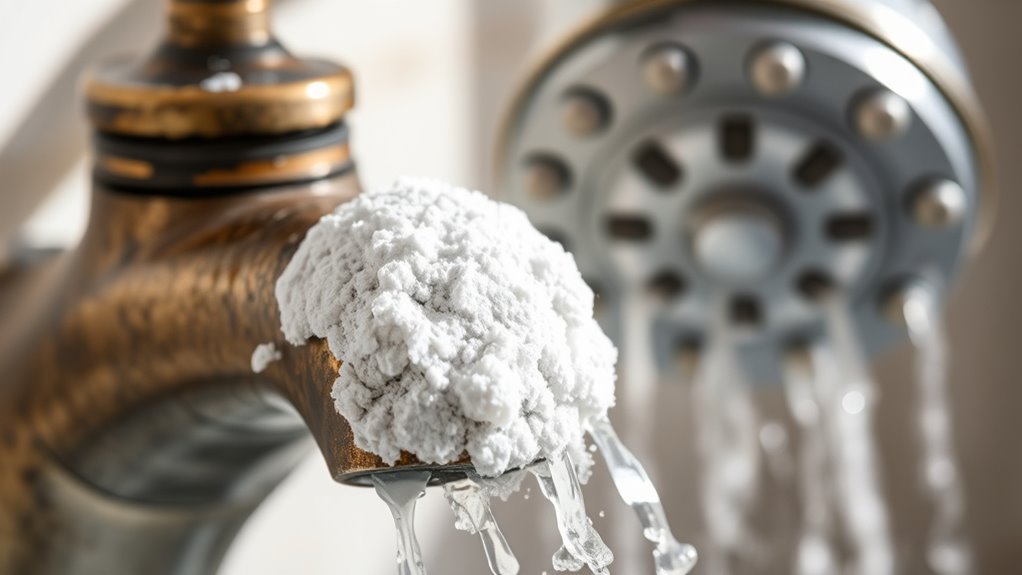
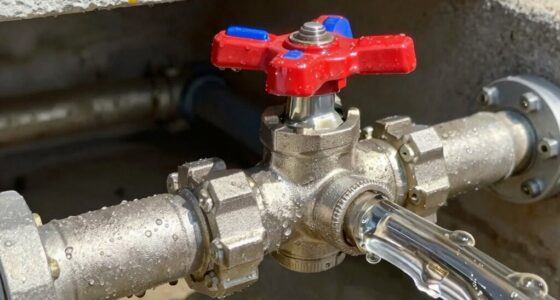
White stains on fixtures and dishes are just the surface signs of hard water’s broader effects. The high water mineral content, especially calcium and magnesium, contributes to buildup inside pipes and appliances. Over time, mineral deposits can restrict water flow and reduce efficiency. Plumbing corrosion becomes a real concern, as mineral scale can erode pipe material and lead to leaks or bursts. Appliances like water heaters, dishwashers, and washing machines work harder to compensate for mineral buildup, shortening their lifespan. You might notice increased energy bills or frequent repairs. Hard water’s impact isn’t just cosmetic; it causes significant wear and tear on your plumbing system and appliances, leading to costly repairs and replacements if left unaddressed. Regular maintenance and water softening solutions can mitigate these effects and extend the lifespan of your plumbing and appliances. Implementing proper water treatment methods can help prevent mineral accumulation and protect your home’s infrastructure. Addressing hard water early with whole-house systems can provide a comprehensive solution to safeguard your entire plumbing network, preventing mineral scaling from causing long-term damage, especially since mineral buildup can also contribute to corrosion within pipes.

Express Water Whole House Water Filter System, Ultimate Protection, 3-Stage
- Whole House Water Filtration: 3-stage process for entire home
- Comprehensive Contaminant Reduction: Reduces chlorine, heavy metals, and scale
- Durable Deluxe Filter System: Includes stainless steel bracket and stand
As an affiliate, we earn on qualifying purchases.
As an affiliate, we earn on qualifying purchases.
Changes in Water Taste and Odor
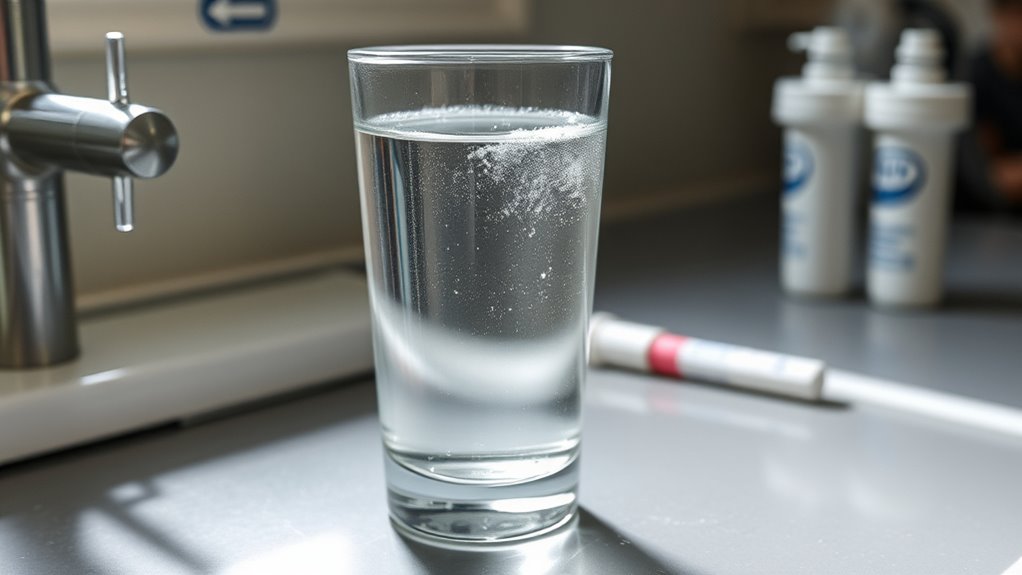
Hard water often alters the taste and smell of your drinking water, making it noticeable even before any visible signs appear. Increased water mineral content, especially calcium and magnesium, can give your water a metallic or bitter flavor. You might also notice an odor reminiscent of rotten eggs or dirt, indicating sulfur or other mineral presence. To improve this, consider water treatment methods like ion exchange or reverse osmosis that remove excess minerals. These methods help restore the natural taste and odor of your water. Additionally, recognizing signs of mineral buildup can help you determine if your water’s hardness is affecting its quality. Some signs of mineral buildup include deposits on fixtures, which are common indicators of hard water. Regular maintenance and water testing can help detect water hardness levels early before significant buildup occurs. Understanding water chemistry can further assist in identifying and addressing hardness issues effectively.
Recognizing Persistent Clogged Drains

Persistent drain clogs can be be a clear sign that mineral buildup from hard water is affecting your plumbing. Over time, water mineral buildup accumulates inside pipes, reducing water flow and causing frequent blockages. These clogs often persist despite using drain cleaners or plungers. If your drains clog repeatedly, it’s a sign your plumbing is battling mineral deposits. Additionally, mineral buildup can accelerate pipe corrosion, weakening pipe walls and increasing the risk of leaks or bursts. Recognizing these signs early helps you address underlying issues before costly repairs become necessary. Regular maintenance and water treatment solutions can prevent mineral accumulation, protecting your pipes from corrosion and ensuring smooth drainage. Water quality testing can help identify mineral levels and guide appropriate treatment. Understanding hard water effects is essential for maintaining plumbing health and preventing ongoing problems. Don’t ignore persistent clogs—they’re a telltale sign that your water might be harder than you think. Using specific water treatment methods such as glycolic acid solutions can help in reducing mineral deposits and maintaining plumbing integrity. Properly managing water hardness can extend the lifespan of your plumbing system and reduce maintenance costs. Additionally, employing water softening systems can effectively reduce mineral content and improve water quality over time.
Frequently Asked Questions
Can Hard Water Damage Your Skin Over Time?
Yes, hard water can damage your skin over time. It causes skin irritation and can worsen conditions like eczema, leading to flare-ups. The minerals in hard water strip away your skin’s natural oils, leaving it dry and sensitive. You might notice increased itching, redness, or rough patches. To protect your skin, consider using gentle cleansers, moisturizing regularly, and installing a water softener if hard water is a persistent issue.
Is Hard Water Responsible for Increased Energy Bills?
Hard water can indeed cause your energy bills to rise like a stubborn mountain. When minerals build up in your appliances and pipes, they force your water heater to work harder, wasting energy. Water softening helps clear these mineral deposits, boosting energy efficiency. By investing in softening systems, you’ll reduce strain on your appliances, save money, and keep your home running smoothly, like a well-oiled machine.
How Does Hard Water Affect Laundry Whiteness?
Hard water can cause your laundry to look duller and less white over time. The minerals in hard water react with soap, creating soap scum that clings to fabrics, making whites appear dingy. This buildup reduces brightness and can make your clothes seem faded. To combat this, consider using water softeners or special detergents designed for hard water, which help maintain whiteness and prevent fabric dullness.
Can Hard Water Cause Corrosion in Pipes?
Hard water can be a silent thief, slowly corroding your pipes. Yes, it causes pipe corrosion, which weakens your plumbing and leads to costly repairs. The minerals in hard water form deposits that eat away at pipe walls over time, causing leaks and plumbing damage. To protect your home, consider installing water softeners or regular maintenance to minimize mineral buildup and safeguard your plumbing system.
Are There Health Risks Associated With Drinking Hard Water?
Drinking hard water is generally safe, but mineral buildup can affect its taste and cause minor issues for some people. The high levels of calcium and magnesium might lead to a slightly bitter or metallic water taste. While these minerals aren’t harmful in typical amounts, excessive intake over time could strain your kidneys or worsen existing health conditions. It’s wise to monitor your water quality and consider filtration if taste or mineral buildup becomes bothersome.
Conclusion
Think of your water as a hidden villain quietly building a fortress inside your home. When you notice white stains, stubborn clogs, or soap that won’t rinse away, it’s a sign you’re battling harder water than you realize. Don’t let this silent invader weaken your plumbing or dull your daily routine. By recognizing these signs early, you can break down the fortress and reclaim the pure, easy flow your home deserves.