
Backflow happens when contaminated water flows backward into your clean water supply, often caused by pressure drops or demand surges. Cross-connections, like hoses or plumbing ties, create pathways for pollutants to enter potable water. To protect your supply, backflow prevention devices like check valves are essential, but they need regular testing and maintenance. If you want to understand how these systems work and stay safe, there’s more to learn about avoiding these risks effectively.
Prime for Young Adults — start your free trial
Fast free delivery, streaming and member deals for eligible 18–24 year olds.
As an affiliate, we earn on qualifying purchases.
Key Takeaways
- Cross-connections link potable water to potentially contaminated sources, increasing backflow risk.
- Backflow occurs when pressure drops, causing contaminated water to reverse into clean water supplies.
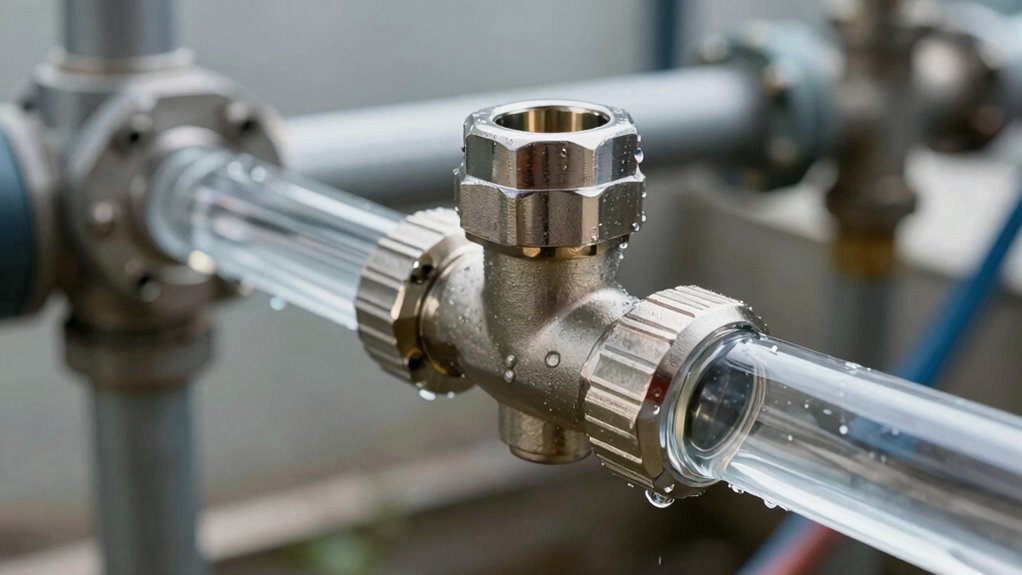
- Proper backflow prevention devices, like check valves and air gaps, are essential to block reverse flow.
- Regular testing and maintenance ensure backflow preventers function correctly, preventing health hazards.
- Understanding cross-connection risks helps in designing systems that safeguard water safety effectively.
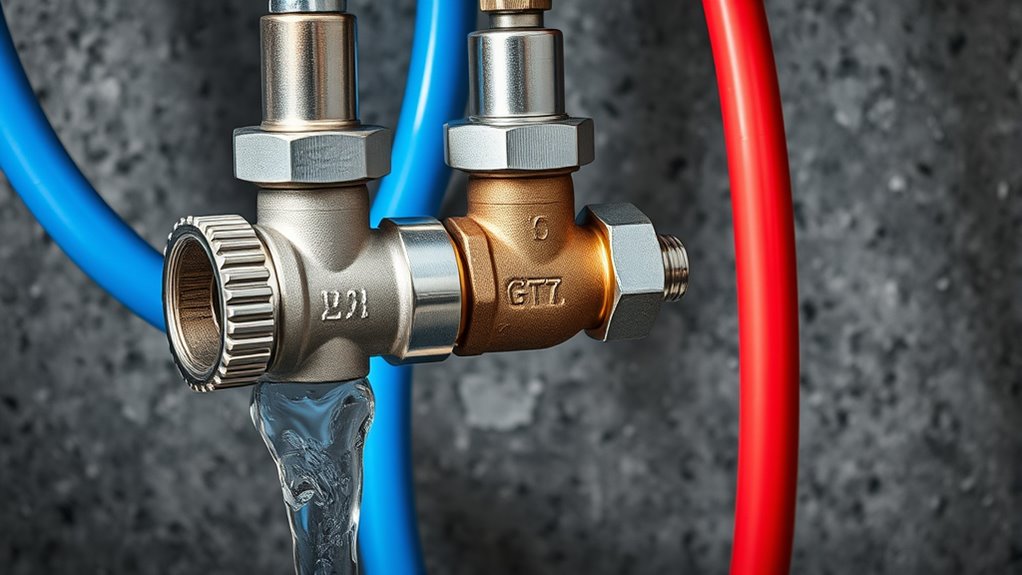
Have you ever wondered what backflow is and why it matters? Backflow occurs when contaminated water flows backward into your clean water supply, potentially introducing harmful substances. This reverse flow typically happens because of pressure differences within your water system, such as a drop in pressure in the main line or a sudden increase in demand. Understanding backflow is essential because it can pose serious health hazards, especially when pollutants from irrigation systems, industrial processes, or plumbing cross-connections find their way into your potable water. Proper system design and installation of backflow prevention measures are crucial to safeguard water quality. To prevent these hazards, hazard prevention measures are indispensable. Installing backflow prevention devices, like check valves or air gaps, creates a physical barrier that stops contaminated water from flowing back into the clean supply. But merely installing these devices isn’t enough; regular system testing is indispensable to verify they function correctly over time. System testing involves inspecting and maintaining backflow preventers to verify they are working as intended. Without routine testing, these devices can fail silently, giving a false sense of security and risking contamination. Many local regulations require annual testing, and neglecting this can lead to costly water quality issues and health violations.
Think of system testing as your safeguard against hidden failures. It’s a proactive step, catching problems before they become emergencies. During testing, trained technicians examine the device’s integrity, checking for leaks, proper operation, and any signs of wear or corrosion. If issues are detected, repairs or replacements are promptly made, maintaining the integrity of your water system. This ongoing process of hazard prevention through system testing helps guarantee that your water remains safe and clean, reducing the likelihood of backflow incidents that could compromise health or lead to costly cleanup efforts.
As an affiliate, we earn on qualifying purchases.
Frequently Asked Questions
How Often Should Cross-Connection Inspections Be Performed?
You should perform cross-connection inspections annually to guarantee safety. Following a regular inspection frequency helps identify potential backflow risks early. Incorporate these inspections into your maintenance schedules to prevent contamination and costly repairs. Always adhere to local regulations and standards, as some systems may require more frequent checks. Staying consistent with these inspections protects your water supply and maintains compliance with health and safety guidelines.
What Are the Most Common Causes of Backflow Incidents?
Cross connection hazards often happen when contamination sources, like fertilizers or chemicals, combine with your water supply. You might cause backflow incidents by neglecting proper maintenance, ignoring pressure fluctuations, or installing faulty valves. These common causes allow dirty water to reverse flow into your clean system, risking health hazards. Stay vigilant, conduct regular inspections, and guarantee proper valve function to prevent backflow incidents before they contaminate your water.
Can Residential Backflow Preventers Be DIY Installed?
You can attempt DIY installation of residential backflow preventers, but it’s not recommended without proper knowledge. As a homeowner, you should follow DIY installation tips carefully, such as reading manufacturer instructions thoroughly and ensuring you have the right tools. However, for safety and compliance, it’s best to hire a professional plumber. Proper installation helps prevent cross-connection risks and protects your water supply from contamination.
What Are the Costs Associated With Backflow Prevention Devices?
Think of backflow prevention devices like a security system for your water supply—you invest upfront, but it’s worth it. The costs vary, with initial installation averaging $150 to $500, depending on the system type. You should also consider ongoing maintenance costs, which can be $50 to $150 annually. Conducting a cost analysis helps you weigh the initial expense against long-term protection, saving you from costly repairs later.
Are There Specific Regulations for Backflow Prevention in Commercial Buildings?
Yes, there are specific regulations for backflow prevention in commercial buildings. You need to guarantee compliance with local, state,, and federal safety standards, which often mandate installing approved backflow prevention devices. Regular testing and maintenance are required to meet regulation compliance, preventing cross-connections that could contaminate water supplies. Staying updated on these regulations helps protect public health and maintains your building’s safety standards effectively.
As an affiliate, we earn on qualifying purchases.
Conclusion
Understanding backflow, recognizing cross-connections, and preventing contamination are your responsibilities. Stay vigilant, stay informed, and stay proactive. Regular inspections, proper installation, and quick action protect your water supply from pollution. Don’t wait until it’s too late—identify risks, eliminate hazards, and maintain safety. By staying aware, taking action, and practicing prevention, you safeguard your health, your home, and your community. Keep learning, stay cautious, and always prioritize backflow prevention.
As an affiliate, we earn on qualifying purchases.
cross-connection inspection tools
As an affiliate, we earn on qualifying purchases.
As an affiliate, we earn on qualifying purchases.
Fall yard work Picks
leaf blowers
As an affiliate, we earn on qualifying purchases.