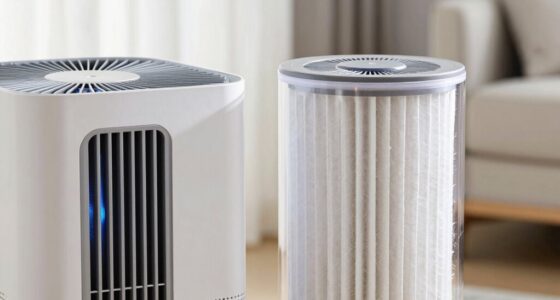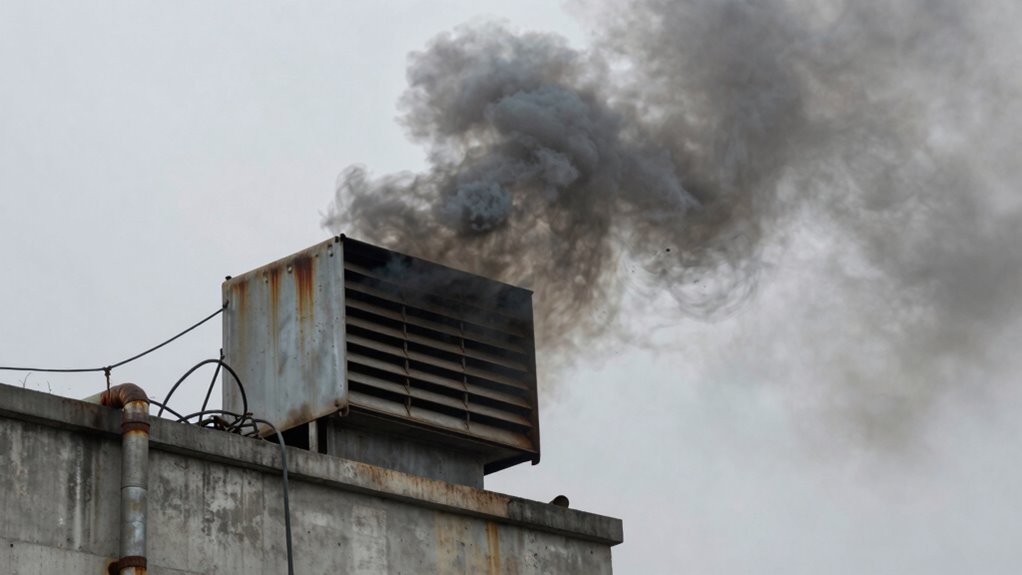

One common vent placement mistake is installing vents near pollution sources like kitchens or bathrooms, which can cause contaminated air to recirculate and become trapped indoors. Poor positioning might also mean vents aren’t aligned with natural airflow, leading to dead zones where pollutants linger. This compromises your home’s air quality and makes ventilation less effective. To avoid this, guarantee vents are strategically placed to promote proper airflow, and you’ll discover how to improve your indoor environment further.

Get school and study supplies delivered free — and shop member deals
- Fast, free delivery on millions of items
- Access to Prime Big Deal Days deals on October 6–7
- Prime Video, Amazon Music and more included
Key Takeaways
- Placing vents near pollution sources like kitchens or bathrooms can draw contaminated air into living spaces.
- Installing exhaust vents too close to outdoor pollutants may cause pollutant re-entry.
- Positioning vents without considering natural airflow patterns can create dead zones where polluted air accumulates.
- Inadequate vent placement at opposite ends of a room or house prevents proper air circulation, trapping pollutants.
- Ignoring airflow principles can lead to negative pressure, pulling polluted air from other areas into occupied spaces.

Have you ever overlooked the importance of vent placement in your home’s ventilation system? It’s a common mistake that can profoundly impact how well your indoor air circulates. Proper vent placement isn’t just about aesthetics or fitting into a space; it’s a vital element of the ventilation design that directly affects airflow efficiency. When vents are poorly positioned, they can create dead zones where polluted air lingers, or worse, draw contaminated air from one room into another. This isn’t just an inconvenience—it can compromise your indoor air quality and your health.
The way vents are situated influences how effectively fresh air enters and stale air exits your home. If exhaust vents are placed too close to sources of pollution—like the kitchen or bathroom—they might pull in contaminated air instead of expelling it. Similarly, supply vents that are poorly located can push air into spaces where it doesn’t circulate properly, causing uneven airflow. Good ventilation design considers these factors, ensuring vents are strategically placed to promote consistent, efficient airflow throughout your home. When airflow efficiency is optimized, you reduce the chances of pollutants accumulating in certain areas, and you help maintain a healthier environment overall.
A common mistake is installing vents in spots that seem convenient but don’t align with the natural flow of air. For example, placing an exhaust vent near a window might seem logical, but if it pulls in outside pollutants or doesn’t create enough negative pressure, it won’t do its job effectively. Instead, vents should be positioned to maximize airflow, often at opposite ends of a room or house, to create a continuous cycle that replaces stale air with fresh air. Proper ventilation design involves understanding how air moves and adjusting vent placement accordingly. This understanding of airflow patterns is crucial for optimizing your HVAC system, reducing energy costs, and improving indoor air quality. Additionally, awareness of biodiversity principles can guide more sustainable and health-conscious ventilation choices. Being mindful of these concepts can help prevent polluted air from becoming trapped, ensuring a healthier indoor environment.
As an affiliate, we earn on qualifying purchases.
Frequently Asked Questions
How Do I Identify if My Vent Location Is Causing Air Pollution?
You can tell if your vent location causes air pollution by observing airflow patterns and indoor air quality. Poor vent placement can lead to stagnant air or polluted air buildup. Check for signs like lingering odors, excess dust, or humidity issues near vents. Use an air quality monitor to detect pollutants. Proper vent placement guarantees efficient airflow, preventing pollution build-up, and maintaining a healthier indoor environment.
Are There Specific Rooms More Affected by Vent Placement Errors?
You’re asking if certain rooms suffer more from vent placement errors. Generally, kitchens and bathrooms are more affected because poor vent placement disrupts airflow, trapping pollutants where you spend the most time. Incorrect vent placement can cause stale air to linger, making these spaces feel stuffy. To fix this, guarantee vents are strategically positioned to promote proper airflow, helping you breathe easier and keep pollutants at bay.
Can Changing Vent Locations Improve Overall Indoor Air Quality?
Yes, changing vent placement can considerably improve air quality. Proper vent placement guarantees better airflow, reducing stagnant air and preventing pollutants from accumulating. You should position vents away from corners, furniture, and sources of pollution, like kitchens or bathrooms, for ideal circulation. By adjusting vent locations, you promote cleaner, healthier indoor air, minimizing allergens and indoor pollutants, and creating a more comfortable environment.
What Signs Indicate Poor Indoor Air Circulation Due to Vent Placement?
Poor indoor air circulation signals itself through sluggish smells, stuffy spaces, and persistent particles. If your ventilation efficiency feels lackluster and airflow patterns seem stagnant, these are clues your vent placement might be problematic. You’ll notice uneven temperature zones, drafty drafts, or lingering odors that don’t clear. These signs suggest your vents aren’t promoting proper circulation, trapping pollutants and compromising air quality. Addressing vent placement can dramatically improve airflow and breathe easier indoors.
How Often Should Vent Locations Be Reassessed for Optimal Air Quality?
You should reassess your vent system at least once a year to guarantee ideal air quality. Regular checks help identify any signs of pollutant buildup or poor circulation caused by vent placement. If you notice lingering odors, dust, or allergy symptoms, it’s a sign to evaluate and possibly reposition vents. Routine inspections prevent pollutant buildup, improve airflow, and maintain a healthier indoor environment. Stay proactive for cleaner, fresher air.
As an affiliate, we earn on qualifying purchases.
Conclusion
If you place your vent incorrectly, you risk trapping polluted air right in your living space. Imagine breathing in air that’s 2-3 times more polluted than outdoor air—it’s a startling thought, but one that can easily happen with poor vent placement. By paying attention to vent location, you can improve your home’s air quality and avoid unnecessary health risks. Don’t let a simple mistake turn your home into a trap—choose your vent position wisely.
As an affiliate, we earn on qualifying purchases.
As an affiliate, we earn on qualifying purchases.
Halloween Picks
halloween
As an affiliate, we earn on qualifying purchases.